
 Chat with us on WhatsApp

The Art of Mixing and Matching Dining Chairs
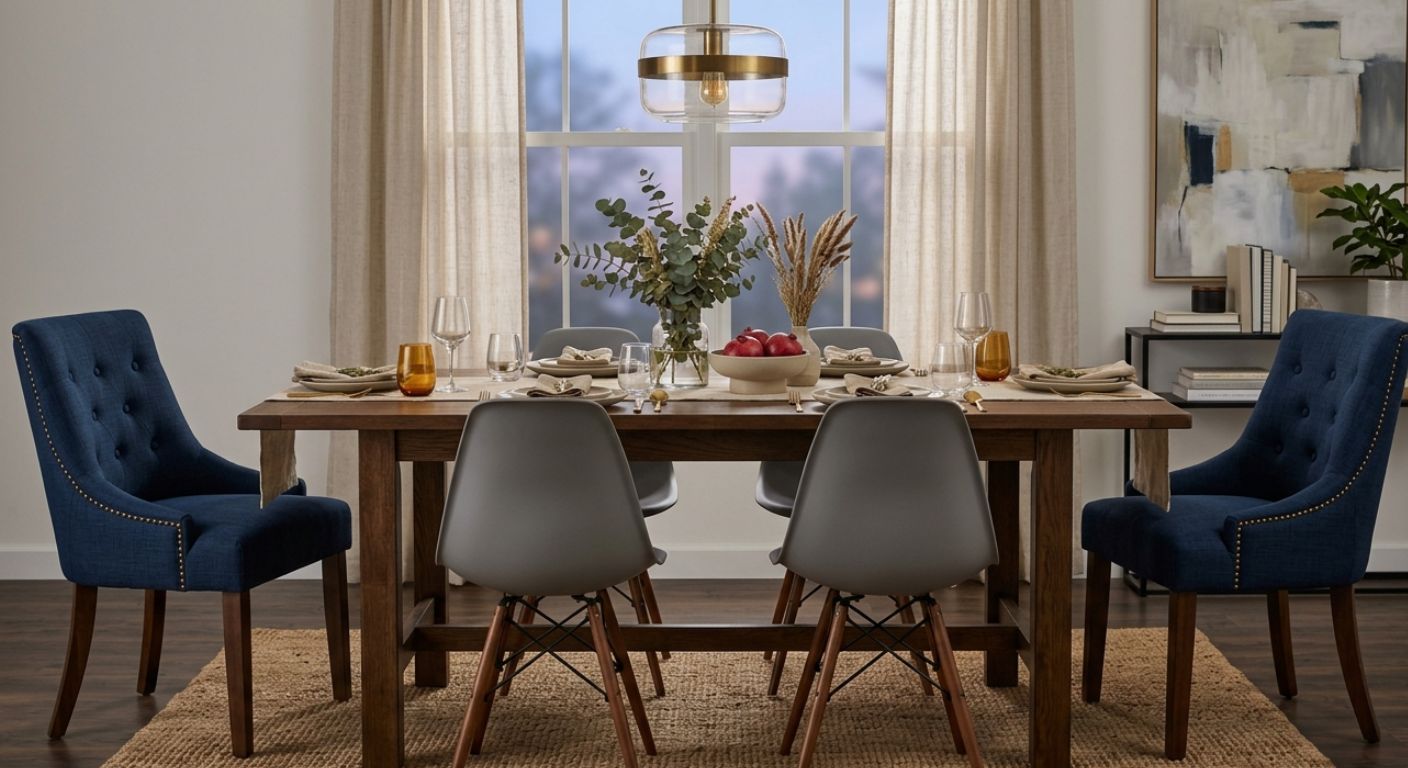
Matching dining chair sets are no longer the only safe option for a dining room. Mixing chair styles, colours, or materials can create a more flexible and visually balanced setup when it is done with structure. The key is consistency in proportion, scale, and one unifying feature rather than making every chair completely different.
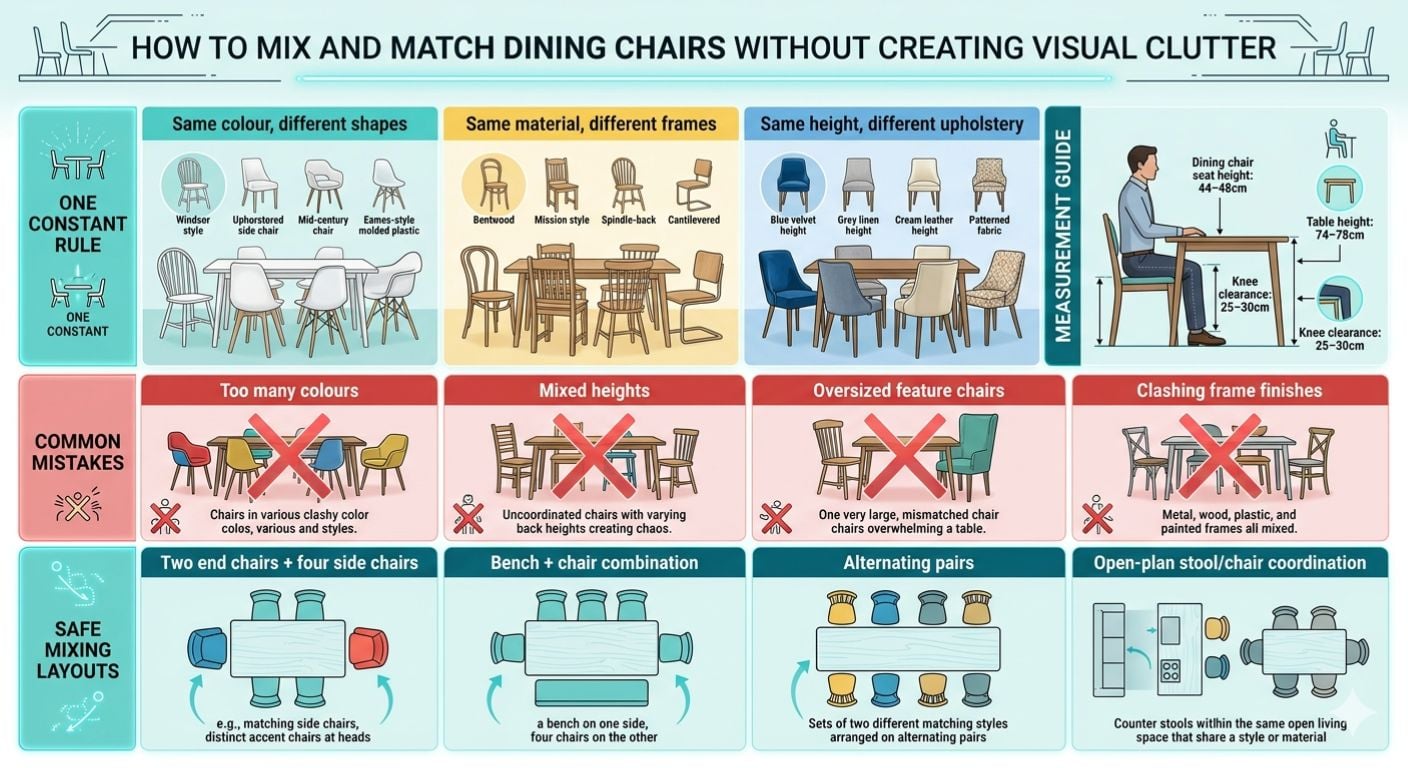
Most successful mixed dining chair layouts follow a simple rule: keep one element consistent across the set. That could be seat height, upholstery tone, frame material, or overall shape. Without that consistency, the room can quickly feel random rather than intentional.
This article focuses on how to combine different dining chairs without creating visual clutter or practical issues. For a broader breakdown of chair types and how different styles suit different homes, see the guide to dining chair styles.
Start With One Consistent Feature
The easiest way to mix dining chairs successfully is to anchor the room with one shared characteristic.
This could be:
- The same seat colour across different chair shapes
- The same leg finish across upholstered and wooden chairs
- Matching seat heights with different back styles
- Similar silhouettes in different materials
- A repeated accent colour elsewhere in the room
Using one constant prevents the table from looking disconnected.
A common mistake is combining too many contrasts at once. Different colours, different materials, different heights, and different shapes together usually create visual noise rather than balance.
If you want stronger contrast, reduce variation elsewhere. For example:
| Variation Type | Keep Consistent |
|---|---|
| Different colours | Same chair shape |
| Different chair styles | Same upholstery tone |
| Upholstered + wooden mix | Same leg finish |
| Statement end chairs | Matching side chairs |
Tone-on-tone combinations are often easier to control than highly contrasting palettes. Black, grey, cream, walnut, and natural oak combinations usually work more consistently than multiple bright colours competing around one table.
Keep Seat Heights and Scale Consistent
Proportion matters more than style when mixing dining chairs.
Most standard dining chairs have a seat height between 44cm and 48cm. Keeping all chairs within roughly 5cm of each other usually maintains a balanced seating position around the table.
Standard dining table clearance should allow approximately 25–30cm between the seat surface and the underside of the table.
| Measurement | Recommended Range |
|---|---|
| Dining chair seat height | 44–48cm |
| Table height | 74–78cm |
| Knee clearance | 25–30cm |
If one chair sits noticeably lower or higher than the others, the imbalance becomes obvious immediately when people sit down.
Visual scale matters too. A bulky upholstered chair beside a slim metal-frame chair can look disproportionate even if the measurements technically match.
One thing we regularly see with our customers is that oversized end chairs often look smaller online than they do once placed beside compact dining seating.
If you are combining chair types, compare:
- Overall back height
- Seat width
- Leg thickness
- Visual weight
- Arm height if applicable
This keeps the arrangement feeling deliberate rather than uneven.
For detailed sizing guidance, see the separate dining chair size guide.
Use Matching Pairs Instead of Six Different Chairs
Completely random layouts are harder to control visually.
Most mixed dining chair setups work best when chairs are grouped in pairs.
Examples include:
- Two end chairs + four matching side chairs
- Two colours in alternating pairs
- Upholstered chairs on one side, wooden chairs opposite
- Bench seating on one side with matching chairs opposite
This creates rhythm around the table and reduces visual clutter.
Symmetry is particularly useful in open-plan kitchens where the dining area remains visible from multiple angles. Matching pairs help the room feel connected without requiring a fully matching set.
In smaller dining spaces, limiting variation to two chair styles is usually safer than combining three or four.
Host and Head Chairs Are the Simplest Starting Point
Using statement chairs at the head of the table is one of the easiest ways to introduce contrast.
These chairs are often:
- Slightly larger
- More upholstered
- Higher-backed
- Different in colour or texture
This approach works because the layout still keeps most of the seating visually consistent.
Head chairs can also improve practicality in some homes. Larger seats with supportive backs are often preferred by older family members or anyone sitting at the table for longer periods.
The contrast works best when the head chairs still reference something already present in the room, such as:
- Matching black metal legs
- Similar upholstery tone
- Shared wood finish
- Comparable seat shape
Without a shared detail, statement chairs can look disconnected from the rest of the table.
Mixing Upholstered and Non-Upholstered Chairs
Combining textures is often more effective than combining completely unrelated styles.
Upholstered chairs add softness and visual weight, while wooden or metal-frame chairs create structure and contrast.
Popular combinations include:
| Combination | Result |
|---|---|
| Velvet + black metal | Modern contrast |
| Faux leather + oak | Warm contemporary look |
| Fabric + walnut | Softer traditional balance |
| Wood + boucle fabric | Layered texture |
This approach works particularly well in open-plan kitchens where the dining area needs to feel connected to surrounding finishes.
In practical terms, mixing materials can also solve household needs more effectively than buying one identical set.
For example:
- Upholstered end chairs for comfort
- Wipe-clean side chairs for daily use
- Bench seating for children or flexible capacity
The important factor is balance. One heavily textured chair style combined with another visually dominant design can make the table feel overcrowded.
The guide to dining chair leg styles is useful when coordinating mixed frame finishes.
Should Dining Chairs Match Bar Stools in Open-Plan Kitchens?
No, dining chairs and bar stools do not need to match exactly in open-plan kitchens. They should, however, share at least one visual element if both seating areas are visible together. Matching finishes, upholstery tones, or frame colours usually creates enough continuity without making the space feel repetitive.
Open-plan layouts create shared sightlines between kitchen islands and dining tables. Completely unrelated seating styles can make the room feel fragmented.
The safest approach is coordinated rather than identical seating.
Examples include:
- Black metal bar stools with black-framed dining chairs
- Walnut dining chairs paired with walnut-backed stools
- Matching upholstery colour across both areas
- Similar silhouettes in different seat heights
Trying to force exact matching between stools and dining chairs can sometimes make large open spaces feel overly uniform.
Dining Benches Help Break Up Matching Layouts
Adding a dining bench is often the easiest way to soften a formal dining setup without fully mismatching every chair.
Benches work well because they naturally interrupt repetition.
They are commonly used:
- Along one side of the table
- In compact dining areas
- In family kitchens
- In open-plan layouts
Benches can also improve flexibility when seating extra guests.
A simple wooden bench paired with upholstered dining chairs usually feels more balanced than introducing several unrelated chair styles around one table.
For homes trying to avoid a rigid showroom-style layout, this is often the lowest-risk option.
When Mixing Dining Chairs Works Best
Mixed dining chair layouts usually work best when:
- The room already contains layered textures or finishes
- The table design is relatively simple
- Open-plan spaces need softer zoning
- You want a less formal appearance
- You are replacing chairs gradually rather than all at once
This approach is especially practical for homeowners who want flexibility without buying a full matching set immediately.
It also works well when extending older dining furniture with newer seating styles.
When Matching Chairs Are Usually Safer
Fully matching dining chairs are often the better option when:
- The room is very small
- The table already has a visually dominant design
- Multiple bold colours already exist in the room
- The dining space is highly formal
- The chairs themselves are heavily decorative
Too many competing details can make smaller spaces feel cluttered quickly.
If the room already contains strong flooring patterns, bold lighting, or statement cabinetry, simpler seating combinations usually produce a cleaner result.
FAQ
Can you mix and match dining chairs?
Yes. The most successful combinations keep one consistent feature across the set, such as seat height, frame finish, colour tone, or shape. This keeps the layout coordinated rather than random.
How many different dining chair styles should you use?
Two styles is usually the safest balance. More than three distinct chair designs around one table can start to feel visually inconsistent unless the room is very large.
Do dining chairs need to match the table?
No. Dining chairs do not need to match the table exactly, but they should feel proportionally compatible. Shared finishes, tones, or materials normally create enough cohesion.
What is the standard dining chair seat height?
Most dining chairs sit between 44cm and 48cm high. Standard dining tables are typically 74–78cm high, leaving around 25–30cm of knee clearance.
-
-
-
-
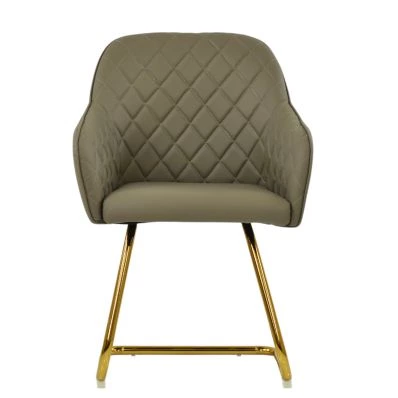
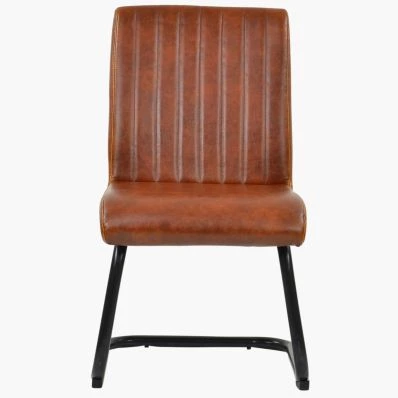
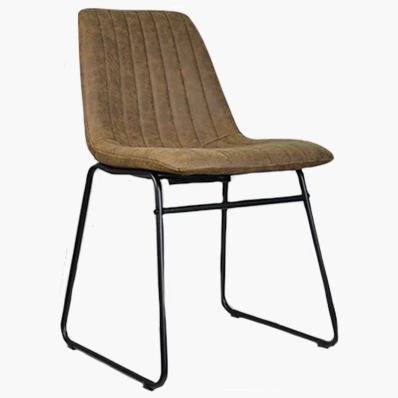 Plato Dining Chair in Aged Brown LeatherSpecial Price £49.99 Regular Price £89.99 Original price 44% Inc VATSaving £40
 -
-
-
-
-
-
-
-
Closing Thoughts
Mixing dining chairs works best when the variation feels controlled rather than random. Consistent proportions, coordinated finishes, and balanced visual weight matter more than following a strict matching set.
For more guidance on chair types, materials, and dining room layouts, see the full guide to choosing dining chair styles or browse the full range of dining chairs.
For additional ergonomics guidance on seating and posture, the NHS seating posture guide provides useful general recommendations for seated comfort.


Comments