
 Chat with us on WhatsApp

Choosing the correct bar stool size is essential for comfort, posture, and how well your stools fit within a kitchen counter, breakfast bar, or bar area. The right dimensions ensure comfortable seating, sufficient legroom, and a layout that works for everyday use.
This guide focuses on bar stool height, seat width, and spacing, so you can choose stools that fit your counter properly and avoid common sizing mistakes.
Quick Answer: What Size Bar Stool Do I Need?
For a 90cm kitchen counter, choose a stool with a 60-65cm seat height.
For a 100cm breakfast bar, choose a 70–75cm seat height.
For a 110cm raised bar, choose a 75–80cm seat height.
Always measure from the floor to the underside of the counter and subtract 25–30cm to find the correct seat height.
Bar Stool Height Explained
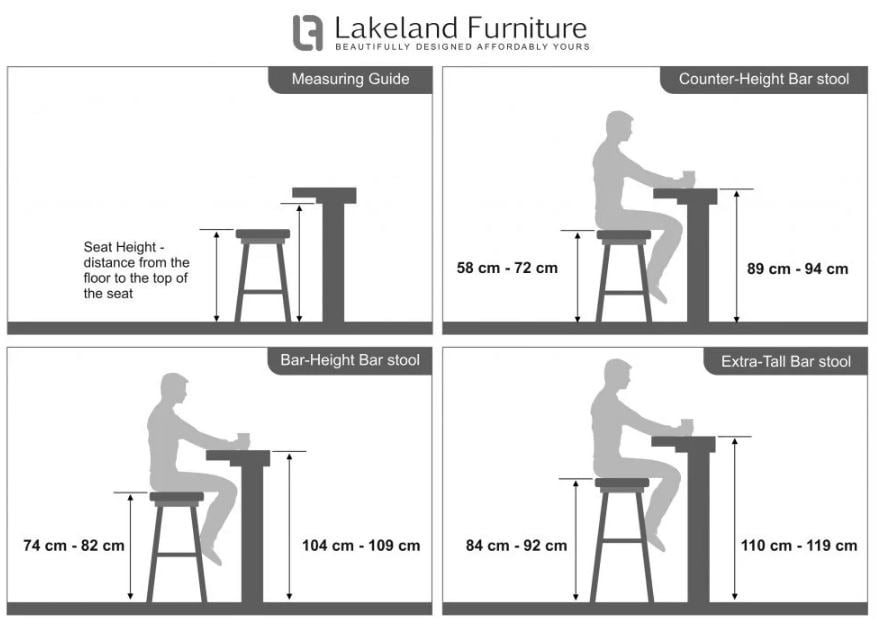
Choosing the correct bar stool height is the most important step. The seat height must allow comfortable leg movement while keeping the counter or bar surface usable.
In UK homes, bar stools should be selected based on the height of the counter, breakfast bar, or island they sit under — not personal preference alone.
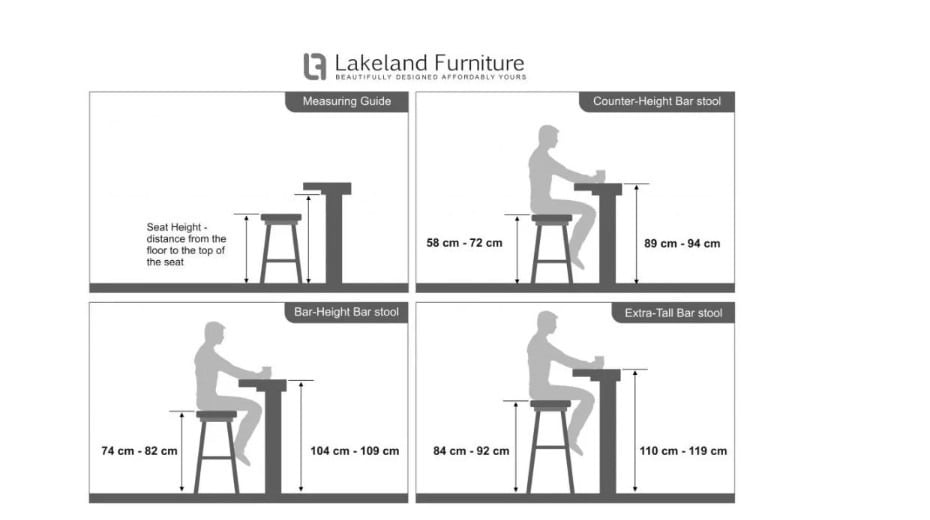
As a general rule, the seat of the stool should sit 25–30cm lower than the underside of the counter or bar. This clearance prevents knees from hitting the worktop and allows a natural, comfortable seating position.
Counter Height vs Bar Height
Different surfaces require different stool heights. The most common standards in UK homes are:
Kitchen counters & islands: approx. 90cm high
→ Ideal seat height: 65–70cm
Breakfast bars / raised bars: approx. 105–110cm high
→ Ideal seat height: 71–81cm
Extra-tall or commercial-style bars: 110cm+
→ Ideal seat height: 85cm+
Always measure your own surface. Bespoke kitchens, thicker worktops, and shallow overhangs can all affect what stool height will fit comfortably. For standard 90cm surfaces, browse our Kitchen Island Bar Stools designed specifically for this height range.
Different Bar Stool Heights Explained
Bar stool heights are not one-size-fits-all. In UK homes, stools generally fall into four distinct height ranges, each suited to a specific type of surface.Counter bar stools (65–70cm) are designed for standard 90cm kitchen counters and islands.
Breakfast Bar Stools (71–81cm) suit raised breakfast bars and surfaces between 100–110cm high.
Extra-tall stools (85cm+) are used for commercial-style bars or bespoke installations above 110cm.
Adjustable bar stools typically move between 60–85cm and provide flexibility where surface heights vary.
Understanding these height categories helps prevent common sizing errors and ensures your seating matches the intended surface correctly.
Counter Height vs Bar Height: Which Should You Choose?
The difference between counter height and bar height stools is often misunderstood.
If your surface measures around 90cm high, you need a counter height stool (65–70cm seat height). Choosing a taller bar stool will feel cramped and awkward.
If your surface measures between 100–110cm high, a bar height stool (70–80cm seat height) is required to maintain proper leg clearance.
When in doubt, measure the underside of the counter rather than the top surface. This ensures correct clearance, particularly with thick worktops or minimal overhang.
What Is the Standard Bar Stool Height in the UK?
In most UK homes, the standard bar stool height for kitchen counters is 65–70cm. This suits standard 90cm counters.
For raised breakfast bars (100–110cm), the standard stool height increases to 70–80cm.
There is no single universal height — stools must match the surface they sit under. Measuring correctly is always more reliable than relying on assumptions.
How to Measure for the Correct Bar Stool Height
Accurate measuring avoids buying stools that look right but feel awkward to use.
Measure from the floor to the underside of the counter or bar
Subtract 25–30cm to determine the ideal seat height
Check the stool’s seat height measurement is taken from floor to the top of the seat surface
For example:
A counter with 90cm underside clearance typically suits a 65–70cm seat height
This method is more reliable than using surface height alone, particularly where worktops are thick or overhangs are limited.
how to measure a bar stool
hamilton height guide
Bar Stool Width and Depth
Width and depth affect both comfort and how many stools will fit along a counter or bar area.
Typical dimensions:
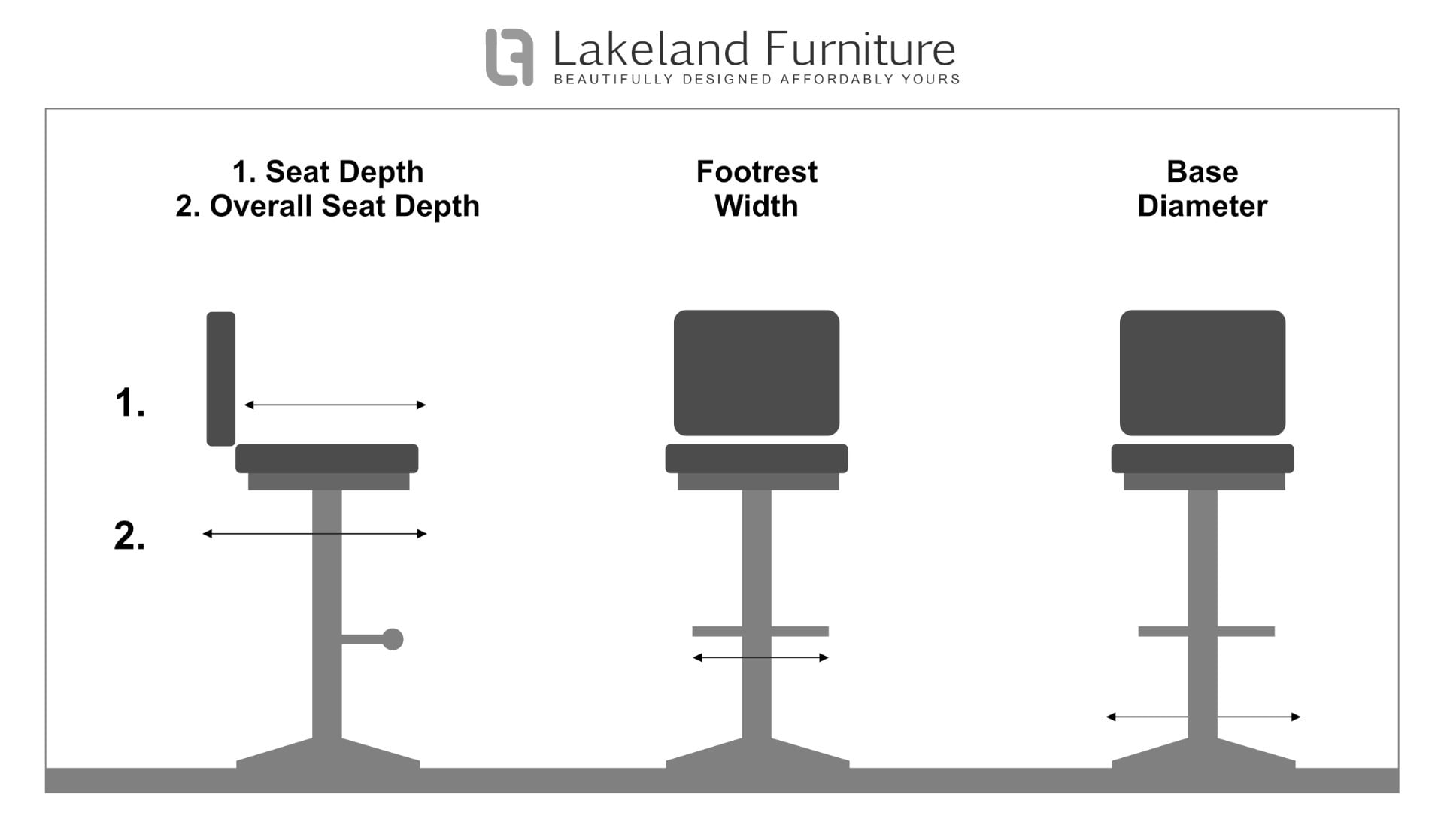
Seat width: 30–60cm
Average stool width: around 42cm (up to 50–55cm with armrests)
Seat depth: approx. 40cm (can increase by 5–10cm with a backrest)
Base diameter: usually 38–50cm
Stools with arms, swivel functions, wide seats, or large bases require more space than simple backless designs. These factors should be accounted for when planning your layout.
Two of our most popular counter stools are the Hamilton Fixed Height Bar Stool and the Carson Fixed Height Bar Stool.
Bar Stool Spacing: How Many Stools Will Fit?
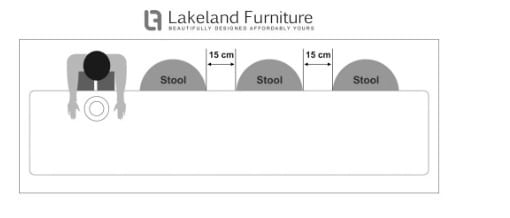
Correct spacing prevents overcrowding and ensures comfortable seating with easy access.
General spacing guidelines:
15cm between stools for compact or backless designs
20–25cm between stools with arms or swivel mechanisms
60–75cm of counter space per person for comfortable seating
To calculate how many stools will fit:
Measure the usable length of the counter or island
Divide by the space required per stool (including spacing)
Round down to avoid overcrowding
Also allow clearance behind stools:
46cm minimum for light use
107cm behind stools in busy kitchen walkways
barstool spacing image
Types of Bar Stool Heights
Bar stools are commonly grouped by seat height:
Counter stools: 65–70cm seat height
Bar stools: 71–81cm seat height
Extra-tall / spectator stools: 85cm+ seat height
Adjustable stools: typically adjustable between 60–85cm
Adjustable bar stools are useful where surface heights vary slightly or when stools are used across multiple areas.
Common Bar Stool Sizing Mistakes
Choosing stools based on surface height instead of underside clearance
Ignoring stool width and base size
Overfilling a kitchen island with too many stools
Forgetting to allow space behind stools for movement
Not choosing adjustable stools where heights vary
Avoiding these issues ensures your bar stools are comfortable, practical, and suited to everyday use.
Quick Bar Stool Size Reference
Surface Type Typical Surface Height Recommended Seat Height
Kitchen Counter / Island ~90cm 65–70cm
Breakfast Bar ~100cm 70–75cm
Raised Bar ~105–110cm 75–80cm
Extra-Tall Bar 110cm+ 80–85cm
Now that you know what height you need, the next step is choosing the right features. Swivel, adjustable height, backrests and armrests all affect comfort and stability. See our Complete Guide to Bar Stool Features for a breakdown of how each mechanism works.
Frequently Asked Questions About Bar Stool Size
How wide should a bar stool be?
Most bar stools are 30–60cm wide. As a general rule, allow around 42cm per stool, increasing to 50–55cm for stools with armrests or wide bases.
What size bar stool should I get for a 90cm counter?
For a 90cm kitchen counter, choose a stool with a 65–70cm seat height. This maintains the recommended 25–30cm legroom.
What size bar stool should I get for a 100cm counter?
For a 100cm breakfast bar, a 70–75cm seat height provides comfortable clearance for eating, socialising, and informal working.
What size bar stool should I get for a 110cm counter?
For a 110cm raised bar, look for stools with a 75–80cm seat height. Thicker worktops may require extra-tall designs.
How many bar stools do I need for a kitchen island?
Measure the usable length of the island and allow 60–75cm per person, including spacing. Divide the length by this figure and round down.
How do I measure what size bar stool to buy?
Measure from the floor to the underside of the counter, then subtract 25–30cm. Choose a stool with a seat height that matches this result.
Are counter height stools the same as bar stools?
No. Counter height stools are shorter (typically 60–65cm) and suit 90cm counters. Bar stools are taller (usually 70–75cm) and suit raised breakfast bars.
Final Buying Tip
Always measure first. Even small differences in height or width can affect comfort, posture, and how usable your space feels day to day. Once sizing and spacing are confirmed, you can focus on materials, finishes, and design preferences without risking poor fit.
Once you’ve gathered your inspiration, find the ideal finishing touch in our range of bar stools, counter stools, and adjustable bar stools— available in every style, material, and finish.

Related Products
-
-
-
-
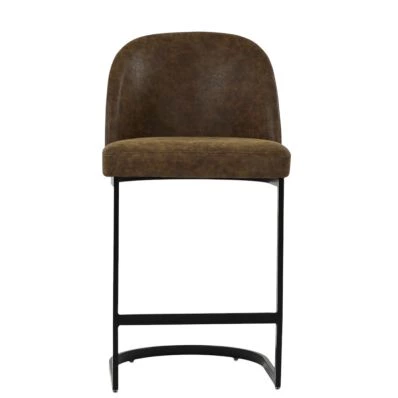 Delamere 65cm Bar Stool in Aged Brown Leather & Black BaseSpecial Price £69.99 Regular Price £109.99 Original price 36% Inc VATSaving £40

Comments