
 Chat with us on WhatsApp


Bar Stools Vs Counter Stools Similarities And Differences
The main difference between bar stools and counter stools is height. Counter stools usually have seat heights between 60–69cm for standard 90cm kitchen counters, while bar stools are typically 74–81cm high for taller 105–110cm bar surfaces. Choosing the wrong height affects comfort, legroom, and how the seating fits into the room overall.
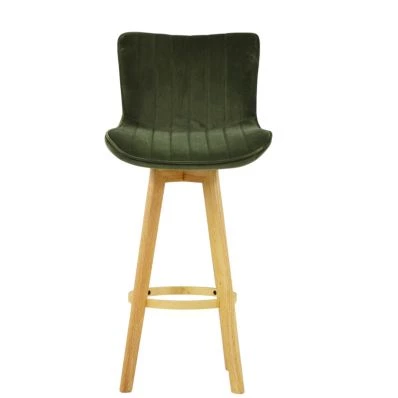
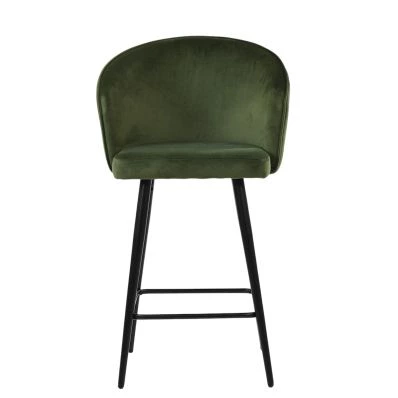
Both types serve similar purposes and often look almost identical in product photos, which is why many buyers confuse them during research. Height is the most important distinction, but it is not the only factor that affects suitability. Features such as backrest height, seat shape, footrests, armrests, base design, and adjustment mechanisms can all influence how a stool feels and functions in everyday use. If you want to understand how these individual components affect comfort and usability, see our guide to bar stool anatomy.
This guide explains where the differences matter, where the similarities overlap, and how to decide which type suits your kitchen island, breakfast bar, or home bar setup. For a broader breakdown of measurements and sizing rules, see our bar stool size guide.
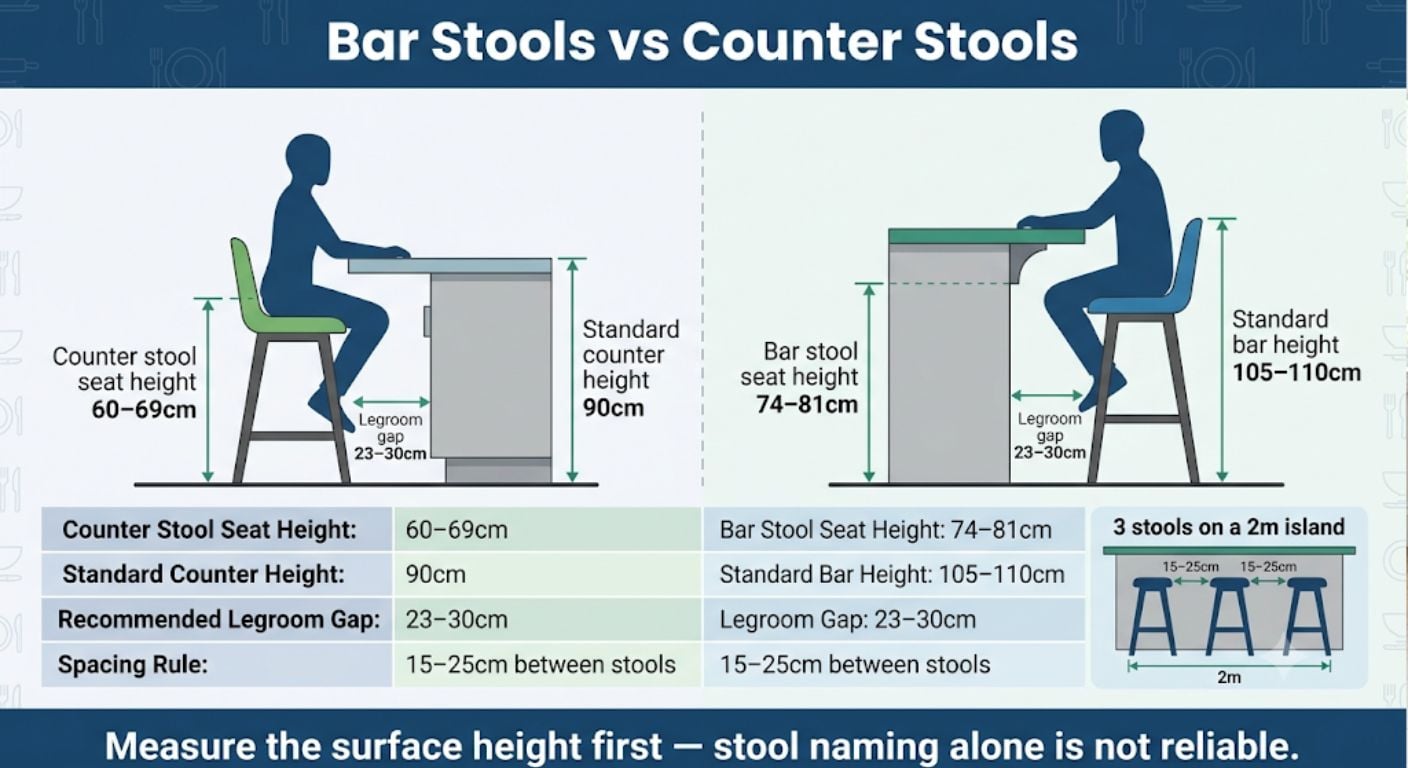
Counter Stools vs Bar Stools: Quick Height Comparison
| Stool Type | Typical Seat Height | Surface Height | Most Common Use |
|---|---|---|---|
| Dining Chair | 43–48cm | 72–76cm table | Dining tables |
| Counter Stool | 60–69cm | 89–94cm counter | Kitchen islands and breakfast bars |
| Bar Stool | 74–81cm | 104–110cm bar | Home bars and raised counters |
| Extra Tall Stool | 84cm+ | 115cm+ surfaces | Commercial-style bar setups |
What Is the Difference Between Bar Stools and Counter Stools?
The difference is mainly the seat height required for the surface they are paired with. Counter stools are designed for standard kitchen counter heights, while bar stools are built for taller raised bars.
Most UK kitchen islands are counter height rather than bar height, which means many homes actually need counter stools even when shoppers search for “bar stools”. The terminology overlaps heavily across retailers, but the measurements matter more than the naming.
A useful rule is to maintain roughly 23–30cm between the seat and the underside of the counter. This creates comfortable legroom without making the seating feel too low.
Standard Counter Stool Measurements
Counter stools normally suit surfaces around 90cm high. A seat height between 60cm and 69cm keeps the seating position comfortable for eating, working, or casual daily use.
- Typical seat height: 60–69cm
- Typical counter height: 89–94cm
- Most common location: kitchen islands and breakfast bars
- Best for: everyday family seating
If your kitchen counter is approximately 90cm high, a 65cm seat height is usually the safest starting point.
Standard Bar Stool Measurements
Bar stools are taller and designed for raised bar areas or commercial-style home bars. They generally work with surfaces around 105–110cm high.
- Typical seat height: 74–81cm
- Typical bar height: 104–110cm
- Most common location: home bars and entertainment areas
- Best for: taller seating environments
Using bar stools at a standard kitchen counter usually creates an uncomfortable seating position where knees sit too close to the underside of the worktop.
Where the Similarities Overlap
Beyond height, counter stools and bar stools often share the same structural features, materials, and mechanisms. Many furniture ranges are sold in both counter and bar height versions using the same frame and upholstery.
- Fixed or adjustable height options
- Swivel or static bases
- Metal, wood, or upholstered frames
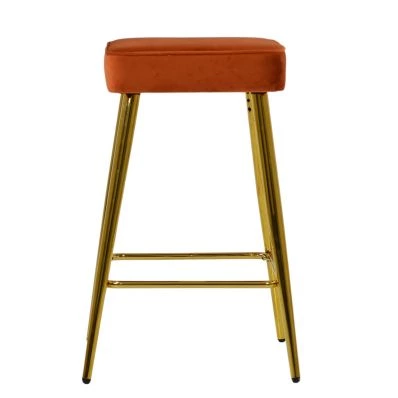
- With backs, low backs, or backless designs
- Footrests for leg support
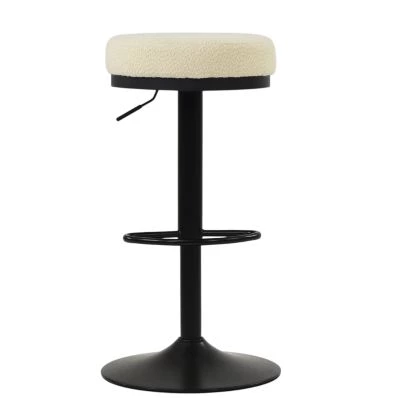
Adjustable-height stools can blur the line between the two categories because they cover a wider seat height range. These are often useful for non-standard counters or multi-purpose spaces.
If you are comparing adjustable and fixed models specifically, our swivel vs fixed bar stools guide explains where each type works best.
Counter Stools vs Bar Stools for Kitchen Islands
Most kitchen islands in UK homes are standard counter height, so counter stools are usually the correct choice. Bar stools are more suitable when the island includes a visibly raised section or split-level design.
One thing we notice regularly is that our customers often measure the overall island height but forget to account for worktop overhang thickness, which can slightly reduce usable legroom underneath.
For standard islands:
- 90cm island → usually needs 60–69cm seat height
- 105cm raised bar → usually needs 74–81cm seat height
If you are planning seating around a kitchen island specifically, see our kitchen island stool guide.
How Many Stools Fit Along a Counter?
The general spacing rule is to allow around 15–25cm between each stool seat depending on width and whether the stools swivel.
A simple formula is:
Total width available ÷ stool width allowance = number of stools
Example for a 2m island:
- Average stool width: 45cm
- Recommended gap: 15–20cm
- Total allowance per stool: approximately 60cm
- 2m island comfortably fits around 3 stools
Wider swivel stools usually require more spacing because users rotate while seated and need additional elbow room.
For detailed spacing calculations, see our bar stool spacing guide.
Should You Choose Adjustable Height Stools?
Adjustable stools make sense when:
- Your counter height falls outside standard measurements
- The seating area serves multiple purposes
- You are unsure whether the surface sits closer to counter or bar height
- Different users prefer different sitting positions
Gas-lift mechanisms allow the seat height to move between ranges that partially overlap both categories. This flexibility can reduce sizing mistakes, particularly in open-plan kitchens where counters vary slightly in height.
When Counter Stools Make More Sense
- Standard 90cm kitchen counters
- Daily family dining
- Breakfast bars
- Compact kitchens where oversized seating feels dominant
- Homes where easier access matters for children or older users
Counter stools usually feel more relaxed and practical for long-term everyday use because the seating position is slightly lower and easier to get in and out of.
When Bar Stools Make More Sense
- Raised home bars
- Entertainment areas
- Taller commercial-style counters
- Games rooms or dedicated social spaces
- Split-level kitchen designs
Bar stools create a more elevated seating position and are usually chosen when the surface itself is intentionally taller.
Frequently Asked Questions
What stool height is best for a 36-inch kitchen counter?
A 36-inch kitchen counter usually requires a counter stool with a seat height around 24–26 inches (roughly 60–66cm). This keeps the recommended 10–12 inch legroom gap between the seat and the underside of the counter.
Can I use bar stools at a kitchen island?
You can, but only if the island itself is bar height. Most standard kitchen islands are counter height, so standard bar stools are often too tall and reduce comfort. Always measure the underside of the counter before buying.
Are adjustable stools better than fixed-height stools?
Adjustable stools are useful for non-standard counters or shared spaces where users prefer different seating heights. Fixed-height stools usually provide a more stable seating position and simpler overall structure.
How much space should I leave between stools?
Leave around 15–25cm between stool seats depending on stool width and whether the design swivels. Wider seats and rotating stools generally require more clearance for comfortable movement.
Final Thoughts
Counter stools and bar stools share many of the same features, but the seat height difference is significant enough to affect comfort, spacing, and usability. In most UK homes, kitchen islands and breakfast bars are counter height, which means counter stools are usually the correct fit.
The safest approach is to measure the surface first, then work backwards from the required legroom gap rather than relying on category names alone.
You can browse the full range of bar stools here, or explore the wider bar stool sizing guide for more detailed measurement advice.
Show two side-by-side kitchen setups: one with counter stools at a standard 90cm kitchen island and one with taller bar stools at a raised 105cm home bar. Include visible measurement labels for seat heights, counter heights, and legroom gaps. The image should clearly communicate the physical height difference rather than focusing on décor styling.
Create a comparison infographic titled “Bar Stools vs Counter Stools”. Use a side-by-side measurement table showing:
- Counter stool seat height: 60–69cm
- Bar stool seat height: 74–81cm
- Standard counter height: 90cm
- Standard bar height: 105–110cm
- Recommended legroom gap: 23–30cm
- Spacing rule: 15–25cm between stools
Include simple illustrated silhouettes showing stool-to-counter proportions and a small “3 stools on a 2m island” spacing example. The key takeaway should be: “Measure the surface height first — stool naming alone is not reliable.”


Comments