
 Chat with us on WhatsApp

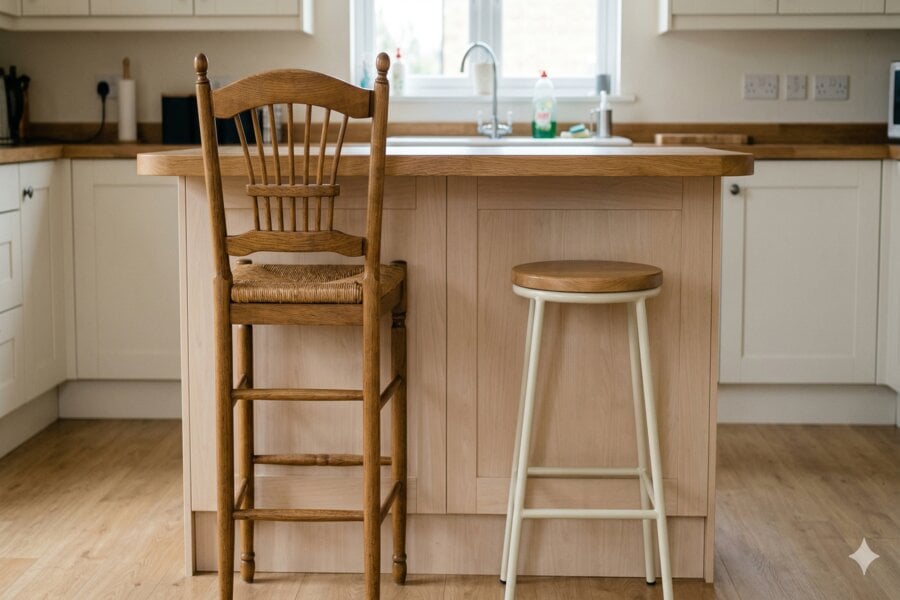
Bar Stools With Backs Vs Backless Bar Stools
Choosing between bar stools with backs and backless bar stools usually comes down to how the space is used, how often people sit there, and how much clearance you need around the counter. Both styles can work well, but they solve different problems.
If you are comparing backs vs backless barstools, the simplest rule is this: backless stools suit shorter sits and tighter spaces, while stools with backs suit longer sitting and more support. Before deciding, it also helps to check the bar stool size guide, because the right height and fit matter just as much as the stool style.
Backed vs backless bar stools: the quick answer
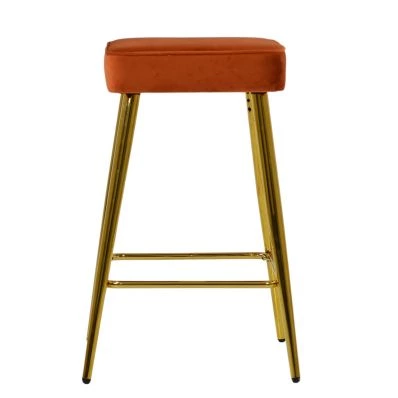
Backless bar stools are usually the better choice when you want a cleaner look, more tuck-under clearance, and easier movement around a kitchen island or breakfast bar. Bar stools with backs are usually the better choice when people sit for longer periods, eat full meals at the counter, or want more support.
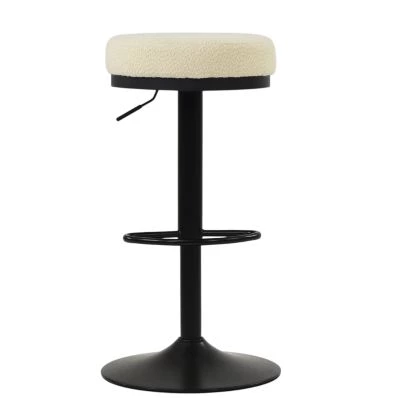
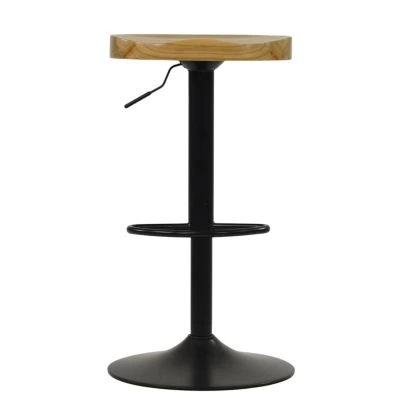
Choose backless bar stools if:
- You want stools to tuck further under the worktop
- You have a narrow kitchen or limited walkway space
- The seating is mainly for short sits, drinks, or quick meals
- You want a lighter, less visually dominant look
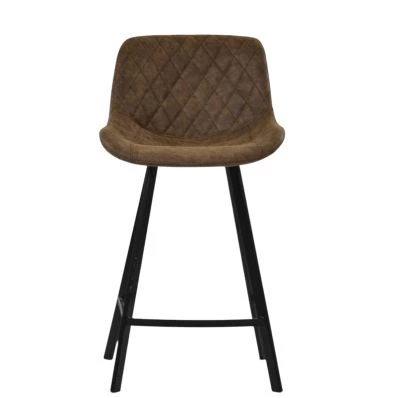
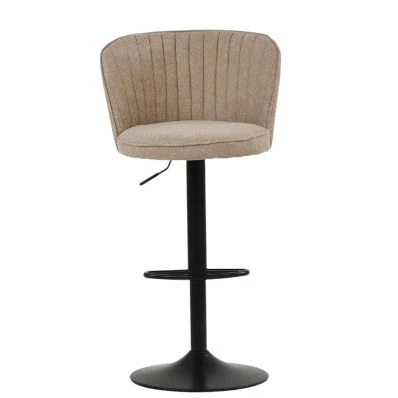
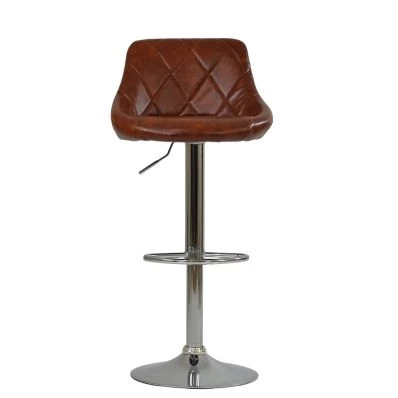
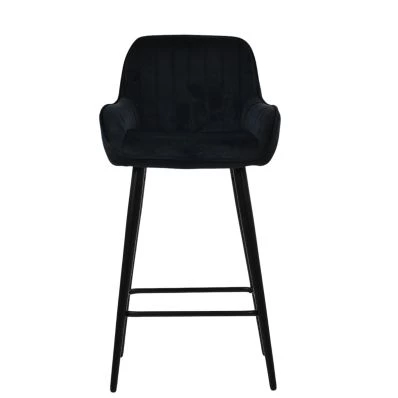
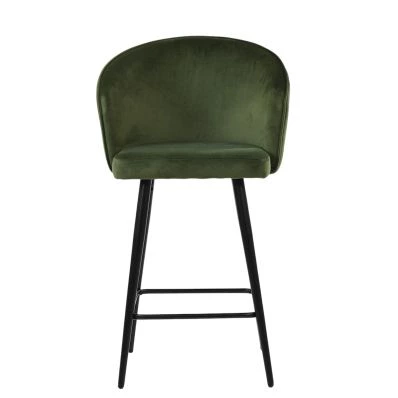
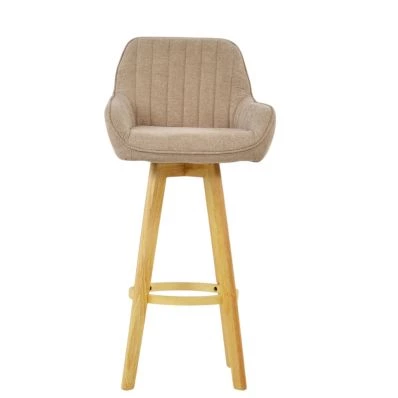
Choose bar stools with backs if:
- The island is used for regular meals, homework, or laptop use
- People sit there for 20 minutes or more at a time
- You want more support and a more settled seating position
- The household includes older adults or anyone who prefers more support
Comfort: how long do you actually sit there?
The biggest difference between bar stools with backs and backless bar stools is comfort over time. A backrest gives the body somewhere to settle. That matters more when the stool is used for breakfast, evening meals, working at the island, or longer conversations.
Backless stools can still be comfortable, but they tend to suit shorter sits. They rely more on posture, core balance, and how the user positions themselves. For a quick coffee or casual perch, that is often fine. For longer use, many people prefer the extra support of a backrest.
When stools with backs make more sense
If your kitchen island works like a second dining table, stools with backs are usually the safer choice. The extra support helps people stay comfortable for longer and often makes the seat feel more secure.
When backless stools are enough
If the seating is more of a pass-through spot than a proper sitting area, bar stools without backs can be the more practical option. They are simple, easy to move, and often less intrusive in busy kitchens.
Space, clearance and tuck-under behaviour
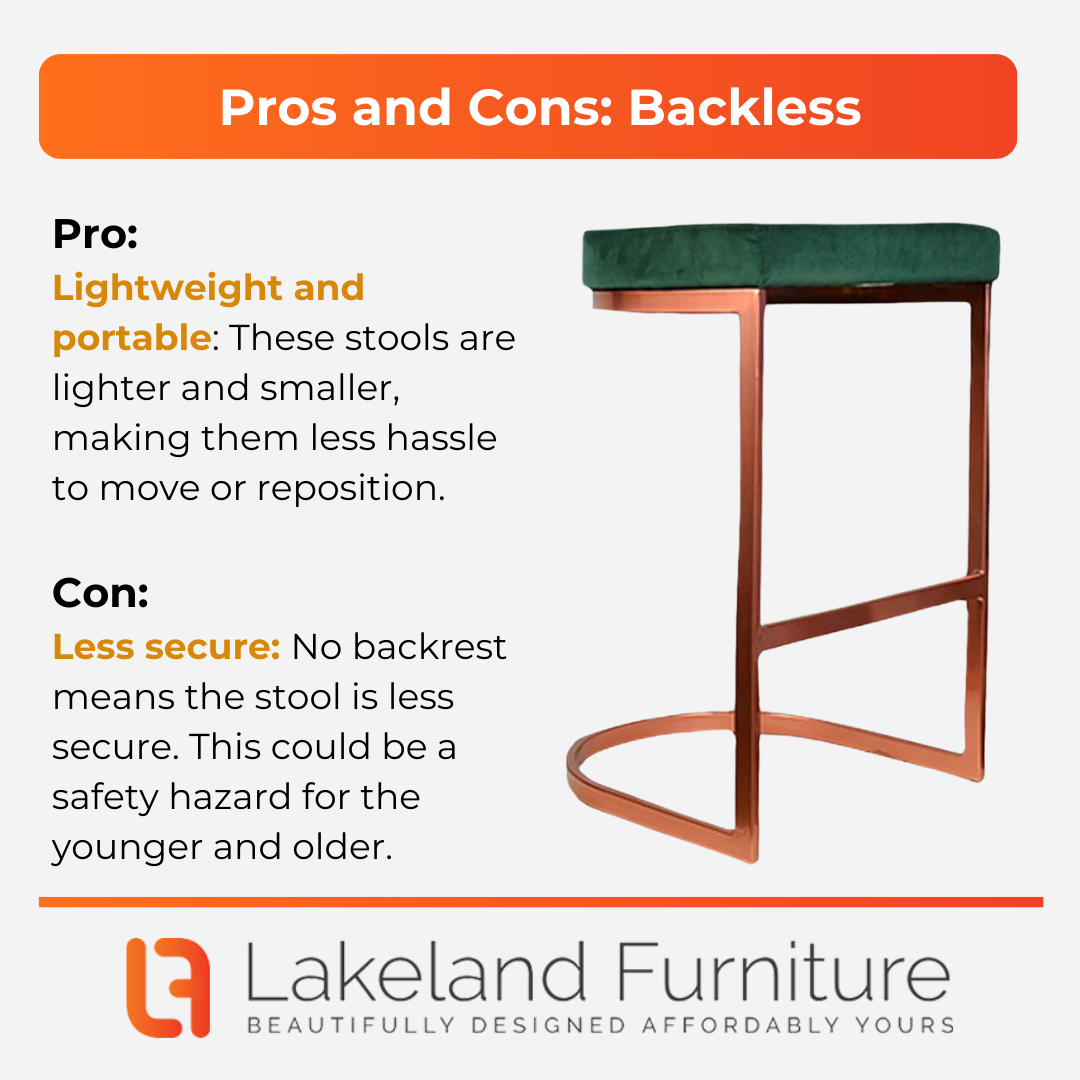
This is where bar stools no back styles often have the advantage. Without a backrest, the stool can usually slide further under the counter, which helps keep the walkway clearer when the stools are not in use. That can make a real difference in smaller kitchens and narrower breakfast bar layouts.
Backed stools take up more visual and physical space. Even a low-back design will usually sit higher and project further than a backless model. In open-plan kitchens, that can affect sightlines across the room as well as how open the island feels.
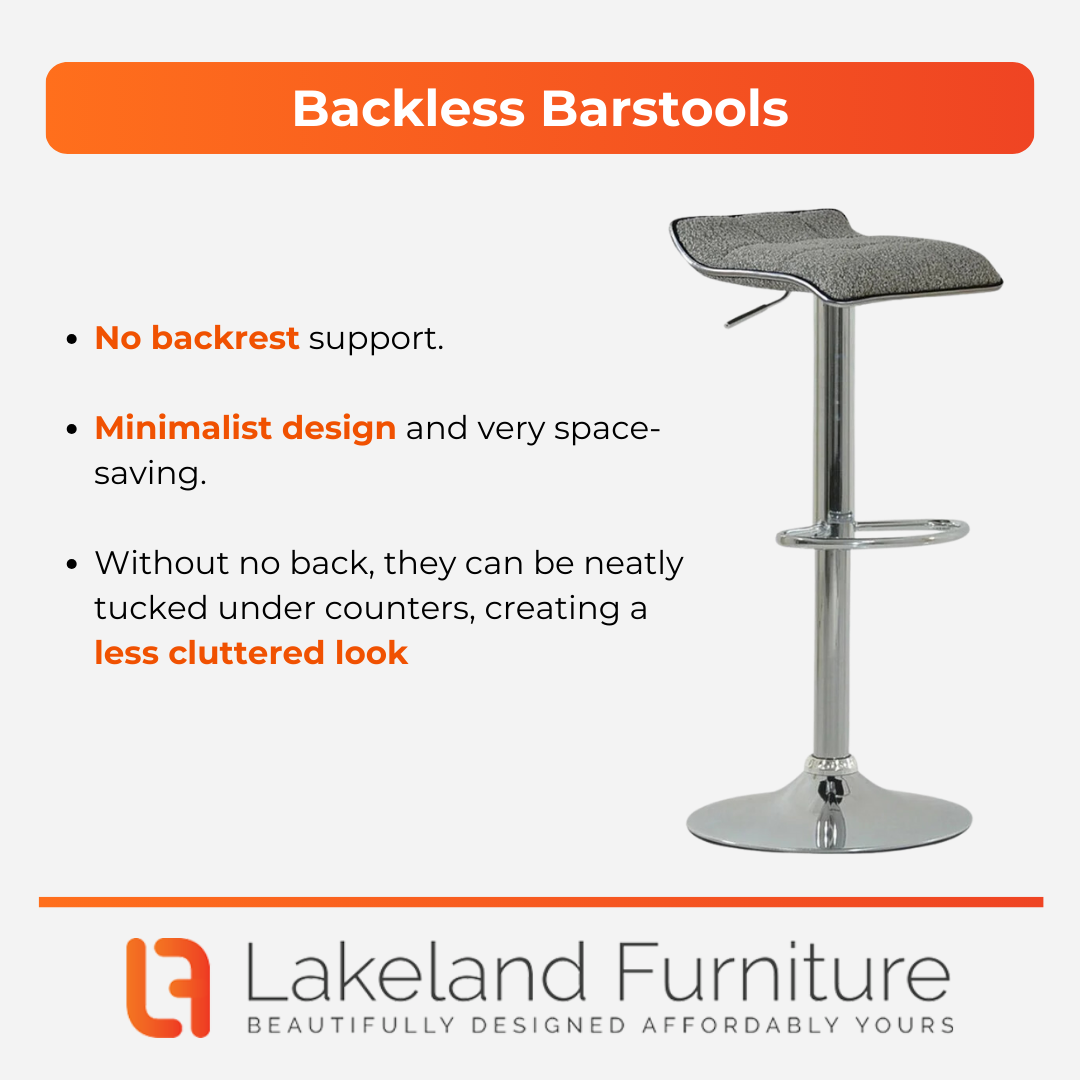
Backless stools are often better for:
- Narrow walkways
- Compact breakfast bars
- Open-plan kitchens where you want less visual bulk
- Spaces where stools need to be tucked away regularly
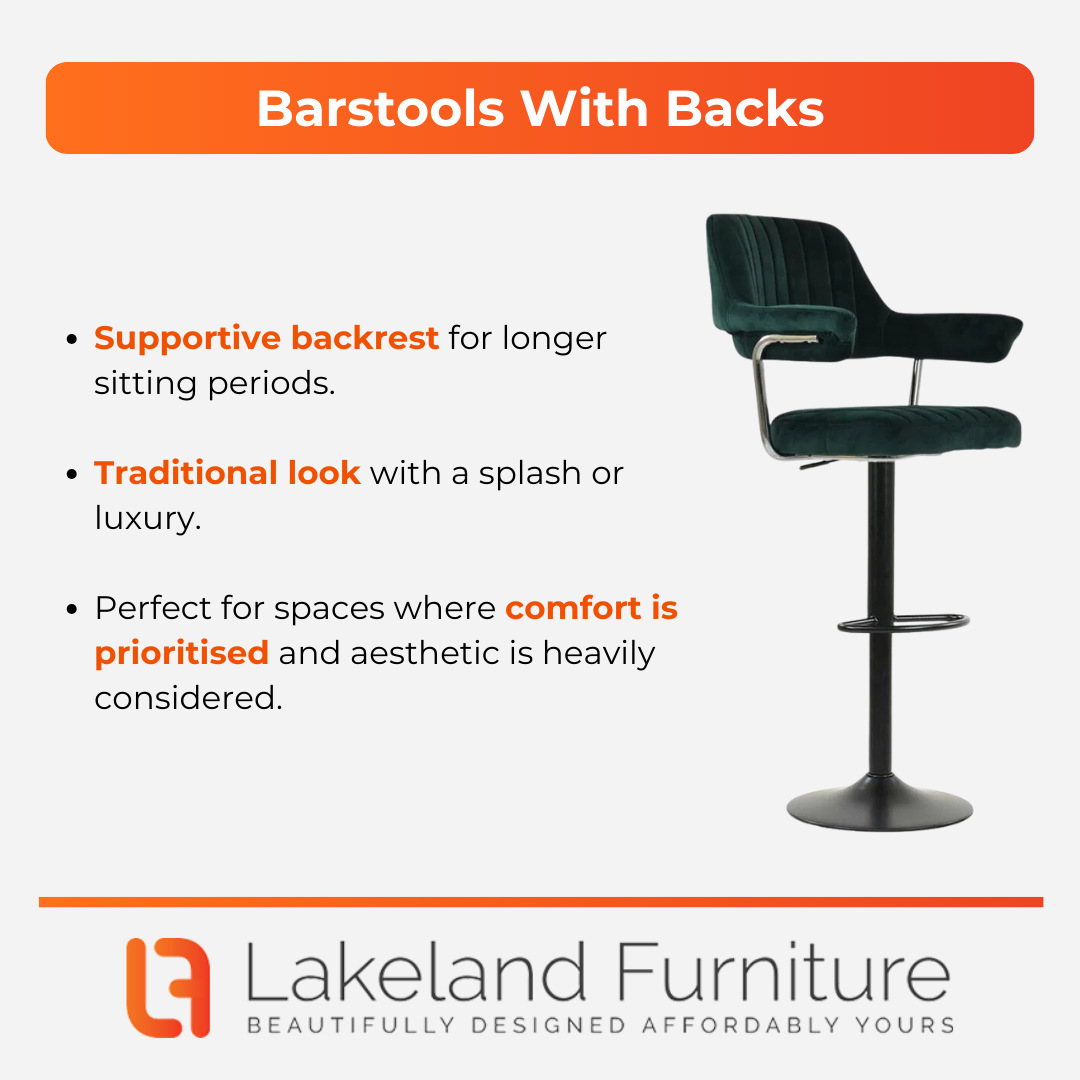
Backed stools are often better for:
- Larger islands with more room around them
- Dedicated seating zones
- Homes where the island is used like a dining space
Support, stability and who is using the stools
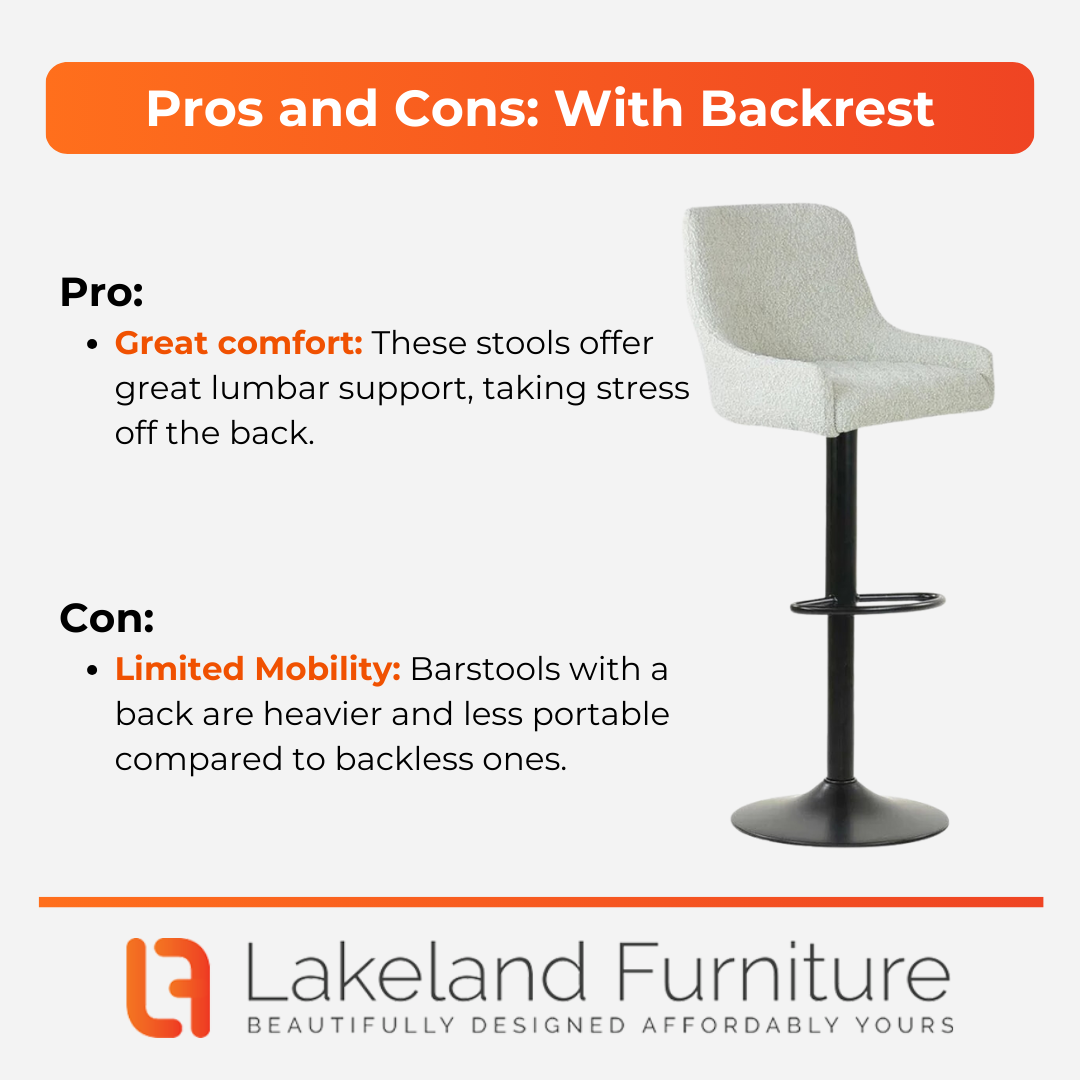
Support is not just about comfort. It also affects how secure the stool feels in daily use. Bar stools with backs can feel more stable because they give the sitter a clear seated position. That can be useful for households with children, older adults, or anyone who simply does not like perching on a stool with no upper support.
That said, a backrest is not automatically the right choice for every home. Some people prefer the freedom of movement that comes with bar stools backless designs, especially on swivel models or in social kitchen layouts where people turn in and out of conversation easily.
If function matters as much as the back style, see Swivel Vs Fixed Bar Stools.
Cleaning, maintenance and everyday practicality
Backless stools usually have fewer parts, fewer joins, and less surface area to clean. That makes them easier to wipe down, especially in busy family kitchens. If spills, crumbs, and quick clean-ups are part of daily life, simpler shapes are often easier to live with.
Bar stools with backs can still be practical, but there is more frame, more upholstery in some cases, and more edges where dust or food can collect. This does not make them a poor choice. It just means the decision is not only about looks and comfort.
Do backed stools look too bulky?
Sometimes yes, sometimes no. It depends on the room, the island size, and the stool design. High-back stools can create more of a visual barrier, especially if the island sits in the middle of an open-plan kitchen. Low-back stools are often a middle ground, giving some support without dominating the space.
Backless stools usually look lighter and simpler. That is one reason they are common in modern kitchens and smaller breakfast bar layouts. They keep the counter line more open and can make the whole area feel less crowded.
Can you mix bar stools with backs and backless stools?
Yes, in some layouts this works well. Mixing styles can make sense on larger islands, especially where one side is used more heavily than another. For example, you might use backed stools in the main seating positions and a backless stool at the end where clearance is tighter.
The key is consistency in height, finish, and overall shape. If you mix styles, they should still feel like they belong together.
Backed or backless: which is better for kitchen islands?
For most kitchen islands, the right answer depends on whether the island is mainly a quick-use surface or a proper sitting area. If it is used for everyday meals, longer chats, or work, stools with backs are usually more practical. If it is a compact island or breakfast bar where space is tight, bar stools without backs for kitchen layouts often make more sense.
This is also why there is no single “best” option for every home. The stool has to match the job it is doing. For a broader view, see Which Bar Stools Are Best For Kitchen Islands and Bar Stool Dos And Donts.
Final decision: backs vs backless barstools
When comparing backs vs backless barstools, start with how the stools will be used day to day. For shorter sits, tighter spaces, and better tuck-under behaviour, backless stools are often the more practical choice. For longer sitting, more support, and a more settled feel, bar stools with backs usually come out ahead.
The choice is less about trend and more about routine. If your seating area works like a proper part of daily life, support matters. If the stools are there for flexible, occasional use, a simpler backless design may be the better fit.
Frequently asked questions
Are bar stools with backs more comfortable?
Yes, usually. Bar stools with backs are generally more comfortable for longer sitting because they support the upper body and reduce the effort needed to stay settled on the seat.
Are backless bar stools better for small kitchens?
Often, yes. Backless stools usually tuck further under the counter and take up less visual space, which makes them useful in narrower kitchens and compact breakfast bar layouts.
Do backless bar stools look more modern?
They often do, because they have a simpler and less bulky shape. That said, style depends on the full design, not just whether the stool has a backrest.
Can I use backless stools for everyday dining?
You can, but they tend to suit shorter sitting periods better. If the island is used for regular meals, many people find stools with backs more comfortable over time.
Does a backrest affect bar stool height?
No. The right stool height is based on the distance between the seat and the worktop, not on whether the stool has a back. For that, read Bar Stools Vs Counter Stools Similarities And Differences.


Comments