
 Chat with us on WhatsApp

Castors Vs Gliders Office Chairs Difference
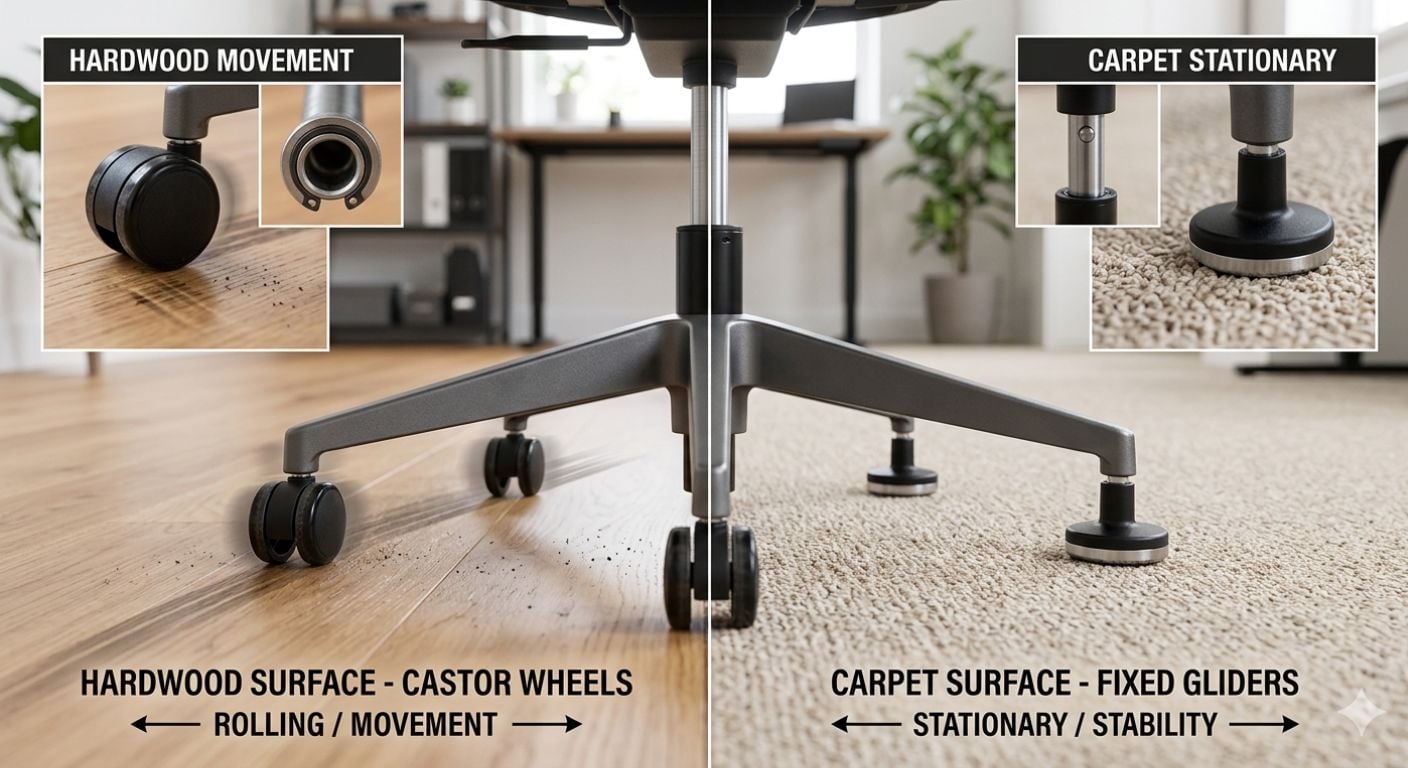
Castors and gliders change how an office chair moves, how stable it feels, and how it interacts with your flooring. Castors are wheels that allow movement across the floor, while gliders are fixed feet that keep the chair more stationary. The right option depends on the type of floor, how often you move while seated, and whether stability or mobility matters more in the workspace.
Most office chairs are supplied with castors as standard because they allow easier movement between desks, screens, and work areas. Gliders are typically used when reducing movement, improving stability, or protecting hard flooring is the priority. Understanding the difference helps avoid issues such as scratched floors, unwanted rolling, noise, or poor stability on smooth surfaces.
If you are still comparing wider office chair features, our guide to choosing an office seating setup for long-term desk use explains how movement, posture support, and chair configuration work together.
What Are Castors on an Office Chair?
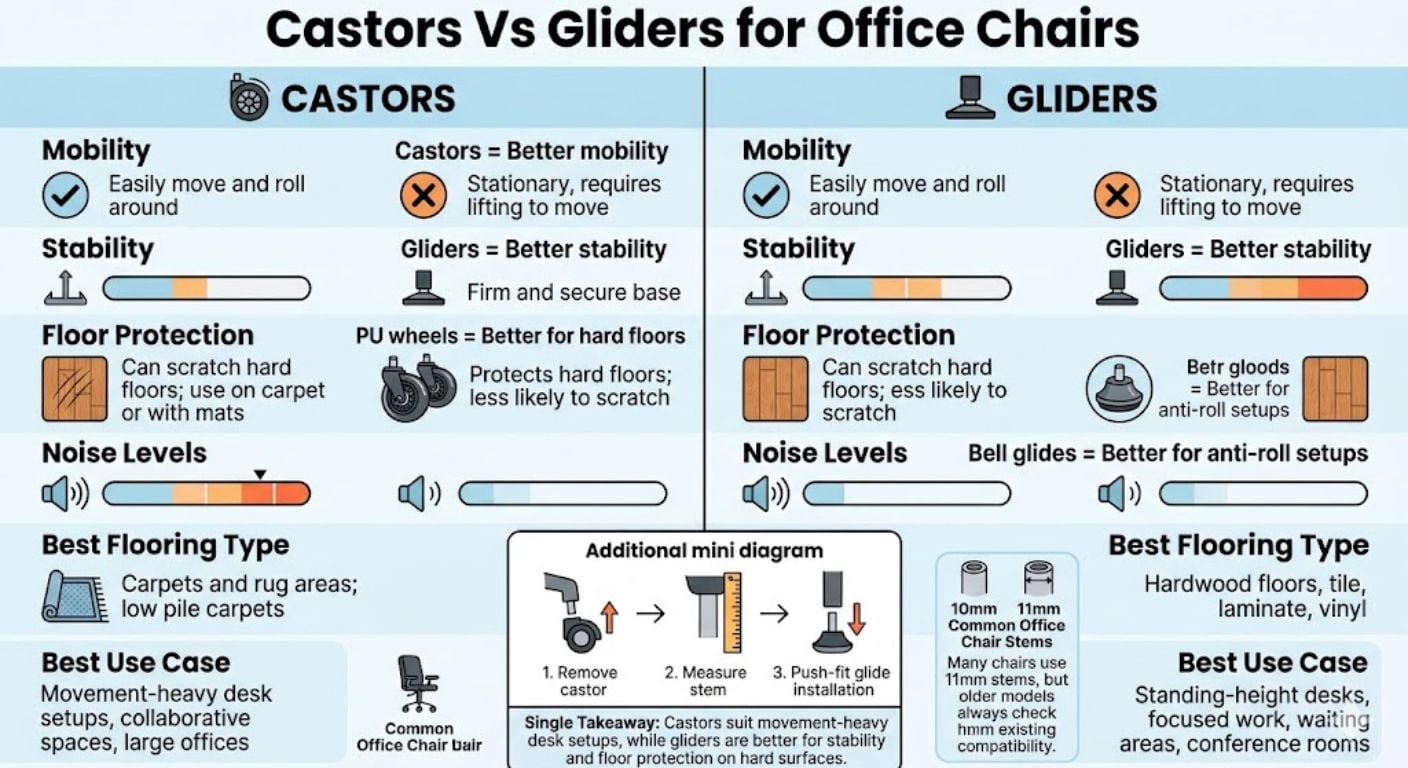
Castors are wheel units fitted to the base of an office chair. They allow the chair to roll across the floor while seated, making it easier to move between desks, drawers, and surrounding work areas without standing up.
Most office chairs use five castors attached to a star-shaped base. Standard push-fit stems are usually either 10mm or 11mm in diameter, although 11mm is the most common size in UK office seating.
Castors are normally made from:
- Nylon plastic
- Polyurethane (PU)
- Rubber-coated materials
- Dual-wheel combinations for smoother movement
Hard castors generally move more freely on carpet, while softer PU or rubber-coated castors are better suited to hard flooring such as wood, laminate, or tile.
Advantages of Castors
- Easier movement around the workspace
- Reduced need to twist or stretch while seated
- Better suited to multi-screen or shared desk layouts
- Useful for active desk environments
- Usually supplied as standard with office chairs
Disadvantages of Castors
- Can scratch hard flooring if unsuitable wheels are used
- May roll too easily on smooth floors
- Can flatten carpet pile over time
- Often noisier than gliders on tile or laminate
- Less stable for tasks requiring a fixed seating position
What Are Gliders on an Office Chair?
Gliders are fixed chair feet that replace castors. Instead of rolling, the chair remains largely stationary and moves only when physically lifted or pushed with force.
Most gliders are small rounded feet made from plastic, rubber, felt, or polyurethane. Some wider “bell glides” are designed specifically for office chairs and draughtsman chairs where additional stability is needed.
Gliders are commonly used in:
- Meeting rooms
- Reception areas
- Hard-floor home offices
- High drafting chairs
- Workspaces where movement needs to be controlled
One thing our customers often do not expect is how much chair movement changes on smooth flooring once gliders are fitted. Many switch specifically because they are tired of rolling away slightly every time they sit down.
Advantages of Gliders
- Improved stability on hard floors
- Reduced unwanted rolling
- Quieter movement
- Better floor protection when fitted correctly
- Useful for focused desk tasks
Disadvantages of Gliders
- Less mobility around the workspace
- Harder to reposition while seated
- Can drag on carpet if unsuitable materials are used
- Not ideal for users who move frequently during work
Castors Vs Gliders Comparison
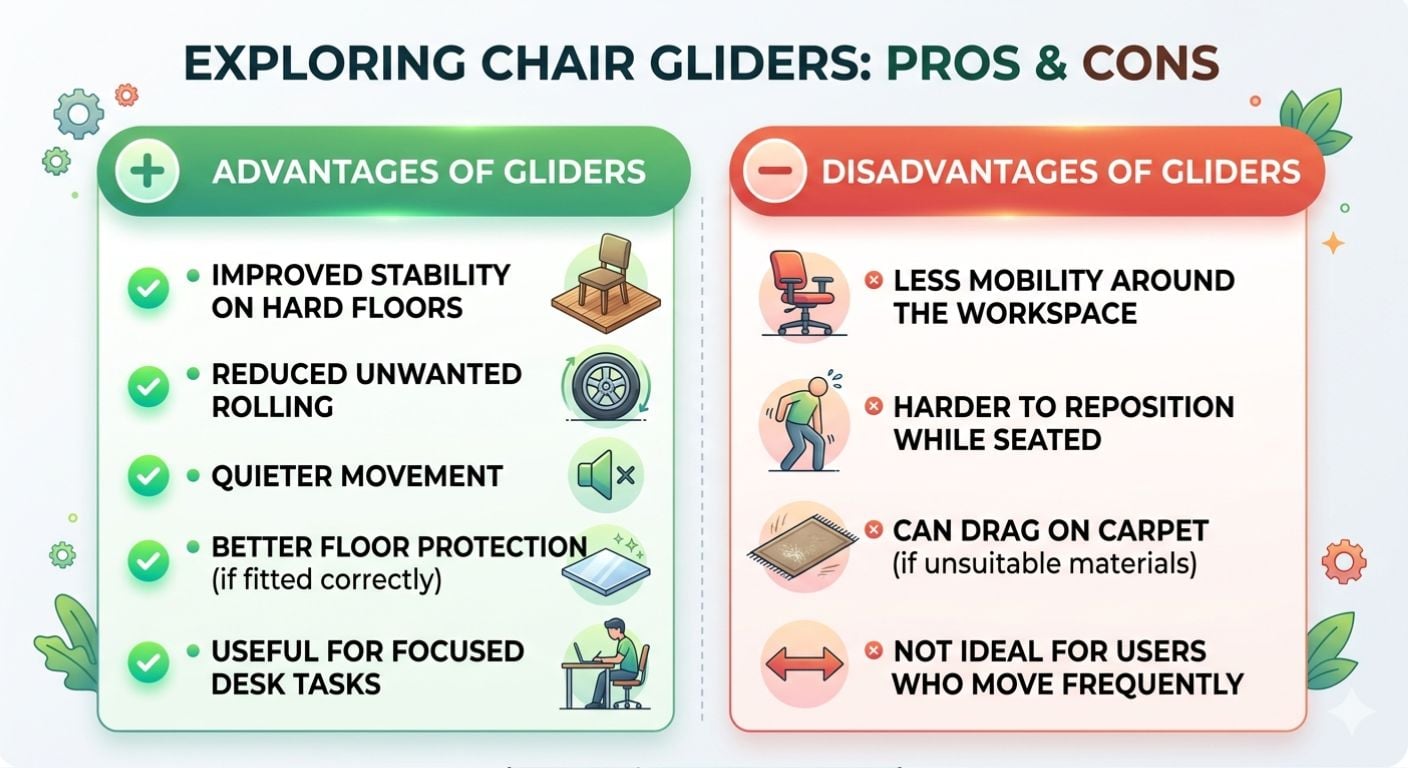
| Feature | Castors | Gliders |
|---|---|---|
| Movement | High mobility and rolling movement | Minimal movement |
| Stability | Less stable on smooth floors | More stable and fixed |
| Floor Protection | Depends on wheel material | Usually better for hard floors |
| Noise Levels | Can be noisy on tile or laminate | Generally quieter |
| Best For | Active desk work | Controlled seating environments |
| Ease of Movement | Easy to move while seated | Requires lifting or pushing |
Which Floors Suit Castors or Gliders Best?
Floor type plays a major role in deciding between castors and gliders.
Hardwood, Laminate, and Tile Floors
Gliders are often preferred on smooth hard flooring because they reduce uncontrolled movement and lower the risk of scratches. Soft PU castors can also work well, but hard nylon wheels may leave marks or create noise over time.
Rubber or polyurethane gliders generally provide the best grip on tile and laminate floors.
Carpeted Floors
Castors usually work better on carpet because gliders can create too much friction. Wider castors also spread weight more evenly across the carpet pile, helping movement remain smoother.
On thicker carpet, fixed gliders can make repositioning the chair difficult during long working sessions.
Felt Vs Plastic Glides
| Glide Material | Best Floor Type | Main Benefit |
|---|---|---|
| Felt | Hardwood and laminate | Reduces scratching and noise |
| Rubber | Tile and smooth surfaces | Improves grip and stability |
| Plastic | Low-pile carpet | More durable and lower friction |
| PU | Mixed flooring | Balanced floor protection |
The UK government’s workplace seating guidance from the Health and Safety Executive also highlights the importance of chair stability and suitability for the working environment.
Can You Replace Office Chair Wheels With Glides?
Yes. Most office chairs allow castors to be removed and replaced with gliders using the same push-fit stem connection. This is normally a simple retrofit process and usually does not require tools.
How to Install Office Chair Glides
- Turn the chair upside down on a soft surface.
- Pull each castor firmly away from the chair base.
- Check the stem diameter before buying replacements.
- Push the new glides into the base sockets.
- Place the chair upright and test stability.
The most important measurement is the stem diameter. Most UK office chairs use either 10mm or 11mm push-fit stems.
10mm Vs 11mm Office Chair Stem Compatibility
Office chair glides and castors are not fully universal. The replacement part must match the chair base stem size.
To measure correctly:
- Remove one castor from the chair
- Measure the metal stem width using a ruler or caliper
- Measure only the stem itself, not the wheel housing
- Match the replacement glide to the exact stem size
An 11mm stem will not fit properly into a 10mm socket, and forcing the fit can damage the chair base.
When Gliders Make More Sense Than Castors
Gliders are usually the better option when:
- The chair sits on hardwood or tile flooring
- You want less movement while seated
- The chair is used for meetings or occasional desk work
- Stability matters more than mobility
- You are using a taller draughtsman-style chair
Users who struggle with chairs drifting backwards on smooth floors often find gliders noticeably more comfortable for focused desk tasks.
When Castors Are the Better Choice
Castors remain the better option when:
- You move frequently around the desk
- The workspace has carpet flooring
- You switch between multiple screens or workstations
- The chair is used for long daily office sessions
- You need smoother seated movement
If wider chair movement and workspace access are priorities, castors generally create a more practical working setup than fixed glides.
For users comparing other movement-related chair features, our guide to swivel vs fixed office chairs explains how rotational movement affects usability and positioning.
Frequently Asked Questions
What is a chair glide?
A chair glide is a fixed foot fitted to the base of a chair instead of a wheel. It allows limited movement across the floor while keeping the chair more stable and stationary than castors.
Do gliders stop office chairs rolling?
Yes. Gliders are designed to prevent uncontrolled rolling on smooth floors such as tile, laminate, and hardwood. They keep the chair more secure during seated use.
Can office chair wheels damage hardwood floors?
Yes. Hard nylon castors can scratch or mark hardwood floors over time, particularly if dirt becomes trapped in the wheel housing. Softer PU wheels or gliders are generally safer for delicate flooring.
Are gliders better for heavy users?
In some cases, yes. Wider bell glides can improve stability and reduce unwanted movement under heavier loads. However, the chair base itself must still meet the required weight capacity.

Final Thoughts
Castors and gliders solve different problems. Castors prioritise movement and flexibility, while gliders focus on stability, floor protection, and controlled positioning. The best choice depends on the flooring, workspace layout, and how the chair is used during the day.
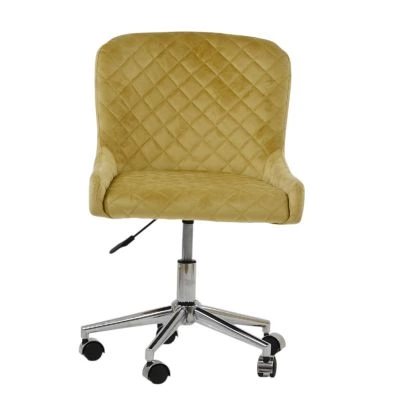
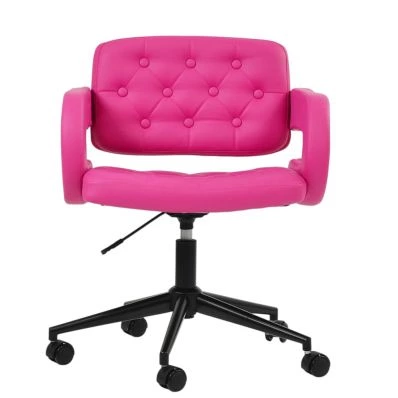
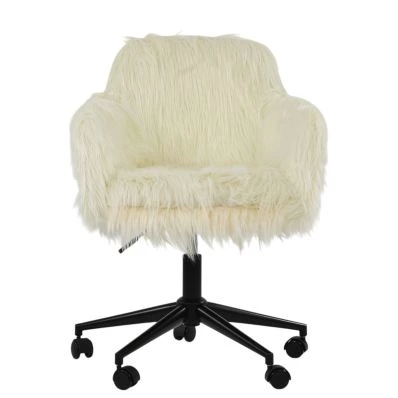
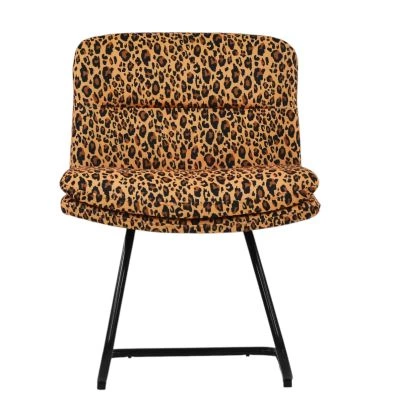
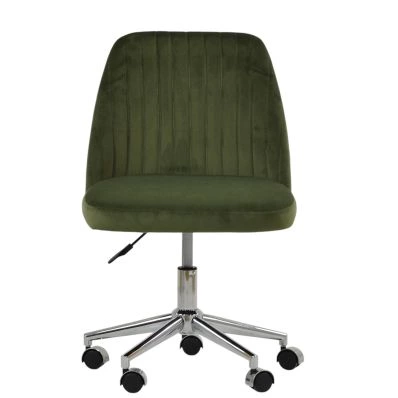
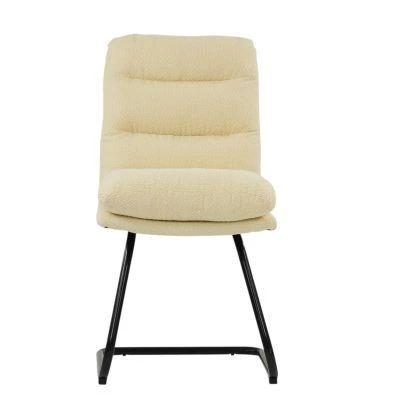
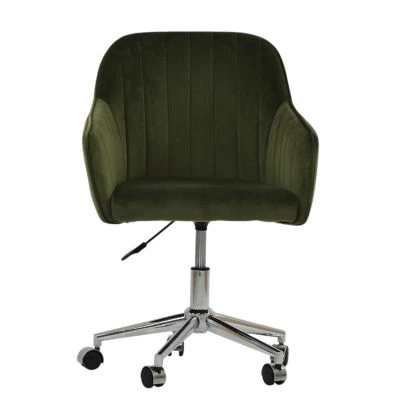
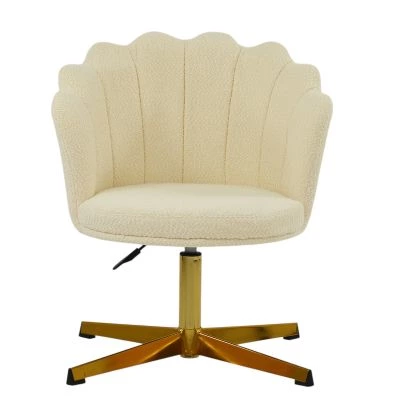
If you are comparing seating options more broadly, our office chair range includes swivel, fixed-base, wheeled, and stationary seating designed for different workspace layouts and floor types.


Comments