
 Chat with us on WhatsApp

Creating A Modern Home Office With Stylish Office Chairs
A modern home office needs to work as part of the home, but it still has to support proper working habits. The main challenge is choosing furniture that looks suitable in a living space without sacrificing comfort, posture, desk fit, or daily practicality.
This guide explains how to build a modern home office around the right chair, desk position, lighting, storage, colour, and space planning. It focuses on practical decisions rather than decorative trends, so you can choose an office chair that suits the room, supports the way you work, and avoids common buying mistakes.
The goal is simple: a workspace that looks considered, feels comfortable, and functions properly for daily use.
What Makes A Modern Home Office Work?
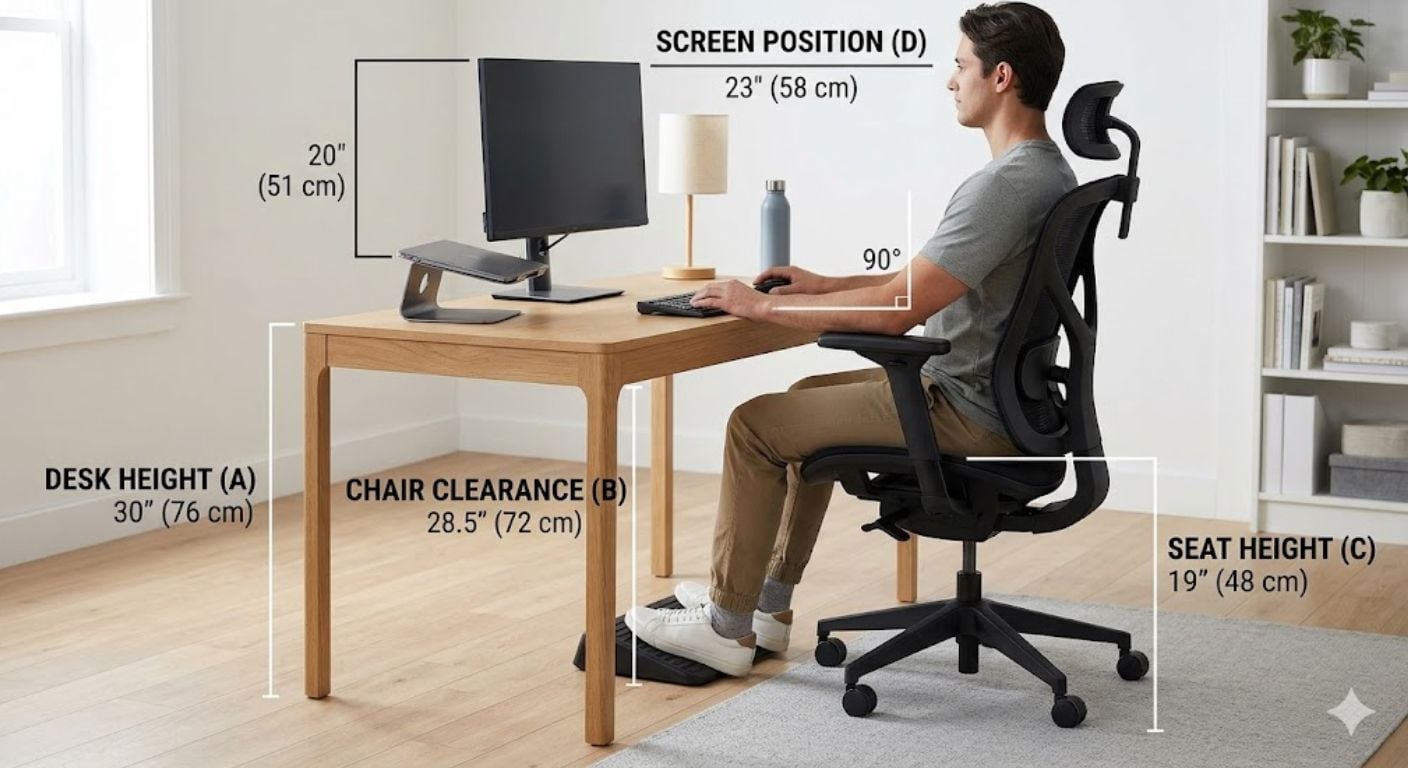
A modern home office works when the chair, desk, lighting, storage, and room layout support the same purpose. Style matters, but it should not come before fit. A good setup gives you enough working space, keeps your posture comfortable, reduces clutter, and allows the chair to move properly without making the room feel crowded.
The essential elements are:
- A desk with enough depth for your screen, keyboard, and forearms
- A chair that fits your body and working pattern
- Task lighting that does not create glare on the screen
- Storage that keeps work items off the desk surface
- Enough clearance behind the chair to sit, move, and stand comfortably
For most home offices, the chair is the hardest part to get right. Desks are usually fixed by room size, but the chair has to match your height, your desk, the floor surface, the room style, and how many hours you sit each day.
Start With The Chair, Not The Decor
The office chair affects comfort more than any other item in the room. A stylish office chair should still support your sitting position, allow your feet to rest flat, and let your arms reach the desk without shoulder strain. If the chair is chosen only for appearance, the whole setup can feel wrong even if the room looks finished.
Before choosing colour, fabric, or leg style, check the practical basics:
- Seat height: your feet should rest flat on the floor or a footrest.
- Desk relationship: your elbows should sit close to desk height when typing.
- Back support: the backrest should support the natural curve of your lower back.
- Seat width: there should be enough room to sit without the sides pressing into your hips.
- Movement: the chair should suit the floor, desk, and available space.
For a wider view of styles, sizes, and finishes, Lakeland’s office chairs range gives useful comparison across upholstered, leather-look, velvet, fabric, and chair styles designed for home working spaces.
How To Choose A Home Office Chair
Choose a home office chair by matching the chair to your desk height, sitting time, room size, floor type, and preferred style. The best option is not always the most padded chair. A chair needs enough support to keep you comfortable without forcing your body into a fixed or awkward position.
- Check your desk height. Most desks are around 72cm to 76cm high.
- Measure your sitting position. Your elbows should rest close to a 90-degree angle when typing.
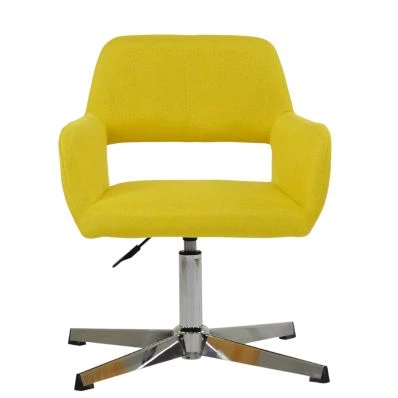
- Choose the right base. Castors suit movement; fixed legs suit calmer rooms and hard floors.
- Match the material to daily use. Fabric, velvet, mesh, and faux leather all behave differently.
- Check the room style last. The chair should look right, but only after the fit works.
If the chair will be used for a full working day, avoid choosing purely by softness. A very soft seat can feel comfortable at first, but it may allow the hips to sink too far. That can make the sitting position less stable over time.
For a deeper fit-based buying process, use Lakeland’s guide on how to choose an office chair rather than relying on product photos alone.
Stylish Office Chairs That Still Work For Daily Use
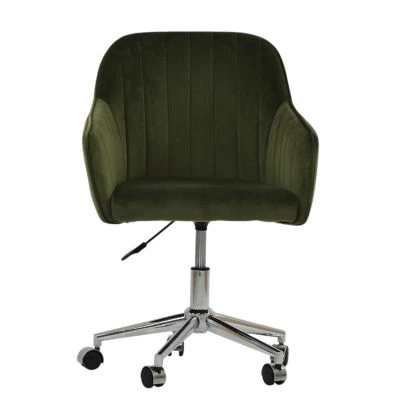
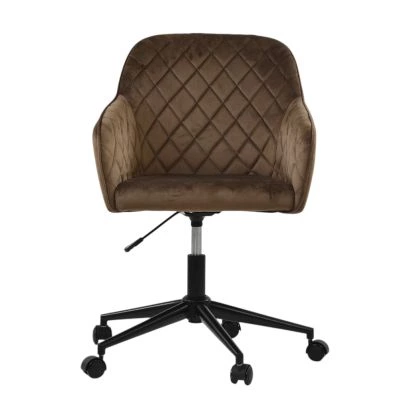
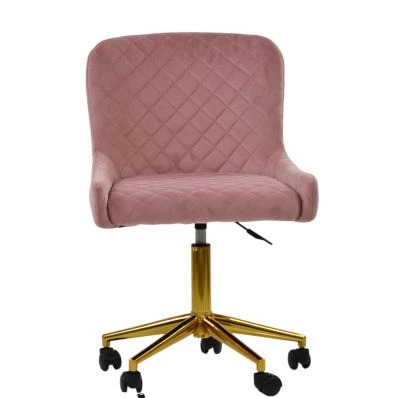
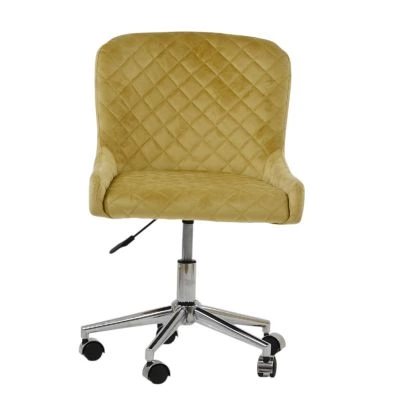
A stylish office chair for a modern home office should look less corporate while still giving enough comfort for the way it will be used. Upholstered chairs, leather-look chairs, velvet chairs, and softer home-style designs can work well when the seat height, backrest, and proportions are suitable.
The main mistake is treating “stylish” and “supportive” as separate choices. A chair can look suitable in a bedroom, living room, study, or open-plan space, but it still needs to function as a working chair.
| Chair Style | Best For | Watch Out For |
|---|---|---|
| Fabric office chair | Soft, neutral home office setups | May need more regular vacuuming |
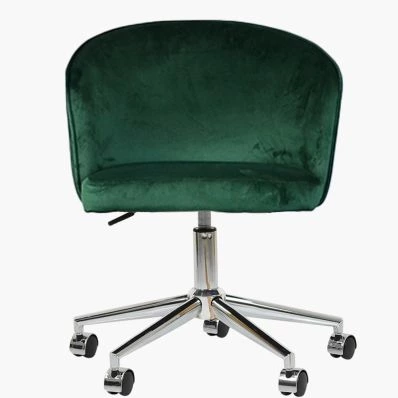
| Velvet office chair | Bedrooms, dressing rooms, and softer interiors | Pile movement and pressure marks |
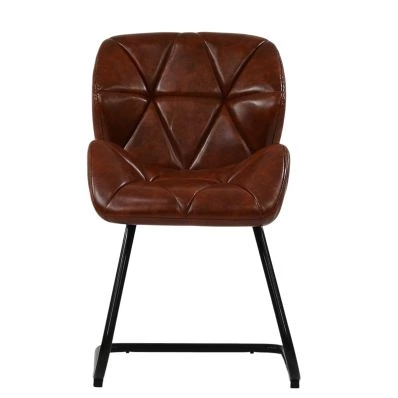
| Leather-look office chair | Easy cleaning and a more structured look | Can feel warmer during long sitting periods |
| Mesh office chair | Breathability and longer working sessions | Can look more office-focused |
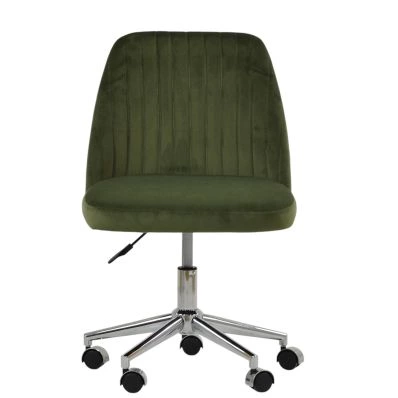
| Office chair without wheels | Calmer rooms, dressing tables, and hard floors | Less practical if you move around the desk often |
One thing our customers often underestimate is how much the base changes the feel of a room — wheels can make a chair more practical, but fixed legs often look better in bedrooms and shared living spaces.
Measure The Space Before Choosing The Chair
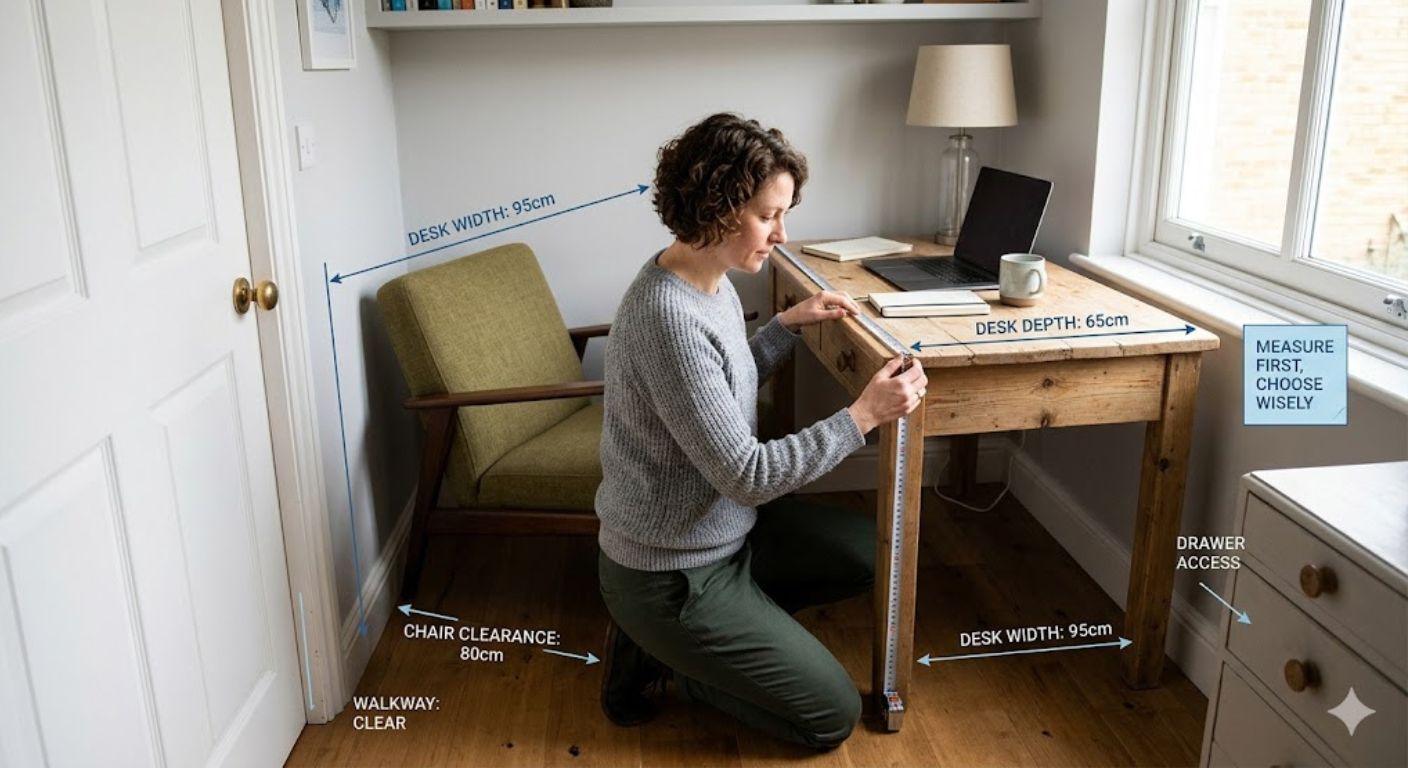
Measure the desk width, desk depth, chair width, and clearance behind the chair before buying. A chair that looks right online can feel too large if there is not enough room to pull it out, swivel, or move around it safely.
Use these measurements as a practical guide:
- Desk width: allow at least 90cm for a compact working area.
- Desk depth: 50cm is tight; 60cm to 70cm is more comfortable for screen work.
- Chair clearance: allow around 75cm behind the desk where possible.
- Side clearance: leave enough space for elbows, arms, and chair movement.
- Walkway space: avoid blocking doors, wardrobes, drawers, or cupboards.
Small home offices need tighter planning. If the room is narrow, avoid oversized executive-style chairs unless the desk area has enough depth. In a bedroom office or alcove, a compact upholstered chair may be more practical than a large high-back design.
For very simple workstations, a chair without wheels can make the space feel less like a traditional office, especially where the desk is part of a bedroom, landing, or dressing area.
Choosing Colours For A Modern Home Office
Choose chair colour by looking at the room first, not the chair in isolation. Neutral colours are easier to blend into existing interiors. Stronger colours can work well, but they should connect with something already in the room, such as wall colour, flooring, desk finish, curtains, or accessories. If you are unsure which colour works best in a home office, our guide on office chair colours and how to choose the right colour for your home office explains how different shades affect the look and feel of a workspace, from neutral tones to bolder statement colours.
Good modern home office colour choices include:
- Black: structured, practical, and easy to pair with metal or dark desks.
- Grey: neutral and flexible for most home office styles.
- Cream or beige: softer and better for bedrooms or light interiors.
- White: clean and bright, but less forgiving in busy homes.
- Pink, blue, or green: useful as a controlled accent rather than a full-room theme.
If you are choosing a chair mainly because of colour, make sure the chair still suits the desk and sitting time. A colour-led chair that is too low, too deep, or too wide will not feel right in daily use.
For more detailed colour guidance, see Lakeland’s guide to picking the right office chair colour. If you are specifically considering a light chair, the guide on how to style a white office chair explains where white works well and where it can be harder to maintain.
Modern Office Chair Materials Compared
Material affects comfort, cleaning, durability, and how formal the chair looks. The right material depends on how often the chair is used, whether the room gets warm, whether pets or children use the space, and how much maintenance you are willing to accept.
| Material | Strength | Best Use | Practical Note |
|---|---|---|---|
| Fabric | Soft and versatile | Everyday home offices | Needs regular cleaning to manage dust and marks |
| Velvet | Soft appearance and colour depth | Bedrooms and occasional workspaces | Can show pile movement and pressure marks |
| Faux leather | Easy to wipe clean | Busy homes and practical workspaces | Less breathable than fabric or mesh |
| Mesh | Breathable and supportive | Longer work sessions | Usually looks more task-focused |
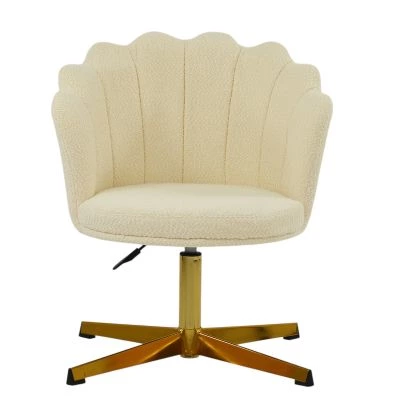
| Boucle | Textured and soft-looking | Decor-led home offices | Can catch crumbs, dust, and pet hair more easily |
For a modern home office, fabric and leather-look chairs are usually the safest all-round options. Velvet and boucle can work well where appearance is important, but they need more care. Mesh is often the strongest practical choice for longer sitting periods, but it may not blend as naturally into softer home interiors.
How To Make A Small Home Office Work
A small home office works best when the desk, chair, and storage are scaled to the space. Use a compact desk, avoid oversized chair arms, keep storage vertical, and leave enough clearance to move the chair properly. The smaller the room, the more important accurate measurement becomes.
Good small-space options include:
- A slim desk in an alcove
- A floating desk where floor space is limited
- A compact chair without bulky arms
- Wall shelves instead of floor-standing storage
- A chair that tucks under the desk when not in use
If your desk sits in a bedroom or living room, avoid making the office area visually heavier than the rest of the room. A chair with a softer fabric, lighter colour, or simple base can help the workspace feel less intrusive.
For a more restrained setup, Lakeland’s guide to choosing office chairs for a minimalist workspace gives more focused guidance on cleaner layouts and reduced visual clutter.
Desk Position, Lighting, And Screen Setup
Place the desk where you can work without screen glare, cramped movement, or constant distraction. Natural light is useful, but the screen should not face strong direct sunlight. Good lighting should support the desk surface without reflecting into your eyes or onto the monitor.
Use these rules:
- Place the screen at roughly eye level where possible.
- Keep the keyboard and mouse close enough that your shoulders stay relaxed.
- Avoid sitting with your back directly to a bright window during video calls.
- Use a desk lamp if the room lighting is behind you or too soft.
- Keep cables away from chair wheels and walkways.
The UK Health and Safety Executive provides practical guidance on working safely with display screen equipment, including workstation setup and assessment for people who use screens regularly: HSE display screen equipment guidance.
For home use, the same principle applies even when the setup is not a formal workplace. The chair, desk, screen, keyboard, and lighting should work together rather than being treated as separate items.
Storage And Clutter Control
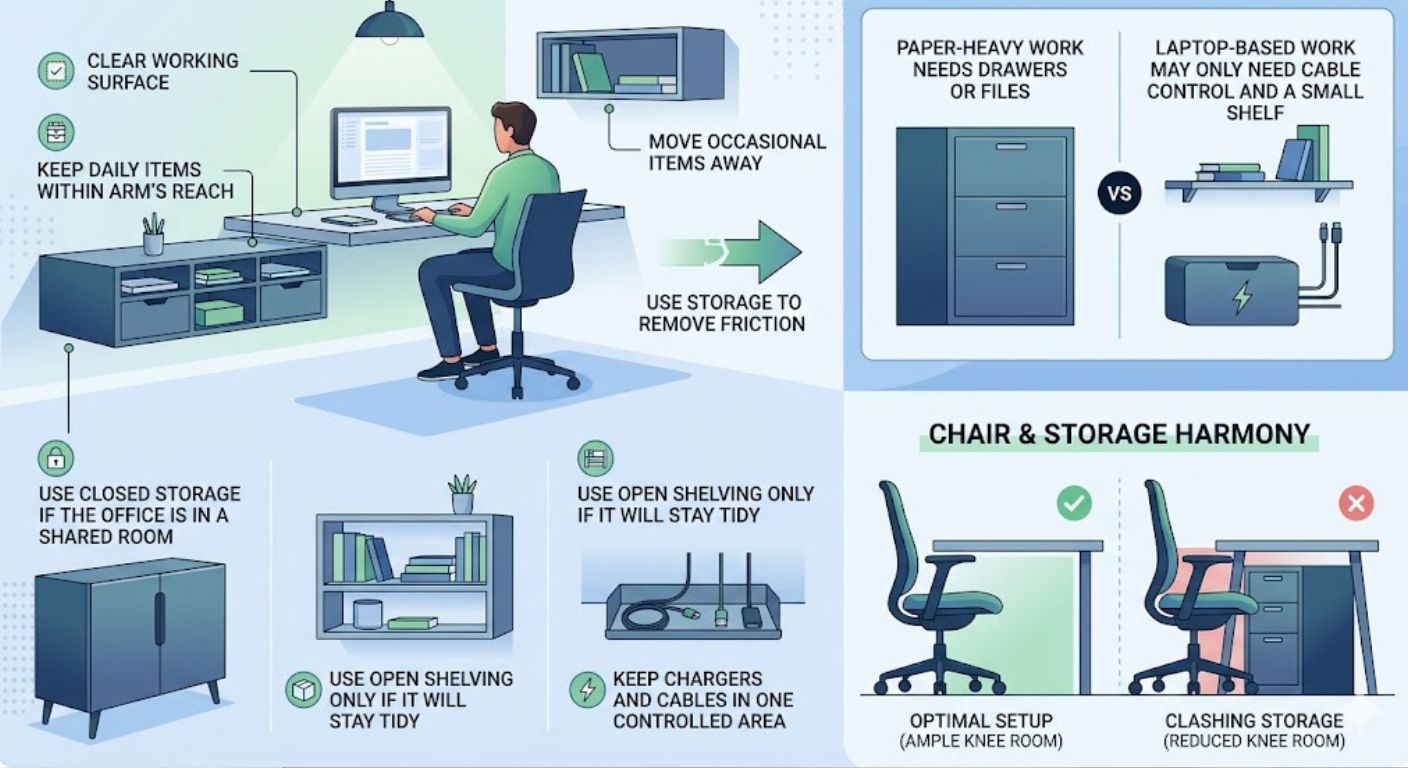
A modern home office should keep the working surface clear enough to use comfortably. Storage does not need to be large, but it needs to match the type of work you do. Paper-heavy work needs drawers or files. Laptop-based work may only need cable control and a small shelf.
Use storage to remove friction from the working day:
- Keep daily items within arm’s reach.
- Move occasional items away from the desk surface.
- Use closed storage if the office is in a shared room.
- Use open shelving only if it will stay tidy.
- Keep chargers and cables in one controlled area.
Storage also affects how the chair works. Filing cabinets, drawers, and desk legs can all reduce knee room. Before buying a larger chair, check that the chair arms, seat, and base will not clash with storage under or beside the desk.
Decision Logic: Which Office Chair Should You Choose?
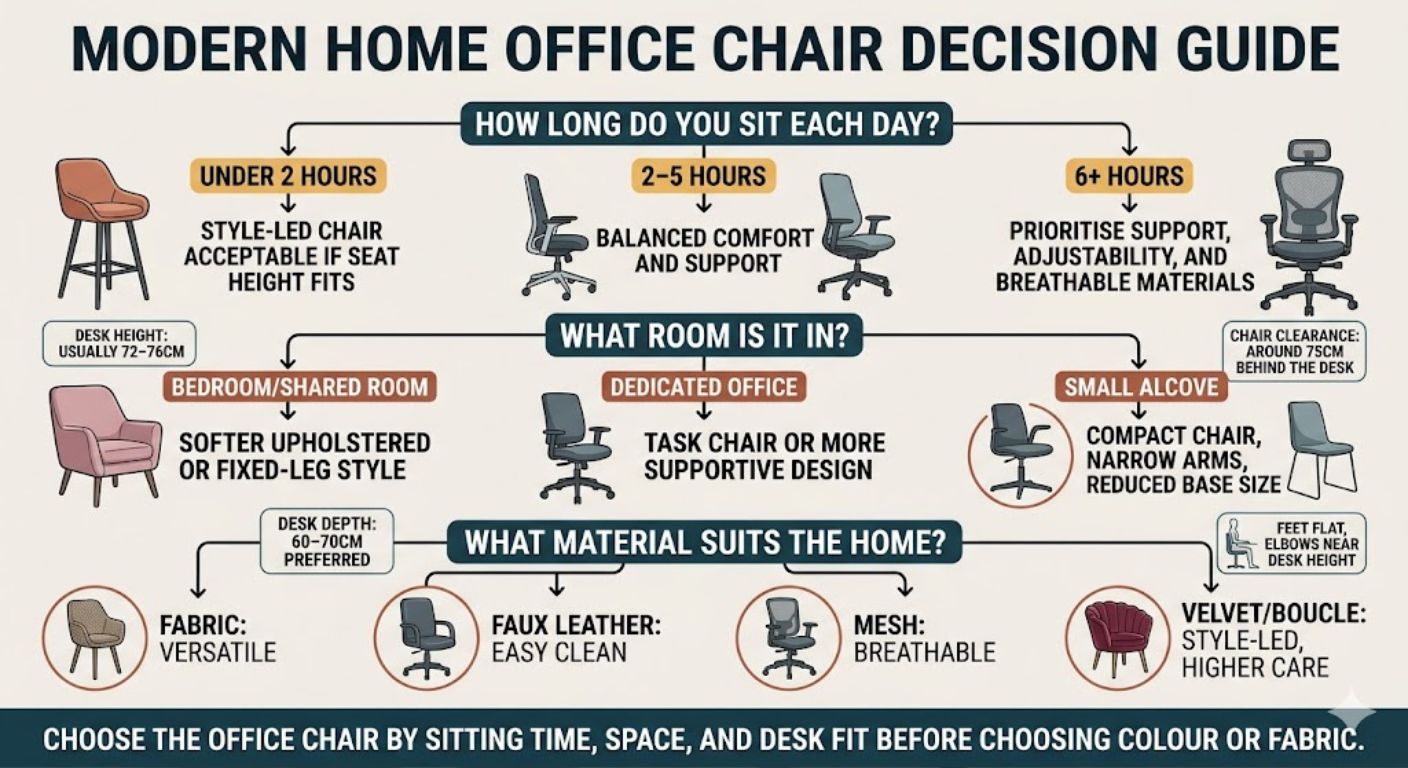
Use the room, desk, and sitting time to narrow the choice. If you work long hours, prioritise adjustability and support. If the chair sits in a bedroom or living room, choose a style that blends with the room but still fits your desk height. If space is limited, avoid large bases, wide arms, and deep seats.
- If you work 6–8 hours a day, choose a chair with strong support, a suitable seat height range, and enough backrest comfort for longer sessions.
- If the office is in a bedroom, choose a softer upholstered design or a chair without wheels if you do not need frequent movement.
- If the room is small, choose a compact chair that can tuck close to the desk.
- If the floor is carpeted, check whether the base will move easily or whether a mat is needed.
- If the chair is used occasionally, style can carry more weight, but basic seat height still matters.
- If the chair is used for video calls, consider how the colour and backrest shape appear in the room.
- If pets or children use the room, avoid delicate materials that mark easily or trap hair.
The simplest rule is this: choose for fit first, comfort second, and appearance third. A chair that gets all three right will usually work better than one chosen only because it matches the room.
Common Mistakes To Avoid
The most common mistakes are choosing a chair that is too large, too low, too soft, or too decorative for the way it will be used. Most issues can be avoided by measuring the desk, checking seat height, and being realistic about sitting time before buying.
- Choosing by photo only: product images do not show whether the chair suits your desk height.
- Ignoring chair clearance: a chair needs room behind it to move properly.
- Buying too much padding: very soft seats are not always better for longer sitting.
- Forgetting the floor type: wheels behave differently on carpet, hard floors, and rugs.
- Choosing a light fabric for heavy use: pale upholstery needs more maintenance.
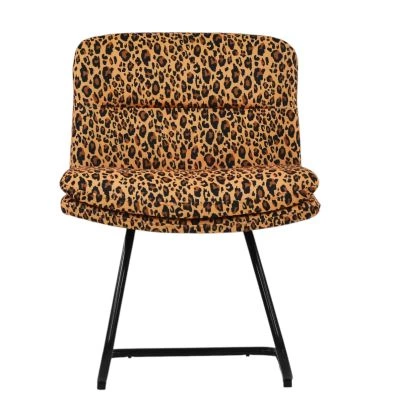
- Using a dining chair all day: dining chairs are not usually designed for long desk work.
Where Lakeland Office Chairs Fit In
Lakeland’s office chair range is useful when you need a chair that suits a home setting rather than a purely corporate workspace. The range includes practical desk chairs, upholstered styles, leather-look options, fabric finishes, velvet chairs, chairs with arms, and chairs without wheels.
The main buying decision is not whether the chair is modern. It is whether the chair suits the room, desk, sitting time, and daily use. Once those points are clear, style becomes much easier to choose.
You can compare the full office chair collection by finish, shape, colour, and base style to find a chair that fits both the workspace and the home.
Frequently Asked Questions
What are the essential elements of a home office?
The essential elements are a suitable desk, a comfortable office chair, task lighting, storage, and enough clearance to move properly. The chair and desk should be measured together so your elbows, feet, and screen position feel natural during work.
How much space do you need for a home office?
A compact home office can work with a desk around 90cm wide and 50cm to 60cm deep, but more space is better for daily use. Allow around 75cm behind the chair where possible so you can sit down, stand up, and move safely.
Where is the best place to put a desk in a home office?
The best place is usually where the desk has good light, low glare, and enough chair clearance. Avoid placing the screen directly opposite strong sunlight. If the office is in a shared room, position the desk where cables, drawers, and chair movement do not block the room.
Should a desk face the window or away?
A desk can face a window if glare is controlled and the screen remains easy to see. Side-on natural light is often better because it brightens the workspace without shining directly into your eyes or onto the screen.
How do I make a home office look modern?
Keep the layout simple, choose a chair that fits the room, use controlled storage, and avoid mixing too many finishes. A modern home office usually works best when the chair, desk, lighting, and storage look coordinated but still remain practical.
What colour office chair is best for a home office?
Grey, black, cream, beige, and white are the easiest colours to use in most home offices. Stronger colours such as pink, blue, or green can work well if they connect with existing room details rather than standing alone.
Are stylish office chairs comfortable?
Some stylish office chairs are comfortable, but appearance alone is not enough. Check seat height, backrest shape, seat depth, material, and base style. A good home office chair should look suitable in the room and still support the way you work.
Is a soft office chair better for long hours?
Not always. A soft chair can feel comfortable at first, but too much softness may let the hips sink and reduce support. For longer working sessions, look for balanced cushioning, a supportive backrest, and a seat that keeps your position stable.
What type of office chair is best for a small room?
A compact chair with a narrower seat, lower visual profile, and simple base is usually best for a small room. Avoid oversized backs, wide arms, and bulky bases unless the desk area has enough clearance around it.
Can I use a dining chair as an office chair?
A dining chair can work for short laptop sessions, but it is not usually the best choice for daily desk work. Most dining chairs lack height adjustment, movement, and back support designed for longer working periods.
-
-
-
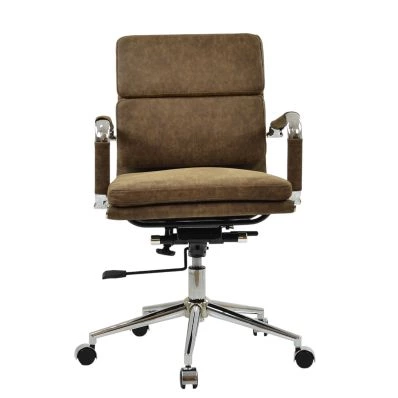 Chester Office Chair in Aged Brown LeatherSpecial Price £129.99 Regular Price £179.99 Original price 28% Inc VATSaving £50
 -
-
-
-
-
-

-
-
-
Structured Summary
- Measure first: check desk height, desk depth, chair width, and clearance before choosing.
- Use the chair properly: feet should rest flat, elbows should sit close to desk height, and the backrest should feel supportive.
- Allow movement: aim for around 75cm behind the chair where possible.
- Match material to use: fabric is versatile, faux leather is easy to clean, mesh is breathable, and velvet is more appearance-led.
- Choose colour last: the chair must fit the desk and room before colour becomes the deciding factor.
- Avoid common mistakes: do not buy by appearance alone, ignore clearance, or choose excessive softness for long working days.
- Decision shortcut: long hours need support; small rooms need compact proportions; shared rooms need calmer styling.
For most modern home offices, the right chair is the one that balances fit, comfort, and appearance without making the workspace harder to use. Lakeland’s office chairs range gives a practical starting point for comparing home-friendly styles across different materials, colours, and base types.


Comments