
 Chat with us on WhatsApp

Dining Chair Leg Styles: Different Designs and Their Impact on Stability
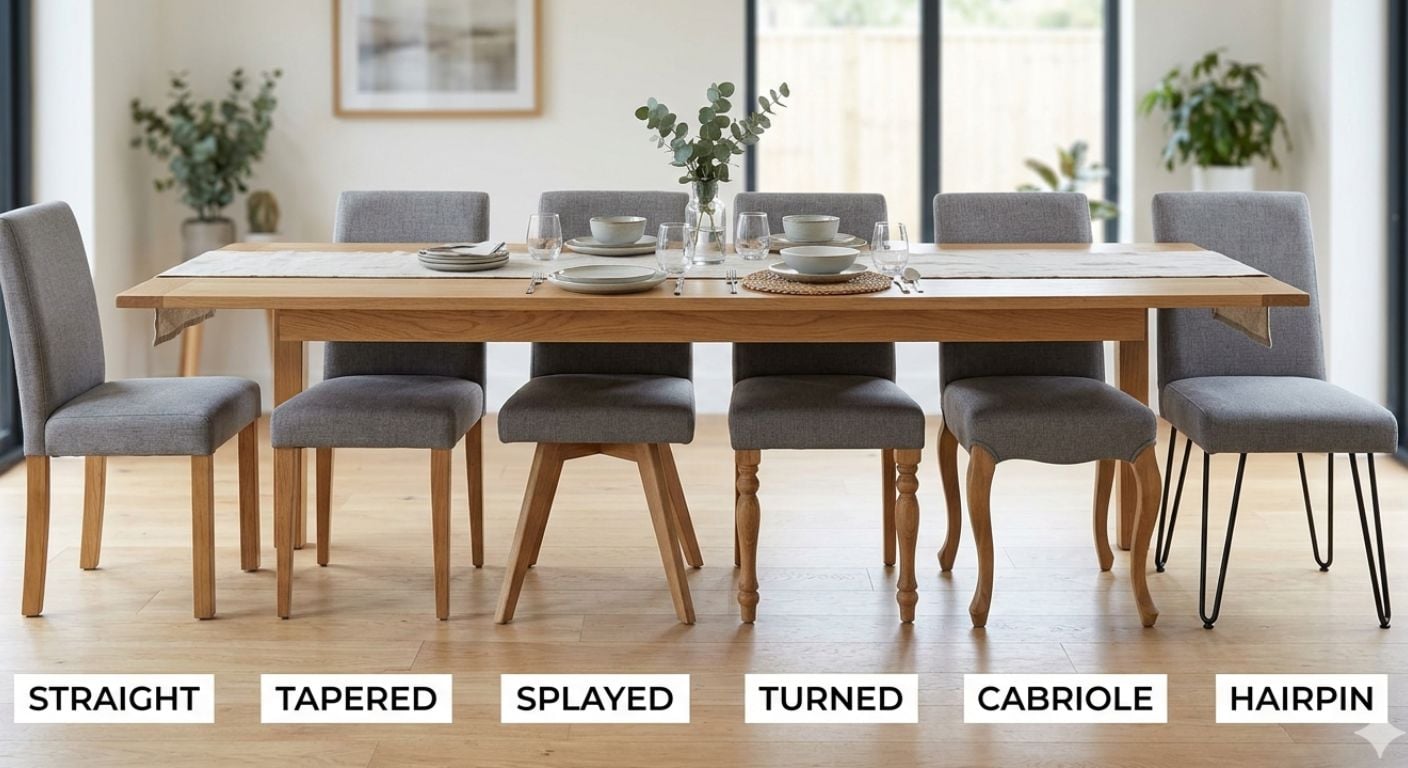
Dining chair leg styles affect more than appearance. The shape, angle, material, and construction of the legs all influence stability, floor clearance, visual weight, and how a chair fits into the wider dining space. Some leg styles are designed for maximum rigidity and daily use, while others prioritise lighter visual balance or a more decorative look.
When comparing dining chair styles, the legs are often one of the first structural differences buyers notice. Straight and tapered legs tend to suit modern interiors and smaller dining rooms, while turned and cabriole legs lean more traditional. Leg design also affects how stable a chair feels on uneven flooring and how easily it slides under a dining table.
This guide breaks down the most common dining chair leg styles, explains how they impact stability and room layout, and outlines where each style works best. For a broader overview of chair shapes and layouts, see our guide to dining chair styles.
Common Types of Dining Chair Legs
The most common dining chair leg styles used across modern and traditional dining furniture include:
- Straight legs
- Tapered legs
- Splayed legs
- Turned legs
- Cabriole legs
- Hairpin legs
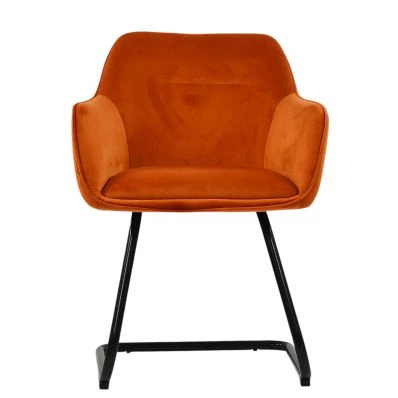
- Sled or cantilever legs
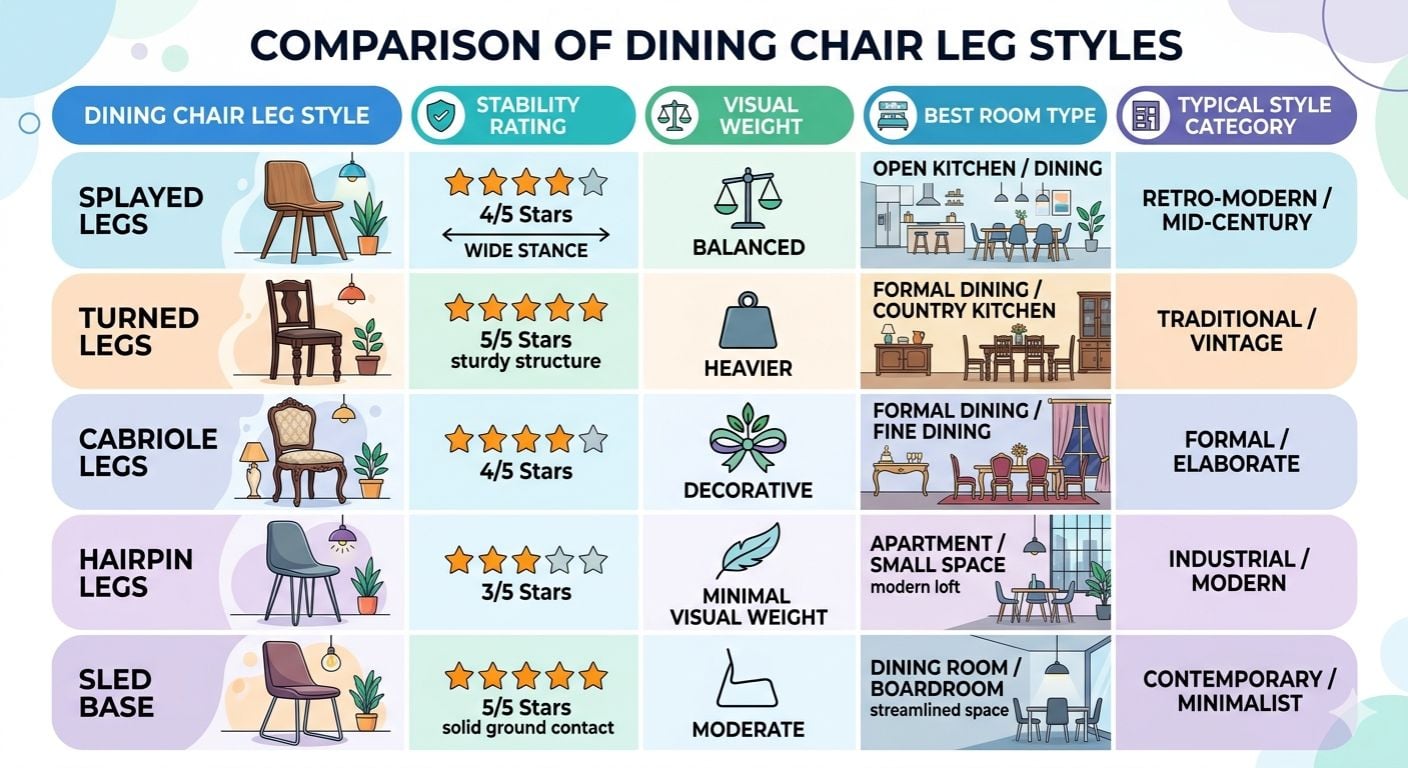
Each creates a different balance between stability, floor footprint, and visual weight.
Straight Dining Chair Legs
Straight legs are one of the most common dining chair leg styles because they provide reliable stability and suit a wide range of interiors. The legs run vertically from the seat to the floor with minimal shaping or outward angle.
These are commonly used on:
- Modern dining chairs
- Industrial dining chairs
- Commercial-style seating
- High-use family dining furniture
The wider and more evenly distributed footprint helps reduce side-to-side movement. Straight legs also tend to fit neatly beneath dining tables without protruding outward.
Metal straight legs usually feel more rigid than lightweight wooden alternatives, although solid hardwood frames remain highly durable when properly reinforced.
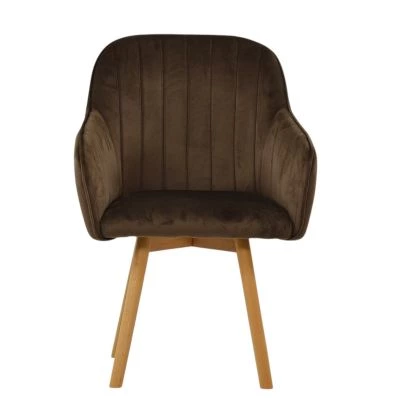
Tapered Dining Chair Legs
Tapered legs narrow gradually toward the bottom of the chair leg. This style is strongly associated with Scandinavian and mid-century modern dining furniture.
Tapered legs create a lighter visual appearance compared to square or chunky legs. They can make smaller dining spaces feel less crowded because more visible floor space remains underneath the chair.
In practical terms, tapered legs usually remain stable provided the frame construction is strong. The key factor is not the taper itself but the quality of the joints connecting the legs to the seat frame.
We often find our customers prefer tapered legs in open-plan kitchens because they visually reduce heaviness around large dining tables.
Where tapered legs work best
- Smaller dining rooms
- Scandinavian interiors
- Modern dining spaces
- Round dining tables
Potential drawbacks
- Lighter visual structure may feel less substantial
- Thin lower sections can show knocks more easily
- Cheaper frames may loosen over time if poorly reinforced
Splayed Dining Chair Legs
Splayed legs angle outward slightly from the seat base. This creates a wider stance and improves stability by distributing weight across a larger footprint.
This design is common in:
- Mid-century dining chairs
- Retro-inspired furniture
- Modern wooden dining chairs
Splayed legs often feel stable during side movement because the outward angle reduces tipping. However, they require slightly more floor space around the table.
One consideration is clearance. Chairs with aggressively angled legs can catch against neighbouring chairs or table legs in tighter layouts.
Turned Dining Chair Legs
Turned legs feature rounded decorative shaping created through lathe turning. These are traditionally associated with farmhouse, classic, and formal dining furniture.
The leg itself may include:
- Rounded spindle sections
- Ring detailing
- Bulb-shaped profiles
- Decorative grooves
Turned legs are normally constructed from solid wood rather than metal. Stability depends heavily on timber quality and joinery.
Heavier turned-leg chairs usually feel solid and grounded, although they visually add more weight to the room compared to slimmer modern frames.
Cabriole Dining Chair Legs
Cabriole legs use an outward curve at the top and inward curve toward the foot. This style is linked to Queen Anne and French-inspired furniture.
They are mainly chosen for decorative reasons rather than structural efficiency.
While cabriole legs can still provide good stability, the curved structure usually works best in lower-use formal dining spaces rather than heavy daily-use family kitchens.
Best suited for
- Traditional dining rooms
- Decorative interiors
- Classic wooden furniture
- Formal dining layouts
Hairpin Dining Chair Legs
Hairpin legs use thin bent metal rods, usually finished in black powder-coated steel. They are commonly used in industrial and minimalist interiors.
The open structure creates very low visual weight, helping compact dining rooms feel less cluttered.
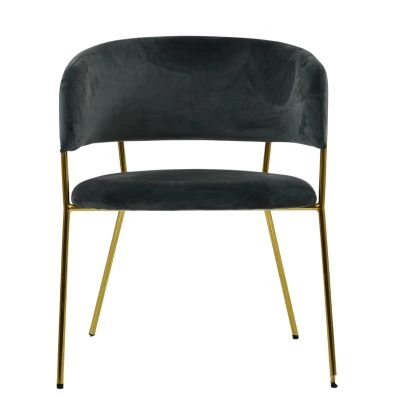
However, hairpin legs can feel less rigid than boxed metal frames or solid wooden legs if the chair frame itself is lightweight. Stability depends heavily on weld quality and thickness of the steel.
Advantages of hairpin legs
- Light visual footprint
- Modern appearance
- Easy to pair with industrial tables
- Works well in smaller spaces
Disadvantages
- Can flex slightly under movement
- Less suited to heavy-use dining areas
- May mark floors without protective glides
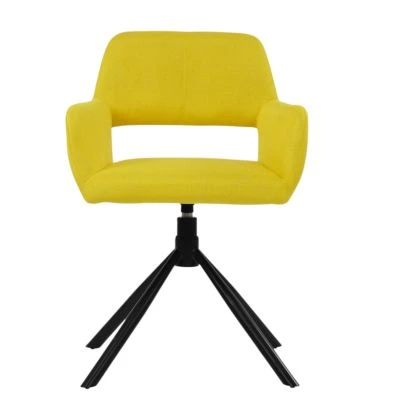
Sled and Cantilever Chair Legs
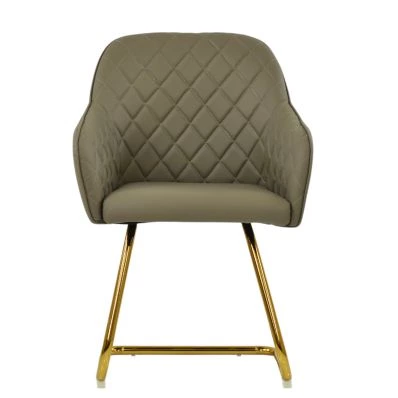
Sled and cantilever dining chairs replace four separate legs with a continuous metal frame structure.
Cantilever chairs suspend the seat slightly using a curved metal frame, while sled-base chairs maintain floor contact along both sides.
These styles are commonly used in:
- Contemporary dining rooms
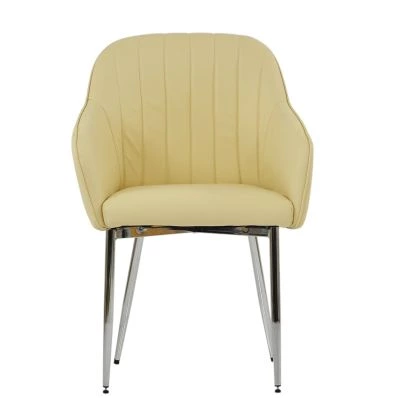
- Chrome-frame dining chairs
- Modern kitchen dining areas
The larger metal frame distributes weight evenly and can provide excellent stability on hard floors. Cantilever designs also introduce slight movement when seated, which some people find more comfortable during longer meals.
Should Dining Chair Legs Match the Table Legs?
Dining chair legs do not need to match table legs exactly. In most modern dining spaces, complementary styles work better than identical designs. Many interior designers follow a “sisters rather than twins” approach where the finishes or proportions relate to each other without becoming visually repetitive.
For example:
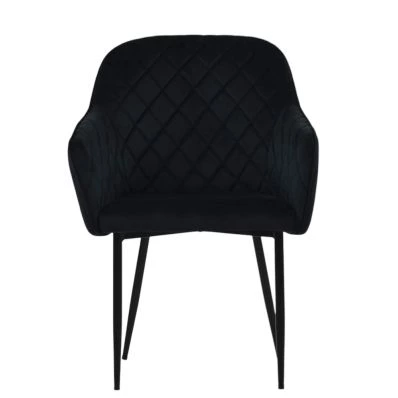
- Black metal chair legs can work with oak dining tables
- Tapered wooden legs pair well with modern pedestal tables
- Chrome sled bases suit glass or marble-effect tables
- Turned wooden legs often work best with traditional framed tables
The main goal is maintaining balance between visual weight, material tone, and overall formality.
Black Legs vs Wooden Dining Chair Legs
Black dining chair legs create stronger contrast and visual definition. Wooden legs usually create a softer and warmer appearance.
| Feature | Black Legs | Wooden Legs |
|---|---|---|
| Visual impact | Higher contrast | Softer appearance |
| Style direction | Modern / industrial | Traditional / Scandinavian |
| Room brightness | Can feel visually heavier | Keeps spaces lighter |
| Scratch visibility | More noticeable on painted finishes | Natural grain hides marks better |
In smaller dining rooms, lighter wood finishes often help maintain an open feel. Black legs tend to create stronger definition around the table area.
How Leg Design Affects Chair Stability
Stability depends on more than just the leg shape itself. Construction quality and frame reinforcement matter equally.
Key factors affecting stability include:
- Leg angle and footprint width
- Material strength
- Joint construction
- Weight distribution
- Floor contact points
Solid hardwood frames with reinforced corner blocks generally provide long-term rigidity. Welded steel frames also perform well in high-use environments.
According to the British Standards Institution, domestic seating durability standards assess strength, stability, and long-term structural performance under repeated use.
Best Dining Chair Leg Styles for Small Dining Rooms
Dining chairs with visually lighter leg designs usually work better in compact spaces.
The most space-efficient styles include:
- Tapered legs
- Hairpin legs
- Slim straight metal legs
- Splayed Scandinavian-style legs
These styles expose more visible floor area underneath the chair, helping the room feel less crowded.
Bulky square legs and oversized turned wooden frames can make tighter dining rooms feel visually heavier.
Choosing the Right Dining Chair Leg Style
The right leg style depends on how the dining space is used, the table shape, and the balance between visual appearance and practical durability.
- Straight legs suit everyday practicality and stability
- Tapered legs work well in modern compact spaces
- Splayed legs improve stance and visual lightness
- Turned and cabriole legs suit traditional interiors
- Hairpin legs create a minimalist industrial look
- Sled bases provide strong support with contemporary styling
If you are comparing full dining chair designs rather than just leg structures, our wider guide to different dining chair styles explains how frame shape, upholstery, and proportions affect overall suitability.
You can also browse the full range of dining chairs to compare different leg materials, finishes, and frame constructions.
Frequently Asked Questions
What is the most stable dining chair leg style?
Straight and slightly splayed legs are usually the most stable because they distribute weight evenly and reduce lateral movement. Stability also depends heavily on frame construction, joint reinforcement, and material quality.
Are metal dining chair legs stronger than wooden legs?
Metal legs often provide higher rigidity and weight tolerance, especially with welded steel frames. Solid hardwood legs can still be extremely durable when properly constructed with reinforced joints.
Do tapered chair legs wobble more?
Tapered legs do not automatically wobble more. Most instability comes from poor joinery or loose fixings rather than the taper itself. Well-built tapered-leg chairs remain stable for daily use.
Are black dining chair legs still in style?
Black dining chair legs remain common in modern, industrial, and minimalist interiors. They are particularly popular with grey, oak, and marble-effect dining tables.
-
-
-
-
-
-
-
-
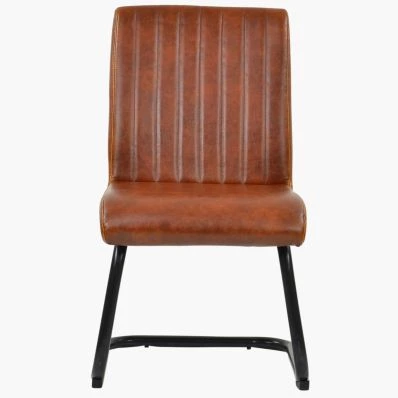
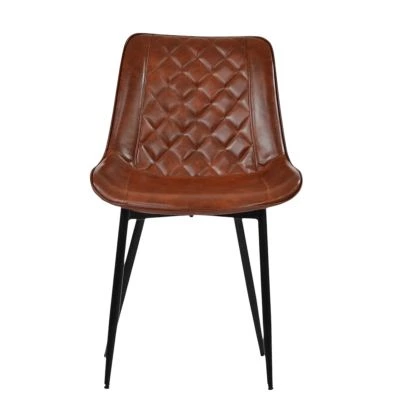
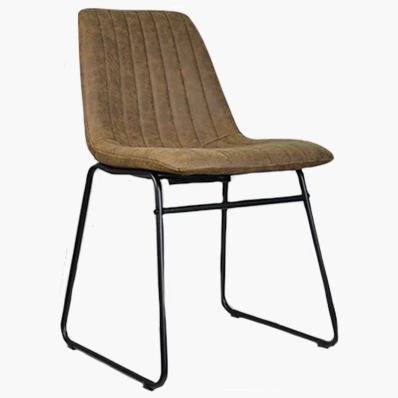 Plato Dining Chair in Aged Brown LeatherSpecial Price £49.99 Regular Price £89.99 Original price 44% Inc VATSaving £40
 -
-
-
-
Conclusion
Dining chair leg styles influence stability, visual balance, and how a chair fits within the room. Straight and splayed legs prioritise structural stability, while tapered and hairpin styles reduce visual heaviness in smaller spaces. Traditional turned and cabriole legs create a more decorative appearance but often suit formal dining settings better.
Choosing the right dining chair involves balancing practicality, room layout, and table compatibility rather than focusing on appearance alone. For a broader comparison of chair shapes and layouts, visit our guide to dining chair styles.


Comments