
 Chat with us on WhatsApp

Dining Table Size Seating Guide
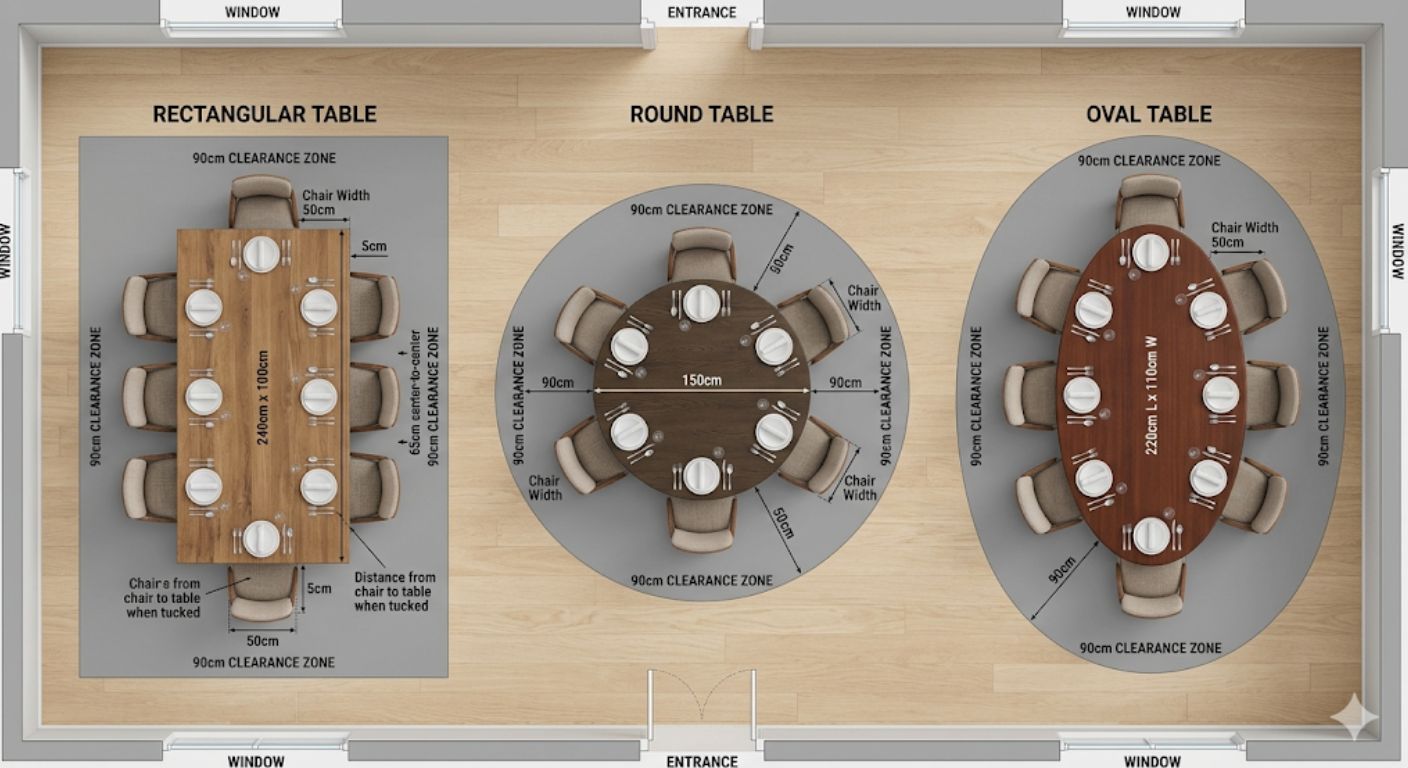
Choosing the right dining table size is mainly about balancing seating capacity with usable room space. A table that technically seats six can still feel cramped if chairs overlap, legroom is limited, or there is not enough clearance around the edges.
Most dining table sizing decisions come down to four factors:
- Number of people seated daily
- Room dimensions and walkways
- Table shape
- Chair width and chair style
This guide focuses specifically on dining table dimensions, seating capacity, and spacing rules. If you also need help matching chairs correctly to table height and proportions, see our guide to dining chair sizing and proportions.
Standard Dining Table Height in the UK
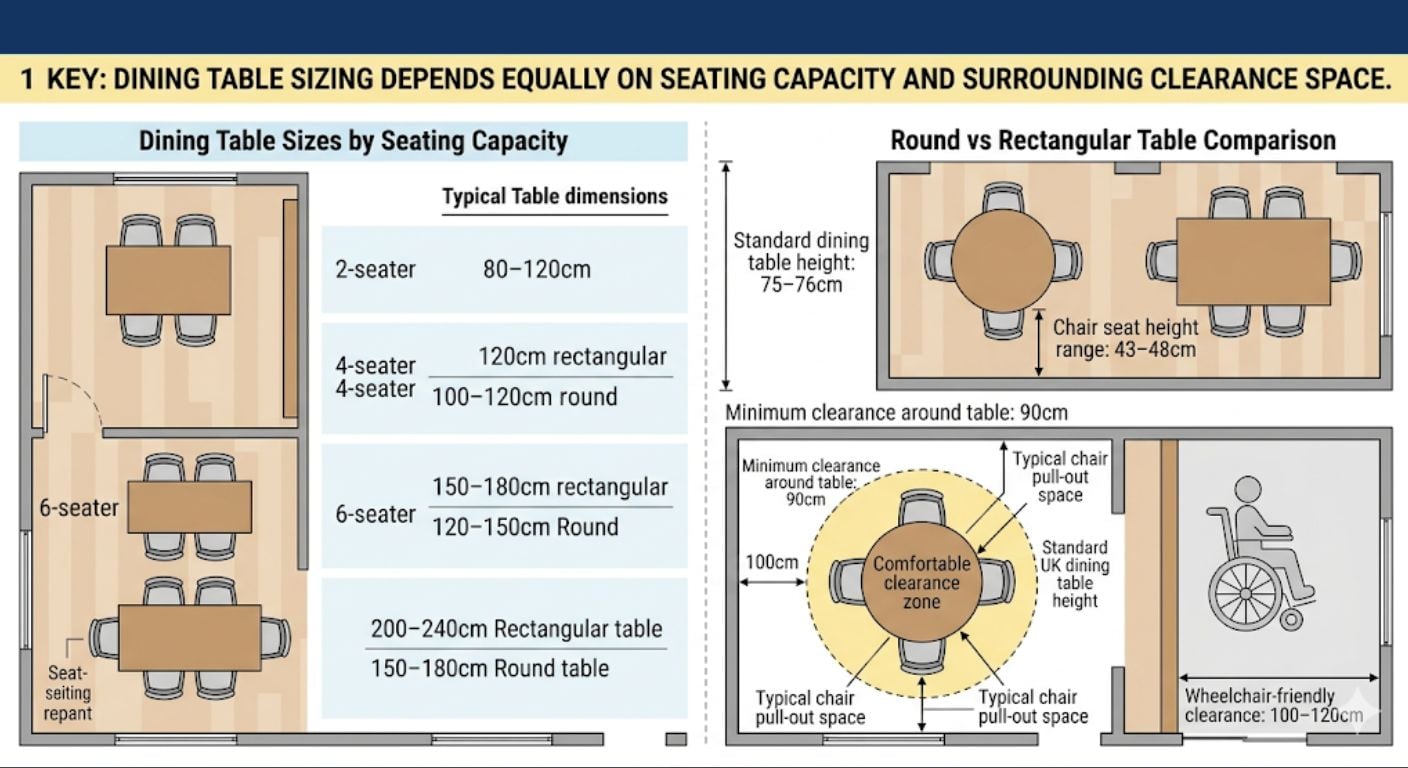
Most UK dining tables are between 75cm and 76cm high. This works with standard dining chair seat heights of roughly 43cm to 48cm.
This height range allows:
- Comfortable knee clearance
- Normal seated posture
- Enough space for chair arms where applicable
If you are using larger upholstered chairs or chairs with arms, under-table clearance matters just as much as overall table height.
One issue we see regularly with our customers is armchairs fitting the table width correctly but not sliding underneath due to apron rails or thick table frames. The external dimensions can look compatible online while the usable clearance is much tighter in practice.
For broader chair compatibility guidance, see our article on seat height vs table height.
How Much Space Should You Leave Around a Dining Table?
The standard rule is to leave at least 90cm of clearance around all sides of a dining table. This allows chairs to pull out properly and gives people enough space to move around comfortably.
For tighter layouts:
- 75cm is usually the practical minimum
- 90cm is the comfortable standard
- 100cm to 120cm works better for busy walkways or wheelchair access
If wheelchair users need to move around the table comfortably, aim closer to 100cm minimum clearance where possible. The UK Government accessibility guidance also supports wider circulation spaces in practical layouts through Approved Document M.
Simple Room Size Formula
A quick way to estimate minimum room size is:
- Table width + 180cm
- Table length + 180cm
This accounts for 90cm clearance on each side.
Example:
- 90cm x 180cm dining table
- Minimum comfortable room size:
- 270cm x 360cm
This is one of the simplest ways to avoid buying a table that visually fits the room but functions poorly once chairs are added.
Dining Table Sizes by Seating Capacity
Dining Table Size for 2 People
| Table Shape | Recommended Size |
|---|---|
| Round | 80cm–100cm diameter |
| Square | 70cm–90cm |
| Rectangular | 80cm x 120cm |
Smaller tables work best in flats, kitchens, or open-plan layouts where circulation space matters more than maximum seating.
Round tables are often easier to navigate in compact rooms because there are no hard corners affecting walkways.
Dining Table Size for 4 People
| Table Shape | Recommended Size |
|---|---|
| Round | 100cm–120cm diameter |
| Square | 90cm–120cm |
| Rectangular | 120cm x 80cm |
A standard rectangular four-seater table usually starts around 120cm long.
For upholstered dining chairs with wider frames, allowing slightly more width between seats improves comfort significantly.
If space is limited, armless dining chairs generally create more usable seating width. Our guide on dining chair arms vs armless designs explains where each works best.
Dining Table Size for 6 People
A six-seater is one of the most common dining table sizes in UK homes.
| Table Shape | Recommended Size |
|---|---|
| Round | 120cm–150cm diameter |
| Oval | 180cm x 110cm |
| Rectangular | 150cm–180cm x 90cm |
What Size Round Table for 6 With Armchairs?
For six people using armchairs, a round table should generally be at least 150cm in diameter.
Armchairs require more personal width than standard side chairs, particularly around elbows and under-table positioning.
Pedestal-base round tables also help because they remove corner legs that restrict chair spacing.
How Many People Fit at a 180cm Rectangular Table?
A 180cm rectangular dining table usually seats:
- 6 people comfortably
- Up to 8 people occasionally if chairs are placed at both ends
The actual comfort level depends heavily on chair width. Slim metal or wooden chairs allow denser seating than large upholstered dining chairs.
Dining Table Size for 8 People
| Table Shape | Recommended Size |
|---|---|
| Round | 150cm–180cm diameter |
| Oval | 220cm x 120cm |
| Rectangular | 200cm–240cm x 100cm |
Eight-seater tables need significantly more circulation space around them. In many UK homes, the room dimensions become a bigger limitation than the table itself.
Long rectangular tables suit narrow dining rooms better than oversized round tables, which require more surrounding clearance.
Round vs Rectangular Dining Tables
Round Dining Tables
Round tables work well when:
- The room is square
- Movement space is tight
- Conversation flow matters
- Seating numbers vary occasionally
Advantages:
- Easier circulation
- No sharp corners
- Flexible seating positions
Limitations:
- Larger diameters needed for higher seating capacity
- Less efficient in narrow rooms
A 120cm round table can seat four comfortably, but moving to six usually requires at least 150cm diameter.
Rectangular Dining Tables
Rectangular tables work best when:
- The room is long or open-plan
- You regularly seat larger groups
- You need better space efficiency
- The table sits close to walls or kitchen islands
Advantages:
- Better seating efficiency
- Easier room alignment
- Stronger capacity-to-footprint ratio
Limitations:
- Requires more chair pull-back space
- Corners affect circulation
For many UK dining rooms, rectangular tables remain the most space-efficient option overall.
Extendable Dining Tables: When They Make Sense
Extendable tables are useful when daily seating needs differ from occasional hosting requirements.
They work particularly well for:
- Smaller dining rooms
- Open-plan kitchens
- Households seating 2–4 daily but hosting 6–8 occasionally
Typical extension styles include:
- Butterfly extensions
- Pull-out leaves
- End extensions
The key advantage is avoiding an oversized table dominating the room year-round.
However, extension mechanisms add weight and sometimes reduce under-table leg clearance depending on the frame design.
Smallest Room Size for a 6-Seater Dining Table
For a standard six-seater rectangular table, a practical minimum room size is roughly:
- 300cm x 300cm
This assumes:
- Moderate-width dining chairs
- Standard 90cm clearance
- Limited surrounding furniture
Smaller rooms can still work, but movement becomes tighter and chair positioning more restrictive.
Round tables often feel less intrusive visually in smaller spaces, although they still require substantial floor clearance.
For tighter layouts, our guide on choosing dining chairs for compact spaces covers chair proportions and spacing in more detail.
Chair Width Matters More Than Most Buyers Expect
Dining table dimensions only tell part of the story. Chair width changes usable seating capacity significantly.
Typical chair widths:
- Slim side chair: 45cm–50cm
- Upholstered chair: 50cm–58cm
- Dining armchair: 58cm–65cm
A table marketed as seating six may feel very different depending on the chair profile used.
This is particularly important with heavily upholstered or curved-back dining chairs, where external width increases quickly.
You can browse different frame sizes and chair styles across our dining chair collection.
When Different Table Shapes Make Sense
Choose a Round Table If:
- The room is square
- You prioritise movement space
- Seating numbers vary
- The dining area is compact
Choose a Rectangular Table If:
- The room is long
- You seat six or more regularly
- You need better space efficiency
- The table sits close to walls or kitchen islands
Choose an Extendable Table If:
- Daily seating needs are lower than occasional hosting
- Floor space is limited
- You want flexibility without permanent bulk
Frequently Asked Questions
What size dining table for 6 people?
A rectangular dining table for six people is usually between 150cm and 180cm long. Round tables generally need a diameter of 120cm to 150cm depending on chair size. Larger upholstered chairs or armchairs require more spacing.
How much clearance should you leave around a dining table?
Most dining tables need at least 90cm clearance on all sides. This allows chairs to pull out comfortably and creates usable walkways. Busier spaces or wheelchair access may require 100cm to 120cm.
What is the standard dining table height in the UK?
Most UK dining tables are between 75cm and 76cm high. This pairs with standard dining chair seat heights between roughly 43cm and 48cm.
Is a round or rectangular dining table better for small rooms?
Round tables often feel easier to move around in compact rooms because there are no corners interrupting walkways. Rectangular tables usually provide better seating efficiency in narrow spaces.
How many people can sit at a 180cm dining table?
A 180cm rectangular dining table typically seats six people comfortably. Some layouts can fit eight people occasionally if chairs are added at both ends.
-
-
-
-
-
-
-
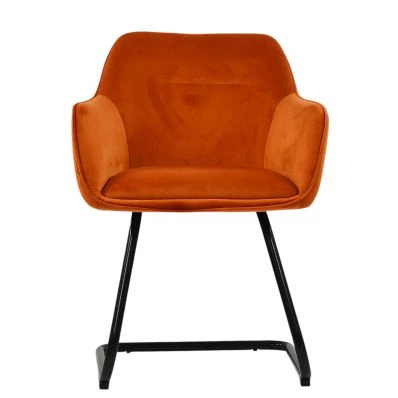
-
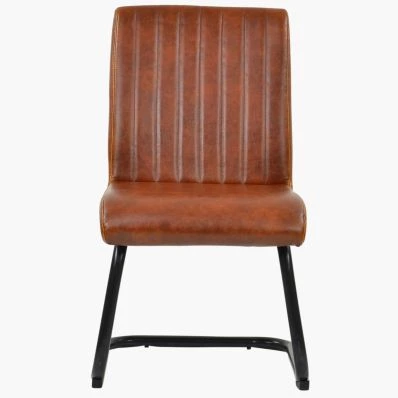
-
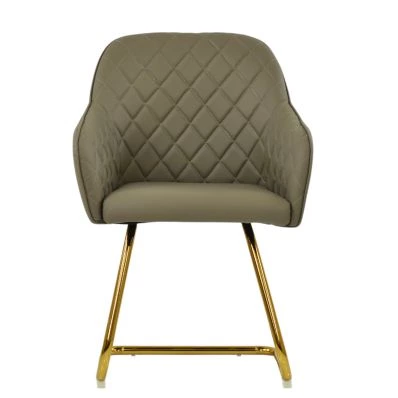
-
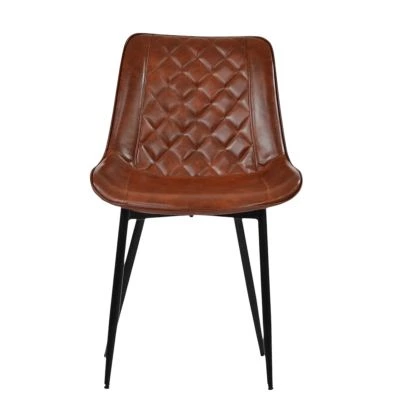
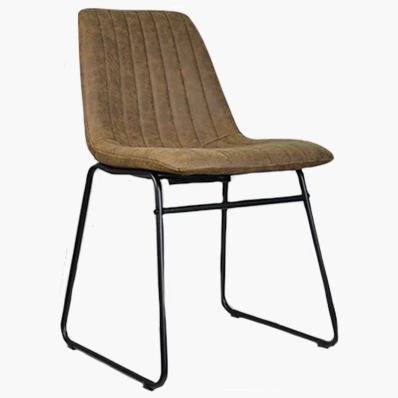 Plato Dining Chair in Aged Brown LeatherSpecial Price £49.99 Regular Price £89.99 Original price 44% Inc VATSaving £40
 -
-
Final Thoughts
The right dining table size depends on more than seating numbers alone. Room clearance, chair width, table shape, and daily usage patterns all affect how comfortable the layout feels in practice.
Most sizing mistakes happen when buyers focus only on table dimensions without considering movement space or chair proportions.
If you are also comparing chair dimensions, arm styles, or seat heights, our dining chair size guide explains how chair sizing interacts with dining tables in more detail. You can also browse the full range of dining chairs to compare different chair widths and seating styles.


Comments