
 Chat with us on WhatsApp


Does working from home affect Mental Health?
We conducted two surveys which reported that almost 40% of 100 UK-based home-workers experience higher stress levels, loneliness, and undersocialisation than office-based employees. Although times have changed since Covid, 44% of the British population still work from home or on a hybrid basis. So, what statistics did we uncover? And how can you reduce adverse mental health effects while working from home?
How Does Working From Home Affect Mental Health?
Working from home removes the opportunity for socialisation that, biologically, we require to thrive. Even if your days aren’t filled with chats, simply being in the presence of other people can be conducive to a more welcoming working environment for many. Isolation breeds loneliness, which leads to higher stress levels and feelings of confinement, which is detrimental to mental health.
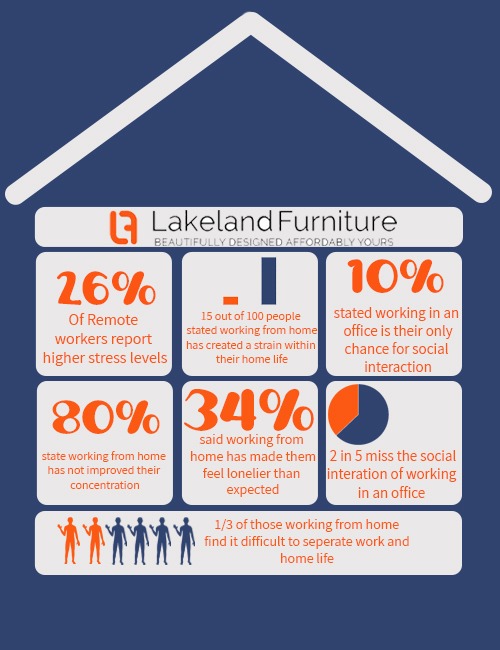
Of our group of remote workers:
-
26% reported higher stress levels.
-
33% find it hard to separate their work and personal life.
-
34% state higher levels of loneliness.
-
14% feel their co-habiting relationships are more strained since working from home.
-
20% miss the social interaction of working in an office.
-
10% say working in an office is their only chance to socialise.
What Factors Contribute to Stress When Working From Home?
Distractions Within the Home
For many, home can be a source of distraction. Whether it’s children, pets, or struggling to separate the home from the workplace. Over 80% of people state that working from home does not improve their concentration or productivity.
Inadequate Work/Life Balance
Feeling like you’re constantly at work can make it difficult to switch off. If you are distracted during the day, you may feel obligated to continue working past your paid hours. Maintaining work-life boundaries is essential for shutting down at the end of the day, and neglecting this can exacerbate stress.
Lack of Structure and Routine
The human brain thrives on patterns of predictability. Office-based working hours are usually within defined timeframes, so you know when to arrive and leave and can leave your work at the office. These strict start and finish times establish a routine, which can help to minimise stress in many employees, which home-workers often struggle with.
Does Working From Home Impact Everyone Negatively?
No. 50% of remote workers state that doing so has improved their work/life balance, with a further 47% experiencing higher flexibility within their working hours. Some research indicates that working people seek jobs specifically with the flexibility to work remotely to reduce their stress levels. Commonly noted advantages of working from home include:
-
No commute to the office is especially beneficial for those in congested areas.
-
Flexible hours that benefit early risers and those who are more productive later in the afternoon.
-
A choice of working environment can be helpful for those easily distracted in an office.
How to Maintain Positive Mental Health While Working From Home
-
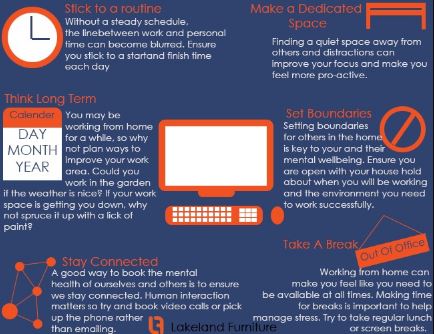
Set and stick to a routine - This will help minimise disturbances and stress levels.
-
Create a dedicated workspace - This will help to separate your home life from work.
-
Give yourself regular breaks - This will help with managing your workflow.
-
Stay connected - Ensure to communicate regularly with your team to ensure socialisation.
-
Set boundaries - This will ensure that your work and home life don’t integrate too much.


Comments