
 Chat with us on WhatsApp

Dressing Room Chair Placement: Where to Put It for Height & Light
Getting dressing table chair placement right affects more than appearance. The position of the chair changes how comfortable the setup feels, how easy it is to move around the room, and whether lighting works properly for makeup, grooming, or desk-style use.
Most problems come from poor spacing rather than the chair itself. A chair that is too high forces shoulder tension. A chair placed directly in front of a window creates mirror glare. In smaller bedrooms, oversized seating can make the whole area feel cramped even if the measurements technically fit.
The goal is to create a setup that works comfortably every day without wasting floor space. That means balancing seat height, leg clearance, movement space, and light direction together rather than treating them as separate decisions. Choosing the correct chair height is particularly important, as even small differences can affect comfort and posture during daily use. It also helps to understand how dressing tables compare with standard furniture dimensions. Our guides to dressing table chair height and common table heights explained will help you choose a well-proportioned combination
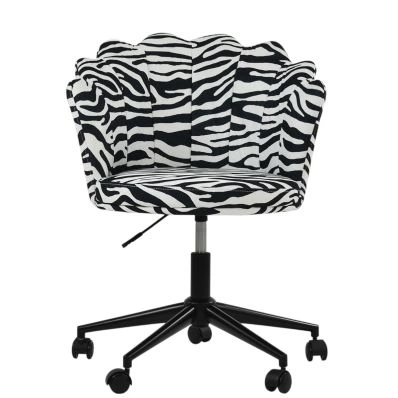
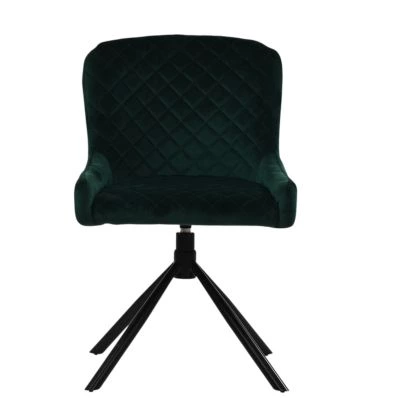
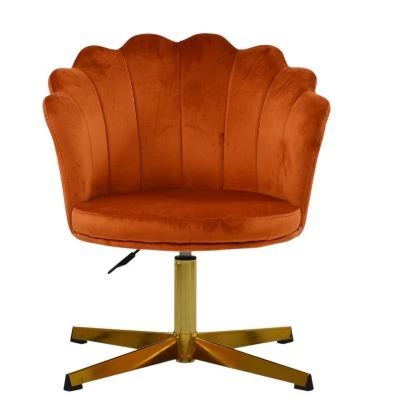
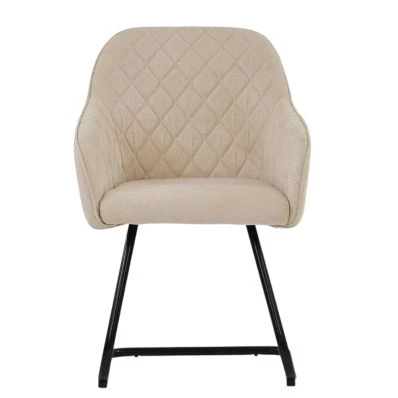
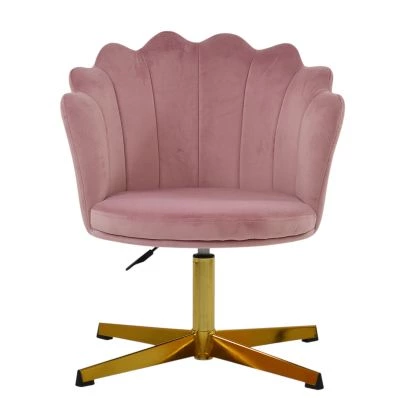
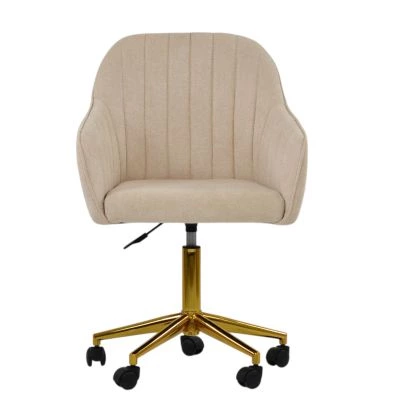
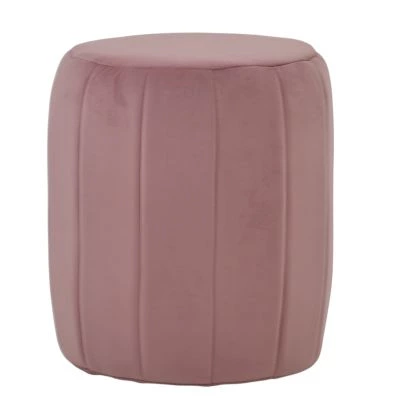
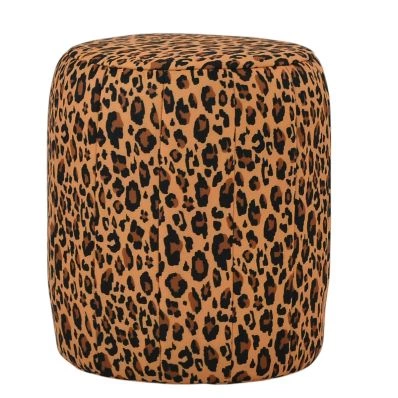
For readers comparing different seating styles, Lakeland’s range of dressing table chairs covers both compact stools and supportive backed chairs suited to different room layouts.
Where Is the Best Place to Put a Dressing Table?
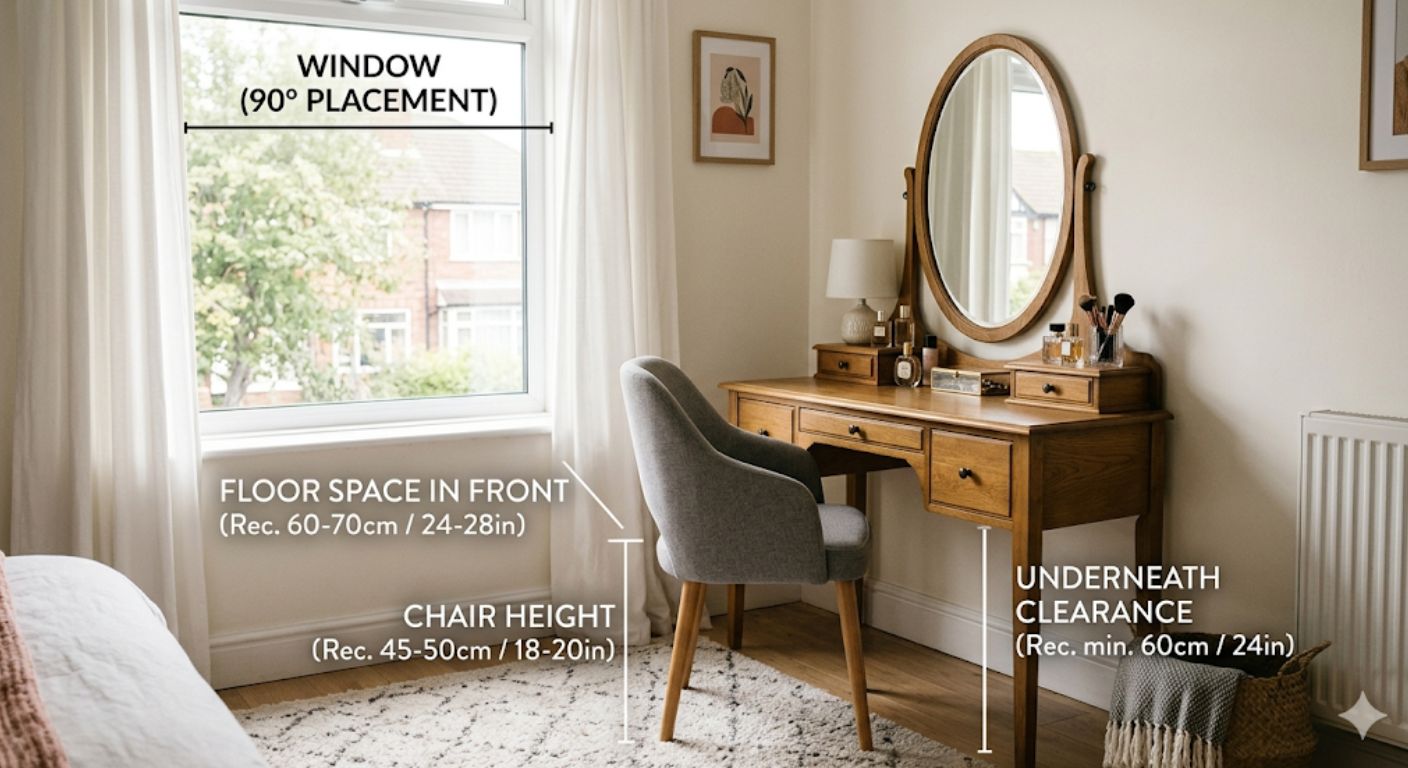
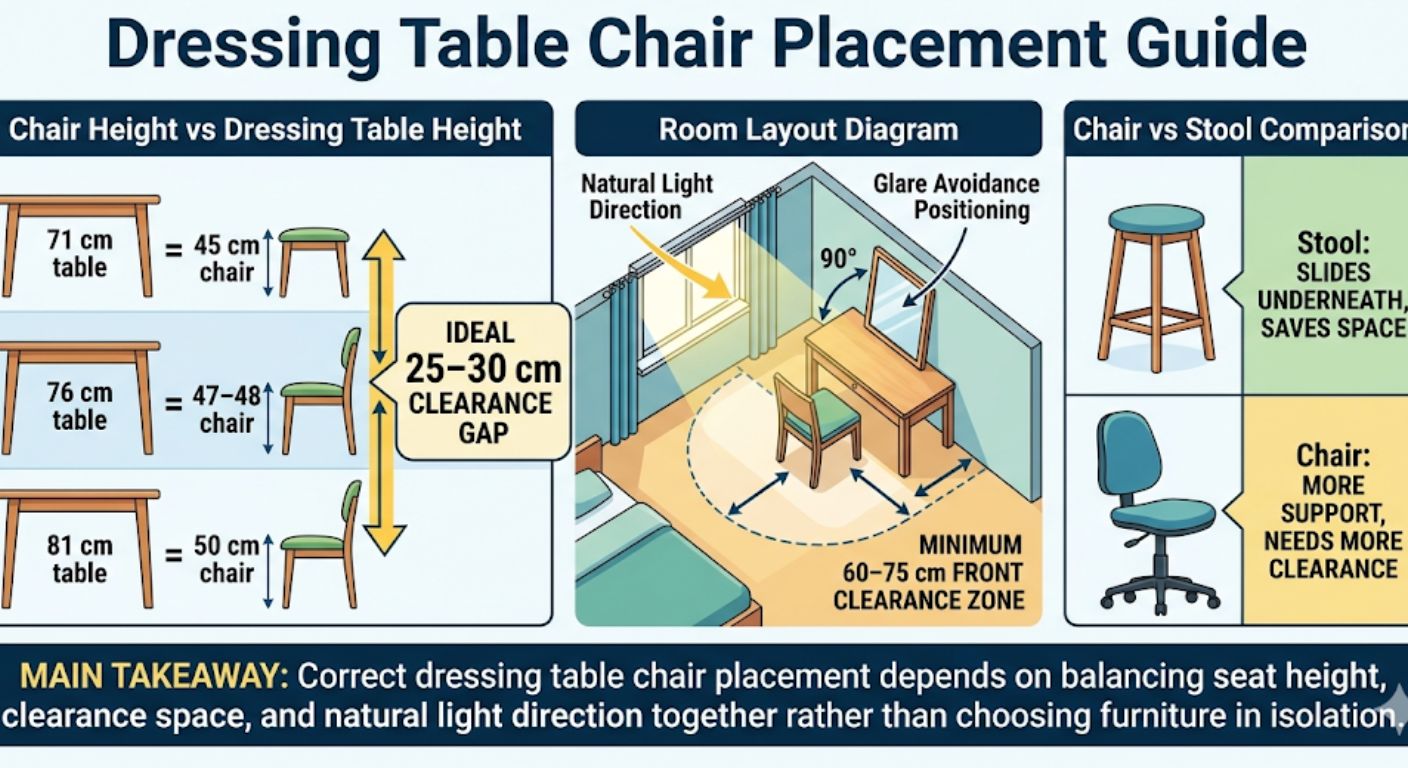
The best place for a dressing table is usually beside a window rather than directly in front of it. Positioning the table at roughly a 90-degree angle to natural light helps reduce shadows on the face while avoiding glare on the mirror.
Direct front-facing sunlight often creates brightness imbalance, especially during morning or late afternoon light. A side-lit position gives more even visibility for makeup application and grooming.
In practical terms:
- Avoid placing mirrors directly opposite strong daylight
- Keep enough wall clearance to fully pull out the chair
- Leave walking space around the setup
- Position electrical access nearby if using LED mirrors or hair tools
In bedrooms with only one usable wall, it is usually better to prioritise lighting quality over strict furniture symmetry.
Dressing Table Chair Height and Clearance
The most important measurement is the gap between the seat and the underside of the table.
Most dressing tables fall between 71–81 cm high. A chair or stool around 45–50 cm high usually creates the correct sitting position.
Typical measurements look like this:
| Dressing Table Height | Recommended Chair Height | Clearance Gap |
|---|---|---|
| 71 cm | 45 cm | 26 cm |
| 76 cm | 47–48 cm | 28–29 cm |
| 81 cm | 50 cm | 30 cm |
The target is usually around 25–30 cm of clearance between the seat and the underside of the tabletop.
Too little clearance causes knee restriction and shoulder hunching. Too much clearance creates awkward arm positioning and poor mirror alignment.
One thing we hear from our customers regularly is that many people measure tabletop height but forget to check the apron or drawer clearance underneath, which is often what actually limits usable seating space.
What Height Stool Works for a 30-Inch Vanity?
A 30-inch vanity normally pairs best with an 18–19 inch stool or chair seat height. This creates enough legroom without forcing the shoulders upward while seated.
For fixed-height seating, staying within this range is usually more comfortable than choosing a taller decorative chair.
How Much Space Should You Leave Around the Chair?
Leave at least 60–75 cm of open floor space in front of the dressing table so the chair can pull out comfortably and allow normal movement around the room.
This becomes especially important in smaller bedrooms where the dressing table sits close to the bed or wardrobe.
Minimum practical spacing:
- 60–75 cm clearance in front of chair
- 10–15 cm clearance either side if using armchairs
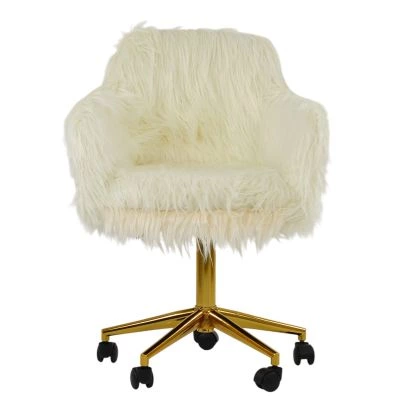
- Enough rear movement for swivel or wheeled seating if applicable
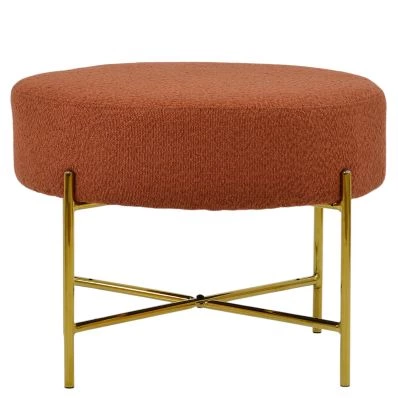
Compact stools reduce clearance requirements because they slide completely underneath the table when not in use.
Chairs with arms generally need more side clearance and can visually dominate narrow rooms.
Chair vs Stool Placement in Small Bedrooms
In smaller rooms, placement flexibility matters as much as comfort.
Stools
Stools work better when:
- Floor space is limited
- The chair needs to tuck fully underneath
- The dressing table doubles as storage or desk space
- The room already contains bulky furniture
Backless seating visually reduces clutter and improves circulation space.
Chairs
Chairs work better when:
- The dressing table is used daily
- Longer seated use is expected
- Additional back support matters
- The setup acts as both vanity and workspace
A compact low-back chair often gives the best compromise between comfort and room efficiency.
For smaller layouts, slimmer-frame vanity chairs and stools usually integrate more cleanly than lounge-style accent seating.
Using a Dressing Table as a Desk
Multi-purpose setups are increasingly common, especially in flats and smaller homes where a single surface needs to support both work and grooming routines.
The biggest mistake is choosing seating that only suits one task.
Desk-style use changes the requirements:
- Longer sitting periods increase the need for back support
- Arm clearance becomes more important
- Table depth matters more for laptop positioning
- Lighting needs to work for both screens and mirrors
If the setup functions as a hybrid desk and dressing table:
- Choose chairs with supportive backs
- Avoid oversized bucket-style seats
- Prioritise stable sitting posture over decorative shape
- Keep monitor or mirror placement adjustable where possible
A writing desk can work effectively as a vanity if the seating height still maintains the correct 25–30 cm clearance underneath.
Materials and Placement Practicalities
Chair material affects where the seating works best within the room.
Velvet and Bouclé
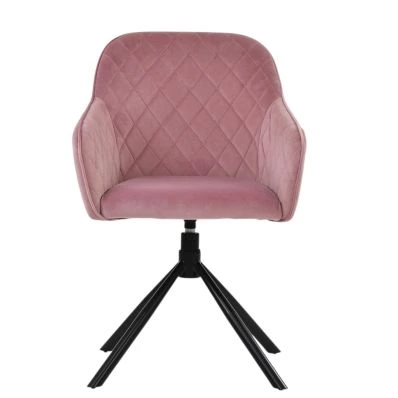
These softer fabrics suit carpeted bedrooms and quieter dressing spaces but can mark more easily if constantly brushed against wardrobes or bed frames.
Faux Leather
Faux leather tends to suit tighter layouts because it wipes clean easily and tolerates frequent movement better.
Rattan and Open-Frame Designs
These visually lighten smaller rooms because the structure allows more visible floor space underneath and around the chair.
Material choice should support the room layout rather than compete with it.
Frequently Asked Questions
How far should a dressing table be from a window?
Positioning the table beside a window rather than directly in front of it usually creates the most balanced lighting. Around 30–90 cm away from the wall opening is normally enough to benefit from natural light without excessive glare on mirrors or reflective surfaces.
Can you put a dressing table in a small bedroom?
Yes. Compact dressing tables paired with stools or low-profile chairs work well in smaller bedrooms. Sliding seating fully underneath the table helps reduce visual clutter and preserves walking space around the bed and wardrobes.
What is the standard height for a dressing table?
Most dressing tables are between 71 and 81 cm high. This normally pairs with chair or stool seat heights between 45 and 50 cm to maintain comfortable arm positioning and leg clearance underneath the tabletop.
Should a dressing table chair have arms?
Arms can improve comfort during longer sitting periods, but they require more clearance space and may stop the chair sliding fully underneath the table. In smaller rooms, armless chairs or stools are usually easier to position.
Final Thoughts
Good dressing table chair placement comes down to three things: correct seat height, enough movement space, and balanced lighting.
A well-positioned chair should feel comfortable without forcing awkward posture, while still fitting naturally within the room layout. In smaller bedrooms, compact seating and careful window positioning usually make the biggest difference.
For readers comparing seating styles, materials, and sizes, Lakeland’s collection of dressing table chairs and stools includes options designed for both compact spaces and larger dressing setups.


Comments