
 Chat with us on WhatsApp

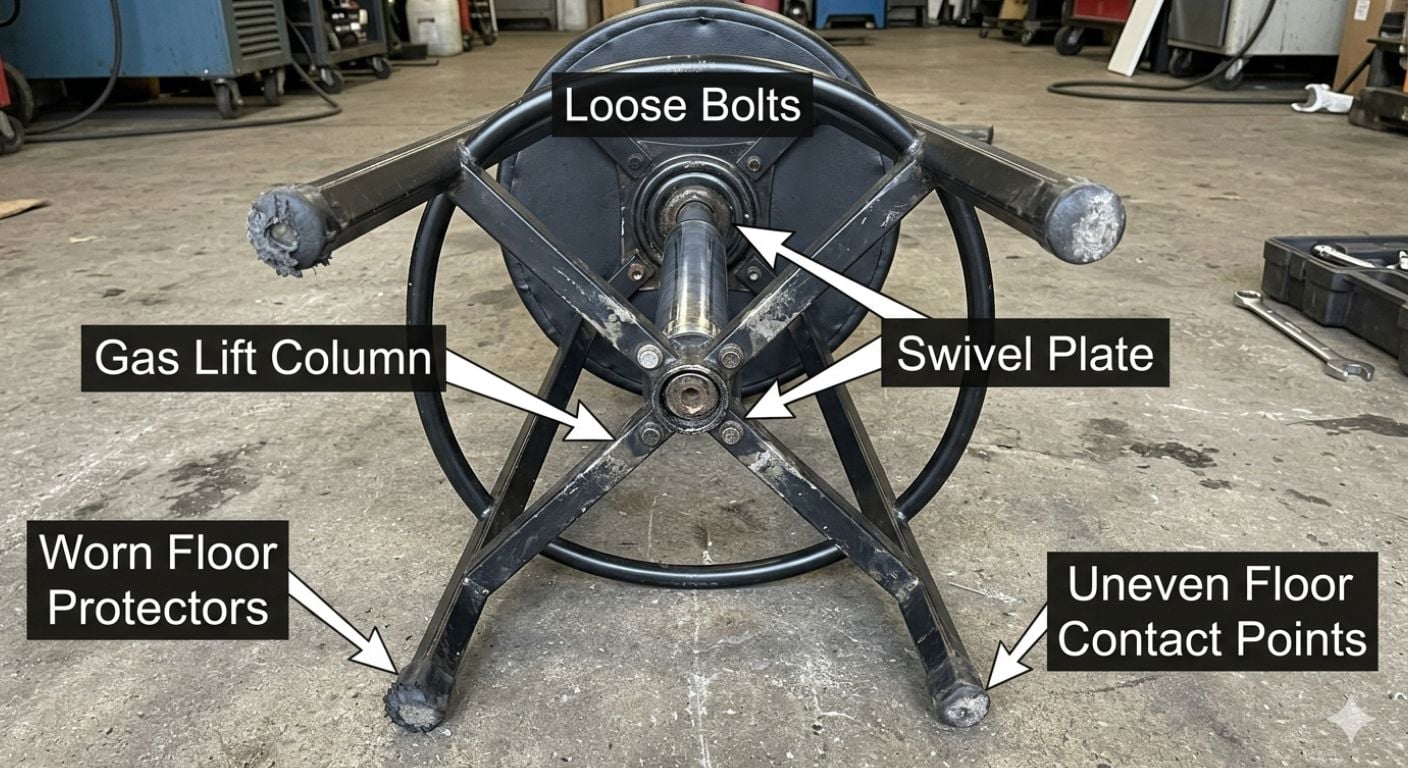
Guide Fix Wobbly Bar Stool
A wobbly bar stool is usually caused by loose fixings, uneven flooring, worn joints, or movement inside the base or swivel mechanism. In most cases, the problem can be identified and corrected without replacing the entire stool. The important part is finding exactly where the movement is coming from before tightening or replacing parts.
Bar stools used around breakfast bars and kitchen islands are exposed to repeated twisting, leaning, and foot pressure. Adjustable and swivel designs can develop movement over time if bolts loosen or components wear unevenly. If you are also checking whether your stool height and layout are suitable for the space, our guide to breakfast bar stool height explains the correct seating clearances and positioning, while our Bar Stool Height Guide: Counter Height vs Bar Height compares the differences between standard counter-height and bar-height seating setups.
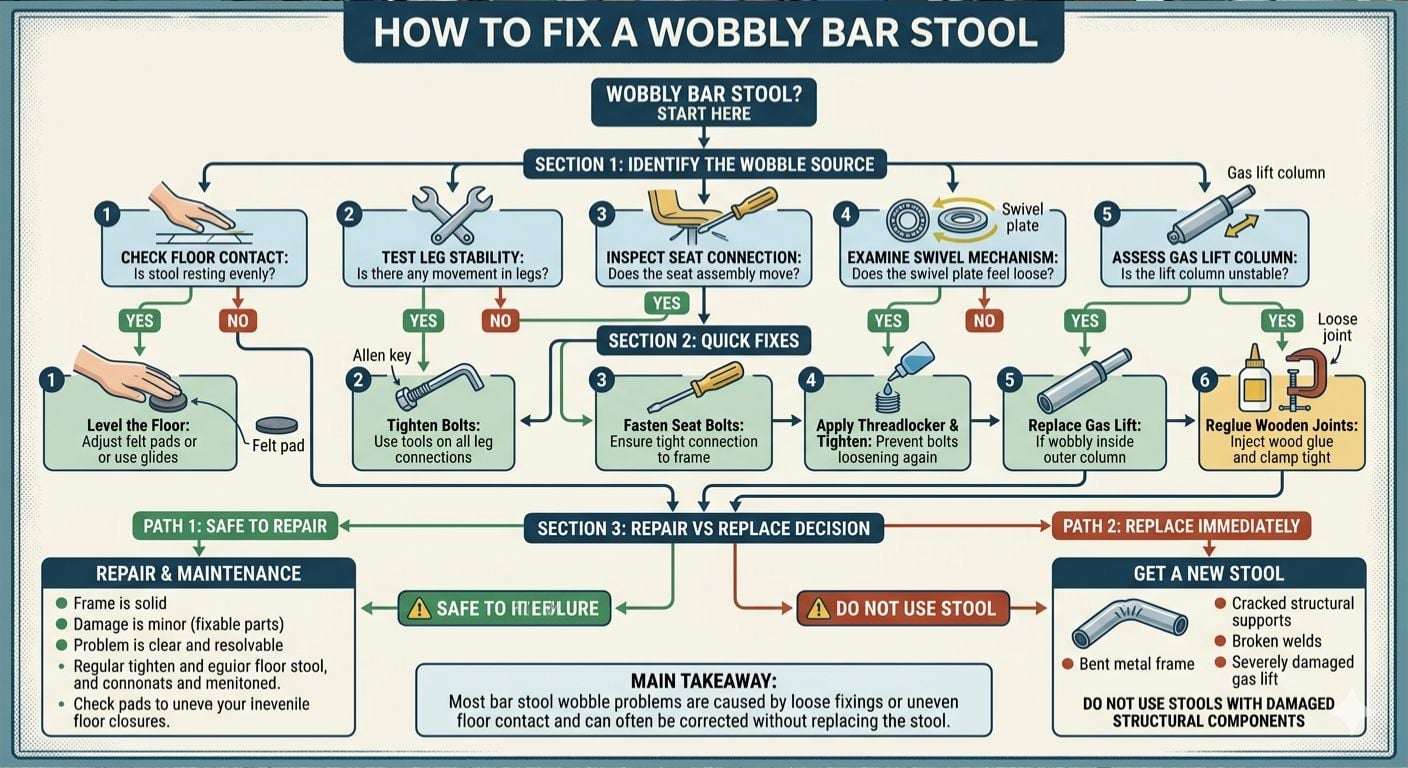
Start by Identifying Where the Wobble Comes From
Before attempting repairs, place the stool on a flat hard floor and test it from multiple angles. A wobble caused by the floor feels different from movement inside the frame or seat.
- Loose bolts or screws
- Uneven floor contact
- Movement between the base and central column
- Worn gas lift or hydraulic parts
- Loose wooden joints
- Damaged swivel plates or bearings
- Bent or uneven legs
Check whether the stool rocks side to side, twists during rotation, or sinks when weight is applied. These behaviours usually point to different faults.
Identifying which part of the stool is moving unnecessarily is often the quickest way to narrow down the cause of the problem. Understanding how the seat, swivel mechanism, gas lift, base, and frame work together also makes repairs much easier. If you're unsure which component you're inspecting, our guide to the anatomy of a bar stool explains the purpose of each part and how they fit together.
One thing we see regularly is customers tightening visible screws first while the actual movement is coming from the central column or floor contact points underneath the base.
Tighten Loose Screws, Bolts, and Fasteners
Loose hardware is the most common cause of instability in both fixed and swivel bar stools.
Turn the stool upside down and inspect:
- Seat mounting plates
- Leg brackets
- Footrest connections
- Swivel plates
- Gas lift mounting points
Most stools use Allen bolts, hex bolts, Phillips screws, or locking nuts. Use the correct Allen key or screwdriver size to avoid stripping the head. Tighten gradually in a cross pattern rather than fully tightening one side first.
If bolts repeatedly loosen after tightening, apply a small amount of removable threadlocker before reinstalling them.
How to Level a Wobbly Bar Stool
To level a wobbly bar stool, start by testing it on a confirmed flat surface. Tighten the frame while the stool is properly aligned, then correct any remaining floor contact issues with felt pads, rubber feet, or adjustable glides.
- Place the stool on a confirmed level surface.
- Check whether all feet touch the floor evenly.
- Tighten all frame fixings while weight is applied to the seat.
- Add felt pads or adjustable feet if minor rocking remains.
This method is commonly effective for stools used on tile, slate, or uneven stone flooring. For guidance on long-term setup and usage differences between designs, see our comparison of adjustable, fixed, swivel, and backless bar stools.
Fixing Wobble Caused by Uneven Floors
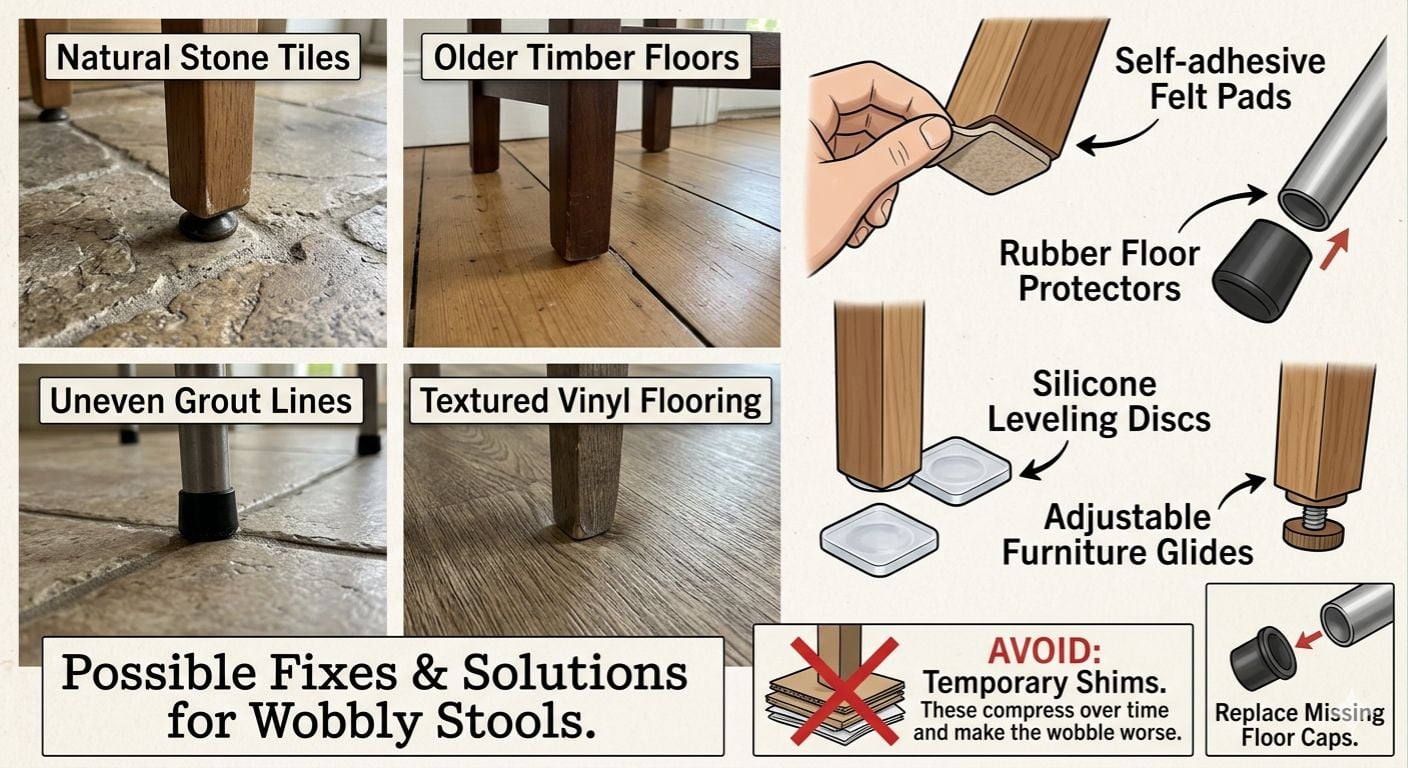
Some stools are structurally sound but still rock because the floor itself is uneven. This is especially common with natural stone tiles, older timber floors, uneven grout lines, or textured vinyl flooring.
Check the stool on another hard surface before assuming the frame is faulty.
- Self-adhesive felt pads
- Rubber floor protectors
- Silicone leveling discs
- Adjustable furniture glides
Avoid stacking cardboard or folded material under one leg. Temporary shims compress over time and usually make the wobble worse.
If the stool has metal tube legs with missing floor caps, replacement inserts are inexpensive and often restore stability immediately.
How to Fix a Wobbly Hydraulic Bar Stool
A wobbly hydraulic bar stool is usually caused by movement in the central column, worn internal bushings, or a failing gas lift cylinder. If the stool also sinks under weight, the gas lift has likely failed and should usually be replaced rather than repaired.
Common signs include:
- Side-to-side movement in the centre column
- Sinking seat height
- Clicking or knocking noises
- Excessive rotation play
Most gas lift cylinders are sealed units and are normally replaced rather than repaired.
To identify the correct replacement:
- Measure the cylinder diameter.
- Measure the visible piston length.
- Check whether the stool uses a tapered or straight-fit mechanism.
Most domestic bar stools use standard 45mm or 50mm gas lifts.
If the wobble is accompanied by height sinking, the internal seal has usually failed. In that situation, replacement is safer than attempting disassembly. The Health and Safety Executive advises that work equipment should be maintained in a safe condition, which is a useful principle for unstable seating used regularly at home.
For more specific guidance on height-adjustable mechanisms, see our separate article covering gas lift bar stool problems and fixes.
Repairing Loose Wooden Bar Stool Joints
Wooden stools often become unstable because glued joints gradually loosen through repeated movement.
Typical weak points include:
- Stretchers between legs
- Footrest joints
- Seat frame corners
- Dowelled connections
If the joint can move visibly, tightening screws alone rarely solves the issue.
- Separate the loose joint carefully.
- Remove old dried glue residue.
- Lightly sand the connection surfaces.
- Apply wood glue evenly.
- Clamp the joint firmly for 24 hours.
- Reassemble and retighten hardware.
Polyurethane wood glue is usually stronger for load-bearing stool joints than lightweight craft adhesives. If cracks are visible around the screw holes, longer screws or threaded inserts may also be required.
Swivel Mechanism and Seat Plate Problems
Swivel stools can develop wobble where the seat connects to the rotating plate.
Common faults include:
- Worn bearings
- Bent swivel plates
- Loose mounting screws
- Cracked plastic races
If the seat tilts during rotation, inspect the swivel plate underneath the seat base.
Replacement plates are usually identified by:
- Overall plate dimensions
- Screw hole spacing
- Flat or tilted swivel design
Commercial-style swivel mechanisms are often replaceable without changing the entire stool. If the bearings have fallen out or the plate has warped, replacement is normally more practical than repair.
When a Wobbly Stool Should Be Replaced
Not every stool is worth repairing. Replacement is often the safer option if you find cracked welds, bent metal frames, split timber legs, severe gas lift instability, repeated loosening despite repairs, or visible structural movement under weight.
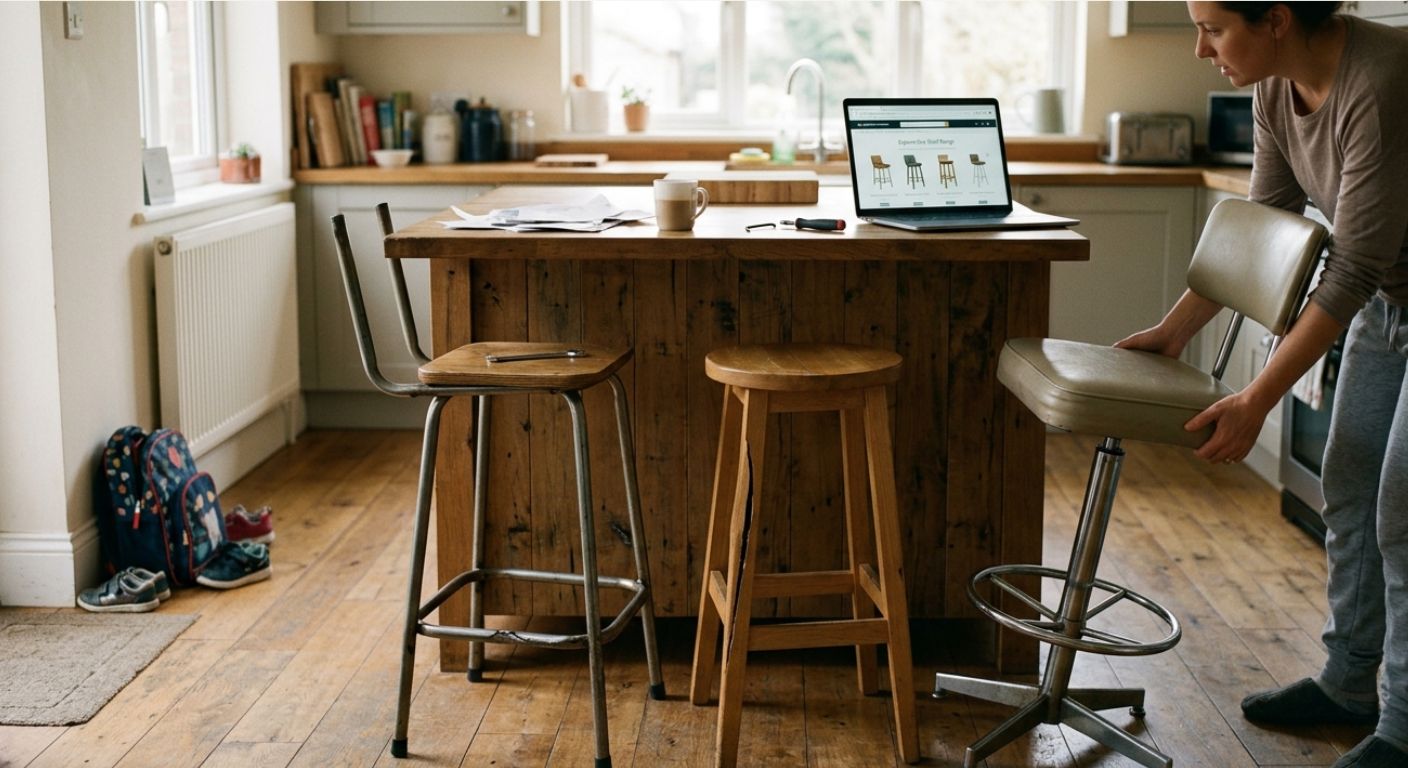
This matters more in busy family kitchens where stools are used daily for meals, working, and extended sitting.
If the stool no longer feels stable after tightening and leveling attempts, replacement is usually more cost-effective than repeated temporary fixes.
You can browse the full range of bar stools to compare fixed, swivel, and adjustable designs with different base constructions and support styles.
Preventing Bar Stool Wobble in Future
Most instability develops gradually rather than suddenly. A simple maintenance check every few months helps prevent larger structural problems later.
- Retighten bolts periodically.
- Check floor protectors.
- Avoid uneven weight loading.
- Clean debris from swivel plates.
- Replace worn rubber feet early.
Heavy leaning on one side of the stool also accelerates movement inside swivel and gas lift mechanisms.
If the stool is used daily around a breakfast bar, fixed-frame designs generally require less long-term maintenance than heavily used hydraulic models.
FAQ
Why does my bar stool wobble even after tightening the screws?
If tightening the screws does not stop the wobble, the movement is usually coming from another area such as the gas lift column, swivel plate, wooden joints, or uneven flooring. Test the stool on a confirmed level surface first before replacing parts.
Can uneven flooring make a bar stool unstable?
Yes. Tile grout lines, natural stone, and older timber floors commonly cause minor rocking even when the stool itself is structurally sound. Felt pads, rubber feet, or adjustable glides are often enough to correct the issue.
Should I repair or replace a wobbling hydraulic stool?
Minor looseness around the mounting points can sometimes be fixed, but a sinking or unstable gas lift usually requires cylinder replacement. If the central column has excessive movement, replacement is often safer than repair.
Can wooden bar stools be repaired successfully?
Yes. Loose wooden joints can often be repaired using wood glue and clamps if the timber itself is not cracked. Cleaning out old adhesive before regluing usually improves long-term strength.
-
-
-
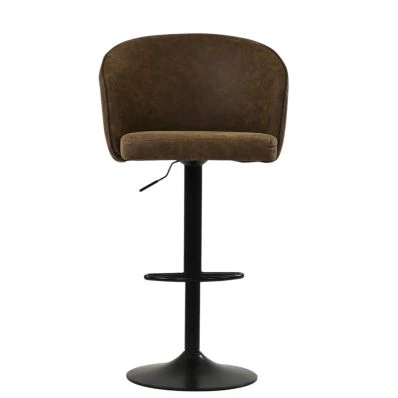
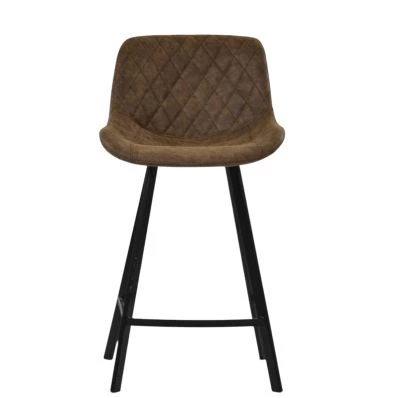 Matteo 65cm Bar Stool in Aged Brown Leather & Black BaseSpecial Price £59.99 Regular Price £74.99 Original price 20% Inc VATSaving £15
 -
-
-
-
-
-
-
-
-
Closing
Most wobbly bar stools can be stabilised by identifying whether the problem comes from loose fixings, uneven flooring, worn joints, or movement inside the central mechanism. Simple maintenance and correct leveling often solve the issue before larger structural damage develops.
If you are reviewing stool suitability alongside stability and spacing, our guide to breakfast bar stool sizing explains how stool dimensions affect everyday kitchen use.


Comments