
 Chat with us on WhatsApp

How Can I Look After My Furniture With Pets?
Living with pets often means balancing comfort, cleanliness, and furniture longevity. Dogs and cats can introduce challenges such as shedding, muddy paws, scratching, chewing, and occasional accidents. The good news is that most furniture damage can be reduced through better material choices, regular maintenance, and a few preventative habits.
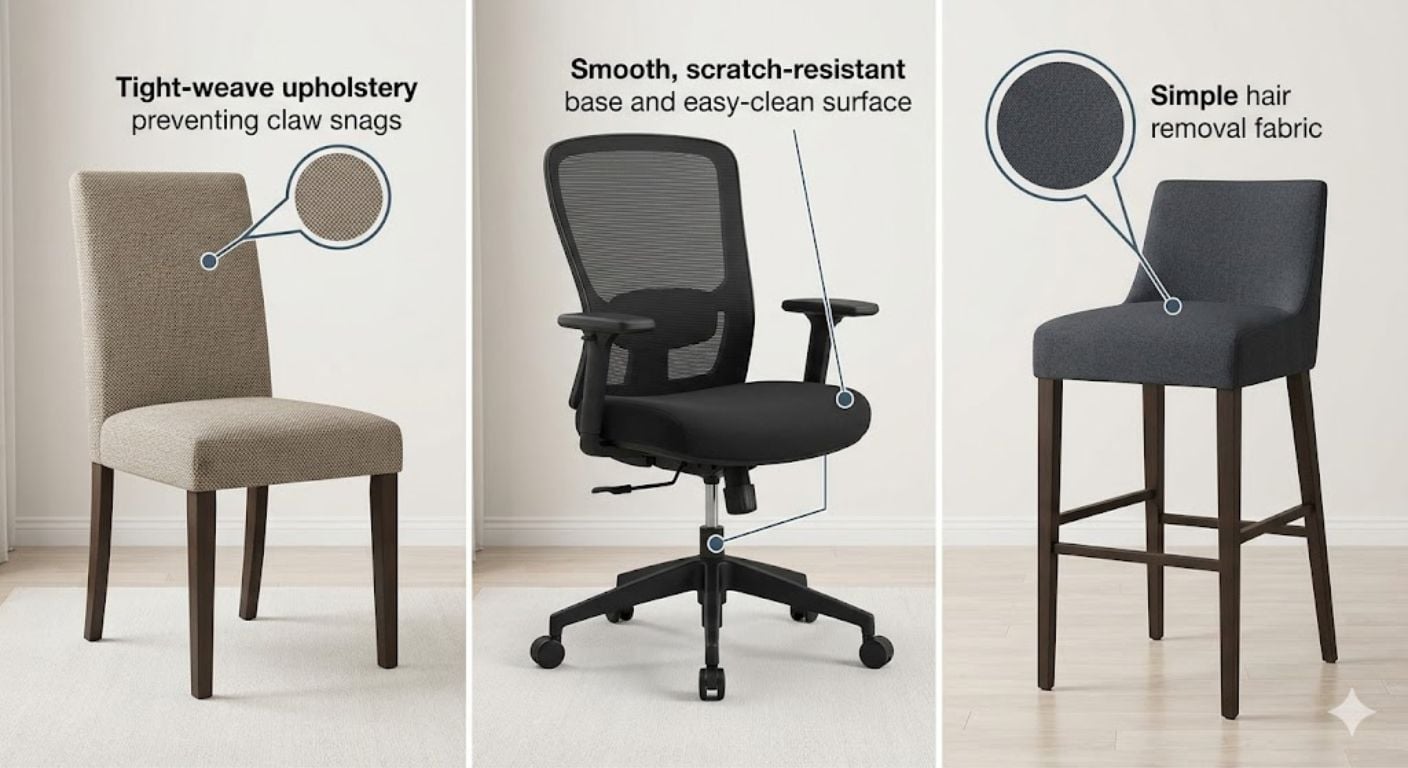
Pet-friendly furniture is not necessarily a specialist product. In practical terms, it means furniture that resists snagging, handles daily wear, sheds hair easily, cleans without excessive effort, and continues to look presentable after years of contact with pets.
Whether you are choosing dining chairs, office chairs, bar stools, or dressing table seating, understanding how pets interact with different materials can help you make better buying decisions and reduce long-term replacement costs.
What Makes Furniture Pet Friendly?
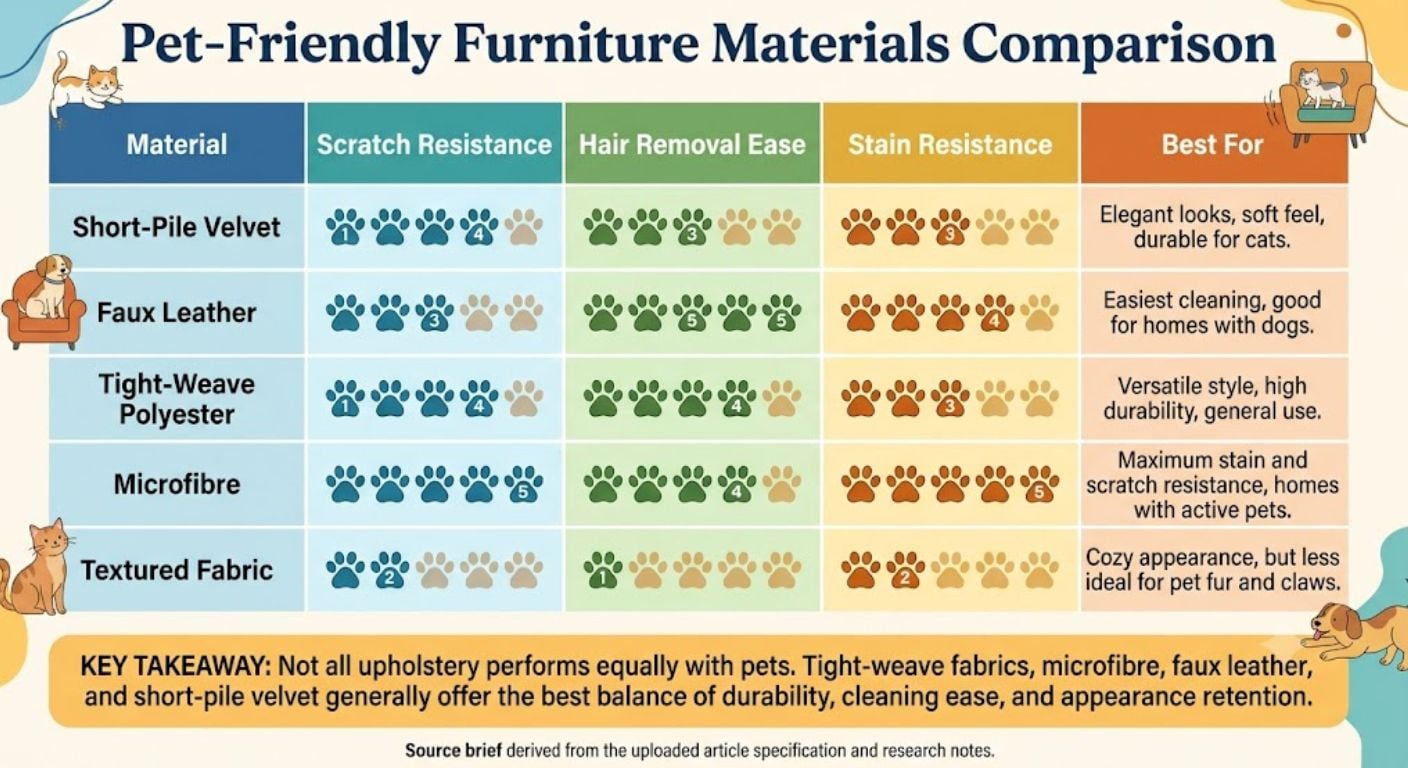
Furniture becomes more pet friendly when it combines durability, cleanability, and resistance to common pet-related damage.
Some of the key characteristics include:
- Tightly woven fabrics that resist claw snagging
- Easy-clean surfaces that handle spills and accidents
- Darker or patterned finishes that disguise pet hair
- Durable upholstery with higher wear ratings
- Stable chair frames that withstand everyday use
Where upholstery specifications are available, a Martindale rating above 40,000 cycles is generally considered suitable for heavy domestic use. The Furniture Industry Research Association (FIRA) provides recognised guidance on furniture testing standards.
Best Furniture Materials for Homes With Pets
| Situation | Recommended Material | Materials to Avoid |
|---|---|---|
| Cats that scratch | Tight-weave polyester, microfibre, short-pile velvet | Loose weaves, heavily textured fabrics |
| Dogs that shed heavily | Velvet, faux leather, smooth woven fabrics | High-pile fabrics that trap hair |
| Muddy paws | Faux leather, easy-clean fabrics | Light-coloured absorbent materials |
| Multi-pet households | Durable polyester blends | Delicate decorative fabrics |
Velvet Can Be More Practical Than Many People Expect
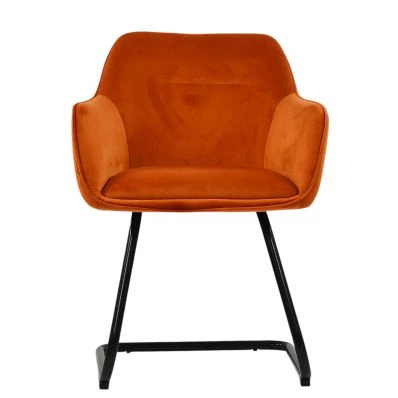
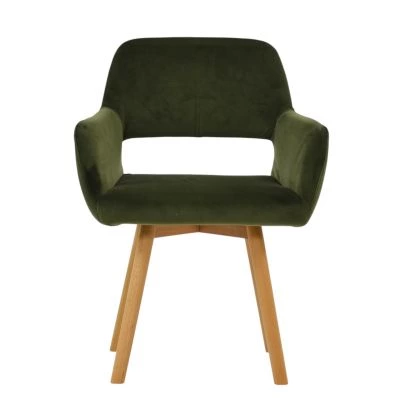
Short-pile velvet often performs surprisingly well in homes with pets. Hair tends to sit on the surface rather than becoming embedded within the fabric, making cleaning easier with a vacuum or lint roller.
We often find that our customers assume velvet will be difficult to maintain, but short-pile velvets frequently outperform more heavily textured fabrics when pets are part of the household.
Faux Leather Remains Easy to Clean
Faux leather remains popular because it allows hair, dirt, and minor spills to be wiped away quickly. It is particularly useful for kitchen seating and dining chairs where food and drink spills are common.
If you already own faux leather furniture and need help dealing with damage, our guide to repairing tears in faux leather furniture covers the process in more detail.
How to Reduce Cat Scratching Damage
Scratching is a natural behaviour rather than a behavioural problem. Cats scratch to maintain claws, stretch muscles, and mark territory.
Rather than trying to stop scratching completely, focus on redirecting it.
- Place scratching posts near furniture that attracts attention
- Offer both vertical and horizontal scratching surfaces
- Reward use of scratching posts
- Use protective furniture covers where necessary
- Apply pet-safe deterrents to vulnerable areas
Double-sided furniture tape is commonly recommended because many cats dislike the sensation on their paws, encouraging them to use alternative scratching surfaces instead.
How to Remove Pet Hair From Furniture
Pet hair becomes easier to manage when it is removed regularly rather than allowed to accumulate.
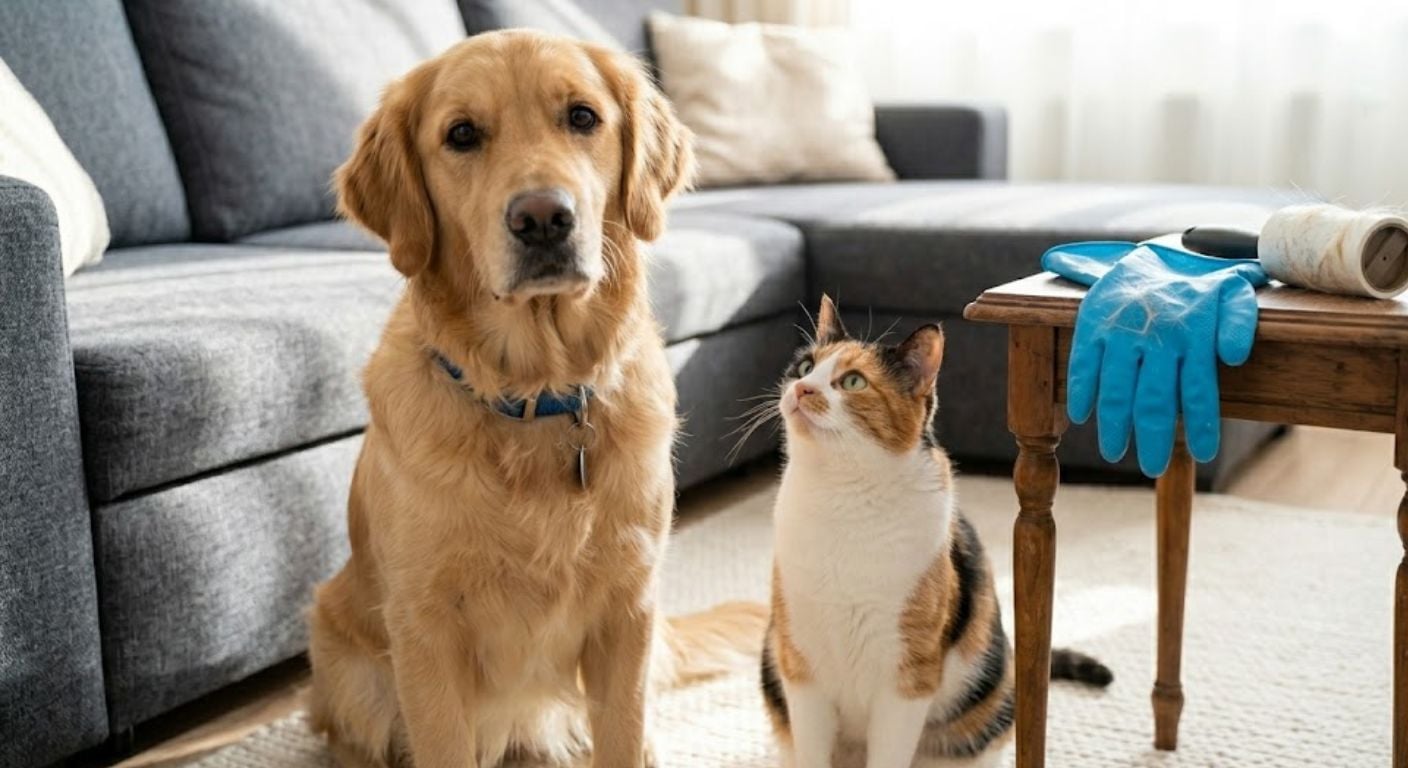
- Use a damp rubber glove to gather loose surface hair.
- Vacuum creases and corners using a narrow upholstery nozzle.
- Finish with a lint roller to remove remaining fibres.
For dining chairs and office chairs, a quick weekly clean often prevents hair from becoming embedded in the fabric.
Dealing With Accidents and Odours
The faster you respond to accidents, the easier they are to manage.
Follow the First-Minute Rule
When accidents occur:
- Blot excess liquid immediately.
- Avoid rubbing, which can spread contamination.
- Use a suitable upholstery cleaner.
- Allow the area to dry fully.
- Repeat treatment if odours remain.
For pet urine, a diluted white vinegar solution is commonly used to help neutralise odours before applying specialist upholstery cleaners. Always test cleaning products on an inconspicuous area first.
Choosing Chairs That Work Better With Pets
If you are buying new furniture, practical design details often matter more than appearance alone.
Consider:
- Metal legs rather than exposed timber where chewing is a concern
- Smooth upholstery rather than heavily textured surfaces
- Darker colours if pets shed heavily
- Seats that can be wiped clean quickly
- Durable upholstery designed for frequent use
Pet owners looking for kitchen seating often benefit from browsing our range of bar stools, particularly easy-clean upholstered designs that cope well with daily family use.
Similarly, many pet owners choose practical dining chairs and durable office chairs with wipeable finishes and hard-wearing upholstery.
When Protective Covers Make Sense
Protective covers are often useful when:
- You have puppies or kittens
- Your pet is recovering from illness
- Training is still ongoing
- The furniture is particularly valuable
- You want an additional layer of protection during shedding seasons
Modern fitted covers tend to look far neater than older loose throws and can significantly extend the appearance of upholstered furniture.
When Pet-Friendly Furniture Matters Most
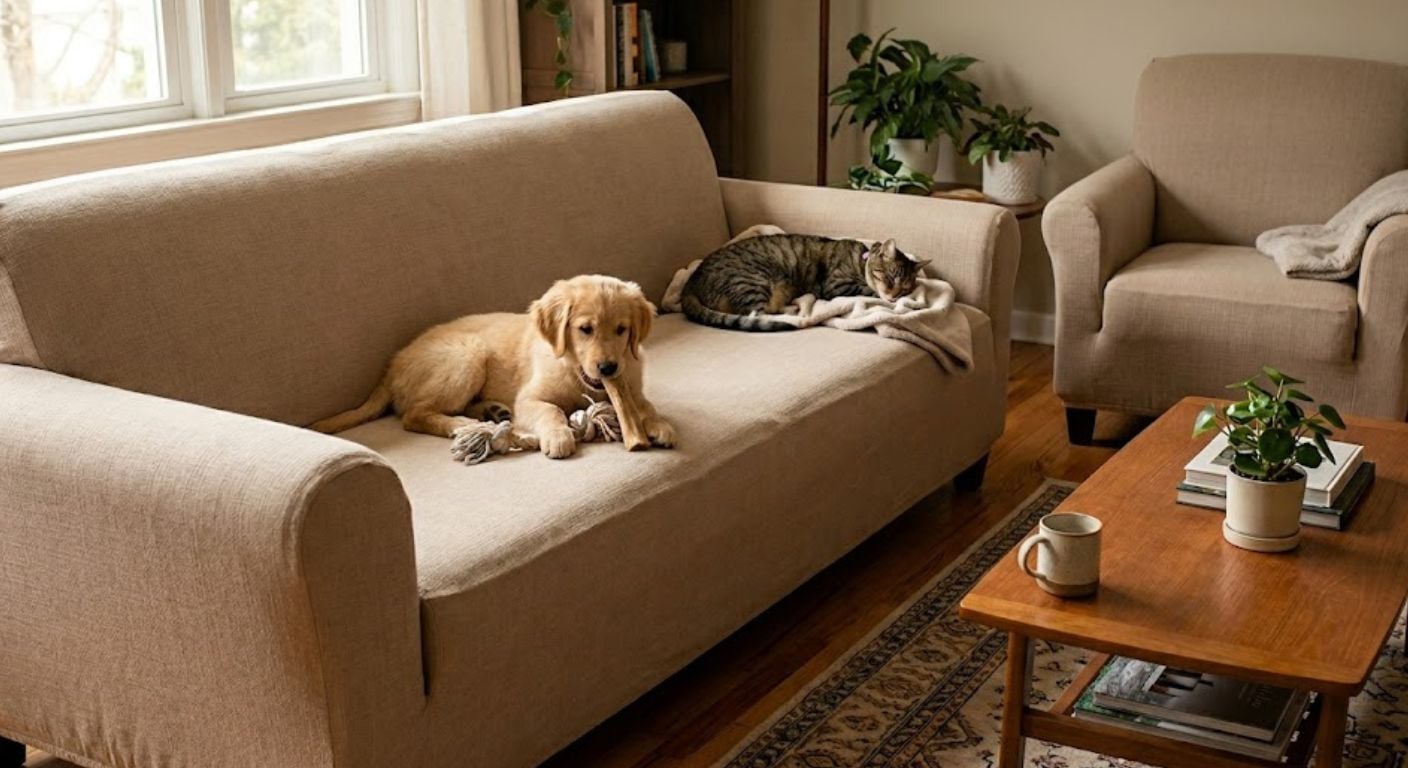
Pet-friendly furniture becomes particularly important in homes where pets spend long periods indoors, regularly access seating areas, or share family living spaces.
If pets rarely interact with furniture, material choice becomes less critical. However, households with active dogs, indoor cats, or multiple pets often benefit from prioritising durability and maintenance over purely decorative considerations.
Frequently Asked Questions
What is the most pet-friendly furniture fabric?
Tightly woven synthetic fabrics, microfibre, and short-pile velvet are generally among the most practical options. They resist snagging better than loose weaves and are easier to clean when hair or dirt accumulates.
Does velvet stand up to cat claws?
Short-pile velvet can perform surprisingly well because claws struggle to catch individual fibres. Long-pile or heavily textured velvets tend to be more vulnerable to visible damage.
How do I stop my cat scratching furniture?
Provide attractive alternatives such as scratching posts, place them near favourite scratching locations, and reward their use. Most successful approaches focus on redirection rather than punishment.
How often should pet furniture be cleaned?
Light weekly maintenance is usually sufficient for most homes. Households with multiple pets or heavy shedders may benefit from more frequent vacuuming and hair removal.
-
-
-
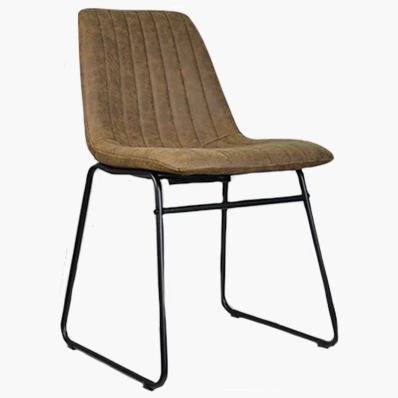 Plato Dining Chair in Aged Brown LeatherSpecial Price £59.99 Regular Price £89.99 Original price 33% Inc VATSaving £30
 -
-
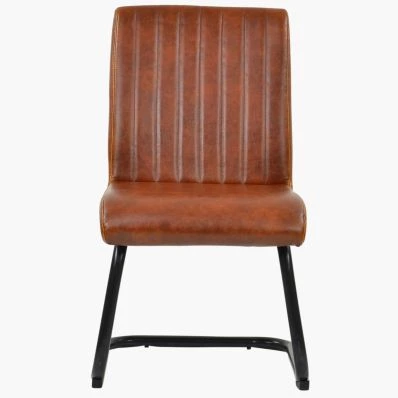
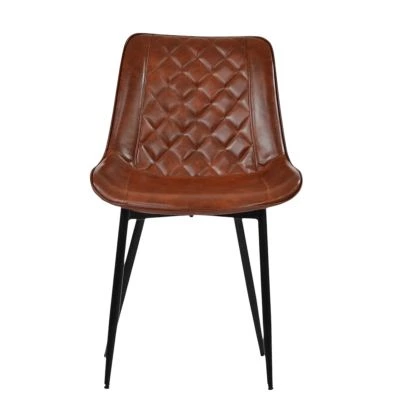 Hogan Dining Chair in Vintage Brown LeatherSpecial Price £44.99 Regular Price £69.99 Original price 36% Inc VATSaving £25Out of stock
 -
-
-
-
-
-
-
Final Thoughts
Looking after furniture with pets is largely about prevention. Choosing durable materials, cleaning regularly, responding quickly to accidents, and providing appropriate outlets for natural behaviours can dramatically extend furniture life.
If you are choosing new seating, focusing on durability, cleanability, and practical upholstery often delivers better long-term results than appearance alone. The right material and maintenance routine can make living with pets far easier while keeping furniture looking its best.


Comments