
 Chat with us on WhatsApp

How To Choose The Perfect Dining Chair For Compact Spaces
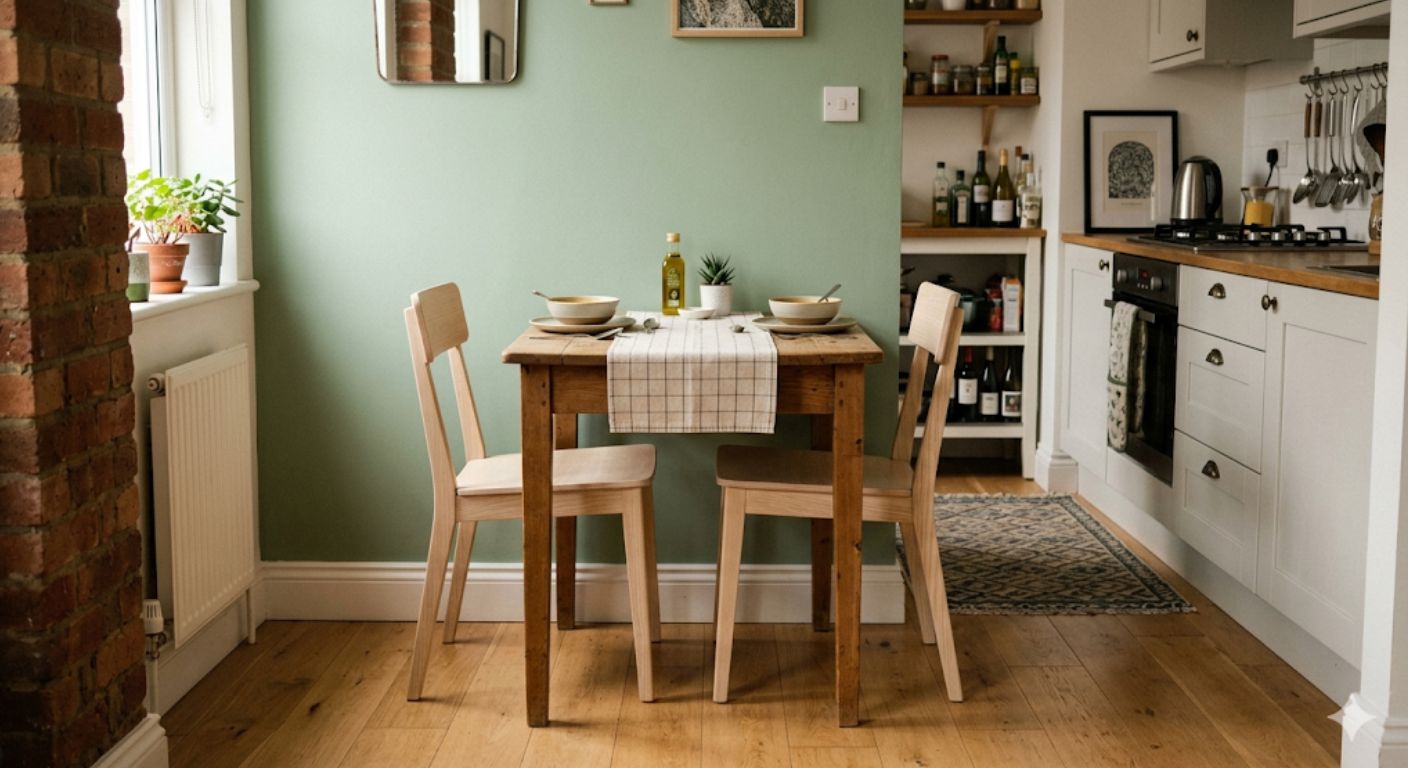
Choosing dining chairs for a compact space is mainly about controlling width, depth, and movement around the table. A chair can look suitable online and still make a small room feel cramped once people start sitting down, pushing back, and walking past. The right choice is usually a slimmer, easier-to-place design that keeps the room functional without making the dining area feel crowded.
This is where compact dining chairs earn their place. You are not trying to solve every sizing question here. You are trying to choose chairs that fit tighter layouts more cleanly, leave usable clearance, and still work for everyday dining. For the broader measurement framework, see Lakeland’s guide to dining chair size.
Start With The Space Around The Chair
In compact rooms, the biggest mistake is focusing only on how the chair looks tucked in. What matters just as much is how much room it uses when someone is actually sitting in it.
A practical starting point is:
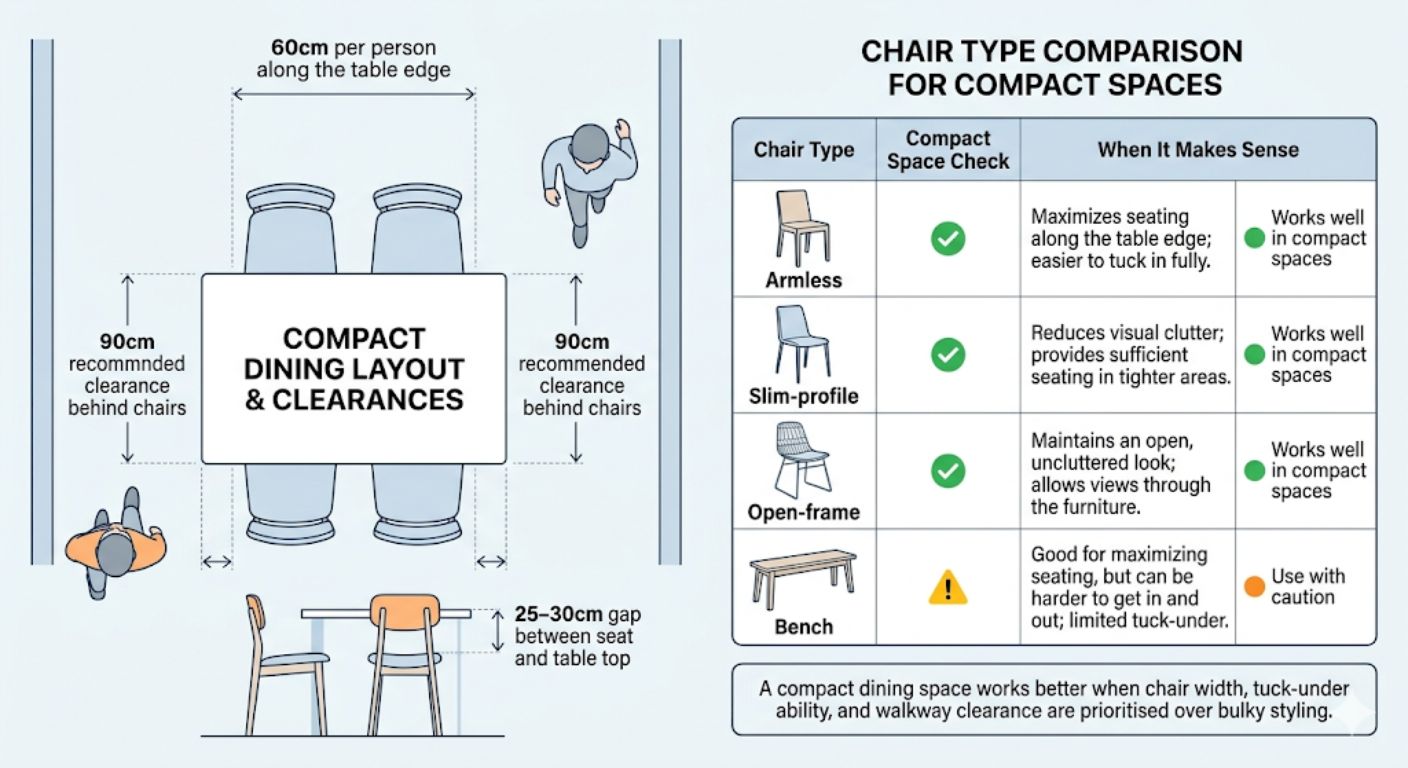
- Allow around 60cm per person along the table edge
- Leave about 90cm behind the chair where possible for comfortable movement
- Keep roughly 25–30cm between the seat and table top for normal legroom
That does not mean every small room can achieve those numbers perfectly. It means you should use them as a decision filter. If a chair is already wide, deep, or heavily padded, it reduces flexibility straight away.
If you are working around a tighter dining setup, focus less on statement designs and more on frames that are easier to place repeatedly without wasting space.
Which Chair Shapes Work Best In Compact Spaces?
The strongest options are usually the ones with the least visual and physical bulk.
Armless chairs
Armless chairs are often the safest choice in a smaller dining area. They normally slide under the table more cleanly, take up less width, and make it easier to seat more people without the layout feeling forced.
They suit:
- Smaller rectangular tables
- Kitchen diners
- Narrow wall-side dining areas
- Homes where chairs may need to move around frequently
They are less useful if you want a more supportive, wraparound sit for longer dinners.
Slim-profile chairs
Slim-profile chairs work well when the room is not especially small overall, but the dining zone itself is tight. A narrower seat and cleaner frame can make the layout easier to live with day to day.
Look for:
- Narrower overall width
- Straight or lightly curved backs
- Legs that do not flare too far out
- Seats without excessive side padding
This matters just as much as table length. A table may technically seat four, but bulky chairs can reduce that in practice.
Open-frame designs
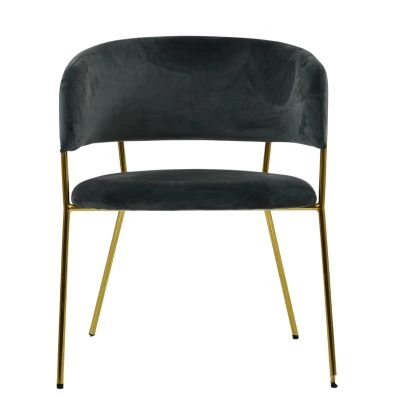
Open-frame dining chairs can help a compact area feel less blocked in. Metal frames, slimmer leg designs, and chairs with more visible negative space tend to reduce visual heaviness.
This makes sense when:
- The dining area sits inside an open-plan room
- You do not want the table zone to dominate the space
- You need chairs that feel lighter without becoming flimsy
What Usually Makes A Compact Dining Chair A Bad Fit?
A compact room is less forgiving. Small sizing mistakes show up faster.
Common problems include:
- Wide seats that stop you fitting the expected number of chairs
- Deep frames that push too far into walkways
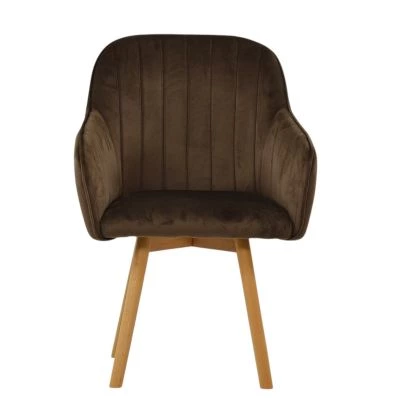
- Large arms that prevent full tuck-under placement
- Heavy upholstery that adds bulk without helping layout efficiency
- Outward-splayed legs that create awkward spacing conflicts
A chair can still be comfortable and well made, but simply wrong for the room. In compact spaces, physical footprint matters more than showroom presence.
How Important Is Chair Width In A Small Dining Area?
Chair width is one of the most important filters in a compact layout because it affects both seating capacity and breathing room at the table.
If you are comparing two similar designs, the narrower one often gives you more flexibility. That might mean:
- fitting the intended number of seats more comfortably
- reducing elbow crowding
- avoiding a squeezed look between table legs
- making it easier to move chairs in and out
This is especially important on fixed-size tables. If the distance between the table legs is limited, wide chairs can make a layout feel wrong even when the outer table dimensions look generous.
For a broader view of how table proportions and seating work together, see the dining table size seating guide.
Material Choice Matters More In Smaller Rooms
In a compact room, the chair finish affects both maintenance and how heavy the layout feels.
Faux leather
Faux leather is a strong practical option if the dining area gets regular use. It is easier to wipe down and usually presents a cleaner, more structured look than softer upholstered finishes.
Best for:
- family dining
- kitchen-dining spaces
- everyday use where spills are likely
Fabric upholstery
Fabric can work well in compact spaces, but bulky padding is where problems start. A neater upholstered chair can still be a good choice if the frame stays controlled.
Best for:
- softer seating feel
- dining areas used for longer meals
- homes where comfort matters more than maximum seating density
Metal or mixed-material frames
These often suit compact layouts because they keep the overall silhouette lighter. They can also pair well with more contemporary tables without making the room feel overcrowded.
Material choice should support the room, not just the look of the chair in isolation. If your priority is easy use in a smaller footprint, practical finishes usually outperform more delicate ones. Lakeland’s full dining chair collection includes a wide range of shapes and finishes suited to different room sizes.
Can Benches Work Better Than Chairs In Compact Spaces?
Yes, sometimes. A bench can be a smart option where one side of the table sits against a wall or where you want to tuck seating fully underneath when it is not in use.
A bench makes sense when:
- you want to free up visible floor space
- you need flexible seating for occasional guests
- one side of the table is harder to access anyway
It makes less sense when:
- you want defined individual seating
- comfort over longer meals is a priority
- people need easy in-and-out access without others moving
So a bench is not automatically better. It is simply more space-efficient in certain layouts.
When Compact Dining Chairs Make Sense
Compact dining chairs are usually the right choice when:
- the table sits in a kitchen diner or open-plan corner
- walkway space is limited
- standard chairs feel too broad or bulky
- you need the room to stay easy to move through
- the dining area has to work hard without feeling overfurnished
They are not always the right choice if your priority is a more generous sit, extra padding, or a more substantial look around a larger table.
If you are deciding between silhouettes, dining chair arms vs armless is also worth reviewing.
FAQs
How much space should I leave behind a dining chair?
A good target is around 90cm from the table edge to the wall or the next obstacle behind the chair. That gives enough room for someone to pull the chair out, sit down, and move around comfortably. In tighter rooms you may work with less, but below that point the space usually starts to feel restricted.
Are armless dining chairs better for compact spaces?
Usually, yes. Armless dining chairs are easier to tuck under the table, take up less width, and generally make it easier to keep a compact layout usable. They are often the safest option where you need to protect walkway space or fit more seats around a smaller table.
Can you use a bench in a small dining room?
Yes, a bench can work well in a small dining room because it tucks fully under the table when not in use and can seat people flexibly. It is most useful where one side of the table is against a wall or where saving visible floor space matters more than having fully individual seating.
What materials work best for compact dining chairs?
The best material depends on how the space is used. Faux leather is practical for wipe-clean everyday use. Neater fabric designs can work well where comfort matters, provided the chair is not too bulky. Slim metal or open-frame designs also help compact layouts feel lighter and less crowded.
-
-
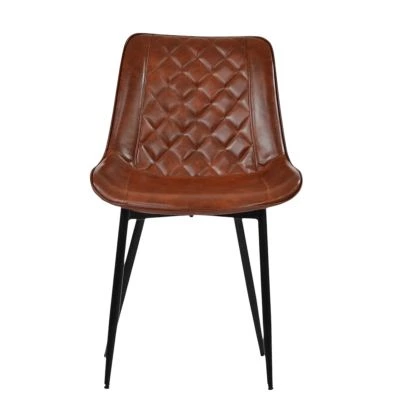
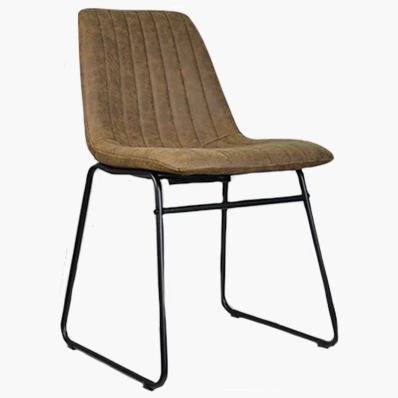 Plato Dining Chair in Aged Brown LeatherSpecial Price £49.99 Regular Price £89.99 Original price 44% Inc VATSaving £40
 -
-
-
-
-
-
-
-
-
-
Final Thoughts
The right dining chair for a compact space is usually the one that uses less room without creating new compromises. Width, depth, tuck-under ability, and clearance matter more than decorative impact. A slimmer, better-controlled chair often improves both the look and the day-to-day function of the room.
For the full buying context, return to Lakeland’s guide to dining chair size. To browse current options, view the full range of dining chairs.


Comments