
 Chat with us on WhatsApp

Dining Chair Styles: How To Pick The Right One For You
Dining chair styles affect more than appearance. The shape of the backrest, frame structure, seat depth, material, and footprint all influence how the chair fits around your table and how comfortable it feels during daily use. A style that works well in a large open-plan dining room may feel oversized in a compact kitchen diner, while some chair types suit long meals better than occasional use.
This guide explains the main dining chair styles, how they differ structurally, and how to choose the right option for your table layout, room size, and household needs. It also covers spacing rules, material decisions, and common buying mistakes that lead to uncomfortable seating or poor fit.
If you are still comparing overall options, you can also browse Lakeland’s full dining chair collection for different frame styles, upholstery types, and dining setups.

What Are the Main Types of Dining Chair Styles?
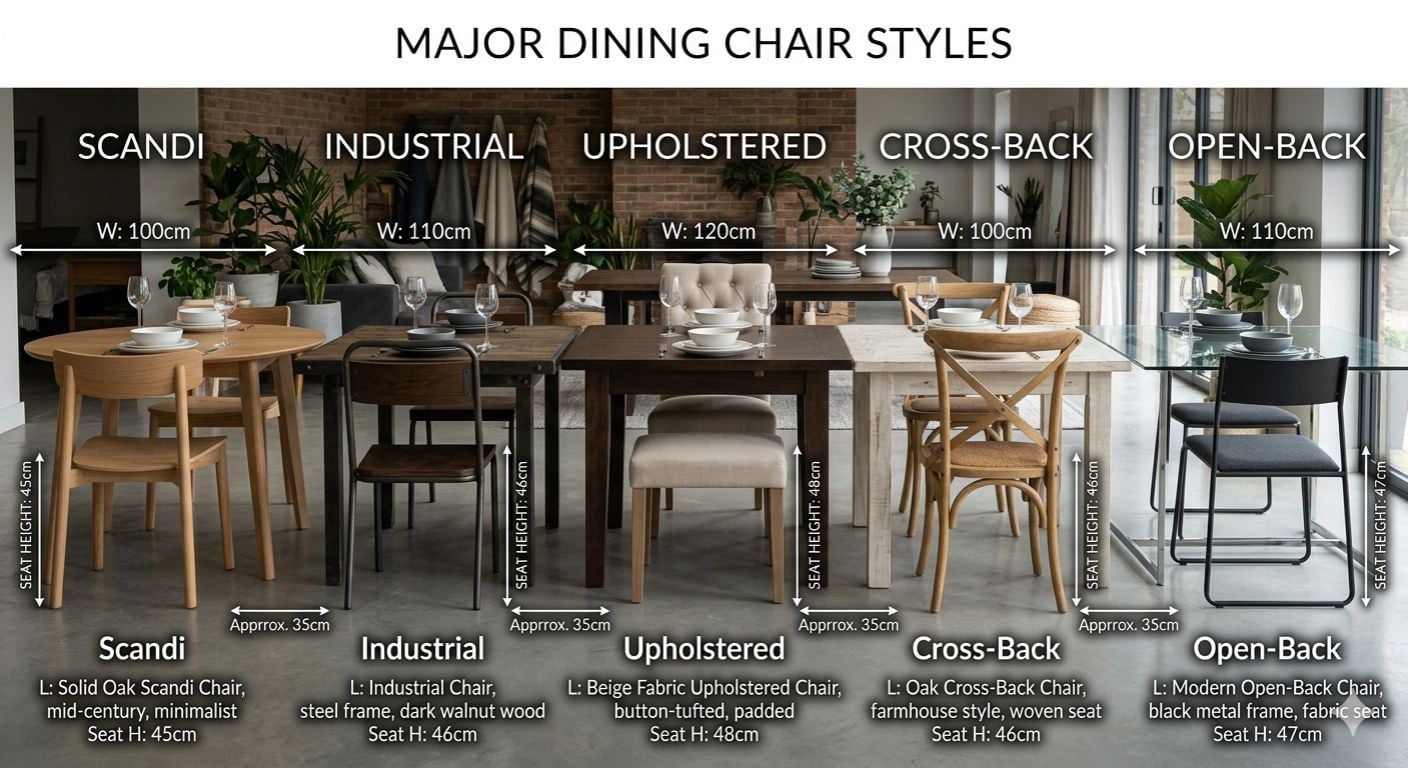
Most dining chair styles fall into a few core categories based on frame design, visual weight, and construction. These styles are often grouped by both structure and design era.
Modern Dining Chairs
Modern dining chairs usually feature clean lines, slim frames, and minimal detailing. Many use metal legs, moulded shells, or simple upholstered seats with neutral finishes. They work well in open-plan kitchens and contemporary dining spaces where visual clutter needs to stay low.
Scandinavian Dining Chairs
Scandinavian or Scandi dining chairs focus on simplicity and practicality. Common features include light wood tones, curved backs, and compact proportions. Open-back designs are especially popular because they reduce visual heaviness around smaller tables.
Industrial Dining Chairs
Industrial dining chairs combine metal frames with wood or faux leather seats. They are usually more structured and rigid than upholstered styles. Powder-coated steel legs and exposed frame details are common.
Mid-Century Dining Chairs
Mid-century dining chairs typically use tapered legs, curved backs, and lower-profile silhouettes. Many designs blend wood frames with upholstered seats. These chairs often suit rectangular wooden dining tables and open-plan dining areas.
Farmhouse and Rustic Dining Chairs
Farmhouse dining chairs often use solid wood construction with visible grain, spindle backs, or cross-back frames. Rustic variations tend to have chunkier proportions and heavier visual weight.
Traditional Dining Chairs
Traditional styles usually include higher backs, decorative stitching, button detailing, or carved wooden frames. These chairs often occupy more visual and physical space than modern alternatives.
Dining Chair Back Styles Explained
The backrest changes both comfort and room balance. Some designs provide more support during long meals, while others reduce visual bulk in compact spaces.
Ladder-Back Chairs
Ladder-back chairs use horizontal slats across the backrest. They provide moderate support while keeping the frame visually open.
Cross-Back Chairs
Cross-back or X-back chairs use intersecting rear supports. They are common in farmhouse and rustic layouts and usually pair well with wooden dining tables.
Windsor Chairs
Windsor dining chairs use spindle-style backs with curved upper rails. They are lightweight visually and physically, making them useful in smaller dining rooms.
Open-Back Chairs
Open-back designs reduce visual heaviness and improve sight lines across the room. These styles work particularly well in flats, compact dining spaces, and kitchen diners.
High-Back Chairs
High-back dining chairs offer more upper-back support and create a more formal look around the table. They generally suit larger rooms better because of their taller visual profile.
For a more detailed breakdown of where taller designs work well, see this guide to high-back dining chairs.
Dining Chair Materials and Frame Types
The frame and upholstery material affect maintenance, comfort, durability, and overall weight.
| Factor | Wood Dining Chairs | Upholstered Dining Chairs |
|---|---|---|
| Comfort | Firmer seating feel | Softer and more cushioned |
| Maintenance | Usually easier to wipe clean | Fabric may require more upkeep |
| Weight | Can vary depending on wood type | Usually heavier overall |
| Visual Style | Works well in rustic and Scandi layouts | Common in modern and formal spaces |
| Daily Use | Good for high-frequency use | More comfortable for longer seating periods |
We often find our customers focus heavily on upholstery colour at first, but frame width and back shape usually have a bigger impact on long-term satisfaction once the chairs are actually around the table.
If you want a deeper comparison between specific upholstery types, Lakeland also has separate guides covering materials, fabrics, and practical use cases.
How Dining Chair Size Affects Style Choice
Even visually lightweight dining chairs still need enough physical clearance around the table. Style and dimensions must work together.
The standard seat height for a dining chair is 46 to 51 cm, leaving a 25 to 30 cm gap between the seat and the underside of the table.
Most standard dining tables measure between 71 and 76 cm high. This leaves enough legroom for comfortable seating.
Dining Chair Width Rules
- Allow roughly 60 cm per person at the table
- Leave approximately 15 cm between chairs
- Avoid oversized armchairs on compact tables
- Slim metal or open-back frames help preserve usable space
Push-Back Clearance
Aim for a push-back zone of roughly 70 to 90 cm behind dining chairs so guests can slide chairs back comfortably without hitting walls or furniture.
For detailed sizing formulas and spacing guidance, see Lakeland’s dedicated dining chair size guide.
How Many Dining Chairs Fit Around a Table?
The easiest way to estimate seating capacity is to divide the usable table length by the average chair width plus spacing allowance.
- Measure usable table length
- Allow roughly 60 cm per diner
- Add around 10–15 cm spacing between chairs
- Reduce chair count if using wider upholstered designs
For example:
- 180 cm table ÷ 60 cm = approximately 3 chairs per side
- A 180 cm rectangular table usually fits 6 dining chairs comfortably
Should Dining Chairs Match the Table?
Dining chairs do not need to match the table exactly. In many cases, slight contrast creates a more balanced setup than buying a full matching dining set.
The safest approach is to keep at least one shared element consistent:
- Wood tone
- Leg finish
- Frame shape
- Design era
- Upholstery colour family
For example, black metal dining chair legs often pair well with black table bases, while oak-effect chairs usually work best alongside natural wood finishes.
If you want more detailed pairing advice, see Lakeland’s article on mixing and matching dining chairs.
Dining Chair Styles for Small Spaces
Compact dining areas benefit from lighter visual structures and reduced chair footprints.
Usually, the safest choices include:
- Open-back chairs
- Slim metal frames
- Lower backrests
- Armless designs
- Compact upholstered seats
Large wingback or heavily padded dining chairs can overwhelm smaller layouts quickly, especially around round dining tables or kitchen diners.
Which Dining Chair Styles Work Best for Families?
Households with children or pets normally benefit from more durable finishes and simpler frame structures.
- Wood and faux leather are generally easier to wipe clean
- Textured fabric can trap crumbs and pet hair
- Curved metal legs often collect fewer scuff marks than painted timber frames
- Lighter chairs are easier to move daily
According to the BIFMA furniture standards association, durability testing is an important indicator of long-term seating performance in frequent-use environments.
Decision Guide: Which Dining Chair Style Should You Choose?
- If your dining area is compact, choose open-back or slim-frame chairs.
- If you host long meals regularly, prioritise upholstered seats and supportive backrests.
- If you want easier maintenance, choose wipe-clean surfaces or solid wood frames.
- If your table is visually heavy, avoid bulky chairs with oversized backs.
- If your dining room is open-plan, lighter chair designs usually integrate more naturally.
- If your table already dominates the room visually, simpler chair frames create better balance.
Popular Dining Chair Colours and Style Pairings
Colour changes how prominent a dining chair appears within the room. Darker finishes create more contrast, while lighter tones reduce visual weight.
- Grey dining chairs work well with oak, marble, and black dining tables
- Black dining chairs suit industrial and modern interiors
- Cream and beige upholstery softens darker table finishes
- Bright coloured dining chairs create stronger contrast in neutral spaces
For more detailed examples, see:
Frequently Asked Questions
What is the standard dining chair seat height?
The standard seat height for most dining chairs is between 46 and 51 cm. This usually works with dining tables measuring 71 to 76 cm high and creates a comfortable clearance gap for legroom.
How much space should you leave between dining chairs?
Most dining setups work best with approximately 15 cm between chairs and around 60 cm total width per person. Wider upholstered chairs may require additional spacing.
Are upholstered dining chairs practical for daily use?
Yes, but practicality depends on fabric type and household use. Faux leather and performance fabrics are usually easier to maintain than textured upholstery in homes with children or pets.
Do dining chairs need to match the table?
No. Dining chairs generally look more balanced when they coordinate rather than match exactly. Keeping one shared feature consistent usually creates a more cohesive result.
What dining chair styles work best in smaller rooms?
Open-back, slim-frame, and armless dining chairs normally work best in smaller rooms because they reduce visual bulk and allow more movement around the table.
-
-
-
-
-
-
-
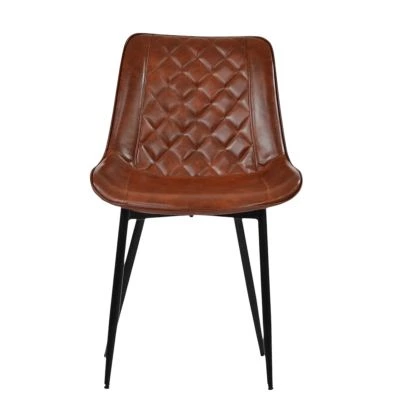
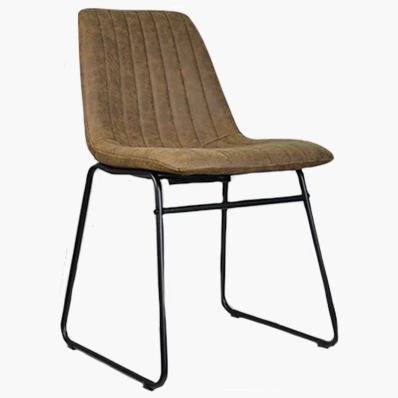 Plato Dining Chair in Aged Brown LeatherSpecial Price £49.99 Regular Price £89.99 Original price 44% Inc VATSaving £40
 -
-
-
-
-
Summary
- Standard dining chair seat height is usually 46–51 cm
- Leave around 70–90 cm behind chairs for push-back clearance
- Allow approximately 60 cm width per diner
- Open-back and slim-frame chairs suit smaller spaces
- Upholstered chairs improve comfort during long meals
- Wood and wipe-clean finishes usually simplify maintenance
- Avoid oversized chairs around compact dining tables
- Dining chairs should coordinate with the table rather than match exactly
Choosing the right dining chair style comes down to balancing support, spacing, material practicality, and table compatibility. If you are comparing different shapes, upholstery types, or frame styles, Lakeland’s full dining chair range includes modern, industrial, Scandi, upholstered, and wooden dining chair options for different layouts and room sizes.


Comments