
 Chat with us on WhatsApp

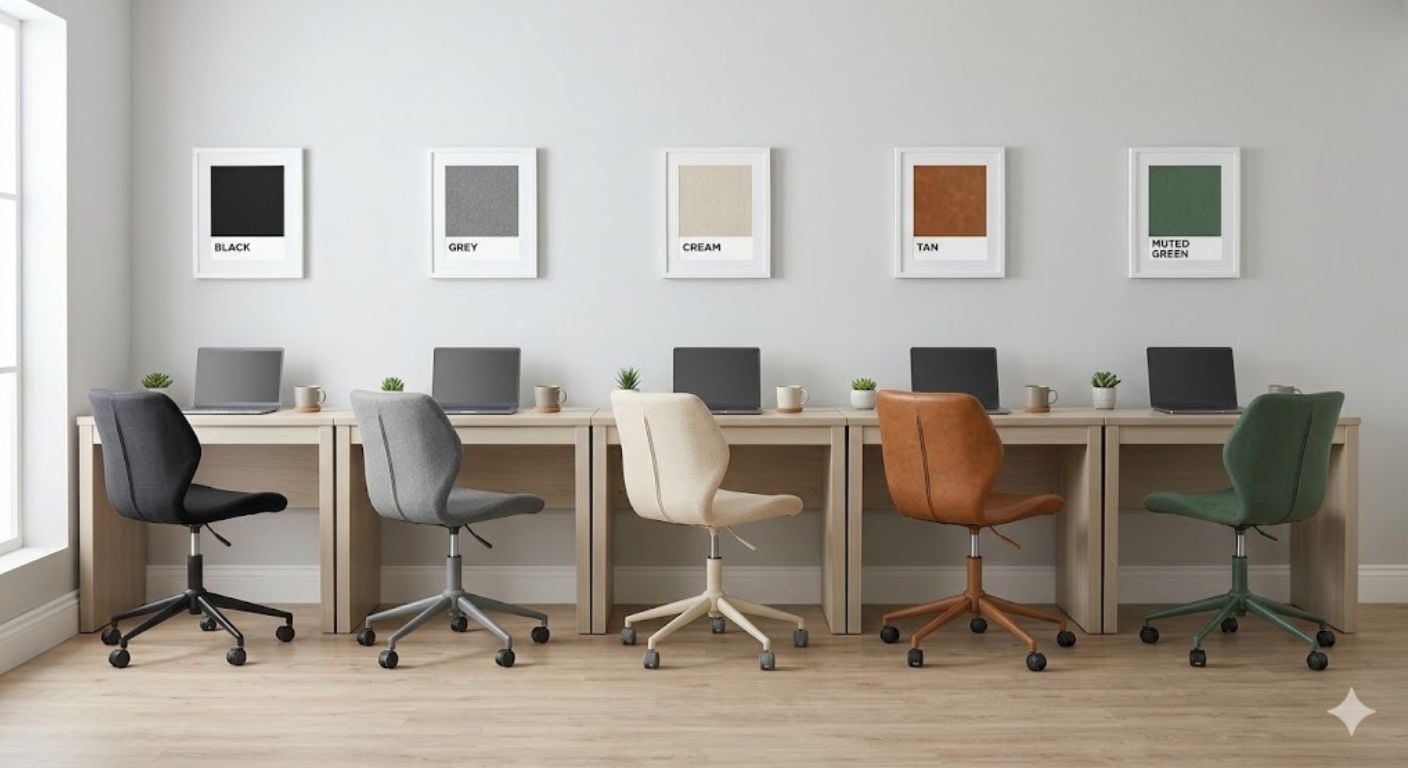
Office Chair Colours: Picking the Right Colour Chair for Your Office
Choosing between different office chair colours is not just about matching a room. The colour affects how visible the chair feels in the space, how easily it shows marks, and whether it works with your desk, flooring, lighting and other furniture.
For a home workspace, the safest choice is usually a neutral office chair colour such as black, grey, beige, cream or brown. These colours are easier to coordinate and less likely to date quickly. Bolder colours can work well, but they need more care because the chair becomes a stronger visual feature.
This guide focuses on colour choice only. For the wider furniture, layout and styling decision, use our guide to creating a modern home office with stylish office chairs.
Start with the room, not the chair
The easiest mistake is choosing a chair colour in isolation. A chair may look good on its own but feel too dark, too bright or too cold once it sits beside a desk, wall colour and floor finish.
Before choosing a colour, look at:
- Desk colour and material
- Flooring colour
- Wall colour
- Natural light levels
- Other furniture in the room
- Whether the chair needs to blend in or stand out
A chair used in a spare bedroom, dining room or open-plan space usually needs to feel softer than a chair used in a separate office. In shared rooms, colours such as cream, beige, taupe, grey and brown often work better because they look less like traditional office furniture.
Black office chairs
Black is the most practical and traditional office chair colour. It works well with black desks, dark metal frames, monochrome schemes and rooms where the chair needs to feel professional rather than decorative.
Black also hides many everyday marks better than pale upholstery. This makes it useful for regular working, shared desks and busy homes. The trade-off is that black can look heavy in small rooms, especially if the desk and flooring are also dark.
Choose black if you want:
- A practical colour for regular use
- A chair that works with most desk finishes
- A more formal or work-focused look
- Less visible staining than pale fabric
Avoid black if the room is small, dark or already has a lot of heavy furniture.
Grey office chairs
Grey is one of the most flexible office chair colours because it sits between light and dark. It is softer than black but usually more practical than cream or white.
Light grey works well in bright rooms, Scandi-style spaces and pale wood interiors. Dark grey is better for heavier use because it hides more marks and gives a more grounded look.
Grey is also useful when you do not want the chair to become the main feature in the room. It blends easily with white, black, oak, walnut, glass and metal desks.
Choose grey if you want:
- A neutral chair that is easy to coordinate
- A softer alternative to black
- A colour that works in both modern and traditional spaces
- A practical option for daily home working
Cream, beige and neutral office chairs
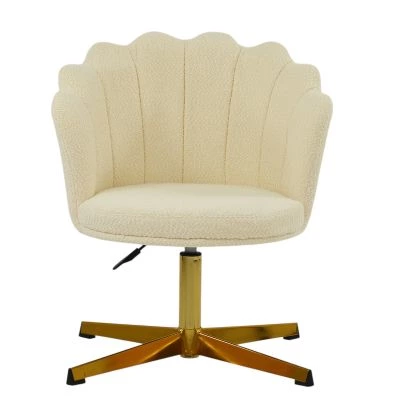
Cream, beige and warm neutral chairs are good choices for home offices that are part of a bedroom, dressing room or living space. They feel less corporate than black and can make a workspace look more connected to the rest of the home.
The main drawback is maintenance. Pale upholstery shows dust, denim transfer, make-up, food marks and general wear more easily than darker colours. This does not mean you should avoid it, but it does mean the chair needs to suit the way the room is used.
One thing our customers often underestimate is how quickly pale fabric can show contact marks if the chair is used every day rather than occasionally.
Choose cream or beige if you want:
- A softer chair for a bedroom or dressing room workspace
- A colour that works with oak, white or pale wood desks
- A warmer alternative to white
- A chair that feels more like home furniture
Avoid very pale colours if the chair will be used heavily, shared by several people, or placed near food, pets or children.
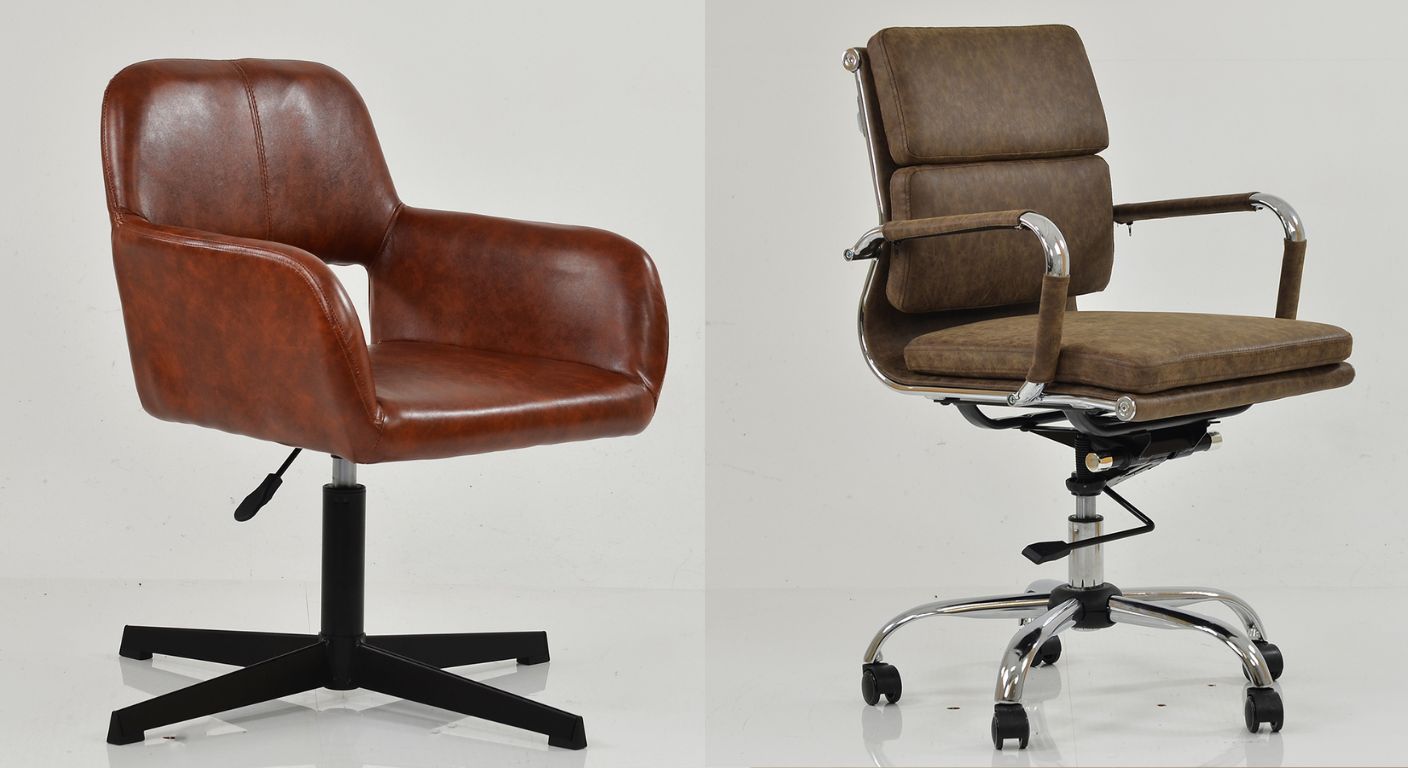
Brown and tan office chairs
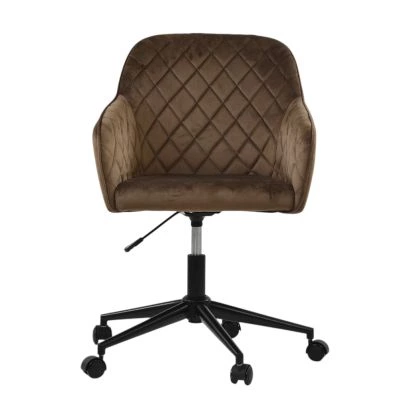
Brown and tan office chairs work well in warmer interiors. They suit wood desks, darker floors, vintage-style rooms and offices where black feels too stark.
Tan can add warmth without being as bold as red, green or blue. Dark brown is more traditional and often works best with walnut, black metal or industrial-style desks.
These colours are also useful if you want a chair that looks substantial but not overly formal. They sit well in studies, living rooms and workspaces with natural materials.
Choose brown or tan if you want:
- A warmer alternative to black
- A chair that pairs well with wood furniture
- A more traditional or vintage look
- A colour that hides wear better than cream
White office chairs
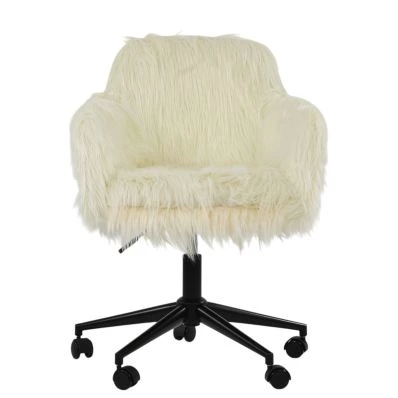
White office chairs can look clean and light, especially with white desks, pale walls and bright natural light. They are strongest in rooms where the chair is part of a controlled design rather than a heavily used work seat.
The problem is that white is not very forgiving. It can show marks, scuffs and colour transfer quickly, particularly on seats and armrests. Faux leather and wipe-clean finishes may be easier to maintain than soft fabric, but white still needs more care than grey, black or brown.
White can work well, but it is not the safest default choice for daily use. For more focused advice, read our guide on how to style a white office chair in a home office.
Pink, blue, green and colourful office chairs
Colourful office chairs can work well when the rest of the room is simple. A coloured chair is usually most successful when it repeats or complements another colour already in the room, such as artwork, curtains, shelving or accessories.
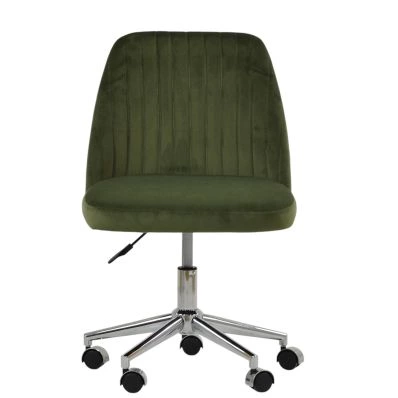
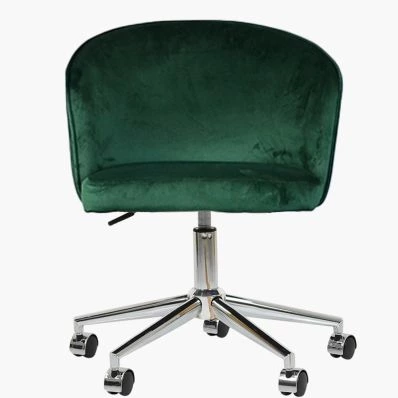
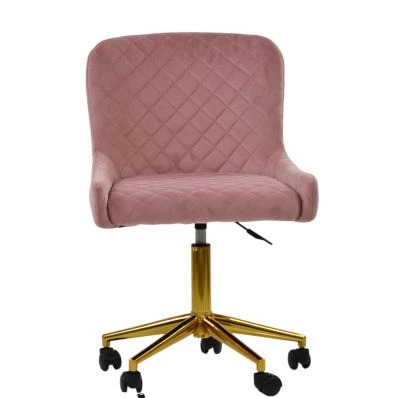
Blue and green tend to feel calmer and easier to live with than strong red, orange or yellow. Pink can work well in dressing room offices, bedrooms and softer home workspaces, but the shade matters. Dusty pink is usually easier to place than bright pink.
Use colourful office chairs carefully in small rooms. A strong colour can make the chair feel larger and more dominant, even if the physical size is the same.
Choose a colourful chair if:
- The room has a simple base palette
- You want the chair to be a visible feature
- The colour appears elsewhere in the room
- You are comfortable with a stronger design choice
If you are choosing pink specifically, our guide to pink desk chairs covers where colour choice should stop and practical chair features should take over.
Match the colour to the desk and floor
The desk and floor have the biggest effect on whether an office chair colour works. They sit directly beside the chair, so clashes are more obvious than they are with wall colours or accessories.
| Desk or floor finish | Chair colours that usually work | Colours to use carefully |
|---|---|---|
| White desk | Grey, cream, beige, white, soft pink | Heavy black, unless used elsewhere in the room |
| Oak or pale wood | Cream, beige, tan, grey, green | Very cool white or harsh black |
| Walnut or dark wood | Brown, tan, black, dark grey, cream | Bright colours with no link to the room |
| Black desk | Black, grey, tan, white, deep green | Pale fabric in high-use areas |
| Grey flooring | Black, grey, cream, blue, green | Warm beige if the room is very cool-toned |
If the desk and floor are already strong colours, keep the chair simpler. If the room is very plain, the chair can carry more colour without overwhelming the space.
Think about light levels
Light changes how office chair colours appear. A chair that looks soft and balanced in a bright product photo may appear darker in a room with limited natural light.
In darker rooms, black, charcoal and deep brown chairs can feel heavier. Mid-grey, beige, tan or cream may help the room feel less closed in. In very bright rooms, pale colours can work well, but they may also show marks more clearly.
For rooms with strong direct sunlight, darker and richer colours may fade or change tone over time depending on material and placement. Keeping the chair away from prolonged direct sunlight can help preserve the finish.
Consider maintenance before choosing a pale colour
Colour affects how often the chair looks clean. This is especially important if the chair is used daily, placed in a shared room, or upholstered in fabric.
As a simple guide:
- Black: good for hiding stains, but may show dust or lint
- Dark grey: one of the most practical everyday choices
- Light grey: balanced, but can show marks over time
- Cream and white: bright and soft, but less forgiving
- Brown and tan: good for warmth and moderate wear visibility
- Bright colours: can fade visually if the rest of the room changes
For workstation comfort and safe desk use, colour should always sit behind practical setup. The Health and Safety Executive advises that regular display screen users need the whole workstation assessed, including furniture and working conditions, not just the chair itself.
When should the chair blend in?
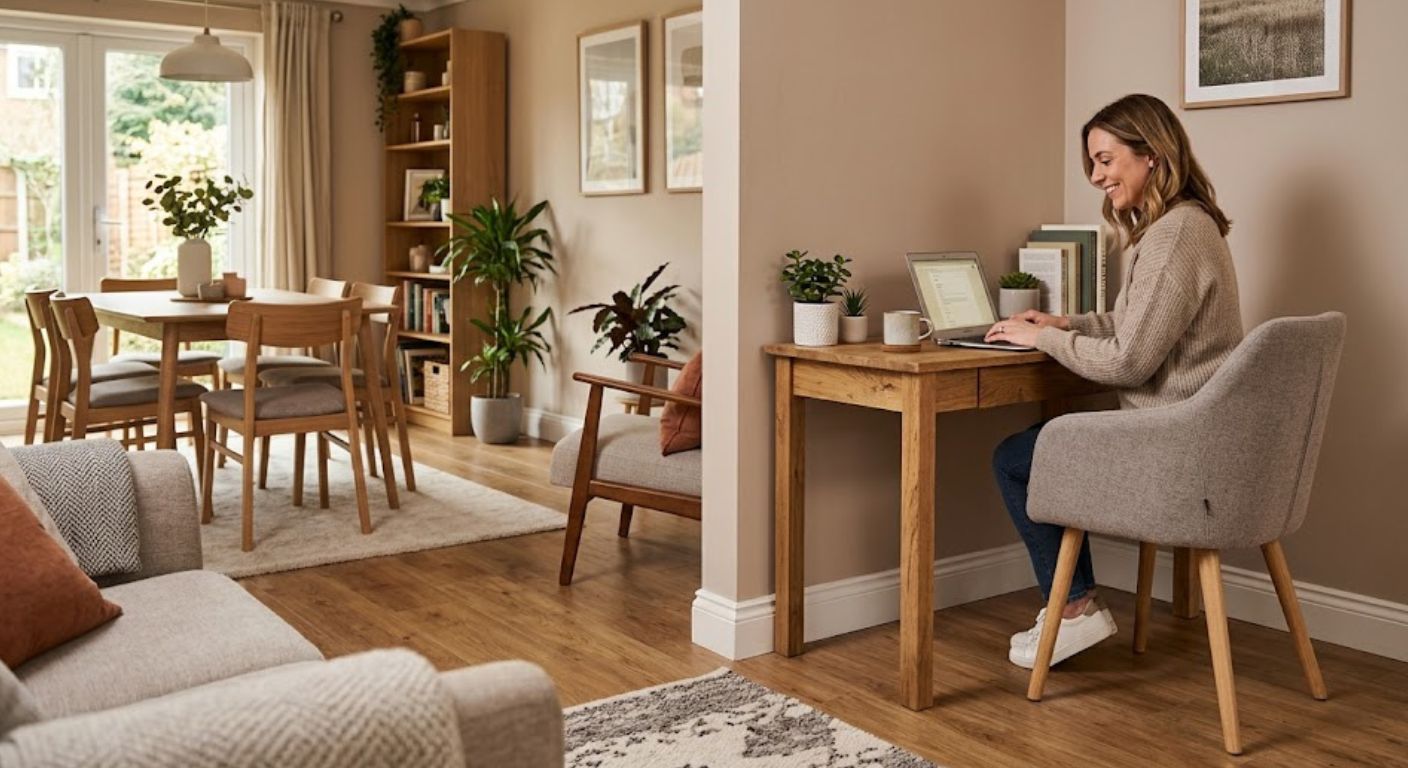
A chair should blend in when the workspace is part of another room. This is common in bedrooms, dining rooms, guest rooms and open-plan living areas.
Choose a blending colour if:
- The room is used for more than work
- You do not want the chair to look too corporate
- The desk is small or visually light
- The chair will be visible from other parts of the home
Good blending colours include grey, beige, cream, taupe, tan and soft brown. These shades usually sit more naturally with domestic furniture than strong black or bright colour choices.
When should the chair stand out?
A chair can stand out when the room is simple, the desk area is clearly defined, or the chair is intended to add character to the workspace.
This works best when the rest of the room is controlled. A blue, green, pink or tan chair can look considered if it repeats another colour in the room. It can look accidental if nothing else connects to it.
Choose a standout colour if:
- The room has a neutral base
- You want the chair to act as an accent piece
- The colour appears elsewhere in the space
- You are unlikely to change the room scheme soon
Practical colour recommendations
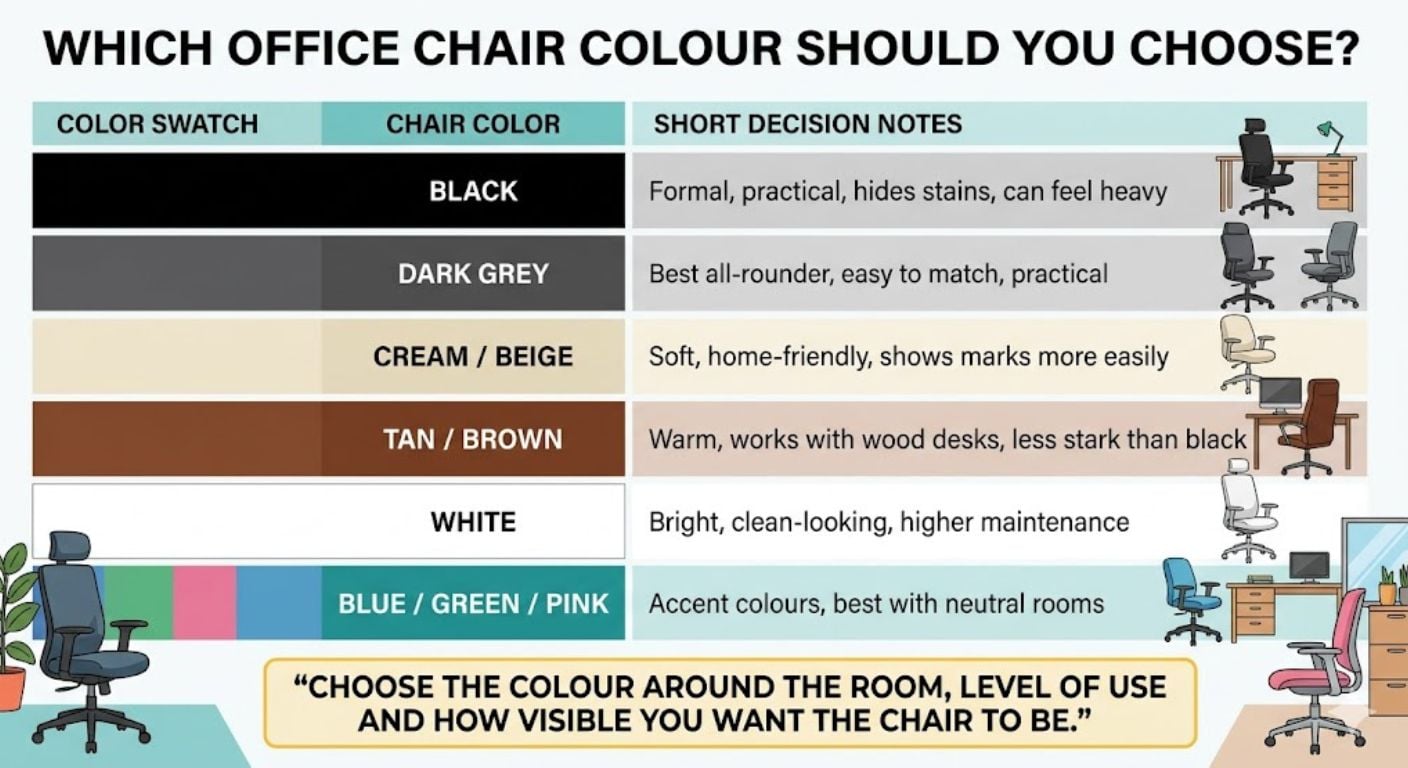
For most home offices, the safest office chair colours are grey, black, beige, cream, tan and brown. They are easier to match, easier to live with and less likely to date quickly.
Use this simple guide:
- Best practical all-rounder: dark grey
- Most formal: black
- Softest for bedrooms: cream or beige
- Warmest with wood furniture: tan or brown
- Lightest visual effect: white or pale grey
- Best accent choices: blue, green or muted pink
If you are choosing between several colours in the same chair, start with the room’s fixed finishes first. Desk, floor and wall colour should guide the choice more than short-term trends.
FAQ
What is the best office chair colour?
The best office chair colour for most homes is grey because it is neutral, practical and easy to match with different desks and room styles. Black is more formal, while beige, cream and tan are softer choices for bedrooms, dressing rooms and shared living spaces.
Are black office chairs better than grey office chairs?
Black office chairs are usually better for a formal workspace or heavier daily use. Grey office chairs are softer visually and often easier to use in home interiors. Dark grey is a strong middle ground because it is practical without looking as heavy as black.
Do cream office chairs get dirty quickly?
Cream office chairs can show marks faster than black, grey or brown chairs, especially if they are used every day. They work best in lower-use spaces or rooms where the softer look matters more than maximum practicality. Regular light cleaning helps, but pale upholstery is less forgiving.
What colour office chair goes with a white desk?
Grey, cream, beige, white and soft pink office chairs usually work well with a white desk. Black can also work, but it creates a stronger contrast. If the room is small or soft in style, a mid-tone or pale chair often feels more balanced than a heavy dark one.
Should an office chair match the desk?
An office chair does not have to match the desk exactly. It should coordinate with the desk, floor and wider room. Matching too closely can look flat, while a controlled contrast often works better. For example, a tan chair can soften a black desk, and grey can balance a white desk.
-
-
-
-
-
-
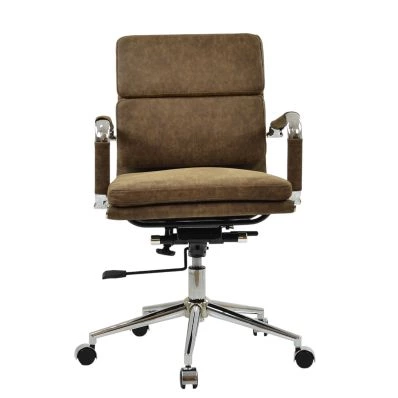 Chester Office Chair in Aged Brown LeatherSpecial Price £129.99 Regular Price £179.99 Original price 28% Inc VATSaving £50
 -

-
-
-
-
-
Final thoughts
Office chair colour should be chosen around the room, the level of use and how visible you want the chair to be. Grey, black, beige, cream, tan and brown are the safest choices for most home workspaces, while stronger colours work best when they are repeated elsewhere in the room.
Once you know which colour direction suits your space, compare the full range of office chairs by material, shape, base style and finish. For wider layout guidance, return to the main guide on creating a modern home office.


Comments