
 Chat with us on WhatsApp


Tilt Tension Office Chair: What It Does and How to Set It
Tilt tension controls how easily your office chair reclines. It’s adjusted using the large knob underneath the seat and determines how much resistance you feel when leaning back. Set correctly, it keeps the chair stable while still allowing movement.
This guide explains what tilt tension does, how to adjust it properly, and how to fix common issues. For full setup, including posture and positioning, see Office Chair Posture Adjust Correctly.
What Is Tilt Tension on an Office Chair?
Tilt tension is the resistance you feel when leaning back in your chair. It’s controlled by a knob under the seat, which tightens or loosens an internal spring.
A higher tension setting makes the chair harder to recline. A lower setting makes it easier to lean back.
Where the Tilt Tension Knob Is
The tilt tension knob is usually a large, round dial located directly underneath the seat, often centred or slightly towards the front. It’s separate from the height lever and tilt lock control.
If you’ve searched “what does the knob on the bottom of an office chair do”, this is usually the part you’re looking at.
What the Tilt Tension Knob Actually Does
The knob adjusts how much force is needed to recline the chair. It does not lock the chair in place — that’s handled by a separate tilt lock lever.
- Turn clockwise: increases resistance (harder to lean back)
- Turn anticlockwise: reduces resistance (easier to recline)
This allows the chair to match your body weight. A lighter user typically needs less tension. A heavier user needs more to avoid the chair dropping back too quickly.
How to Adjust Tilt Tension Properly
The goal is controlled movement — not rigid, not loose.
Step-by-Step Adjustment
- Sit fully back in the chair with your feet flat on the floor
- Locate the tilt tension knob under the seat
- Turn anticlockwise to loosen, clockwise to tighten
- Lean back gently to test the resistance
- Repeat in small adjustments until the recline feels balanced
You should be able to lean back without effort, but not feel like the chair is tipping.
How Tight Should Tilt Tension Be?
There isn’t a fixed setting. It depends on your weight and how you sit.
- Too tight: chair feels upright and rigid, difficult to recline
- Too loose: chair drops back too quickly or feels unstable
- Correct setting: smooth recline with consistent resistance
A properly set tilt tension helps maintain posture without forcing you into a fixed position.
Tilt Tension vs Tilt Lock (Common Confusion)
These are separate controls and often confused.
- Tilt tension: controls how easy it is to recline
- Tilt lock: stops the chair from reclining at all
If your chair won’t lean back, the tilt lock is likely engaged — not the tension setting.
Why Tilt Tension Matters for Comfort
Correct tilt tension supports movement while keeping your posture stable. This reduces the tendency to sit rigidly or slump.
- Encourages small, natural movement while seated
- Reduces pressure on the lower back during long sessions
- Helps maintain balance when reclining
Common Tilt Tension Problems (And Fixes)
Chair Won’t Recline
- Check the tilt lock lever — it may be engaged
- Loosen the tension knob fully and test again
Chair Reclines Too Easily
- Tighten the tension knob gradually
- Test while seated — tension must match your body weight
Tension Knob Is Hard to Turn
- Normal at higher tension settings
- Stand up slightly to reduce pressure while adjusting
No Difference When Adjusting
- Possible worn or faulty tilt mechanism
- Internal spring may not be engaging
If multiple adjustments don’t change resistance, the mechanism may need replacing.
Different Tilt Mechanisms (Quick Context)
Tilt tension works across most office chairs, but the feel varies depending on the mechanism.
- Centre tilt: seat and back move together from a central pivot
- Synchro tilt: back reclines more than the seat for better balance
Higher-end chairs often use synchro tilt for smoother movement and better posture support.
How Tilt Tension Fits Into Full Chair Setup
Tilt tension is one part of overall chair setup. It works alongside seat height, armrests, and screen position.
For a complete setup process, see:
FAQ: Tilt Tension Office Chair
What does the knob under an office chair do?
It controls tilt tension — the resistance when leaning back. Turning it adjusts how easy or difficult it is to recline.
How do I make my office chair easier to lean back?
Turn the tilt tension knob anticlockwise to reduce resistance. Adjust gradually and test while seated.
Why is my office chair stuck upright?
Most likely the tilt lock is engaged. Release the lever and check the tension setting is not fully tightened.
Is tilt tension important?
Yes. It helps balance the chair to your weight, improving comfort and preventing sudden or unstable movement.
Should I use tilt lock or tilt tension?
Use tilt tension for controlled movement. Use tilt lock only if you want the chair fixed upright.
-

-
-
-
-
-
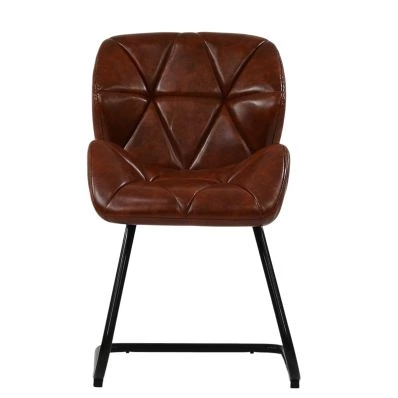
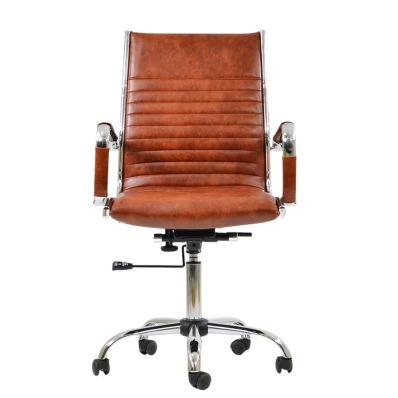
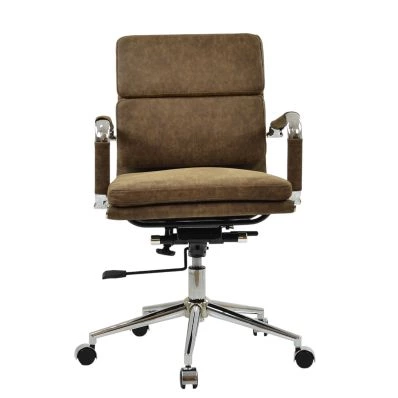 Chester Office Chair in Aged Brown LeatherSpecial Price £119.99 Regular Price £179.99 Original price 33% Inc VATSaving £60
 -
-
-
-
-
-


Comments