
 Chat with us on WhatsApp

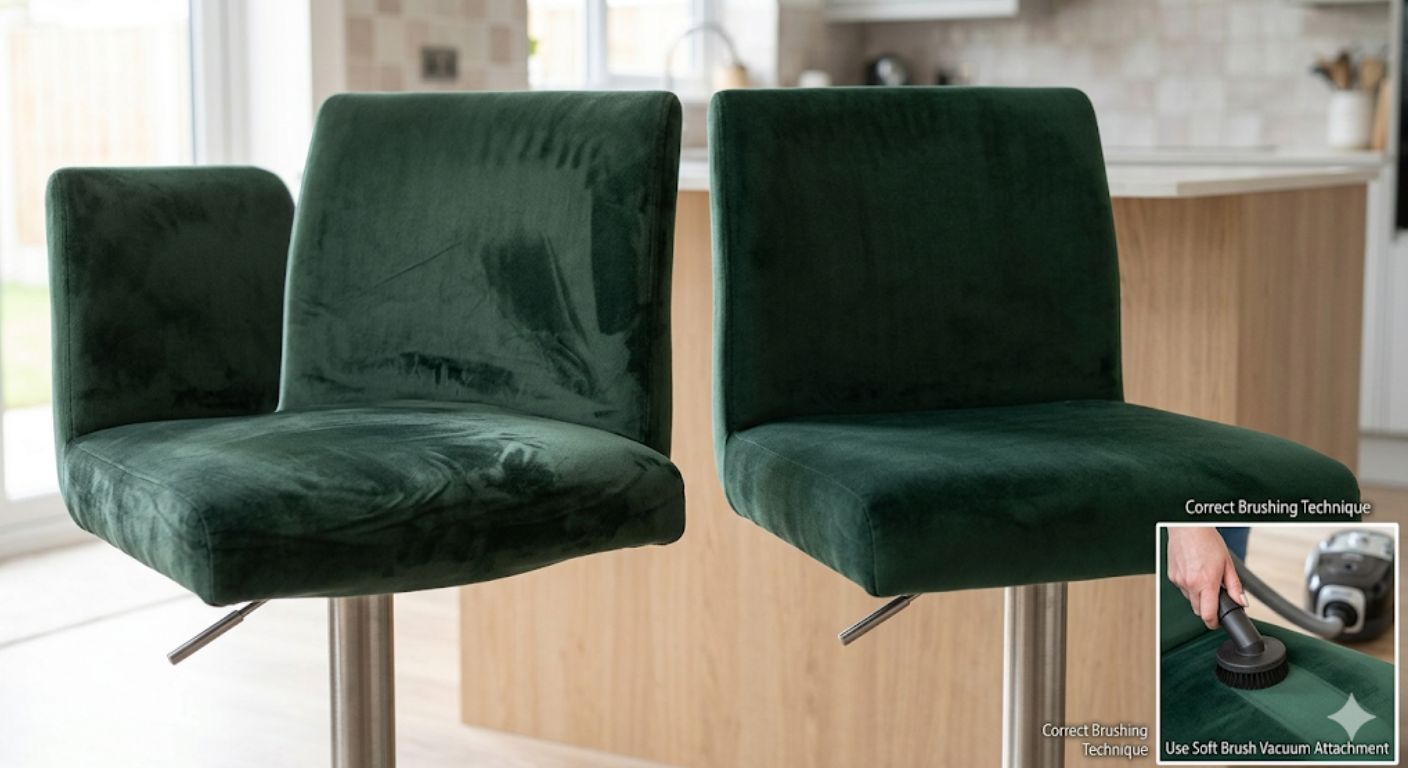
Velvet Bar Stools: Durability, Cleaning, Pets & Wear Points
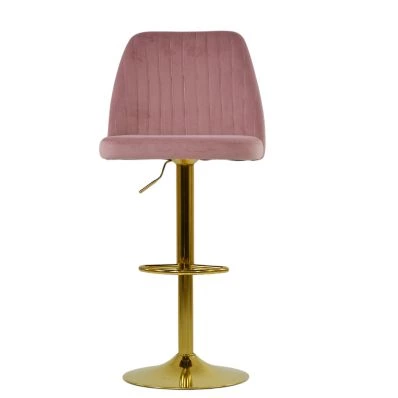
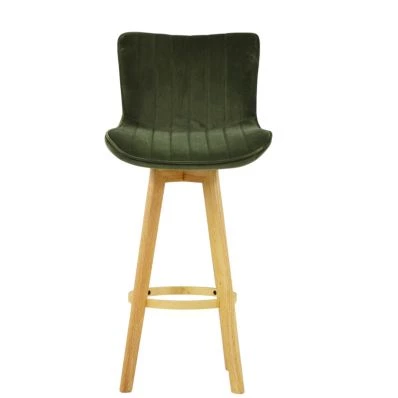
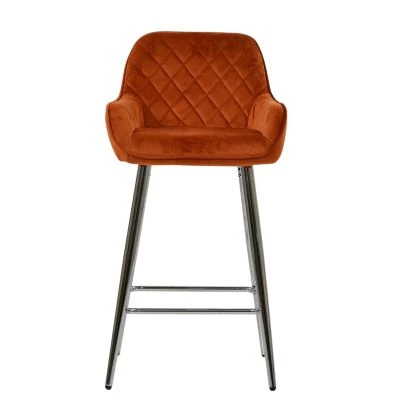
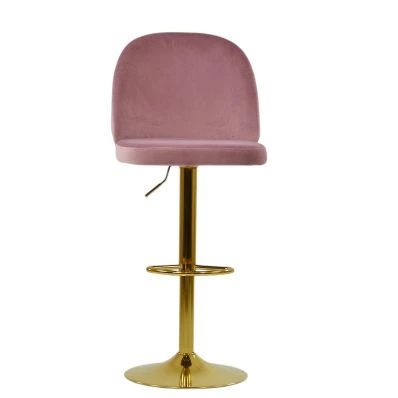
Velvet bar stools sit in a specific position within material choices. They offer a softer surface and a more textured finish than leather or plastic, but they behave differently under daily use. The key concerns are not structural failure, but surface behaviour: how the pile reacts to pressure, how easily marks show, and how cleaning needs to be handled.
This guide focuses on those practical realities. It covers how velvet performs over time, what cleaning actually involves, and where it works well or does not. For a broader comparison of materials across use cases, see the full breakdown in the bar stool materials guide.
How Durable Are Velvet Bar Stools in Daily Use?
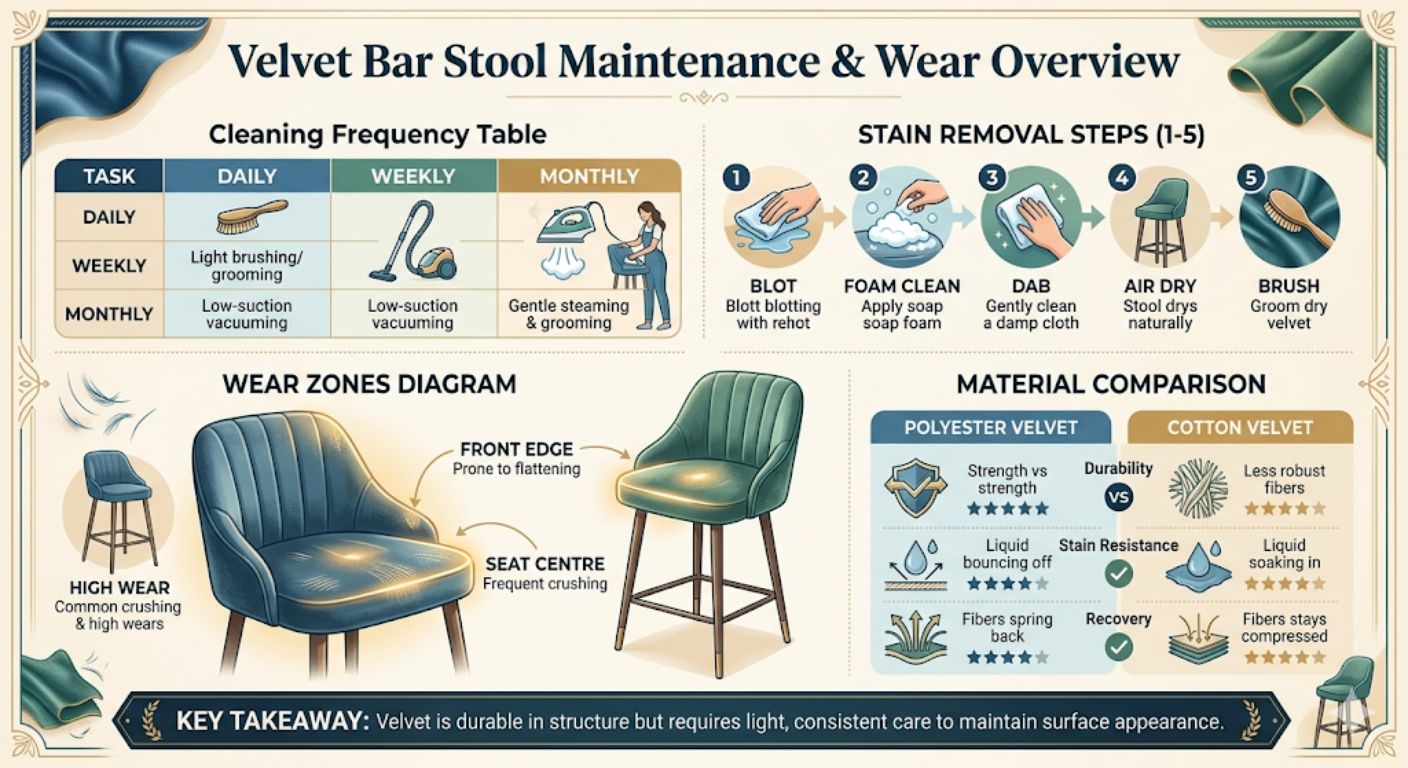
Velvet is durable in structure but sensitive in surface appearance. The frame and upholstery can last well, but the visible finish changes more quickly than flat fabrics.
The main wear behaviours to expect include:
- Pile compression: Repeated sitting flattens the fibres in specific areas
- Shading changes: Light reflects differently depending on pile direction, making marks more visible
- Pressure zones: Front edges and seat centres usually show wear first
- Recovery ability: Short-pile synthetic velvet tends to recover better than long-pile or natural fibres
Material composition matters more than the term “velvet” itself.
- Polyester or synthetic velvet
- Higher abrasion resistance
- Better stain resistance
- Faster pile recovery
- Cotton or silk-based velvet
- Softer feel
- More prone to crushing and fading
- Requires more controlled care
In practical terms, most modern bar stools use polyester-based velvet, which is significantly more resilient than traditional upholstery.
Weekly and Ongoing Maintenance
Regular maintenance prevents most visible wear from building up. The focus is on keeping the pile consistent and removing dust before it settles into the fibres.
Cleaning Frequency Table
| Frequency | What To Do | Why It Matters |
|---|---|---|
| Daily (light use) | Quick visual check, remove crumbs | Prevents surface pressure marks from setting |
| Weekly | Vacuum with soft brush attachment on low suction | Removes dust without pulling fibres |
| Monthly | Light brushing in pile direction | Restores texture and reduces shading |
Key rules:
- Use a soft upholstery attachment only
- Keep suction low
- Always move with the nap, or pile direction
This avoids pulling or distorting the fibres.
How to Clean Velvet Bar Stools Without Damaging the Pile
The safest method is controlled, minimal moisture with surface-level cleaning.
- Vacuum first
Remove dust and debris using a soft brush attachment. - Blot spills immediately
Use an absorbent cloth. Do not rub. - Apply foam, not water
Mix mild soap with water and use only the foam rather than saturating the fabric. - Dab gently
Work from outside the stain inward to avoid spreading it further. - Air dry fully
Do not use heat or a hairdryer. - Brush the pile
Restore direction once the fabric is dry.
This method helps avoid water marks and keeps the surface consistent.
How to Remove Water Marks or Old Stains
Water marks happen when only part of the fabric is dampened. Velvet shows this clearly because uneven moisture affects the pile direction and surface shading.
To correct it:
- Lightly dampen the entire panel seam to seam
- Use minimal moisture rather than soaking the fabric
- Allow it to air dry evenly
- Brush the pile once dry
This helps blend the affected area back into the surrounding fabric.
Pets, Hair and Claw Damage
Velvet is not automatically unsuitable for homes with pets, but performance depends on the type of velvet and the level of contact.
Hair and debris
- Pet hair tends to sit on the surface rather than embed deeply
- It is usually easy to remove with a lint roller, soft brush, or vacuum attachment
Claw interaction
- Short-pile synthetic velvet: More resistant to snagging
- Long-pile or loose weaves: More prone to visible pulls
Practical guidance
Velvet works better if the pile is short and dense, the fabric is polyester-based, and the stool is not the pet’s main resting place. If pets regularly jump, scratch, or climb on the seating, other materials will usually hold up more consistently.
Does Velvet Feel Hot or Stick in Summer?
Velvet can feel warmer than flat fabrics, but the effect depends on the fibre type and pile depth.
- Synthetic velvet with a short pile: Less breathable than woven fabric, with moderate heat retention
- Long-pile or high-density velvet: Traps more heat and feels more noticeable against bare skin
The sticking effect happens because the pile reduces airflow between skin and the surface, while pressure increases contact area. In normal kitchen use, where people tend to sit for shorter periods, this is rarely a major issue. It becomes more noticeable during longer sitting sessions.
How to Fix Crushed or Flattened Velvet
Pile compression is normal over time and does not automatically mean the fabric is damaged.
To restore it:
- Use light steam from a distance
- Brush gently in the pile direction
- Allow the fibres to lift naturally as they dry
This improves appearance, although heavily used areas may still show some flattening over time.
Where Velvet Bar Stools Work Best
Velvet is a strong option when the priority is a softer seating surface and a more textured upholstery finish, especially in controlled daily-use environments.
Works well for:
- Adult households
- Occasional or moderate-use seating
- Kitchen islands used for shorter sitting periods
- Spaces where surface texture matters more than wipe-clean convenience
Less suited for:
- High-traffic family kitchens
- Heavy daily use by multiple people
- Environments with frequent spills or rough treatment
For alternatives that prioritise wipe-clean performance, see the wider material comparison guide. If you are comparing velvet against other upholstered finishes, the guide on cleaning fabric bar stools may also help.
Practical Decision Summary
Velvet bar stools are not high-maintenance, but they are appearance-sensitive. They usually hold up well structurally, but they need light and consistent care if you want the finish to stay looking even.
- Choose synthetic polyester velvet for better durability
- Expect visible pressure zones over time
- Use weekly light maintenance to keep the pile even
- Avoid velvet if the setting is high traffic or spill-heavy
For a broader comparison of seating materials, read Bar Stool Materials: Which Are Best For Each Situation. You can also browse the full bar stools range to compare available styles and finishes.
-
-
-
-
-
-
-
-
-
-
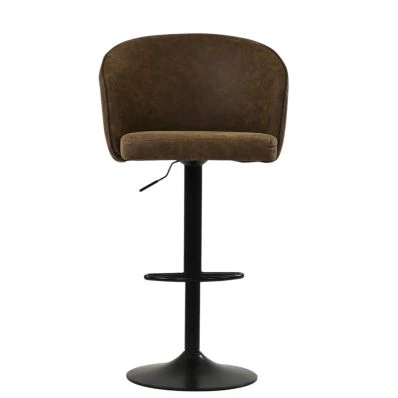
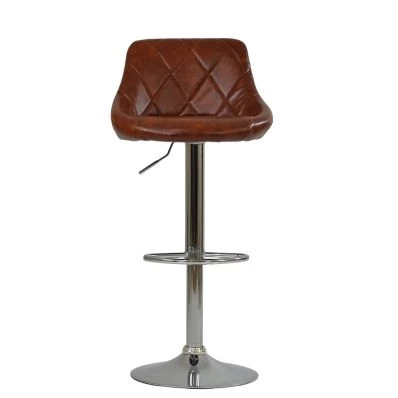
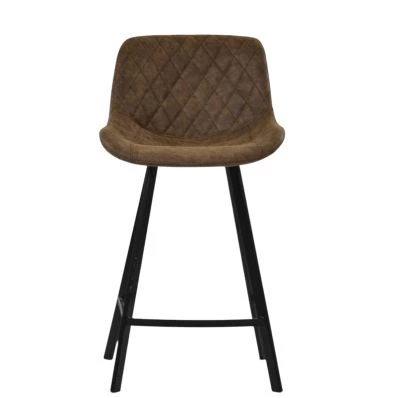 Matteo 65cm Bar Stool in Aged Brown Leather & Black BaseSpecial Price £59.99 Regular Price £74.99 Original price 20% Inc VATSaving £15
 -
-
Frequently Asked Questions
How do you clean velvet bar stools without damaging the pile?
Use a soft brush vacuum first, then blot spills with a clean cloth. Clean with foam from mild soapy water rather than soaking the fabric. Let the stool air dry fully, then brush the pile gently to restore the surface texture.
Are velvet bar stools suitable for homes with pets?
Yes, if the fabric is short-pile and synthetic. Pet hair usually sits on the surface and is easy to remove, but claws can still mark softer or longer-pile finishes. Velvet suits lighter pet contact better than regular scratching or climbing.
How do you fix crushed velvet after sitting on it?
Light steaming from a distance followed by gentle brushing can help lift the fibres and improve the surface finish. This usually refreshes the appearance, although heavily used areas may still show some flattening over time.
Do velvet bar stools get hot to sit on?
They can feel warmer than flat fabrics because the pile reduces airflow and increases surface contact. In normal kitchen use this is usually minor, but it becomes more noticeable during longer sitting periods, especially in warmer weather.


Comments