
 Chat with us on WhatsApp

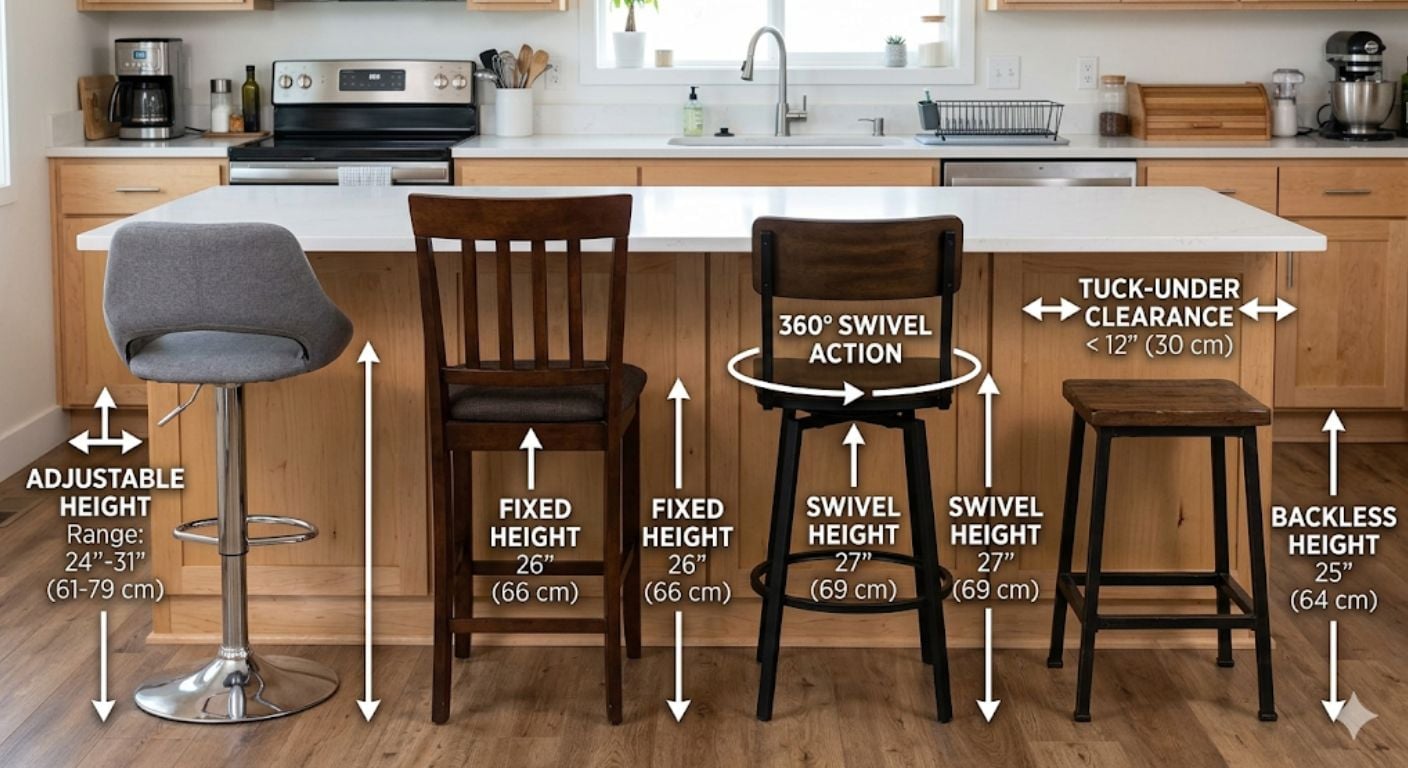
Adjustable vs Fixed vs Swivel vs Backless Bar Stools
Choosing the right bar stool is often less about appearance and more about how the stool works in everyday use. Adjustable height, swivel movement, fixed seating, and backless designs all solve different problems. The best option depends on your counter height, available space, how long people sit for, and who uses the seating most often.
This guide focuses on the practical differences between these four common bar stool types. It explains where each style works well, where it causes problems, and what to check before buying. If you still need help measuring seat height correctly, it is worth reading our breakfast bar stool height guide alongside this article.
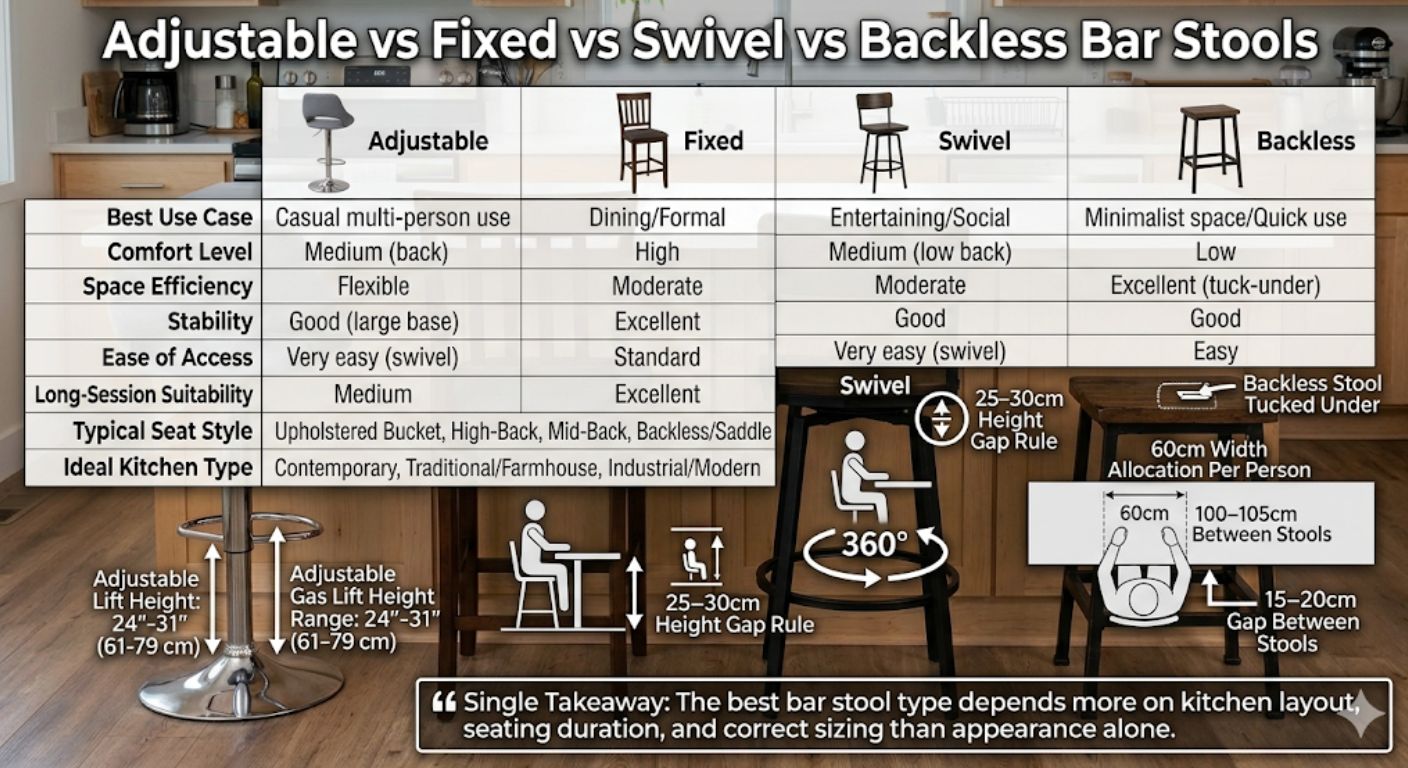
Quick Comparison: Adjustable vs Fixed vs Swivel vs Backless
| Type | Main Advantage | Main Drawback | Best For |
|---|---|---|---|
| Adjustable | Flexible seat height | Usually heavier and larger | Mixed-height counters and multi-use spaces |
| Fixed | Stable and visually tidy | No height flexibility | Standard kitchen islands |
| Swivel | Easier access and movement | Can move more than expected | Busy family kitchens |
| Backless | Tucks fully under counters | Less support for long sitting | Smaller kitchens and compact islands |
What Adjustable Bar Stools Actually Solve
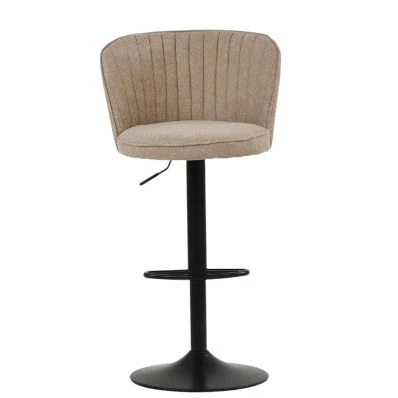
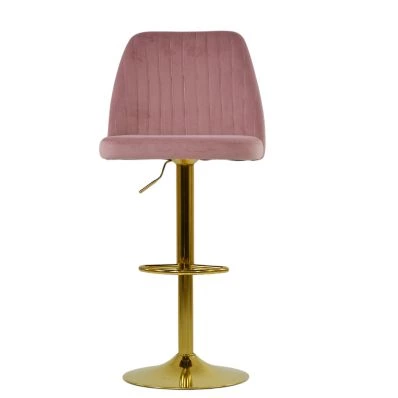
Adjustable bar stools use a gas lift mechanism to raise or lower the seat height. Most adjustable models also swivel because both functions usually share the same pedestal base design.
They work best when:
- The counter height is unusual
- Different people use the seating regularly
- The stools may move between rooms
- You want flexibility between counter and bar-height seating
The main advantage is adaptability. Instead of committing to a fixed seat height, you can adjust the stool to suit the user and surface.
For example:
- 90cm worktop → usually suits 65–70cm seat height
- 100–105cm bar surface → usually suits 75–80cm seat height
If your kitchen sits between standard measurements, adjustable stools can reduce the risk of buying the wrong height.
That said, they are not always the cleanest-looking option visually. Gas lift bases are larger, heavier, and often more mechanical in appearance than fixed-leg stools.
We also find many of our customers underestimate how much adjustable stools move during daily use. In busy kitchens this is helpful, but in quieter spaces some people prefer the more grounded feel of a fixed frame.
Fixed Bar Stools: Better for Stability and Consistency
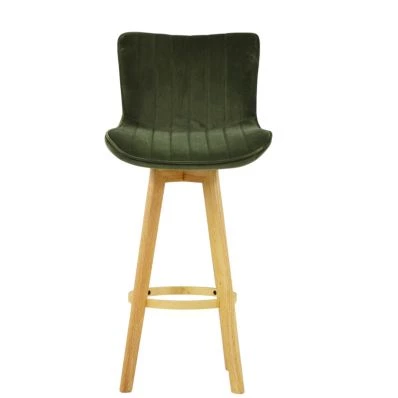
Fixed bar stools stay at one seat height and do not rotate. This makes them simpler structurally and often more stable under regular use.
They are usually the safest choice when:
- Your counter height is standard
- You want a cleaner visual line
- The stools stay in one permanent position
- You prefer less movement while sitting
Fixed stools are particularly common in modern kitchens because they create a more uniform layout. There is less shifting, twisting, and dragging during everyday use.
They are also easier to align neatly beneath an island.
One overlooked benefit is long-term durability. Fewer moving parts usually means fewer future maintenance issues compared to gas lift mechanisms or swivel plates.
If you are buying for a standard kitchen island, fixed stools are often the simplest and lowest-risk option.
When Swivel Bar Stools Make More Sense
Swivel bar stools allow the seat to rotate, normally through a full 360 degrees. This makes getting on and off the stool easier without dragging the legs or base across the floor.
Swivel designs work particularly well in:
- Family kitchens
- Tighter layouts
- Open-plan rooms with regular movement
- Homes where people sit for longer periods
The movement reduces awkward twisting when entering or leaving the seat. This becomes more noticeable with taller stools.
Some swivel stools now include return-swivel mechanisms that automatically rotate the seat back into position after use. These help keep islands looking tidier.
Do swivel bar stools damage granite counters?
Swivel stools themselves do not normally damage granite or quartz counters, but poorly designed backrests can bump hard surfaces when rotated carelessly. Models with padded backs, return-swivel systems, and sensible spacing reduce this risk significantly.
To avoid contact issues:
- Leave enough clearance between stools
- Avoid oversized high backs in tight spaces
- Use stools with controlled swivel movement
- Check the overall depth, not just seat width
Where Backless Bar Stools Work Best
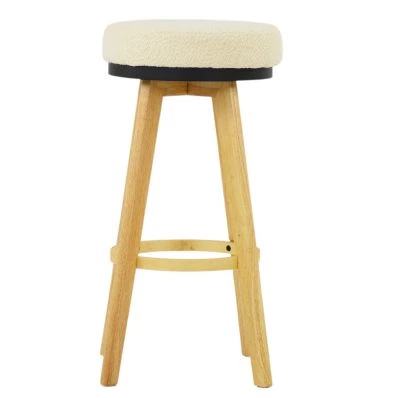
Backless bar stools prioritise compactness and flexibility over long-session comfort.
The biggest advantage is that they tuck fully underneath counters when not in use. This immediately improves walking space and keeps smaller kitchens feeling less crowded.
Backless stools work well when:
- The kitchen is narrow
- The island doubles as a walkway
- The stools are used for shorter sitting periods
- You want minimal visual interruption
They are especially effective on islands where sightlines matter. High-backed stools can visually block open-plan spaces more than many people expect.
However, backless seating is usually less comfortable for long meals, working from a laptop, or extended social use.
If people regularly sit for more than 30–45 minutes at a time, some level of back support normally becomes more important.
Backless vs supported seating for smaller kitchens
Backless stools are normally the better choice for compact kitchens because they reduce visual bulk and improve movement around the island. Supported seating becomes more useful once comfort and longer sitting sessions matter more than saving space.
Seat Height Still Matters More Than Features
One common mistake is focusing heavily on swivel, back style, or upholstery while ignoring seat height accuracy.
The correct height affects comfort more than almost any other factor.
The easiest method is:
- Measure from the floor to the underside of the counter
- Subtract 25–30cm
- The result is your target seat height
As a general guide:
- 90cm counters → 65–70cm seat height
- 100–105cm bars → 75–80cm seat height
If you need more detailed spacing and measuring guidance, our bar stool spacing guide explains seating distances and clearance planning in more depth.
How Much Space Should You Leave Between Bar Stools?
Most kitchen islands work best when you allow around 60cm of total width per person. This normally creates roughly 15–20cm between stools once seated.
For example:
- 120cm island → 2 stools comfortably
- 180cm island → 3 stools comfortably
- 240cm island → usually 4 stools comfortably
Wider swivel stools and stools with arms need more space than compact fixed or backless designs.
If your kitchen already feels tight, choosing slimmer stools often matters more than adding another seat.
Which Type Is Best for Long Sitting Sessions?
For longer sitting periods, the best choice is normally a fixed or swivel stool with:
- A supportive backrest
- A stable footrest
- Reasonable seat depth
- Comfortable padding density
Backless stools are usually better for short-term seating rather than daily extended use.
Adjustable stools can still work well for comfort, but the overall ergonomics matter more than the gas lift itself.
Most people buying for a kitchen island underestimate how much the footrest matters. After an hour or two of sitting, it becomes one of the first things people notice.
Practical Buying Advice Based on Real Use
Choose adjustable stools if:
- Your counter height is non-standard
- Multiple people of different heights use the stools
- You want flexibility between rooms or surfaces
Choose fixed stools if:
- You want the most stable setup
- Your island height is already standard
- You prefer a cleaner visual layout
Choose swivel stools if:
- The kitchen is busy and heavily used
- You want easier access without dragging stools
- People regularly turn to speak or move around
Choose backless stools if:
- Space is limited
- The stools need to tuck away fully
- Sitting periods are usually short
Frequently Asked Questions
Are swivel bar stools more comfortable?
Swivel stools are often more comfortable in busy kitchens because they reduce twisting when sitting down or getting up. The comfort difference usually comes from easier movement rather than extra cushioning.
Are fixed bar stools more durable?
Fixed stools can be more durable long term because they have fewer moving parts. Adjustable gas lift systems and swivel plates introduce additional mechanical wear over time.
Can you mix different bar stool types on one island?
Yes, but it works best when the seat height, finish, and overall proportions stay consistent. Mixing fully backless stools with large high-back designs often looks uneven visually.
Are adjustable stools suitable for family kitchens?
They can work well in family kitchens, especially where multiple people use the seating daily. However, fixed stools may feel more stable for younger children.
What is the safest option for smaller kitchens?
Compact fixed or backless stools are usually safest in smaller kitchens because they create fewer obstructions and reduce movement around narrow walkways.
-
-
-
-
-
-
-
-
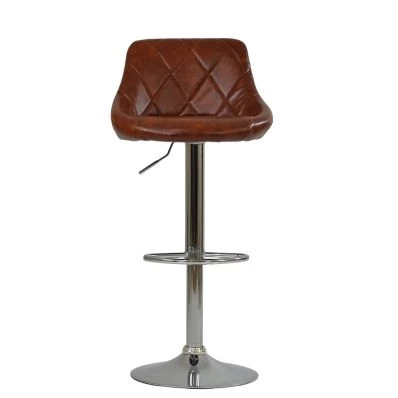
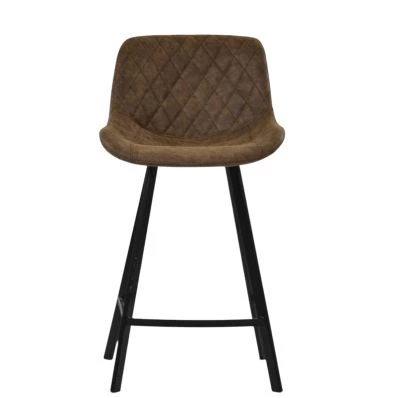 Matteo 65cm Bar Stool in Aged Brown Leather & Black BaseSpecial Price £59.99 Regular Price £74.99 Original price 20% Inc VATSaving £15
 -
-
-
-
Final Thoughts
There is no single best type of bar stool. Adjustable, fixed, swivel, and backless designs all solve different layout and comfort problems.
In most homes, the decision comes down to three things: correct seat height, available space, and how long people actually sit at the counter.
If you are still narrowing down options, browsing the full bar stool collection alongside the breakfast bar stool height guide will usually make the right choice much clearer.


Comments