
 Chat with us on WhatsApp

How to Style Black Bar Stools: Kitchen Pairings & Accent Ideas
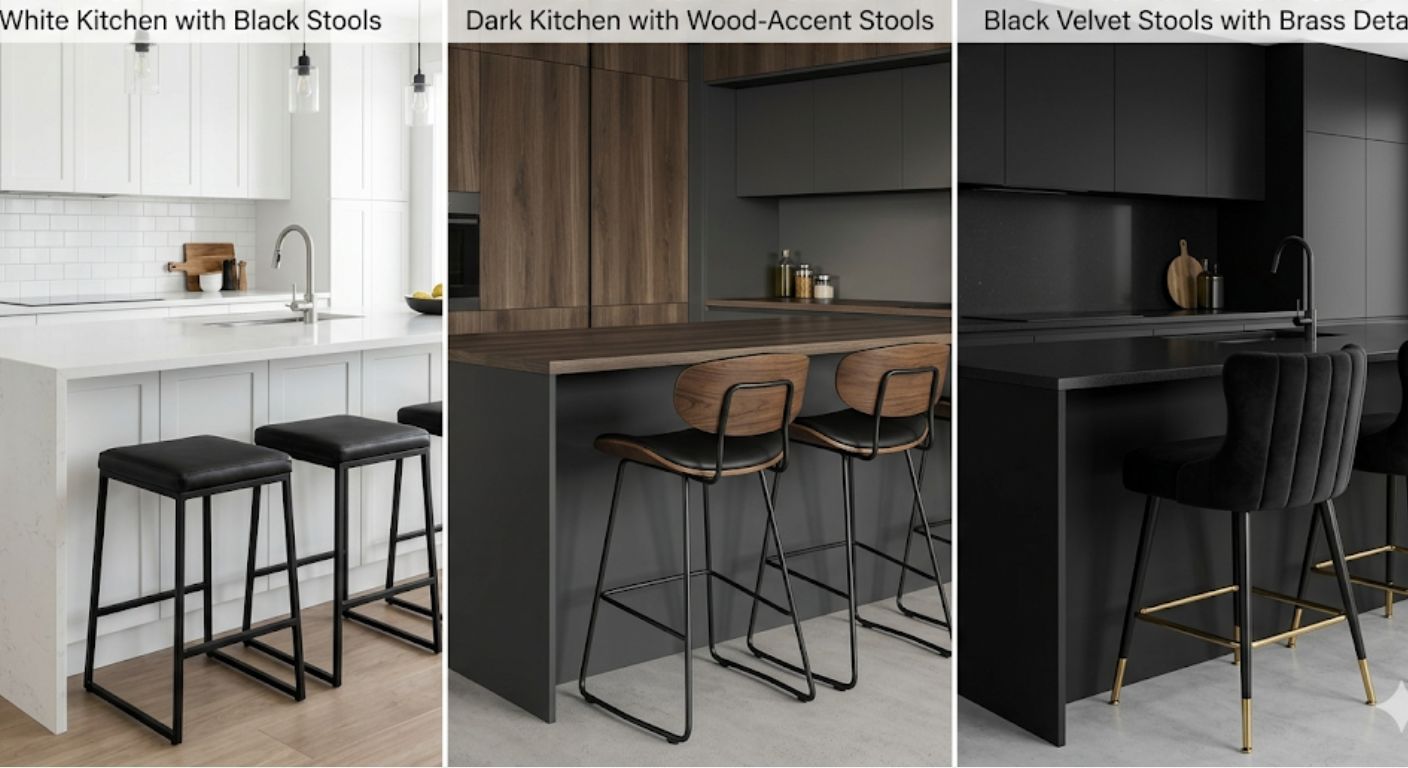
Black bar stools are one of the easiest seating choices to work into a kitchen because they suit both light and dark colour schemes. The problem is not whether black works — it is whether the stools create enough contrast, texture, and balance within the room.
In some kitchens, black seating adds definition and structure. In others, it can make the island feel visually heavy or flat. The difference usually comes down to pairing choices such as worktop colour, leg finish, upholstery texture, and surrounding materials.
This guide focuses specifically on how to style black bar stools in practical kitchen settings. It covers contrast, materials, accents, and common pairing mistakes without repeating broader sizing or layout guidance already covered in Lakeland’s wider kitchen island design guide.
Use Contrast Instead of Matching Everything
The most common styling mistake with black bar stools is making the entire kitchen visually dark. When black seating blends into black cabinetry, dark stone, or charcoal flooring, the stools stop acting as a feature and instead disappear into the room.
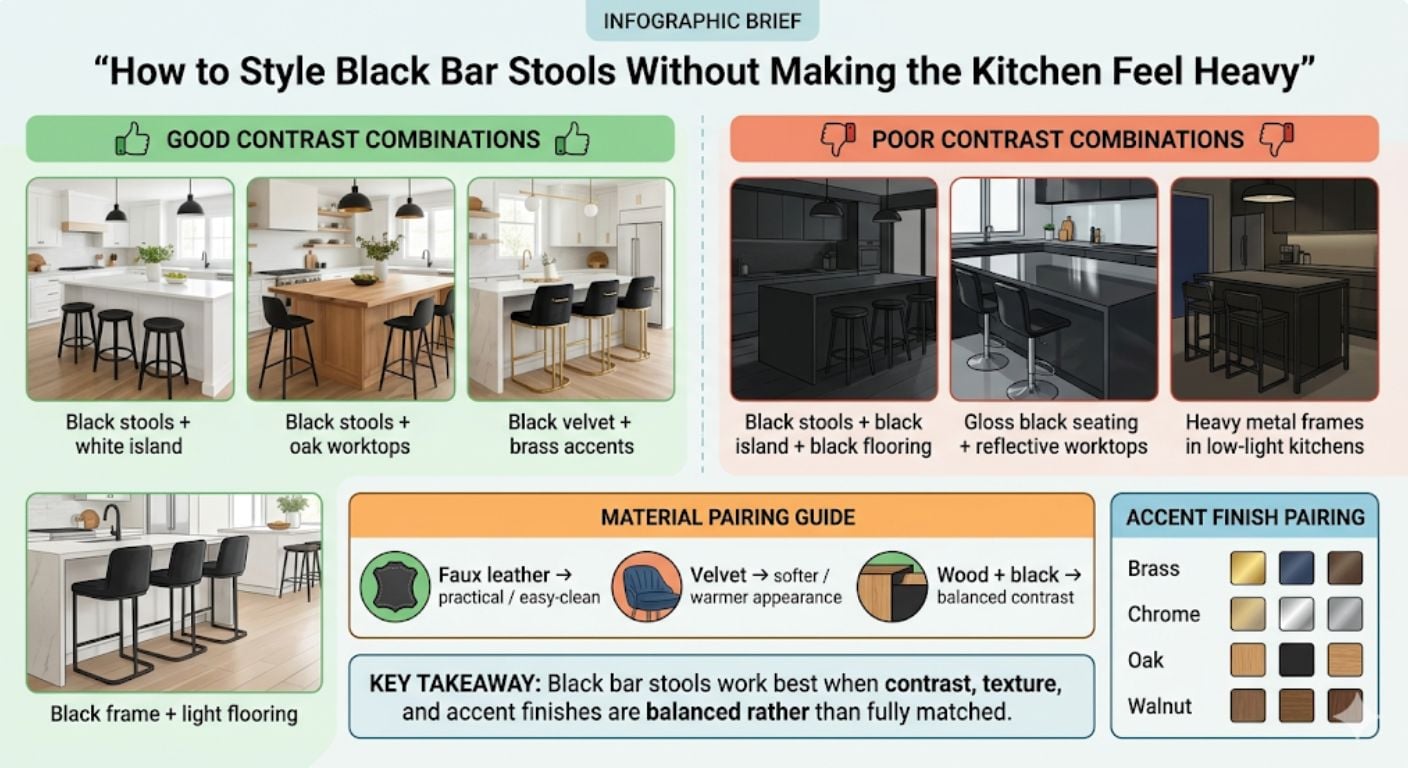
Black seating works best when there is at least one contrasting element nearby.
- Black stools against white or light grey cabinetry
- Black frames paired with oak or walnut worktops
- Upholstered black seats combined with brushed brass lighting
- Matte black seating alongside textured stone surfaces
If your kitchen island is already black or anthracite, adding lighter textures nearby prevents the room from feeling overly dense visually.
A simple way to approach it is:
- Dark stools + lighter surfaces
- Dark stools + warm wood
- Dark stools + metallic accents
- Dark stools + textured fabrics
Black Bar Stools in White Kitchens
Black seating is commonly used in white kitchens because it creates visual anchors around the island area.
The contrast works particularly well in:
- Shaker kitchens
- Modern handleless kitchens
- Scandinavian-inspired layouts
- Industrial-style spaces
In a white kitchen, black stools usually become one of the strongest visual elements in the room. Because of that, the frame finish matters more than many buyers expect.
- Matte black frames feel softer and less reflective
- Chrome bases create a more modern and sharper contrast
- Brass or gold accents introduce warmth into otherwise cool spaces
- Wooden legs reduce the hard contrast effect
We often find our customers focus heavily on the seat colour but underestimate how much the base finish changes the overall look once the stools are actually placed under island lighting.
If you are using a white quartz or marble-effect worktop, softer finishes such as brushed brass, oak, or textured fabric upholstery usually create a more balanced result than high-gloss black metal alone.
For related finish comparisons, see matte black vs chrome vs gold accent combinations.
Styling Black Seating With Dark Countertops
Dark worktops need texture separation. Without it, the seating and island surface can merge into a single block visually.
Good combinations include:
- Black stools with walnut or oak detailing
- Black upholstery with brushed metal frames
- Ribbed or stitched seat textures
- Boucle or velvet upholstery for softness
- Light wood footrests or seat backs
This matters particularly in kitchens with:
- Black granite
- Dark quartz
- Slate-effect surfaces
- Charcoal cabinetry
Instead of matching every element exactly, use material variation to break up the darker surfaces.
A useful reference on balancing contrast in interiors comes from Houzz’s kitchen discussion on black stools in white kitchens, which highlights how texture and surrounding finishes affect whether dark seating feels balanced or overpowering.
Which Materials Work Best With Black Seating?
Faux Leather
Black faux leather works well in:
- Family kitchens
- High-use breakfast bars
- Contemporary spaces
- Rental properties
It creates a cleaner, sharper appearance and is easier to wipe down after spills or everyday use.
This type of upholstery tends to suit:
- Gloss kitchens
- Minimalist layouts
- Metal-framed seating
- Compact spaces where visual clutter matters
For maintenance-focused guidance, see our guide to upholstery durability and cleaning considerations.
Velvet Upholstery
Black velvet creates a softer finish and works better when the goal is warmth rather than sharp contrast.
It pairs particularly well with:
- Brass details
- Fluted islands
- Warm lighting
- Walnut cabinetry
- Herringbone flooring
However, velvet reflects light differently depending on the pile direction, which means it shows marks more easily than smoother fabrics.
In lower-light kitchens, black velvet can look rich and textured. In brighter kitchens with direct daylight, it can show pressure marks and dust more noticeably.
Wood and Mixed Materials
Wooden frames help reduce the visual heaviness of black seating.
Oak and walnut are especially useful when:
- The kitchen already contains multiple black surfaces
- You want a softer Scandinavian feel
- The room lacks natural warmth
- The flooring is timber-based
Mixed-material stools often integrate more naturally into open-plan kitchens because they bridge darker seating with surrounding furniture finishes.
Coordinate Accent Colours Carefully
Black seating can support several accent directions, but mixing too many finishes usually weakens the result.
The safest approach is to repeat one secondary accent consistently throughout the room.
Examples:
- Black + brushed brass
- Black + oak
- Black + chrome
- Black + walnut
- Black + white marble
Good repetition points include:
- Tap finishes
- Pendant lighting
- Cabinet handles
- Footrests
- Table legs
- Shelving brackets
If your kitchen already contains warm metallic finishes, gold or brass stool frames usually integrate more naturally than polished chrome.
For more detail on when metallic accents work well versus looking overly decorative, see this guide to gold leg seating combinations.
How Much Contrast Should You Create?
A useful general rule is to avoid making the stools either:
- The darkest object in the room
- Completely invisible against the island
Instead, aim for controlled contrast.
Good Contrast Examples
- Black stools + white island
- Black seats + oak worktop
- Black frame + cream flooring
- Black upholstery + brushed brass accents
Weak Contrast Examples
- Black stools + black island + dark flooring
- Gloss black seating + reflective black worktops
- Heavy black metal frames in small kitchens with limited light
Texture often matters more than colour alone. Even subtle stitching, curved backs, or timber detailing can prevent dark seating from looking flat.
Practical Considerations Beyond Styling
Appearance matters, but the kitchen still needs to function comfortably day to day.
Black seating tends to show:
- Dust
- Flour residue
- Pet hair
- Water spotting on gloss finishes
Matte finishes usually hide this better than polished metal or gloss lacquer.
For busy kitchens:
- Faux leather is easier to maintain than velvet
- Powder-coated metal hides fingerprints better than chrome
- Mid-tone wood flooring softens visual contrast better than black tile
If the stools will be used for longer sitting periods, features such as padded seats and supportive backs matter more than styling details alone.
When Black Bar Stools Work Best
Black seating usually makes sense when:
- The kitchen needs stronger visual definition
- The island lacks contrast
- Metallic accents already exist in the room
- You want the seating to feel structured and grounded
- The space includes lighter surrounding materials
They are less effective when:
- The kitchen is already heavily dark-toned
- There is little natural light
- Multiple black surfaces already compete visually
- The room lacks texture variation
In those situations, softer tones or mixed-material seating often create a more balanced result.
FAQs
Do black bar stools work in small kitchens?
Yes, provided there is enough surrounding contrast. In smaller kitchens, black seating often works better with lighter cabinetry, timber textures, or brighter flooring so the stools do not visually dominate the room.
What colours pair best with black bar stools?
White, oak, walnut, grey stone, brushed brass, and soft neutral tones usually pair well with black seating. The goal is normally contrast and texture rather than exact colour matching.
Are matte black or gloss black finishes better?
Matte black tends to look softer and hides fingerprints, dust, and scratches more effectively. Gloss black creates a sharper contemporary appearance but usually needs more cleaning to maintain the finish.
Do black velvet stools suit modern kitchens?
Yes. Black velvet works particularly well in modern kitchens with warm metallic accents, walnut tones, or softer lighting. It creates a less industrial look than exposed black metal alone.
What should black bar stools match in a kitchen?
They do not need to match every surface exactly. It is usually more effective to repeat one accent finish — such as brass, chrome, or oak — across lighting, hardware, or worktops instead.
-
-
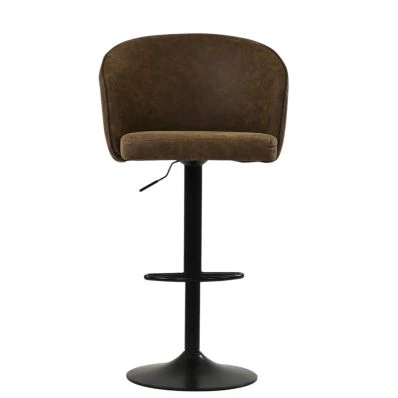
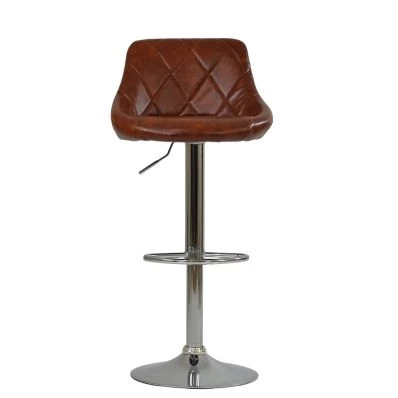
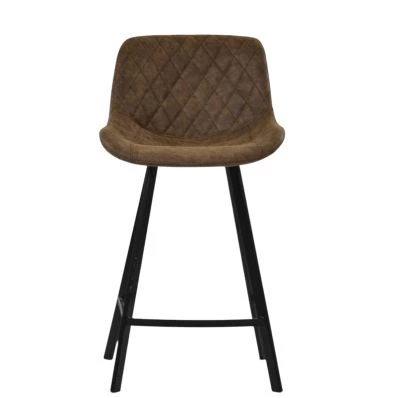 Matteo 65cm Bar Stool in Aged Brown Leather & Black BaseSpecial Price £59.99 Regular Price £74.99 Original price 20% Inc VATSaving £15
 -
-
-
-
-
-
-
-
-
-
Final Thoughts
Black bar stools work well because they are flexible, not because they automatically suit every kitchen. The strongest results usually come from balancing contrast, texture, and accent finishes rather than trying to match every dark surface together.
If you are comparing styles, materials, or finishes, browse the full range of black kitchen bar stools or explore Lakeland’s broader kitchen island planning and styling advice for more layout and seating guidance.


Comments