
 Chat with us on WhatsApp

Are Velvet Bar Stools Practical? Durability, Cleaning & Pet Proofing
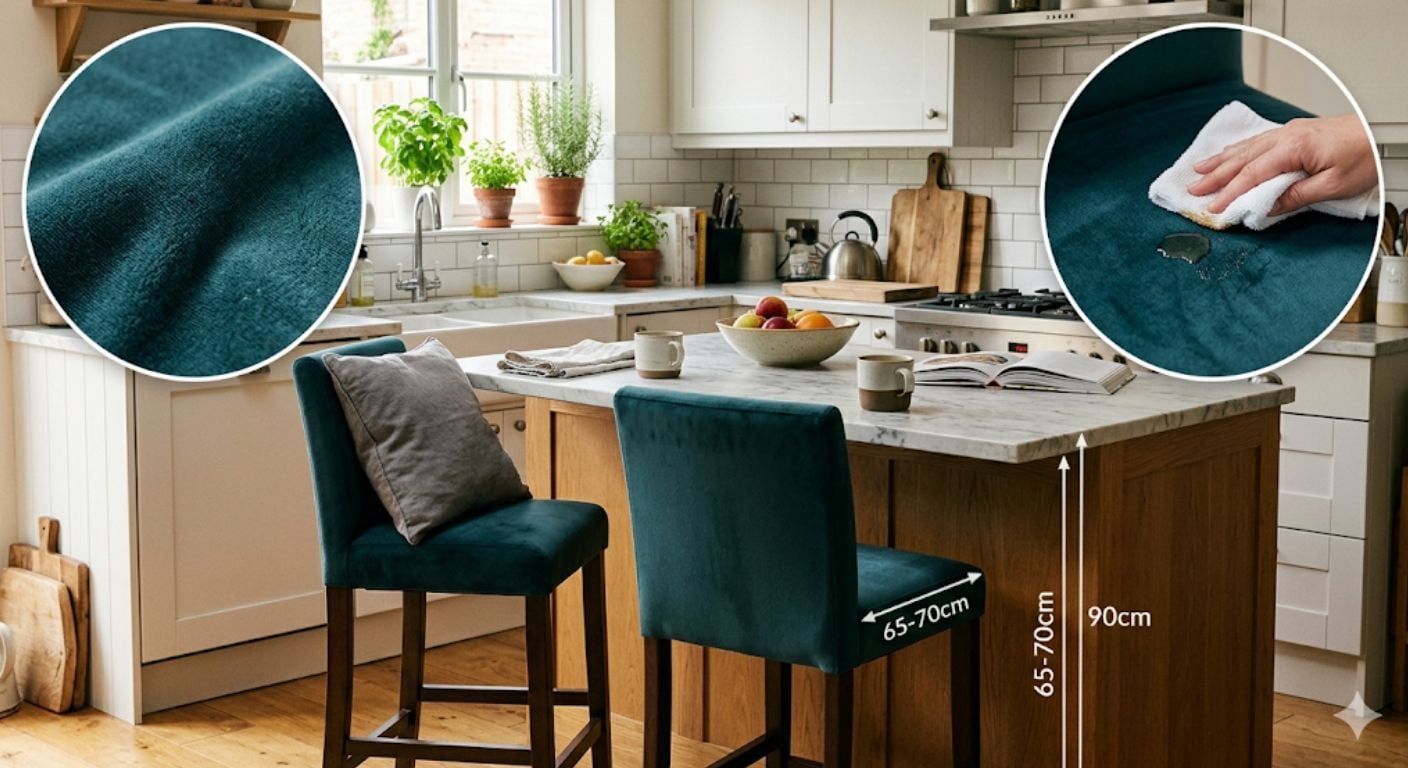
Velvet bar stools are often chosen for their softer texture and more upholstered look, but many buyers hesitate because they assume velvet is delicate or difficult to maintain. In practice, modern velvet upholstery is usually far more durable than expected, particularly when the fabric is polyester-based and designed for everyday seating use.
The main questions are rarely about appearance. Most buyers want to know whether velvet will flatten, stain easily, attract pet hair, or hold up in a busy kitchen. Those concerns matter more than colour or styling once the stools are used daily.
For anyone comparing materials as part of a wider kitchen seating decision, this sits alongside the broader considerations covered in Kitchen Island Ideas, Design, Style And Layout Tips And Inspiration.
Is Velvet a Practical Material for Bar Stools?
Yes. Modern synthetic velvet is generally practical for bar stools because it combines a soft upholstered finish with relatively strong durability performance. Most velvet bar stools sold for kitchens now use polyester blends rather than traditional cotton velvet, which changes how the fabric behaves.
Polyester velvet typically offers:
- Better stain resistance
- Improved abrasion resistance
- Easier spot cleaning
- Less colour fading
- Better recovery after compression
Higher-quality velvet upholstery is also tested using Martindale rub ratings, which measure abrasion resistance. Many modern velvet seating fabrics exceed 40,000 rubs, while some commercial-grade fabrics go well beyond 80,000 or 100,000.
That does not make velvet indestructible. The pile can still flatten over time, and sharp pet claws can still damage the surface. But compared with older perceptions of velvet upholstery, modern kitchen velvet is considerably more usable for daily seating.
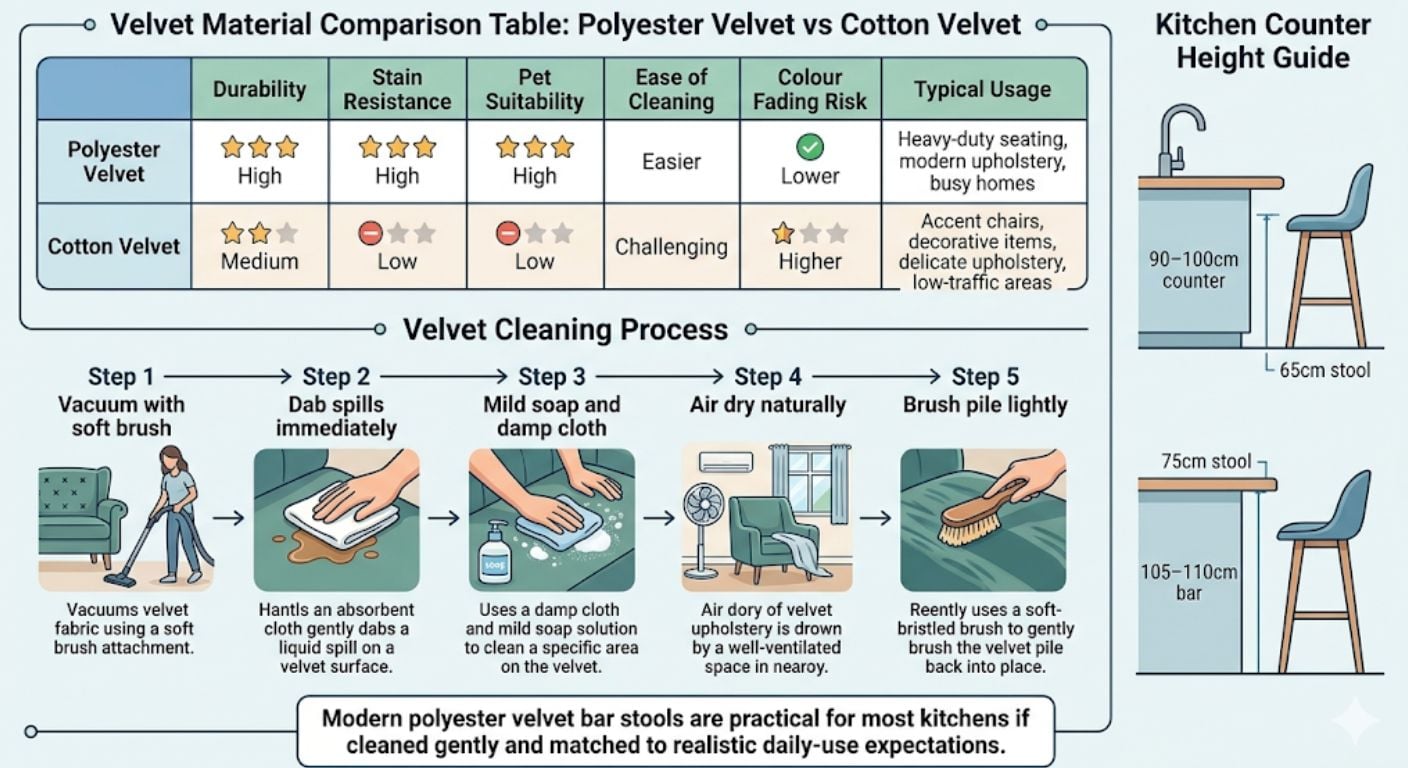
Polyester vs Cotton Velvet for Bar Stool Durability
The fabric composition makes a major difference to long-term durability.
| Feature | Polyester Velvet | Cotton Velvet |
|---|---|---|
| Abrasion resistance | Higher | Lower |
| Stain resistance | Better | More absorbent |
| Colour fading | Lower risk | Higher risk |
| Texture | More uniform | Softer and deeper |
| Maintenance | Easier | More delicate |
| Best suited for | Everyday kitchens | Occasional seating |
For daily kitchen use, polyester velvet is usually the more practical option.
Cotton velvet can feel more luxurious initially, but it tends to mark more easily and requires gentler maintenance. Polyester blends cope better with repeated use, especially around breakfast bars and kitchen islands where stools are moved regularly.
One thing we regularly hear from our customers is that they expected velvet to behave like delicate upholstery fabric, but modern polyester velvet is usually closer to a durable dining chair fabric than people assume.
For buyers comparing upholstery materials more broadly, it is also worth reading about Leather Bar Stools: Real vs Faux, Maintenance & Cracking Risk, as the maintenance trade-offs are very different.
How Durable Are Velvet Bar Stools in Daily Kitchens?
The durability depends on three main factors:
Fabric quality
Short-pile synthetic velvet generally performs better in kitchens than deep-pile velvet because it is less likely to crush or trap debris.
Frame construction
The upholstery matters, but the structure underneath matters just as much. Metal frames, welded footrests, and reinforced seat bases affect long-term stability more than the fabric itself.
Daily usage patterns
Velvet stools in occasional-use kitchens will naturally last longer than stools used constantly by families or households with children and pets.
In practical terms, velvet usually handles:
- Daily sitting
- Light spills
- Repeated movement
- General household wear
better than many buyers expect.
Direct sunlight is one area where caution still matters. Prolonged UV exposure can gradually fade darker velvet colours over time. The UK Government’s general guidance around UV exposure and fading risk is also relevant for upholstery positioned beside strong glazing or bi-fold doors.
How to Clean Velvet Bar Stools
Cleaning velvet is mostly about avoiding aggressive treatment. Rubbing hard into the pile usually causes more damage than the original stain.
Basic velvet cleaning process
- Vacuum using a soft brush attachment
- Dab spills immediately with a dry cloth
- Use mild soap with slightly damp water if required
- Blot gently rather than scrubbing
- Allow the fabric to air dry naturally
- Lightly brush the pile afterwards
This approach works for most food and drink spills.
How to Remove Red Wine From Velvet Bar Stools
Red wine is one of the biggest concerns buyers mention with velvet upholstery, but fast action usually matters more than the exact cleaning product.
Recommended approach
- Blot excess liquid immediately
- Do not rub the stain deeper into the pile
- Use a clean cloth with mild soapy water
- Dab from outside the stain inward
- Allow the fabric to dry fully
- Brush the pile gently afterwards
Harsh stain removers can damage the texture or alter the colour tone, particularly on darker velvets.
If staining remains visible after drying, professional upholstery cleaning is normally safer than repeated DIY treatments.
How to Fix Flattened Velvet Pile
Flattened pile is normal over time, especially on frequently used seats.
In many cases, the texture can be improved using light steam and brushing.
Safe recovery method
- Hold a handheld steamer slightly away from the fabric
- Avoid soaking the upholstery
- Use a soft upholstery brush
- Brush lightly in the direction of the pile
- Allow the fabric to dry completely
Deep crushing is harder to reverse fully, but light flattening often improves noticeably.
Are Velvet Bar Stools Good for Homes With Pets?
Velvet performs better with pets than many woven fabrics, but it is not completely pet-proof.
Short-pile velvet tends to resist snagging better because cats cannot easily hook their claws into loose woven fibres. Pet hair is also easier to remove from velvet than from textured fabrics such as boucle.
However:
- Sharp claws can still mark the fabric
- Repeated scratching will damage the pile
- Light-coloured velvet may show dirt faster
- Some pets repeatedly target upholstered seating
Dark polyester velvet is generally the safest choice for pet households because it hides minor marking and loose fur more effectively.
Do Velvet Bar Stools Work in Busy Family Kitchens?
They can, provided expectations are realistic.
Velvet is usually suitable for:
- Adult households
- Moderate daily use
- Open-plan kitchens
- Entertaining spaces
- Homes wanting softer upholstery textures
It may be less suitable for:
- Very young children with frequent spill risk
- Homes with destructive pets
- Extremely high-use breakfast bars
- Commercial hospitality environments
This is often more about maintenance tolerance than outright durability. Velvet generally needs slightly more care than faux leather or wipe-clean synthetic surfaces, but less care than many buyers assume.
Kitchen Island and Bar Height Compatibility
Velvet upholstery does not change the fitting rules for stool height. The same seat-height principles still apply.
| Counter or Bar Height | Recommended Seat Height |
|---|---|
| 90–100cm kitchen counter | 65cm seat height |
| 100–105cm counter | 70cm seat height |
| 105–110cm bar height | 75cm seat height |
If you are unsure about sizing, the full explanation is covered separately in Bar Stool Height Guide: Counter Height vs Bar Height.
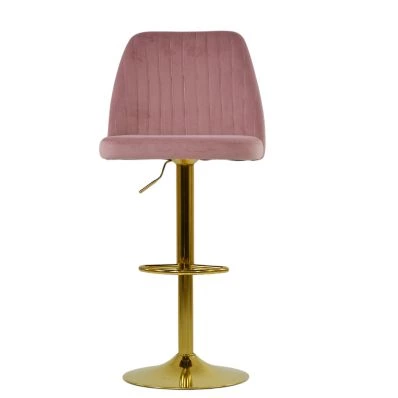
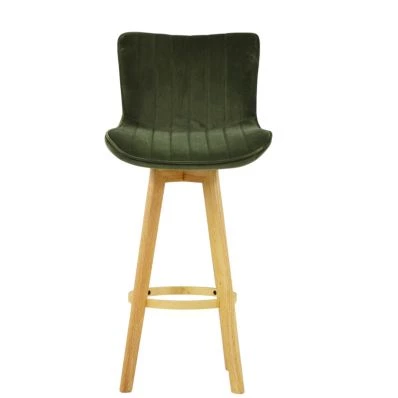
For examples of different upholstery finishes and frame styles, the main Velvet Bar Stools category shows the range of fixed-height, swivel, and upholstered options available.
When Velvet Bar Stools Make Sense — And When They Do Not
Velvet bar stools work well when the priority is a softer upholstered feel combined with a more finished furniture appearance.
They are particularly well suited to:
- Open-plan kitchen diners
- Homes wanting upholstered comfort
- Lower-to-moderate wear environments
- Buyers wanting a warmer texture than leather-look materials
They are less suitable when the main priority is ultra-low maintenance or heavy-duty family durability.
If regular spillages, muddy pets, or constant use are likely, wipe-clean materials may simply require less ongoing care.
Frequently Asked Questions
Is velvet hard to clean?
Not usually. Most modern polyester velvet can be cleaned using gentle spot-cleaning methods and regular vacuuming. The main mistake is rubbing stains aggressively, which can flatten the pile and spread marks further into the fabric.
Are velvet bar stools durable?
Yes, particularly when they use polyester velvet with high abrasion ratings. Modern velvet upholstery is generally much more durable than traditional cotton velvet and is widely used for everyday seating.
Do cats scratch velvet bar stools?
Some do, but short-pile velvet is usually harder for cats to snag compared with woven fabrics. Damage is still possible, especially with repeated scratching.
Can you use water on velvet upholstery?
Lightly damp cleaning is normally safe for synthetic velvet, but the fabric should never be soaked. Always dab gently rather than scrubbing.
Do velvet bar stools flatten over time?
Some pile flattening is normal with regular use. Light steaming and brushing can often improve the appearance if the crushing is not severe.
-
-
-
-
-
-
-
-
-
-
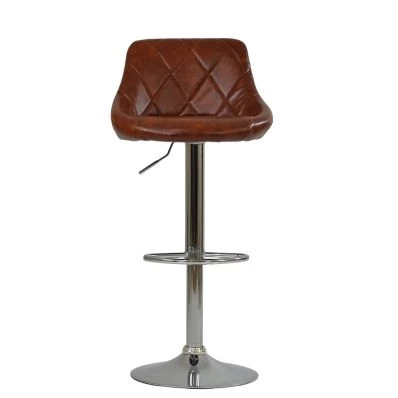
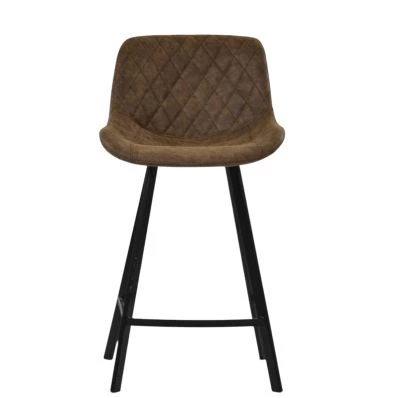 Matteo 65cm Bar Stool in Aged Brown Leather & Black BaseSpecial Price £59.99 Regular Price £74.99 Original price 20% Inc VATSaving £15
 -
-
Final Thoughts
Velvet bar stools are more practical than many buyers expect, particularly when the upholstery is polyester-based and intended for everyday seating. They require slightly more care than wipe-clean materials, but they also offer a softer texture and more upholstered appearance that many kitchens suit well.
The key is understanding the trade-off between comfort, maintenance, and daily wear before choosing the material.
For broader kitchen seating planning, layout ideas, and compatibility guidance, see Kitchen Island Ideas, Design, Style And Layout Tips And Inspiration, or browse the current range of Velvet Bar Stools.


Comments