
 Chat with us on WhatsApp

Bar Stool Spacing Guide: Elbow Room + Walkthrough Clearance
Bar stool spacing is not just about how many stools fit along a surface. It determines whether seating feels usable or restrictive once people are actually sitting, moving, and getting on or off the stools. This sits alongside height selection as part of the broader sizing decision — covered in the main bar stool size guide.
This guide focuses specifically on horizontal spacing, elbow room, and walkway clearance. The goal is to remove guesswork so you can position stools in a way that works in real use, not just on paper.
The Governing Rule for Bar Stool Spacing
A reliable baseline is:
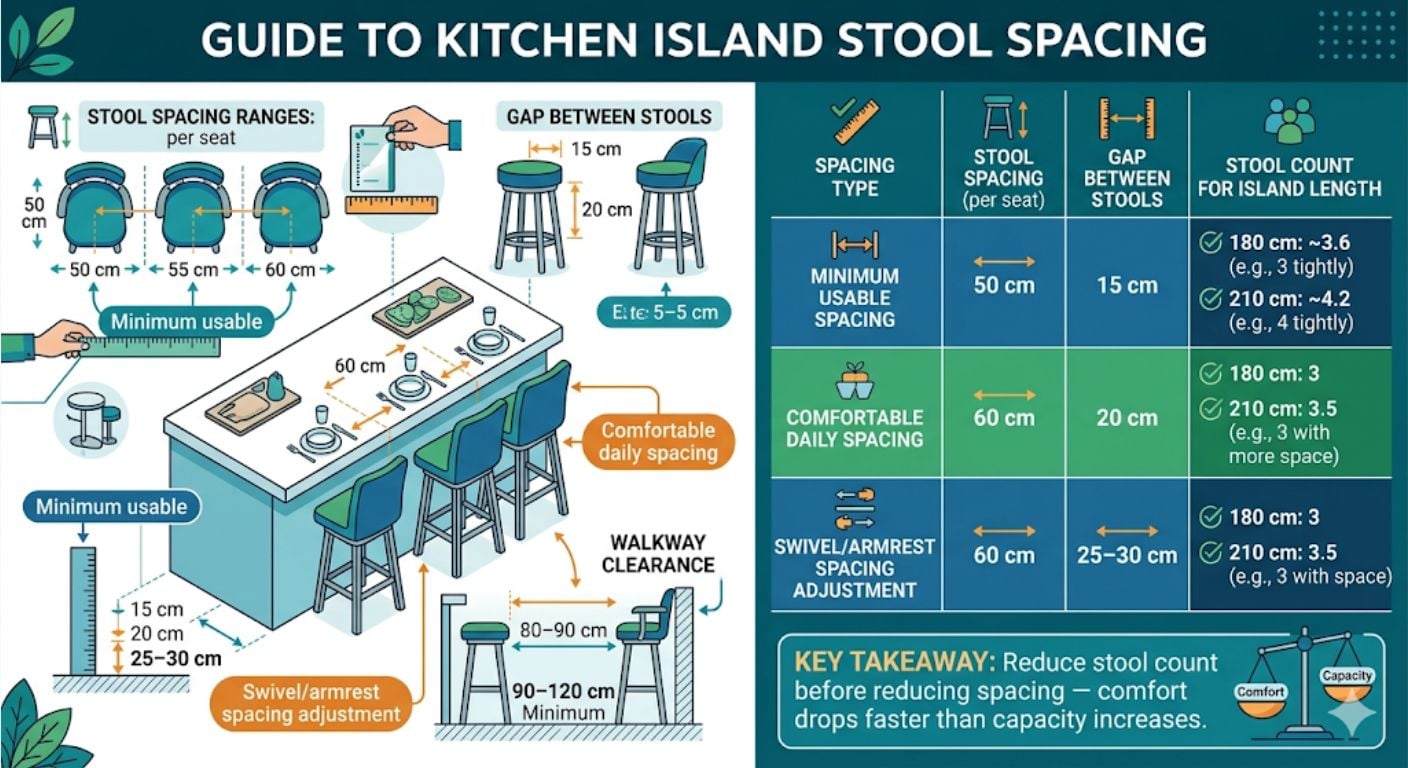
- Allow 50–60 cm width per stool
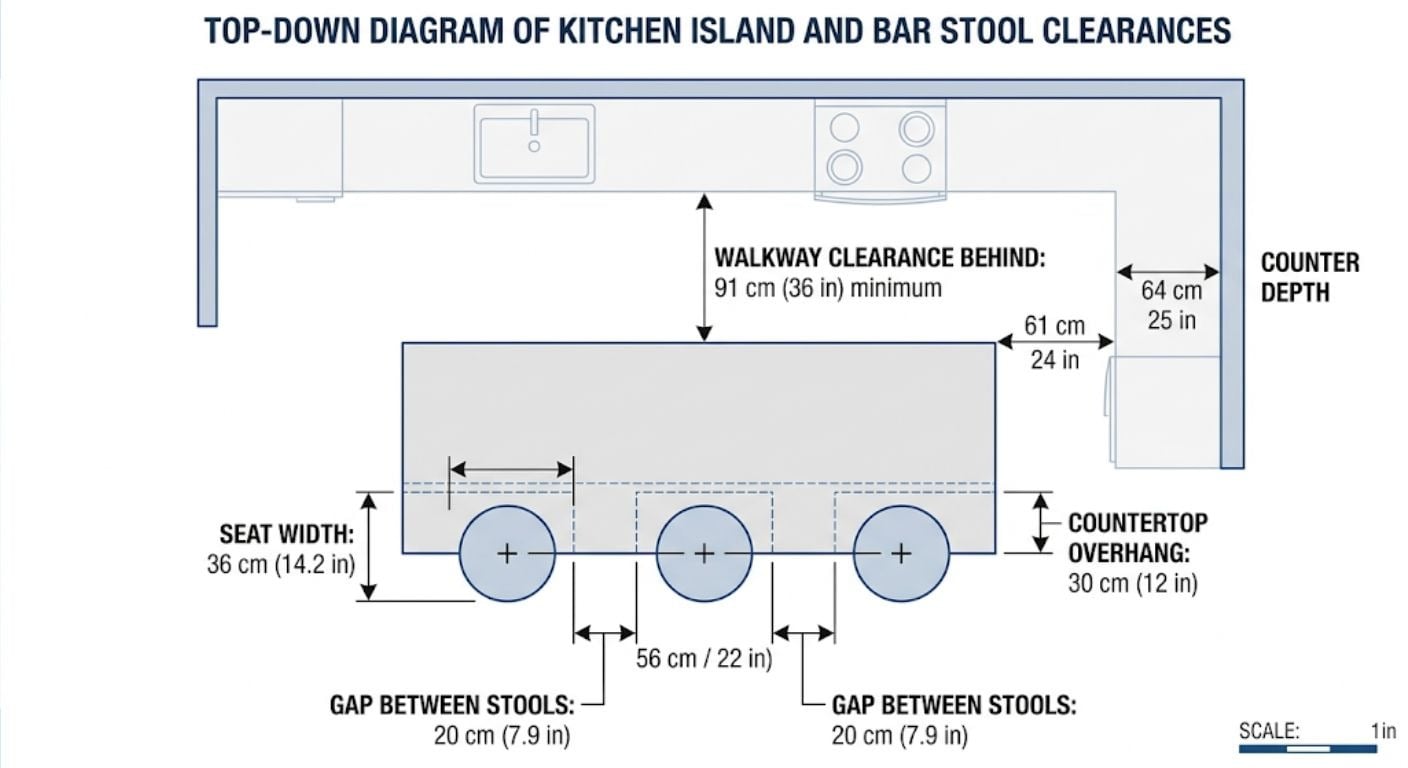
- Leave 15–20 cm between seats
- Increase to 20–30 cm for larger or swivel stools
This creates enough elbow room for everyday use without forcing users to sit too close together. Below this range, stools may technically fit, but comfort drops quickly.
How Much Space Between Bar Stools?
For most setups:
- Minimum spacing: 15 cm between seats
- Comfortable spacing: 20–25 cm
- Large or swivel stools: 25–30 cm
The difference comes from how the stool is used. A fixed, backless stool stays within its footprint. A swivel or wider seat moves beyond it.
Adjust spacing based on stool type:
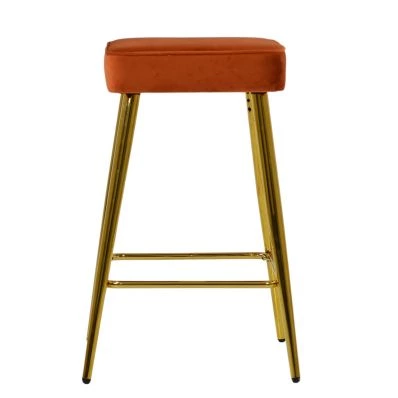
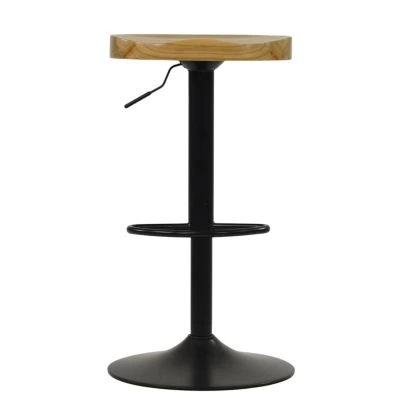
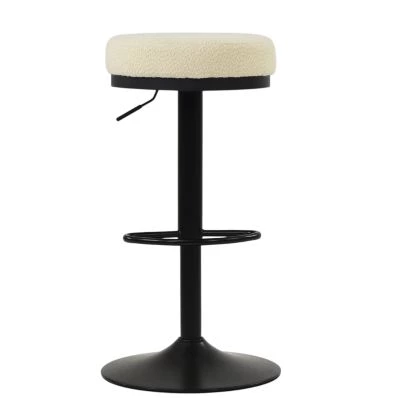
- Backless stools: can sit closer together
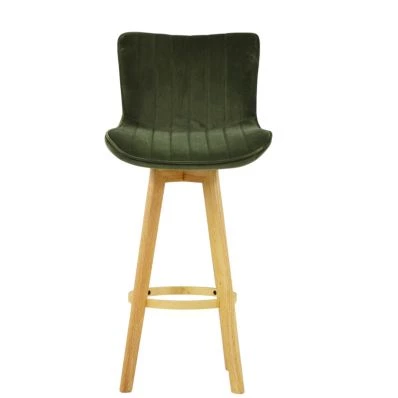
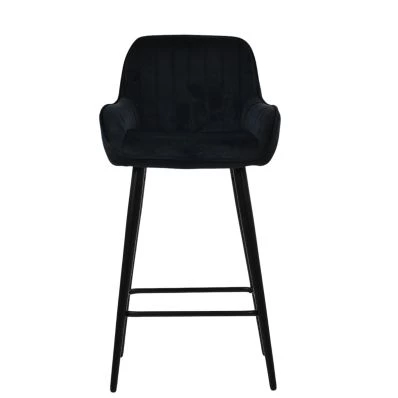
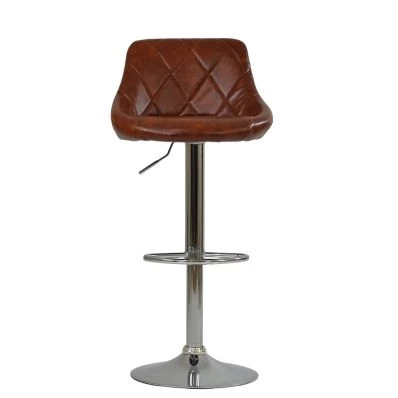
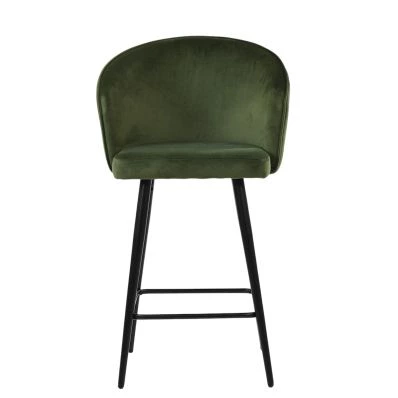
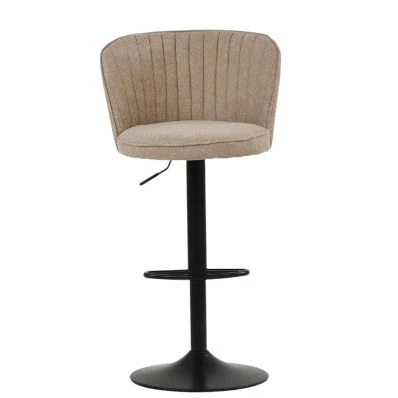
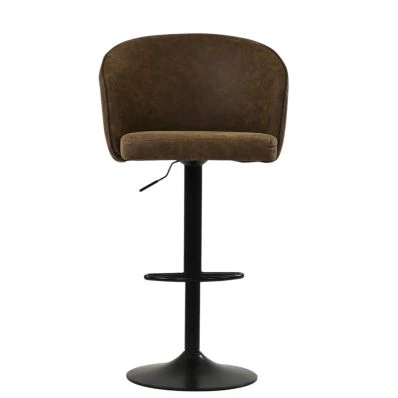
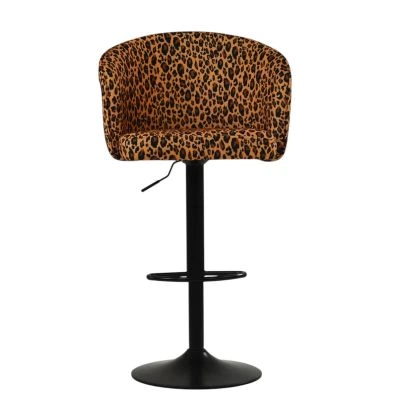
- Stools with backs: require more separation
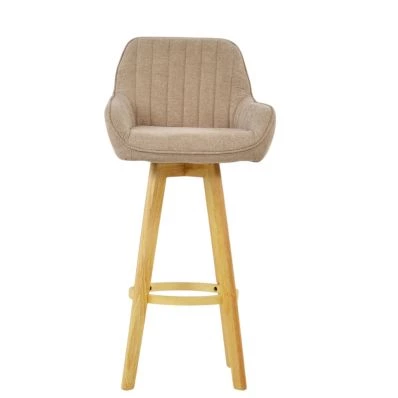
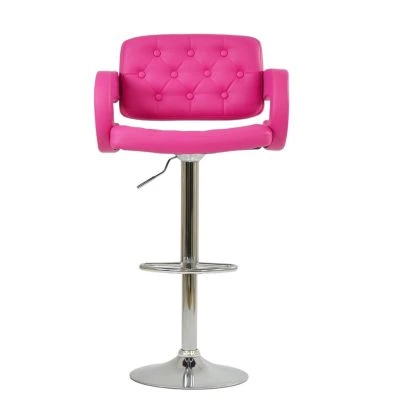
- Stools with arms: need the most spacing
- Swivel stools: require extra buffer for rotation
If spacing is tight, choosing a narrower or fixed design can avoid problems without reducing the number of seats.
For layout examples using different stool types, see swivel vs fixed bar stools.
How Many Stools Fit on a 6 Foot or 7 Foot Island?
A simple way to estimate capacity:
- 6 ft island (180 cm): typically fits 3 stools
- 7 ft island (210 cm): typically fits 3 stools, occasionally 4 if narrow
This assumes:
- Around 50–60 cm per stool
- Plus spacing between seats
If stools are wider or have arms, reduce the count by one. Trying to fit an extra stool usually leads to poor usability rather than extra seating.
For a full breakdown by island width, see how many bar stools.
Elbow Room: The Most Overlooked Factor
Elbow room is what determines whether people can sit comfortably without adjusting their position constantly.
Too little space leads to:
- People sitting at an angle
- Limited movement while eating or working
- Increased friction between users
A practical guideline:
- Allow at least 55–60 cm per person for regular use
- Drop to 50 cm only where space is restricted
This is where many layouts fail. The stools “fit”, but the seating does not function properly once occupied.
Walkway Clearance Behind Bar Stools
Spacing does not stop at the front edge of the counter. The space behind seated users matters just as much.
Recommended clearance:
- No walkway behind stools: minimum 80–90 cm total depth
- Active walkway behind stools: 90–120 cm clearance
This ensures:
- People can pass behind seated users
- Drawers and appliances can open
- The space does not feel blocked
If the walkway is tight, spacing between stools becomes even more important, as users will need room to stand up and move away from the counter.
Legroom and Under-Counter Clearance
Although this guide focuses on horizontal spacing, legroom directly affects how spacing feels in use.
Standard guidance:
- 25–30 cm gap between seat and counter underside
If legroom is restricted:
- Users sit further back
- Elbow spacing becomes tighter in practice
- Movement in and out of the seat becomes harder
Common Spacing Mistakes
1. Counting stools before considering spacing
Trying to fit a fixed number of stools often leads to poor layouts. Start with spacing, then determine how many fit.
2. Ignoring stool width
Seat width varies. A wider stool reduces how many can fit across the same surface.
3. Not adjusting for movement
Swivel and armrest designs require more space than their static footprint suggests.
4. Overlooking walkways
Tight rear clearance makes even correctly spaced stools difficult to use.
5. Prioritising symmetry over usability
Even spacing looks balanced, but usability should take priority over visual alignment.
Practical Application: When to Adjust Spacing
When tighter spacing works
- Small kitchens with limited width
- Backless or narrow stools
- Occasional seating rather than daily use
When wider spacing is needed
- Daily use for meals or work
- Stools with backs or arms
- Open-plan kitchens with movement behind seating
When to reduce stool count
- If spacing drops below 50 cm per person
- If users need to adjust position to sit comfortably
- If access becomes awkward
In most cases, one fewer stool improves usability more than squeezing in an extra seat.
Choosing Stools That Work With Your Spacing
Spacing and product choice should align. If your layout is fixed:
- Narrow spaces → choose slimmer, fixed stools
- Open layouts → allow wider or swivel designs
- High-traffic areas → prioritise easy access and clearance
You can view suitable options across the full bar stools range, where different widths and mechanisms are available depending on your layout constraints.
Key Takeaway
Bar stool spacing is a balance between capacity and usability.
- 50–60 cm per stool is the working baseline
- Increase spacing for larger or swivel designs
- Maintain 90–120 cm walkway clearance where movement is required
If spacing is correct, the seating works naturally. If it is too tight, the layout quickly becomes restrictive.
For the full sizing framework, including height and compatibility, refer back to the main bar stool size guide.
FAQs
How much space should be between bar stools?
Allow 15–25 cm between bar stools for most setups. Increase to 25–30 cm for larger stools, armrests, or swivel designs to avoid crowding and allow movement.
How many bar stools fit on a 6 foot island?
A 6 foot (180 cm) island typically fits 3 bar stools using standard spacing of 50–60 cm per seat. Wider stools or armrests may reduce this to 2.
How much clearance is needed behind bar stools?
Allow 90–120 cm behind bar stools if there is a walkway. This ensures people can pass behind seated users and access nearby storage or appliances.
Do swivel bar stools need more space?
Yes. Swivel bar stools require an additional 5–10 cm of spacing compared to fixed stools to allow for rotation and easier access.
What is the minimum width per bar stool?
A minimum of 50 cm per stool is workable, but 55–60 cm is more comfortable for regular use and prevents crowding.


Comments