
 Chat with us on WhatsApp

Best Bar Stools
Choosing the best bar stools is usually less about style and more about getting the fit, height, spacing, and functionality right for the way the space is actually used. A stool that looks right online can feel awkward in practice if the seat height is wrong, the base is unstable, or the footrest sits too high or too low.
The most common buying mistakes come from confusion around counter height versus bar height, poor spacing between stools, and choosing a design that does not match how long people will realistically sit on it. A kitchen island used for quick breakfasts needs different seating from a breakfast bar used for working from home or evening dining.
This guide explains how to choose bar stools properly, including seat heights, spacing rules, materials, support levels, adjustability, and practical buying considerations for UK kitchens. If you already know the type of seating you need, you can browse Lakeland’s bar stools collection alongside the guidance below.
What Makes A Good Bar Stool?
A good bar stool fits the counter correctly, provides enough support for the intended use, and suits the available space without creating access problems around the kitchen island or breakfast bar.
The strongest bar stool choices usually balance five things:
- Correct seat height
- Comfort for the intended sitting time
- Stable construction and foot support
- Practical upholstery or finish
- Enough clearance between stools
Most problems happen when buyers focus heavily on appearance but ignore measurements. A stool that is only a few centimetres too high can leave users with restricted legroom, while one that is too low creates awkward eating and working posture.
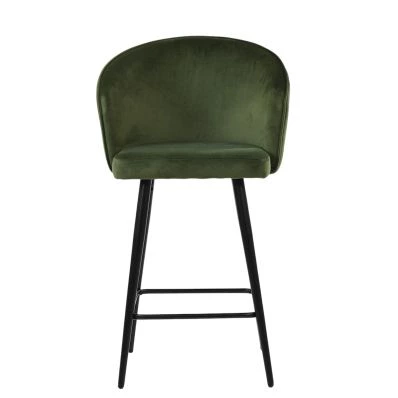
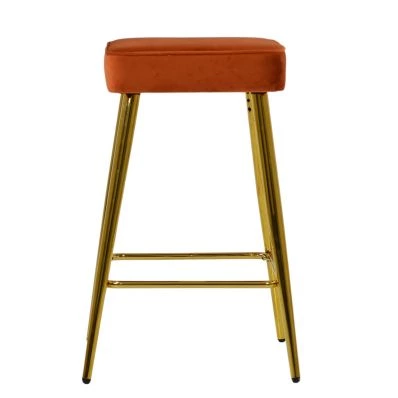
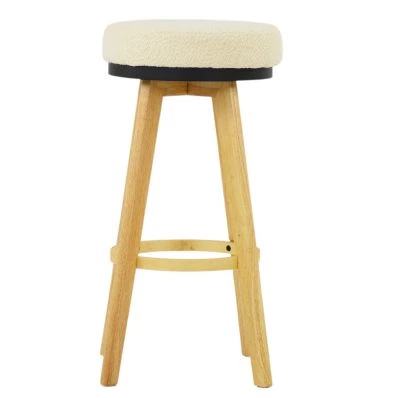
Seat structure also matters more than many people expect. Backless stools work well in compact kitchens because they tuck neatly underneath counters, but they are less comfortable for longer sitting sessions. High-back upholstered stools generally suit islands used for dining, socialising, or working for extended periods.
We find many of our customers underestimate how much the footrest matters. After an hour or two of sitting, it becomes one of the first details people notice.
Bar Stool Height Explained
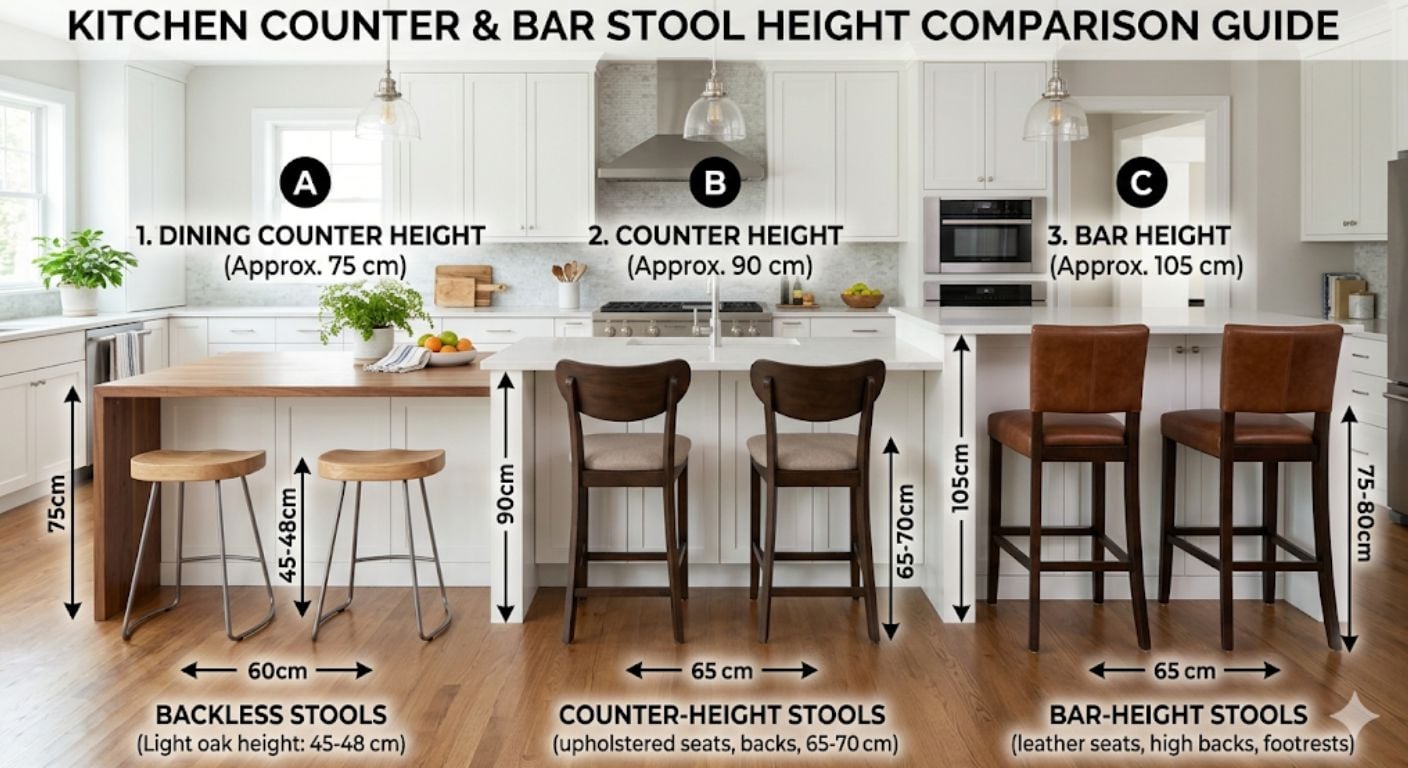
Bar stool height is the single most important measurement when choosing seating for a kitchen island or breakfast bar.
The general rule is simple:
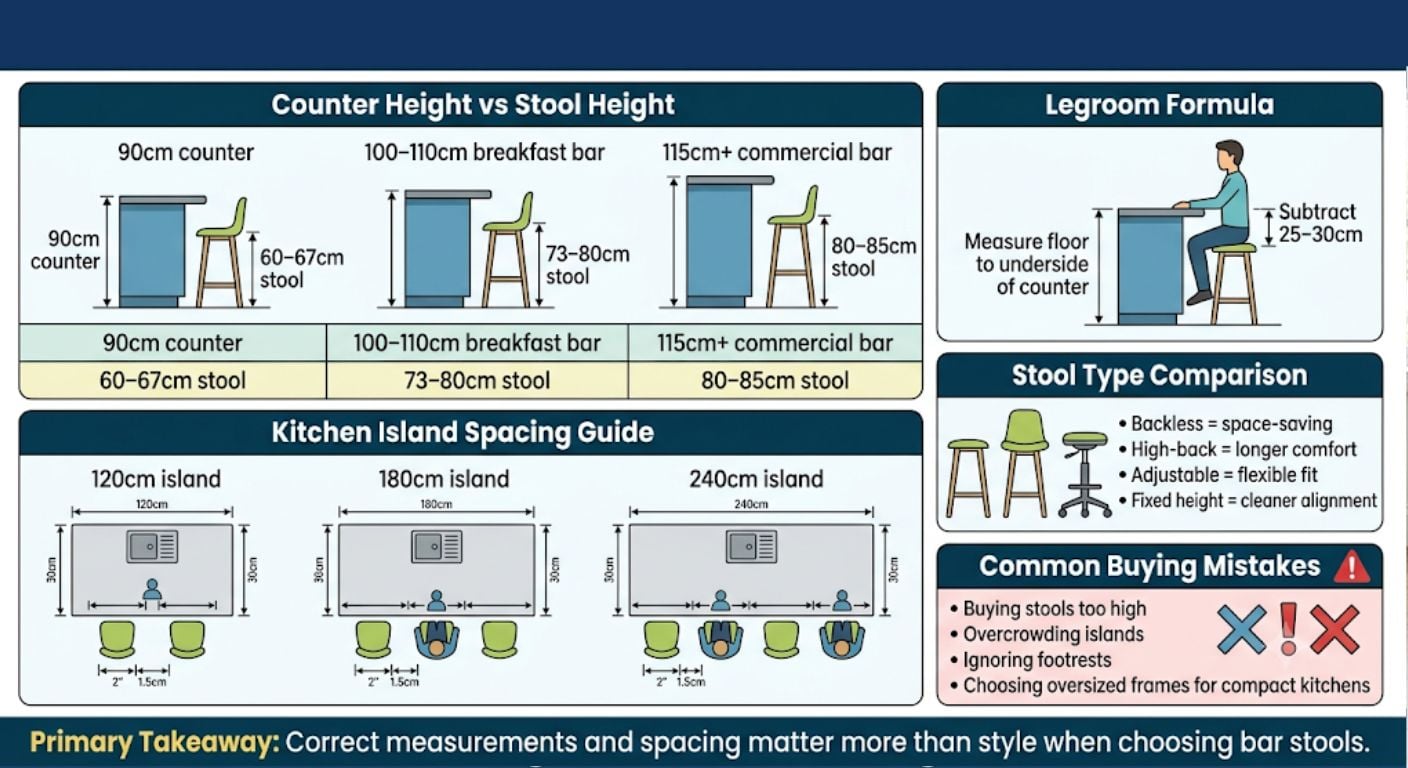
Measure from the floor to the underside of your counter and subtract 25–30cm.
This creates the correct legroom gap between the seat and the counter surface.
| Counter Height | Recommended Stool Height | Common Use |
|---|---|---|
| 88–92cm | 60–67cm seat height | Standard kitchen counters |
| 100–110cm | 73–80cm seat height | Breakfast bars and raised islands |
| 115cm+ | 80–85cm+ seat height | Commercial-style bars |
A counter stool and a bar stool are not the same thing. Counter stools are shorter and designed for standard kitchen worktops around 90cm high. Bar stools are taller and suit raised breakfast bars closer to 105cm high.
If you are unsure which you need, this guide on bar stools versus counter stools explains the measurement differences in more detail.
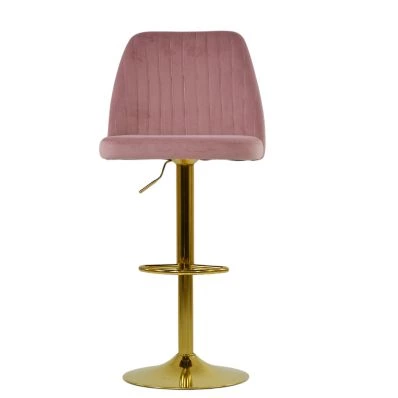
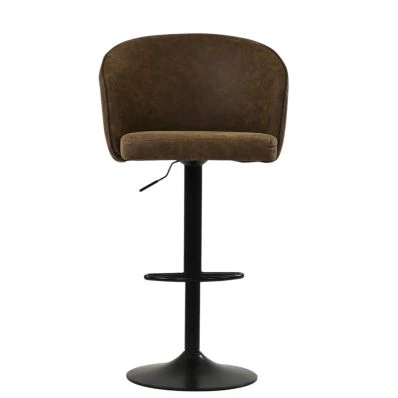
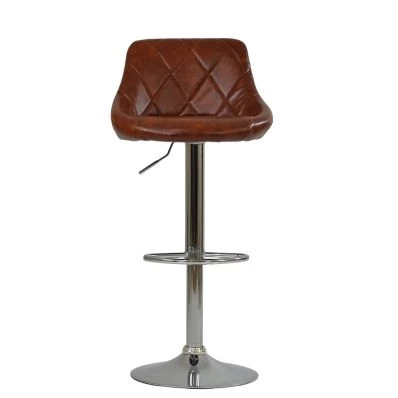
Adjustable-height stools can help where the counter height sits between standard ranges or where the seating will be used by different people. Gas-lift mechanisms allow the seat height to move up or down without changing stools entirely.
For a more detailed breakdown of measurements, read the full bar stool height guide.
How Many Bar Stools Fit On A Kitchen Island?
The standard spacing guideline is approximately 60cm from the centre of one stool to the centre of the next.
This spacing gives enough elbow room for dining and prevents the kitchen island from feeling overcrowded.
| Island Width | Recommended Number Of Stools |
|---|---|
| 120cm | 2 stools |
| 180cm | 3 stools |
| 240cm | 4 stools |
| 300cm | 5 stools |
You should also leave around 15cm between the outer stool edge and the end of the counter where possible.
Wider stools with arms reduce the number of seats that fit comfortably. Slim pedestal designs or backless stools usually allow tighter spacing where room is limited.
If the island sits near cabinets, doorways, or major walkways, clearance behind the stools matters as much as spacing between them. In compact kitchens, oversized stools often create more frustration than comfort.
For detailed layout examples, read Kitchen Island Stool Guide: How Many Per Width? and the separate bar stool spacing guide.
Adjustable Vs Fixed Height Bar Stools
Fixed-height stools provide consistency and usually feel slightly more stable because there are fewer moving parts. Adjustable stools offer more flexibility where multiple counter heights or different users are involved.
Fixed Height Bar Stools
- Consistent seat height
- Often heavier and more stable
- Common in dining-style island setups
- Suitable where counter height is already known
Adjustable Height Bar Stools
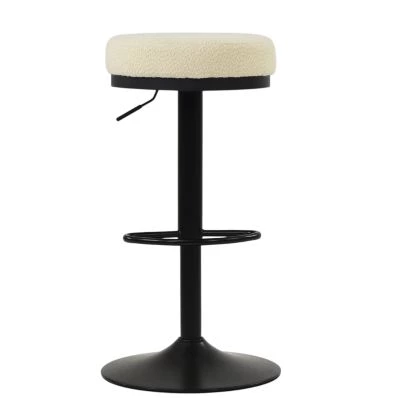
- Height changes using a gas-lift mechanism
- Useful for mixed-height counters
- Better flexibility for family households
- Often combined with swivel functionality
Adjustable stools are particularly common in modern kitchen islands because they accommodate different sitting preferences more easily. They also reduce risk when buyers are uncertain about final counter measurements.
However, fixed-height stools generally create a cleaner seating line visually and can feel sturdier in high-use kitchens.
If flexibility matters more than uniformity, adjustable stools are usually the safer choice.
Swivel Or Fixed Seat?
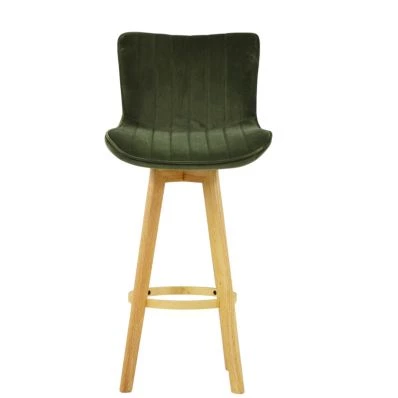
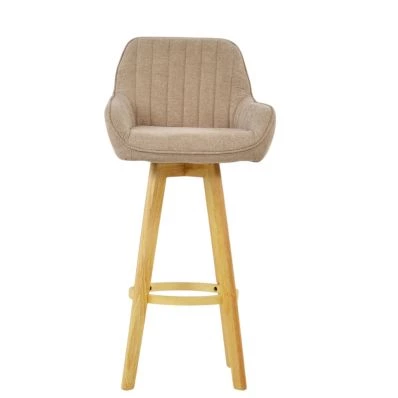
Swivel stools allow the seat to rotate, making it easier to get on and off without dragging the stool backwards. Fixed-seat stools stay stationary and often suit tighter layouts.
Swivel stools work particularly well where:
- Space behind the stool is limited
- Users regularly turn toward different areas of the room
- The island is used socially as well as functionally
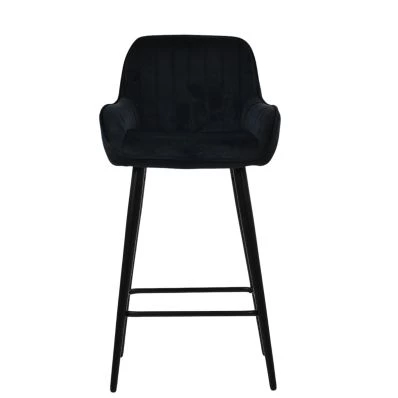
- The stool has arms or a wider frame
Fixed-seat stools usually suit:
- Straight breakfast bars
- Minimalist layouts
- Compact kitchens
- More formal seating arrangements
Some swivel stools include a return mechanism that automatically rotates the seat back into position when not in use. This helps keep islands looking tidier.
For a deeper comparison, see Swivel Vs Fixed Bar Stools.
Which Upholstery Materials Work Best?
The best upholstery material depends mainly on how heavily the stools will be used and how easy they need to be to maintain.
Faux Leather
Faux leather is one of the most practical options for family kitchens because it wipes clean easily and handles regular spills well. It is commonly used on adjustable stools and suits high-traffic households.
Real Leather
Real leather usually develops more character over time and often feels more substantial, but it requires slightly more maintenance. It is commonly chosen for longer-term kitchen installations and premium dining spaces.
Fabric And Velvet
Fabric and velvet upholstery provide softer seating comfort but generally require more upkeep. These materials usually suit lower-traffic kitchens or occasional seating areas better than busy family environments.
Wood And Metal
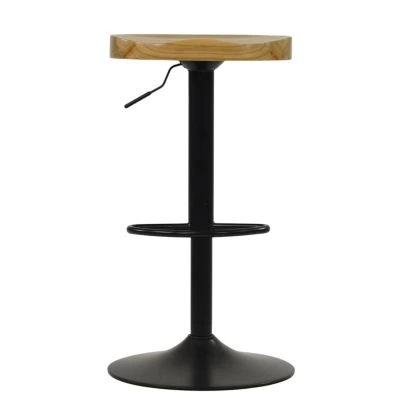
Wooden and metal stools are durable and straightforward to maintain. Solid wood stools often suit traditional kitchens, while powder-coated metal frames fit more industrial or modern layouts.
Backless Vs High-Back Bar Stools
Backless stools save space and tuck neatly underneath counters, while stools with backs provide better comfort for longer sitting periods.
Backless Stools Usually Suit:
- Small kitchens
- Narrow breakfast bars
- Quick dining use
- Minimal visual bulk
High-Back Stools Usually Suit:
- Longer sitting sessions
- Working from home at kitchen islands
- Open-plan kitchen dining
- Larger island spaces
If the stools will regularly be used for working, studying, or evening dining, back support becomes far more important.
Backless stools are practical, but most people start to notice the lack of support after around 20–30 minutes of continuous sitting.
For a full comparison, read Bar Stools With Backs Vs Backless Bar Stools.
Choosing Bar Stools For Different Kitchen Types
Family Kitchens
Family kitchens usually benefit from wipe-clean upholstery, stable bases, and stools with supportive backs. Faux leather and powder-coated metal frames are often practical choices.
Swivel stools can help children get on and off more easily without dragging the stool backwards across the floor.
Small Kitchens
Compact kitchens generally work better with slimmer stools, narrow frames, or backless designs that tuck underneath the counter fully.
Large framed stools with arms often consume more visual and physical space than buyers expect.
This guide to bar stools for small kitchens covers the best layouts for tighter spaces.
Open-Plan Kitchens
Open-plan spaces often use bar stools as transitional seating between cooking, dining, and social areas. Upholstered high-back stools usually suit this type of environment better because people tend to sit on them for longer periods.
Rental Properties And Airbnbs
Rental properties generally benefit from durable wipe-clean finishes and simpler mechanisms that reduce long-term maintenance risk.
For practical recommendations, see Bar Stools for Rentals & Airbnbs.
Decision Logic: Which Bar Stool Should You Choose?
If your counter height is around 90cm, choose a 60–67cm counter stool.
If your breakfast bar is 100–110cm high, choose a 73–80cm bar stool.
If your kitchen is compact, avoid oversized stools with arms.
If the stools will be used for longer sitting sessions, choose supportive backs and padded seats.
If flexibility matters, choose adjustable-height stools.
If children regularly use the kitchen, prioritise wipe-clean upholstery and stable bases.
If you want stools to disappear underneath the island visually, choose backless or low-back designs.
If the island is heavily social and open-plan, swivel stools generally improve usability.
If you are still narrowing options down, Lakeland’s bar stool collection includes fixed-height, adjustable, swivel, upholstered, and compact-space designs across different seat heights and materials.
Frequently Asked Questions
What is the difference between a counter stool and a bar stool?
A counter stool normally has a seat height of around 60–67cm and suits standard kitchen counters approximately 90cm high. A bar stool is taller, usually 73–80cm high, and is designed for raised breakfast bars around 100–110cm high.
How tall should bar stools be for a kitchen island?
Measure from the floor to the underside of the counter and subtract 25–30cm. Most standard kitchen islands require stools with seat heights around 60–67cm, while raised breakfast bars usually need 73–80cm stools.
How much space should you leave between bar stools?
Most layouts work best with around 60cm between the centre points of each stool. Wider stools with arms may require slightly more spacing, especially if the stools swivel.
Are backless bar stools comfortable?
Backless stools work well for shorter sitting periods and compact kitchens because they tuck neatly under counters. For longer use, such as working from home or evening dining, stools with supportive backs are generally more comfortable.
Are leather bar stools easy to clean?
Leather and faux leather bar stools are usually easier to maintain than fabric upholstery because spills can be wiped away quickly. Faux leather is particularly common in busy family kitchens due to its durability and low maintenance requirements.
How many stools fit on a 2m kitchen island?
A 2m kitchen island usually fits three stools comfortably using the standard 60cm spacing rule. The exact number depends on stool width and whether the design includes arms.
Summary: The Main Rules To Follow
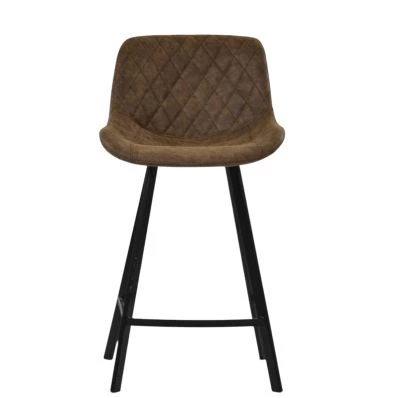
- Subtract 25–30cm from counter height to find the correct seat height
- 60–67cm stools suit most standard kitchen counters
- 73–80cm stools suit raised breakfast bars
- Allow roughly 60cm spacing between stool centres
- Backless stools save space but reduce long-term comfort
- Footrests matter more than most buyers expect
- Adjustable stools improve flexibility where measurements are uncertain
- Wipe-clean materials usually suit busy family kitchens best
- Large stools with arms can overcrowd compact islands
The best bar stools are usually the ones that fit the space properly, support the intended use, and reduce compromise in day-to-day use. Measurement accuracy matters more than trends, particularly in kitchens where the stools will be used every day.
For more options and category-specific designs, browse Lakeland’s full range of bar stools.


Comments