
 Chat with us on WhatsApp

Breakfast Statistics: What People Eat, Skip, and Why It Matters
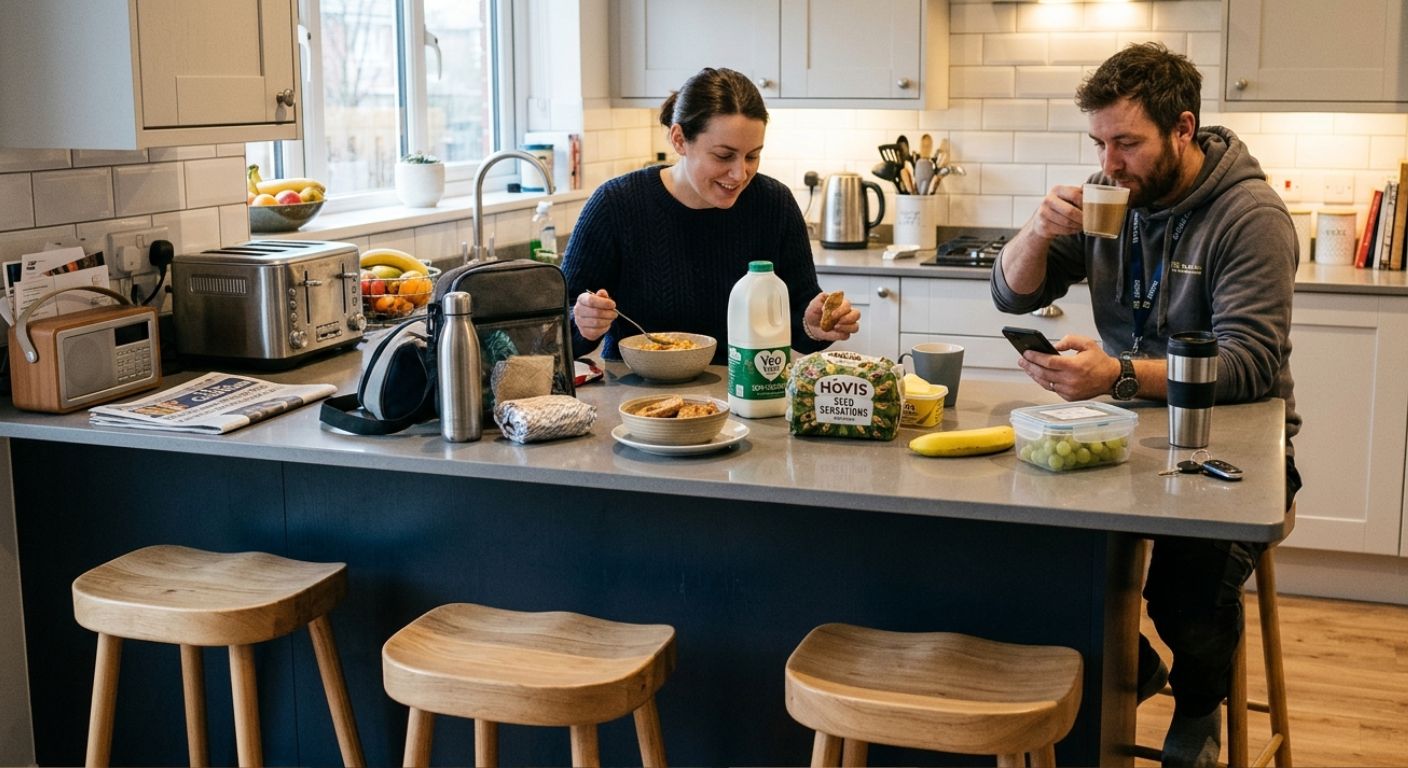
Breakfast habits have changed significantly over the last decade. More people now eat on the move, skip breakfast entirely, or choose quick convenience foods over traditional sit-down meals. At the same time, researchers continue to study how breakfast affects energy levels, concentration, productivity, and long-term health outcomes.
For households with breakfast bars and kitchen seating areas, breakfast routines also influence how kitchens are used day to day. Families increasingly use breakfast bars as flexible eating spaces for quick weekday meals, remote working, and informal social use. If you are planning seating around a breakfast area, our breakfast bar stool height guide explains the sizing side in detail.
This article looks at current breakfast statistics, including what people eat most often, why many people skip breakfast, and how modern routines are changing breakfast behaviour.
What Is a Breakfast Consumer?
A breakfast consumer is generally defined as someone who eats or drinks a meal classified as breakfast between around 5am and 11am, regardless of when they wake up. Research studies use this definition to measure breakfast participation across different age groups, income levels, and lifestyles.
Breakfast consumption rates vary heavily by age. Children typically eat breakfast more regularly than teenagers and adults, while breakfast skipping increases significantly during the late teenage years and early adulthood.
What Are the Most Popular Breakfasts in the UK?
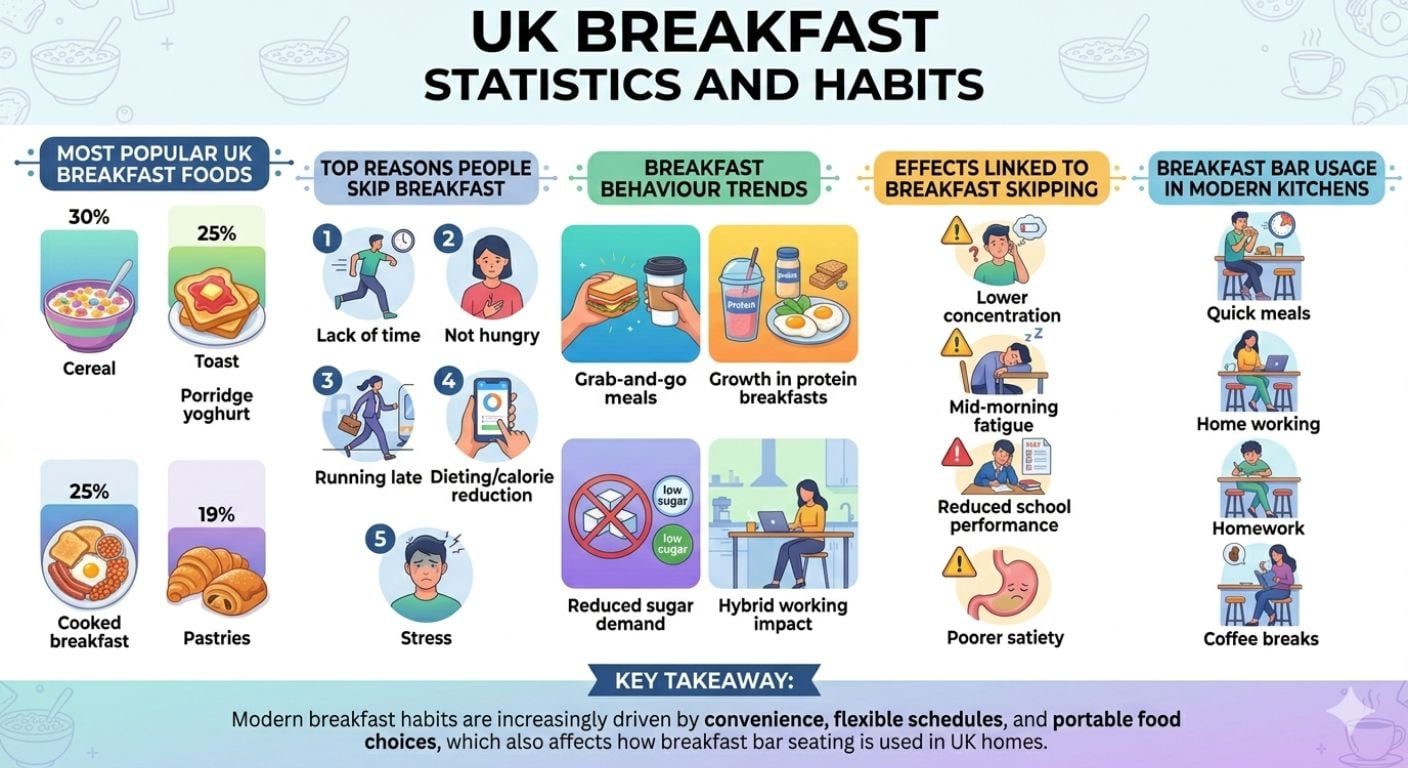
UK breakfast choices continue to favour convenience, familiarity, and speed. Traditional cooked breakfasts still remain popular at weekends, but weekday habits are usually built around faster foods that fit into work and school schedules.
| Breakfast Food | Typical Popularity | Main Reason Chosen |
|---|---|---|
| Cereal | Very High | Fast and convenient |
| Toast | Very High | Low cost and quick |
| Porridge | High | Filling and inexpensive |
| Fruit and yoghurt | Moderate | Health-focused option |
| Cooked breakfast | Moderate | Weekend and leisure eating |
| Breakfast pastries | Growing | Portable convenience |
Research also shows strong growth in portable breakfast foods. Muffins, breakfast wraps, croissants, and protein-based breakfast products continue to grow because they suit commuting and hybrid working routines.
One thing we have noticed from customers designing breakfast bar spaces is that weekday breakfasts are usually far shorter than people expect when planning their kitchen layout. Most households use the area for quick 10–20 minute meals rather than long sitting periods.
Why Do So Many People Skip Breakfast?
The most common reasons people skip breakfast are:
- Not feeling hungry in the morning
- Running late or lacking time
- Trying to reduce calorie intake
- Stress or disrupted morning routines
- Commuting schedules
Time pressure remains the dominant factor across most studies. Modern work schedules, school runs, and hybrid commuting patterns have reduced the amount of time many households dedicate to breakfast preparation.
Research also shows that breakfast skipping increases with age during adolescence. Teenage girls consistently report the highest breakfast skipping rates, often linked to time pressure, body image concerns, dieting behaviour, and longer morning preparation routines.
Does Skipping Breakfast Cause Weight Gain?
Research on breakfast and weight gain is mixed. Many observational studies show that regular breakfast skippers tend to have higher average body mass indexes, but researchers do not fully agree on whether breakfast skipping directly causes weight gain.
In many cases, breakfast skipping is associated with broader lifestyle patterns, including reduced physical activity, irregular meal timing, lower diet quality, and higher processed food consumption later in the day.
According to the NHS guidance on breakfast and healthy eating, breakfast can help people manage hunger and maintain more stable energy levels throughout the morning.
Does Skipping Breakfast Cause 10am Fatigue?
Many people who skip breakfast report tiredness and reduced concentration during the mid-morning period. Several surveys place the average energy dip at roughly 10:00am to 10:30am, particularly among office workers and students.
The effect varies depending on:
- Total calorie intake
- Sleep quality
- Hydration levels
- Caffeine consumption
- Overall diet quality
High-protein breakfasts and higher-fibre breakfasts generally produce longer satiety and more stable energy levels than high-sugar options.
How Does Breakfast Affect School Performance?
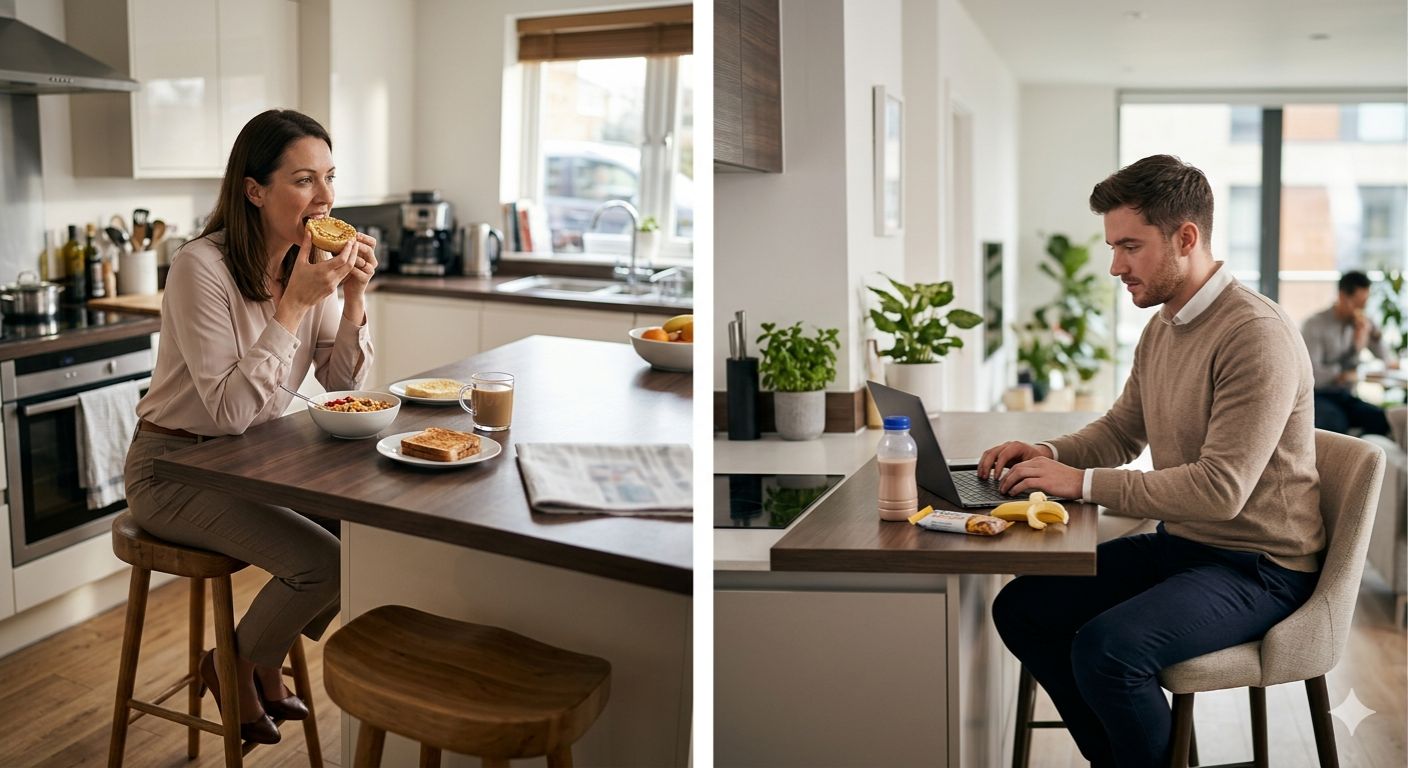
Studies consistently show a relationship between regular breakfast consumption and stronger academic outcomes in children and teenagers. Students who regularly eat breakfast often report:
- Better concentration
- Improved memory performance
- Higher classroom participation
- Lower absenteeism
- Better overall school connectedness
Research also links breakfast skipping with lower average grades and higher reports of sadness, hopelessness, and low mood among secondary school students.
What Are the Benefits of School Breakfast Clubs?
School breakfast clubs can improve nutrition access for lower-income households while also supporting classroom readiness and concentration. They help reduce situations where children start school without eating.
Studies on breakfast clubs regularly highlight:
- Improved punctuality
- Better maths and reading performance
- Reduced hunger during lessons
- More stable morning routines
- Reduced nutritional inequality
For many families, breakfast clubs also provide consistency during periods where work schedules make early morning meals difficult at home.
How Have Breakfast Habits Changed?
Breakfast routines have shifted heavily towards convenience and flexibility. Hybrid working has changed when and where people eat breakfast, while rising living costs have also influenced food choices.
Several major changes now shape breakfast behaviour:
More Portable Breakfasts
Grab-and-go breakfasts continue to grow because they suit commuting and flexible working routines. Portable products are often designed for one-handed eating and minimal preparation.
Higher Protein Demand
Protein-focused breakfasts have grown rapidly, particularly among adults interested in satiety and energy management. Protein yoghurts, eggs, overnight oats, and breakfast wraps have all increased in popularity.
Reduced Sugar Focus
Many breakfast manufacturers have reduced sugar content in cereals and snack products due to health concerns and consumer demand for simpler ingredient lists.
Flexible Breakfast Timing
Traditional breakfast timing is becoming less consistent. Hybrid workers often eat later in the morning compared to traditional office commuters.
Best Portable Breakfasts for Commuters
Portable breakfasts are typically chosen based on speed, convenience, and minimal preparation. The most popular commuter-friendly options include:
- Breakfast wraps
- Protein bars
- Fruit pots
- Overnight oats
- Muffins and pastries
- Yoghurt pots
- Prepared breakfast sandwiches
Sweet bakery products remain extremely popular because they are easy to transport and widely available, but protein-based options continue gaining market share among commuters wanting longer-lasting fullness.
How Breakfast Habits Influence Kitchen Design
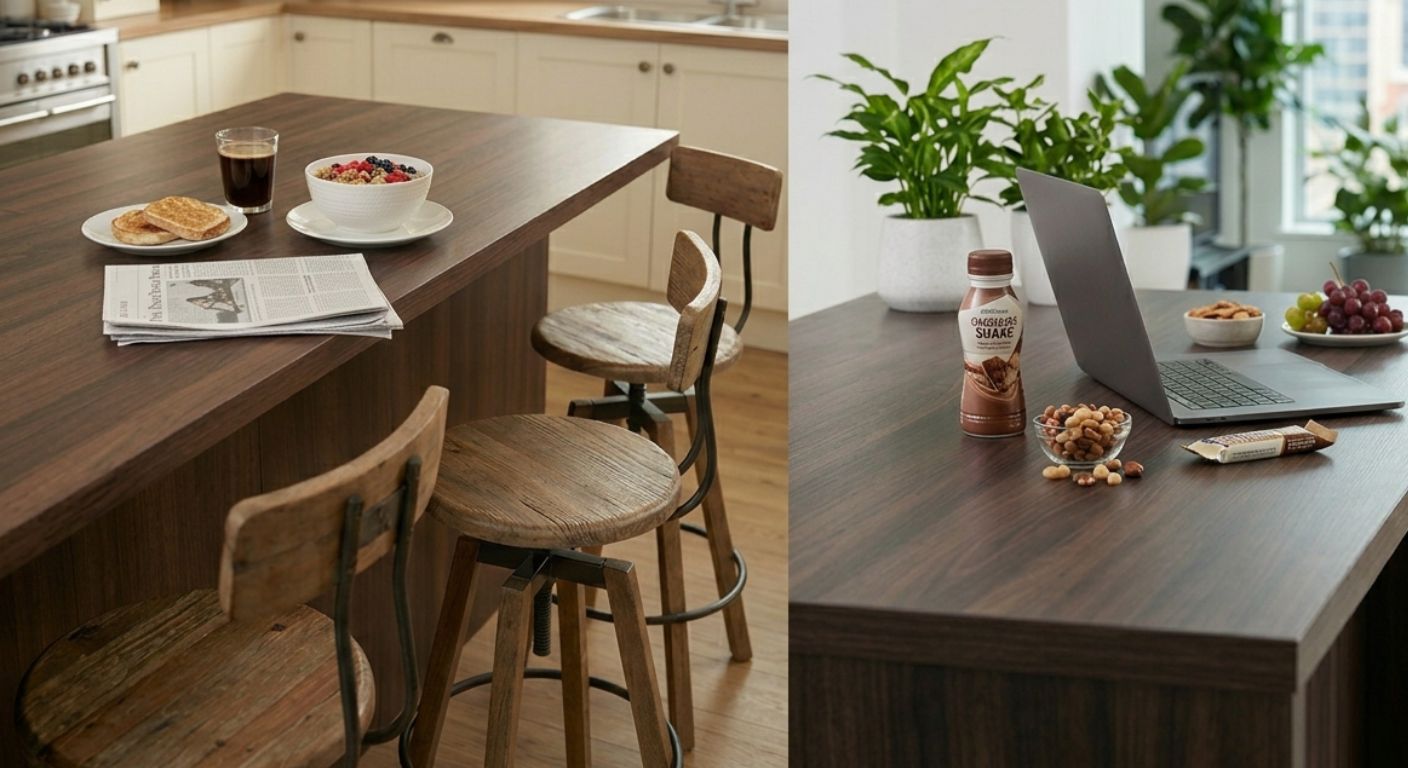
Modern breakfast routines increasingly revolve around flexible kitchen seating rather than formal dining tables. Breakfast bars are now commonly used for:
- Quick weekday meals
- Remote working
- Children's homework
- Coffee breaks
- Casual evening dining
Because breakfast usage is usually short-duration and high-frequency, practical seating decisions matter more than decorative styling. Choosing the correct stool height is one of the most important decisions, and our What Height Bar Stool for a Breakfast Bar? guide explains exactly how to match stool height to your worktop. Height compatibility, footrest support, and wipe-clean surfaces all become more important in busy households. If you're unsure whether your kitchen requires counter-height or bar-height seating, our Bar Stool Height Guide: Counter Height vs Bar Height explains the differences and how to choose the right option.
If you are comparing seating types for a breakfast area, our guide to different types of bar stools explains how each style suits different routines and kitchen layouts.
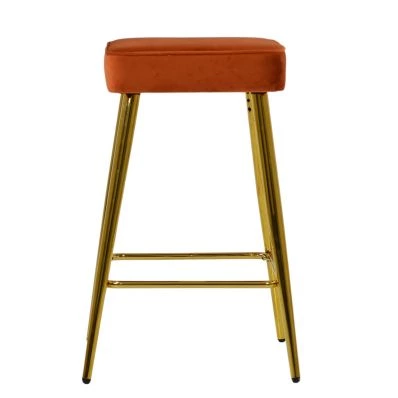
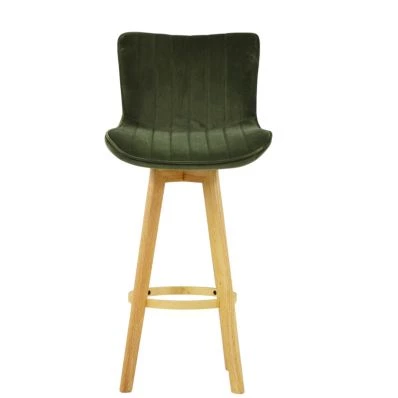
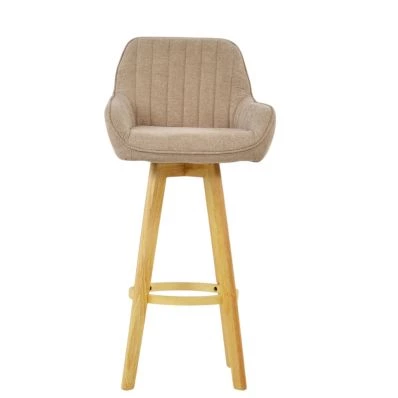
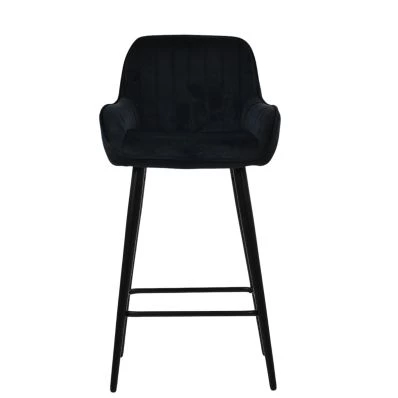
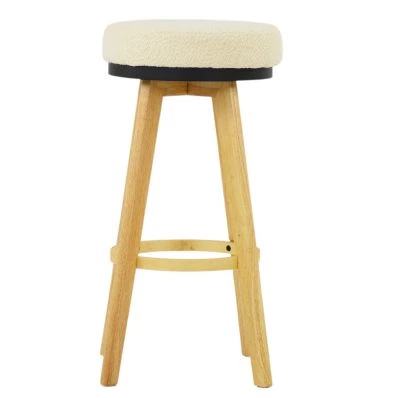
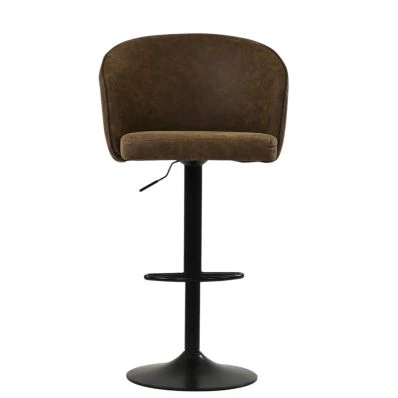
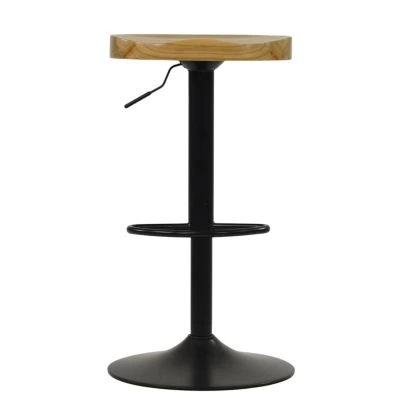
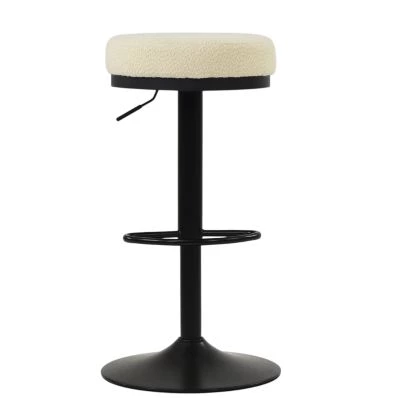
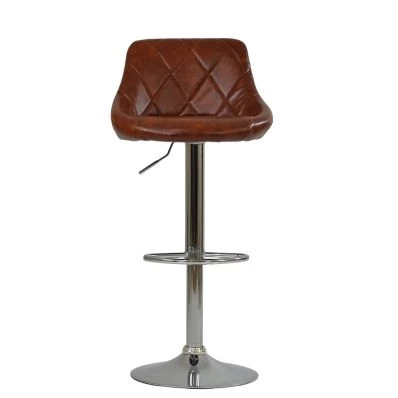
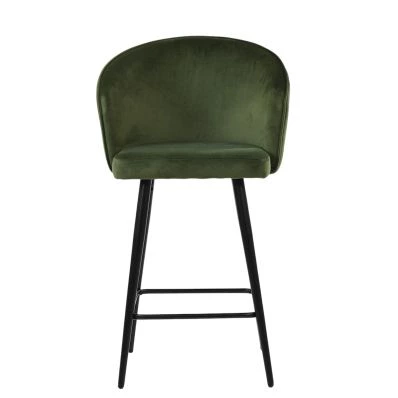
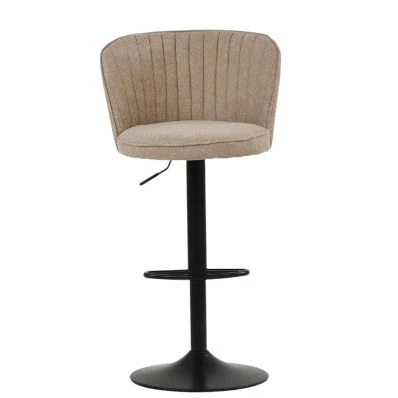
You can also browse the full bar stool collection for fixed-height, swivel, and adjustable breakfast bar seating.

Conclusion
Breakfast habits continue to evolve around speed, convenience, and changing work patterns. While traditional breakfasts remain common, portable foods and flexible eating routines now dominate weekday behaviour for many households.
Research continues to show links between breakfast consumption, energy levels, concentration, and academic performance, particularly among children and teenagers. At the same time, breakfast spaces inside the home are increasingly designed around flexible seating and short everyday use.
If you are planning a breakfast bar setup, the most important starting point is correct stool sizing and spacing. Our complete breakfast bar stool height guide explains the key measurements and compatibility rules in detail.


Comments