
 Chat with us on WhatsApp

Cleaning Fabric Bar Stools
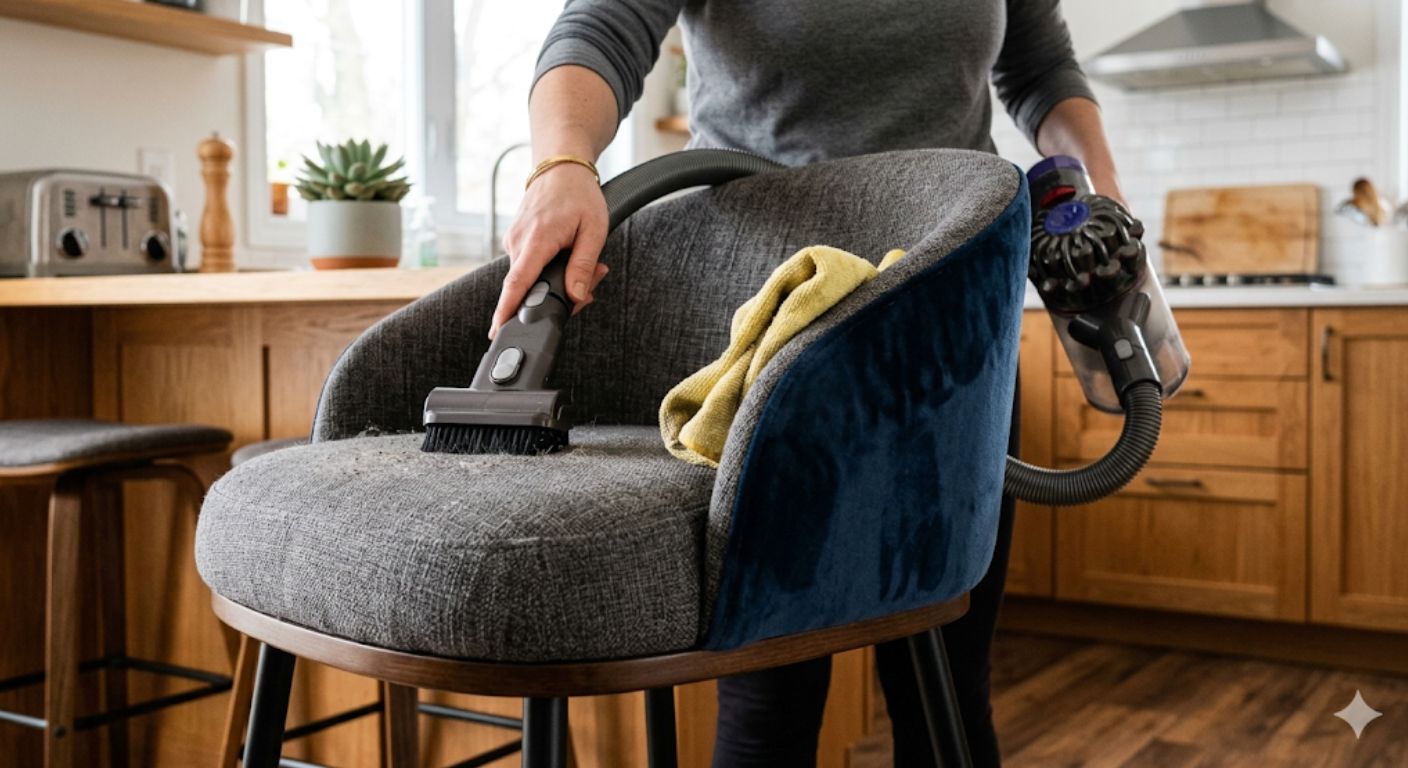
Fabric bar stools are common in kitchens, breakfast bars, and open-plan dining spaces because they soften the look of harder materials like metal and stone. The trade-off is that fabric upholstery collects dust, absorbs spills, and shows marks more easily than wipe-clean surfaces. Regular cleaning helps preserve the fabric texture, colour consistency, and overall appearance of the stool over time.
Different upholstery materials also react differently to moisture, cleaning products, and friction. Velvet, bouclé, linen-look fabrics, and polyester blends all require slightly different handling. If you are comparing upholstery types across seating styles, our guide to bar stool materials explains how different finishes behave in everyday use.
What You Need Before Cleaning Fabric Bar Stools
Using the wrong tools causes more problems than the stain itself. Harsh brushes, bleach-based sprays, and soaking wet cloths can damage upholstery fibres or leave water marks behind.
Basic Cleaning Tools
| Tool | Purpose | Suitable For |
|---|---|---|
| Vacuum with upholstery attachment | Removes loose dust and crumbs | All fabric stools |
| Microfibre cloth | Gentle surface wiping | All fabric stools |
| Mild dish soap | Light cleaning solution | Polyester and woven fabric |
| Warm water | Dilutes cleaning solution | Most fabrics |
| Soft brush | Lifts dirt from textured fabric | Bouclé and velvet |
| White vinegar | Helps treat light staining | Light fabrics |
| Bicarbonate of soda | Absorbs grease and odours | Food-related stains |
| Dry towel | Removes excess moisture | All fabric stools |
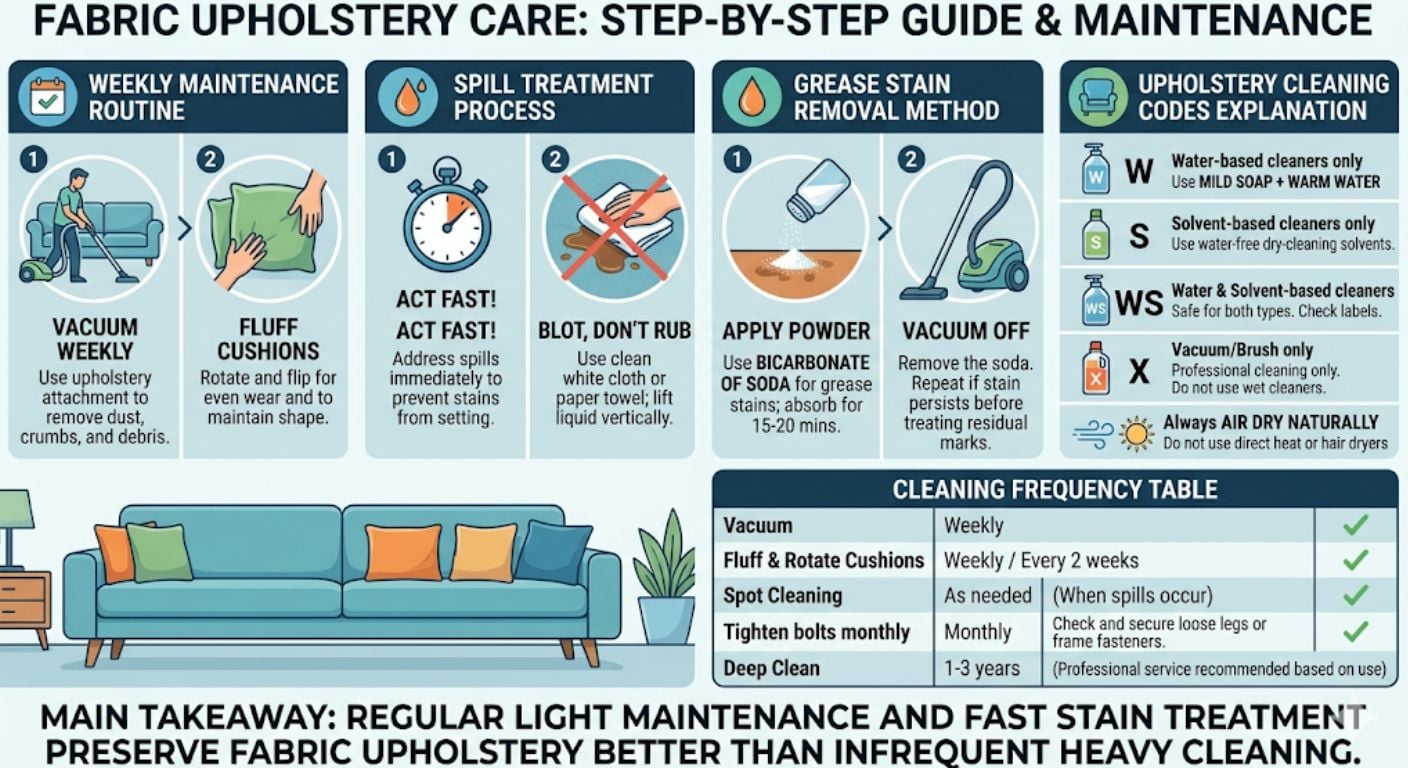
Before using any cleaner, check the upholstery care label if one is present. Many upholstered stools use standard cleaning codes:
- W — Water-based cleaners are suitable
- S — Solvent-based cleaners only
- WS — Water or solvent cleaners can be used
- X — Vacuum only, no liquid cleaning
How To Clean Fabric Bar Stools
Most fabric bar stools respond well to a simple maintenance routine. The key is removing loose dirt first before introducing moisture.
Step-By-Step Cleaning Process
- Vacuum the stool thoroughly using an upholstery attachment
- Pay attention to stitched seams, piping, and corners
- Mix a small amount of mild dish soap with warm water
- Dip a microfibre cloth into the solution and wring it out fully
- Gently wipe the fabric surface without soaking it
- Blot marks or spills instead of rubbing them
- Use a dry towel to absorb excess moisture
- Leave the stool to air dry in a ventilated room
Do not use hairdryers or direct heat. Fast drying can shrink certain upholstery fabrics or leave uneven marks.
One thing we regularly hear from our customers is that kitchen island stools often collect grease residue faster than expected because they sit close to cooking zones and extractor airflow.
How To Remove Common Stains From Fabric Bar Stools
Different stains require different treatment methods. Rubbing aggressively usually spreads the stain further into the upholstery.
Grease Stains
Grease marks are common around breakfast bars and kitchen seating.
To remove grease stains:
- Blot excess grease immediately
- Sprinkle bicarbonate of soda over the stain
- Leave for 15–20 minutes
- Vacuum away the powder
- Clean lightly using warm water and mild soap
Avoid soaking grease stains with water immediately. Oil spreads further through upholstery fibres when saturated.
Drink Spills
Tea, coffee, wine, and fizzy drinks should be treated quickly.
- Blot using a dry cloth
- Avoid circular rubbing motions
- Use diluted soap solution sparingly
- Repeat gently if staining remains
Dark liquids often leave outlines if too much water is used during cleaning.
Set-In Upholstery Stains
Older stains usually need multiple cleaning passes rather than stronger chemicals.
For stubborn stains:
- Vacuum the area first
- Use steam lightly to loosen dried residue if the fabric allows moisture
- Apply upholstery cleaner carefully
- Blot repeatedly with a clean cloth
- Allow the area to dry fully before repeating
Persistence matters more than aggressive scrubbing. Heavy rubbing damages woven fabric surfaces and can flatten textured upholstery.
Cleaning White Fabric Bar Stools
White and cream fabric bar stools show marks faster than darker upholstery, especially around seat edges and backrests.
A mild vinegar solution can help lift surface discolouration:
- Mix equal parts white vinegar and warm water
- Test on a hidden section first
- Blot gently with a cloth
- Dry naturally afterwards
Avoid bleach-based cleaners unless the manufacturer specifically recommends them. Bleach can weaken stitching and create uneven fading.
White upholstery also benefits from more frequent vacuuming because dust becomes visible earlier than on darker fabrics.
Cleaning Velvet Bar Stools
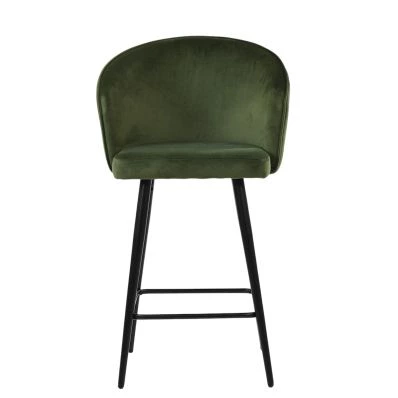
Velvet upholstery requires lighter handling because the fabric pile changes direction easily under pressure.
Velvet Maintenance Routine
- Vacuum weekly using a soft upholstery attachment
- Brush gently in the direction of the nap
- Avoid excessive water
- Dry naturally without heat
- Use a soft brush afterwards to restore texture
Velvet tends to mark temporarily when pressure changes the fabric direction. This is normal and does not always mean permanent wear.
If you are comparing upholstery durability across different finishes, our guide to velvet bar stools, cleaning, pets and wear points explains where velvet performs well and where it requires more maintenance.
How Often Should Fabric Bar Stools Be Cleaned?
Cleaning frequency depends on how the stools are used.
Recommended Maintenance Schedule
| Task | Frequency |
|---|---|
| Light vacuuming | Weekly |
| Spot cleaning spills | Immediately |
| Full wipe-down | Monthly |
| Tighten bolts and screws | Monthly |
| Deep upholstery clean | Every 6–12 months |
Households with children, pets, or open-plan kitchens usually need more frequent maintenance because cooking residue travels through the room more easily.
Preventing Wobbling And Frame Wear
Fabric upholstery is usually the focus, but stool stability also affects long-term condition. Loose frames create movement that stresses seams, stitching, and fixing points.
How To Stop Bar Stools From Wobbling
Check and tighten bolts, screws, and footrest fixings every month. Small movements gradually loosen hardware over time, especially on swivel and height-adjustable stools. Felt pads underneath the base also help stabilise stools on hard flooring and reduce uneven pressure on the frame.
If your stools use adjustable mechanisms, avoid forcing the gas-lift handle while seated unevenly. Repeated twisting pressure shortens the lifespan of moving components.
When Fabric Bar Stools Make Sense
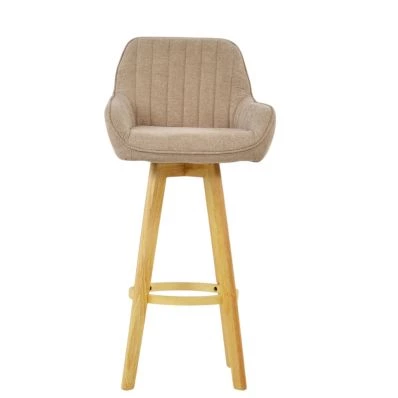
Fabric bar stools suit buyers who want softer seating for longer sitting periods, especially in kitchens where stools are used daily rather than occasionally.
They usually make sense for:
- Open-plan kitchens
- Breakfast bars used for meals
- Home entertaining spaces
- Longer sitting sessions
- Warmer interior schemes with softer finishes
They may not suit:
- High-spill family kitchens
- Heavy commercial use
- Outdoor areas
- Homes wanting minimal maintenance
For buyers prioritising wipe-clean practicality over softer upholstery, alternatives like faux leather or wood may require less ongoing maintenance. Our main bar stools collection includes fabric, velvet, faux leather, and wooden styles across fixed and adjustable designs.
FAQ
How do you clean fabric bar stools without damaging them?
Vacuum first to remove loose dirt before using any moisture. Use a lightly damp microfibre cloth with mild soap solution and blot rather than rub stains. Avoid soaking the upholstery or using harsh brushes. Always allow the stool to air dry naturally.
What is the safest cleaner for upholstered bar stools?
Mild dish soap diluted in warm water is usually the safest general-purpose cleaner for most fabric upholstery. Strong chemicals, bleach sprays, and abrasive products can damage fibres or cause colour fading. Always patch test cleaning products first.
Can you use a steam cleaner on fabric bar stools?
Steam cleaning can help loosen older stains, but only if the upholstery cleaning code allows water-based cleaning. Excessive heat or moisture may damage some fabrics, especially velvet or textured upholstery. Use steam lightly rather than saturating the material.
How do you clean grease stains from bar stools?
Blot the stain first, then apply bicarbonate of soda to absorb excess grease. Vacuum after 15–20 minutes and clean gently using mild soap solution. Avoid rubbing aggressively because grease spreads deeper into the fabric.
Do velvet bar stools need special cleaning?
Yes. Velvet upholstery should be vacuumed gently and brushed in the direction of the fabric nap. Excess moisture can flatten the texture or leave water marks behind. Velvet also benefits from regular light maintenance rather than infrequent deep cleaning.
-
-
-
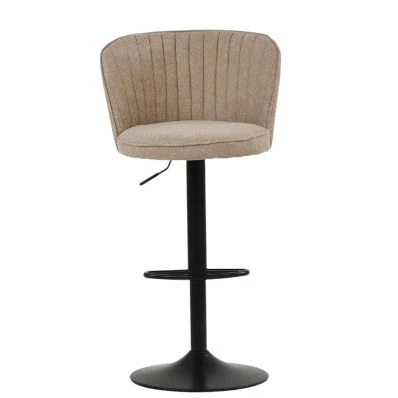
-
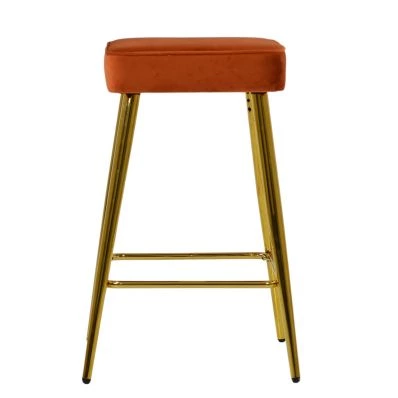
-
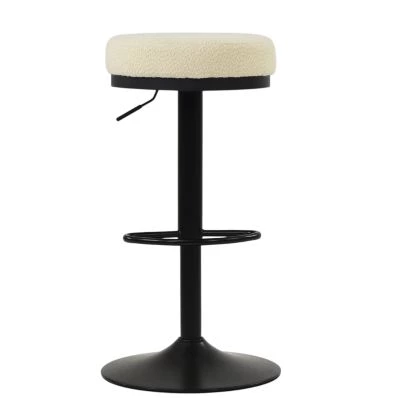
-
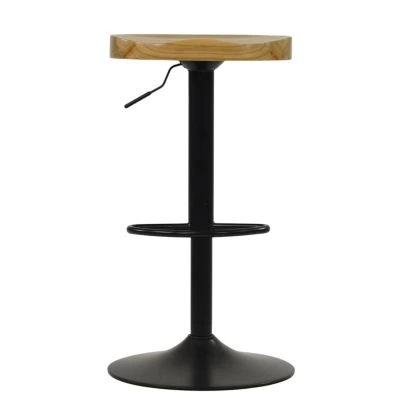
-
-
-
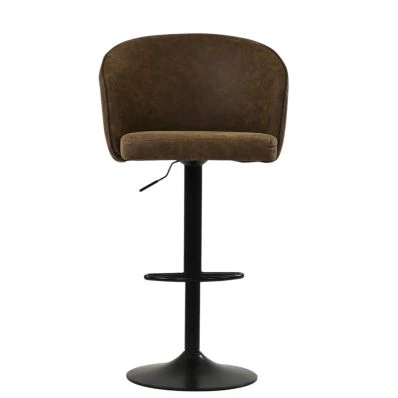
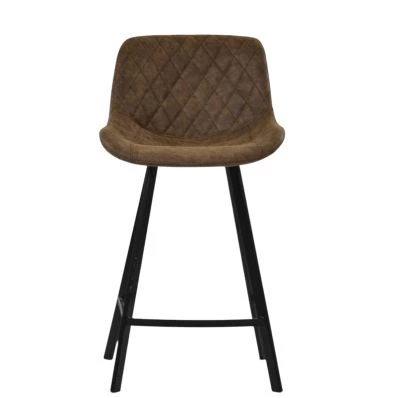 Matteo 65cm Bar Stool in Aged Brown Leather & Black BaseSpecial Price £59.99 Regular Price £74.99 Original price 20% Inc VATSaving £15
 -
-
Final Thoughts
Cleaning fabric bar stools is mainly about consistency rather than aggressive deep cleaning. Regular vacuuming, fast spill treatment, and gentle cleaning products help preserve upholstery texture and reduce long-term staining.
If you are still deciding between upholstery finishes, our guide to bar stool materials compares how different surfaces behave in everyday use. You can also browse the full Lakeland bar stools range to compare fabric, velvet, faux leather, and wooden options.


Comments