
 Chat with us on WhatsApp

Do Bar Stools Tuck Under? Seat Depth, Back Height & Overhang Guide
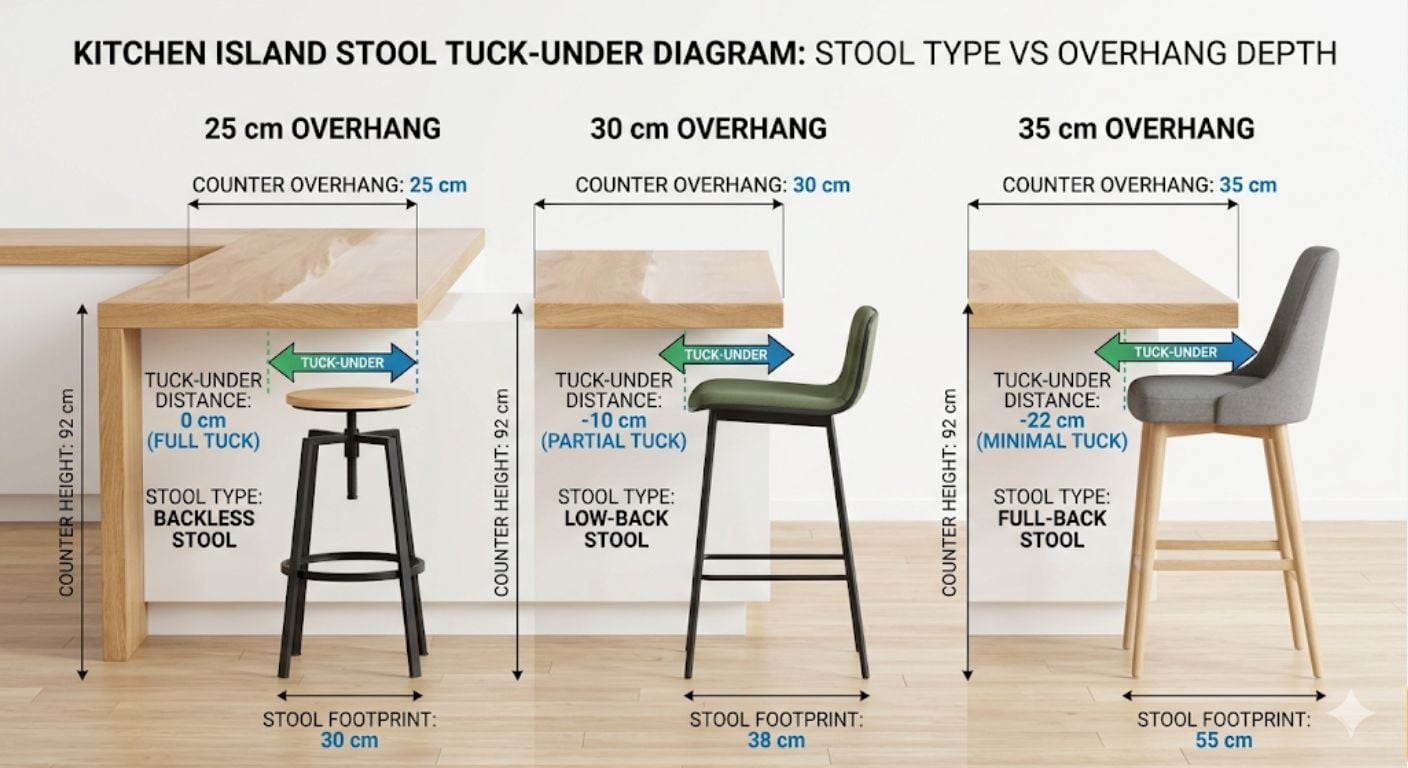
Whether bar stools tuck fully under a counter depends on three things: seat depth, back height, and the overhang of your worktop. If these do not align, stools will sit proud of the counter and take up more space than expected.
This matters most in kitchens where walkways are tight or where you want a cleaner, less cluttered look when stools are not in use. Getting it right avoids common issues like blocked pathways, awkward seating positions, or stools that never quite fit.
For a broader view on sizing and compatibility, see our bar stool size guide.
What determines if bar stools tuck under?
Bar stools only tuck under when the combined depth of the seat and back fits within the available overhang and clearance.
Three measurements control this:
- Seat depth — the front-to-back depth of the seat
- Back height — how far the backrest extends above and behind the seat
- Counter overhang — how much the worktop extends beyond the base units
If any one of these is too large, the stool will remain partially exposed.
Seat depth: the starting point
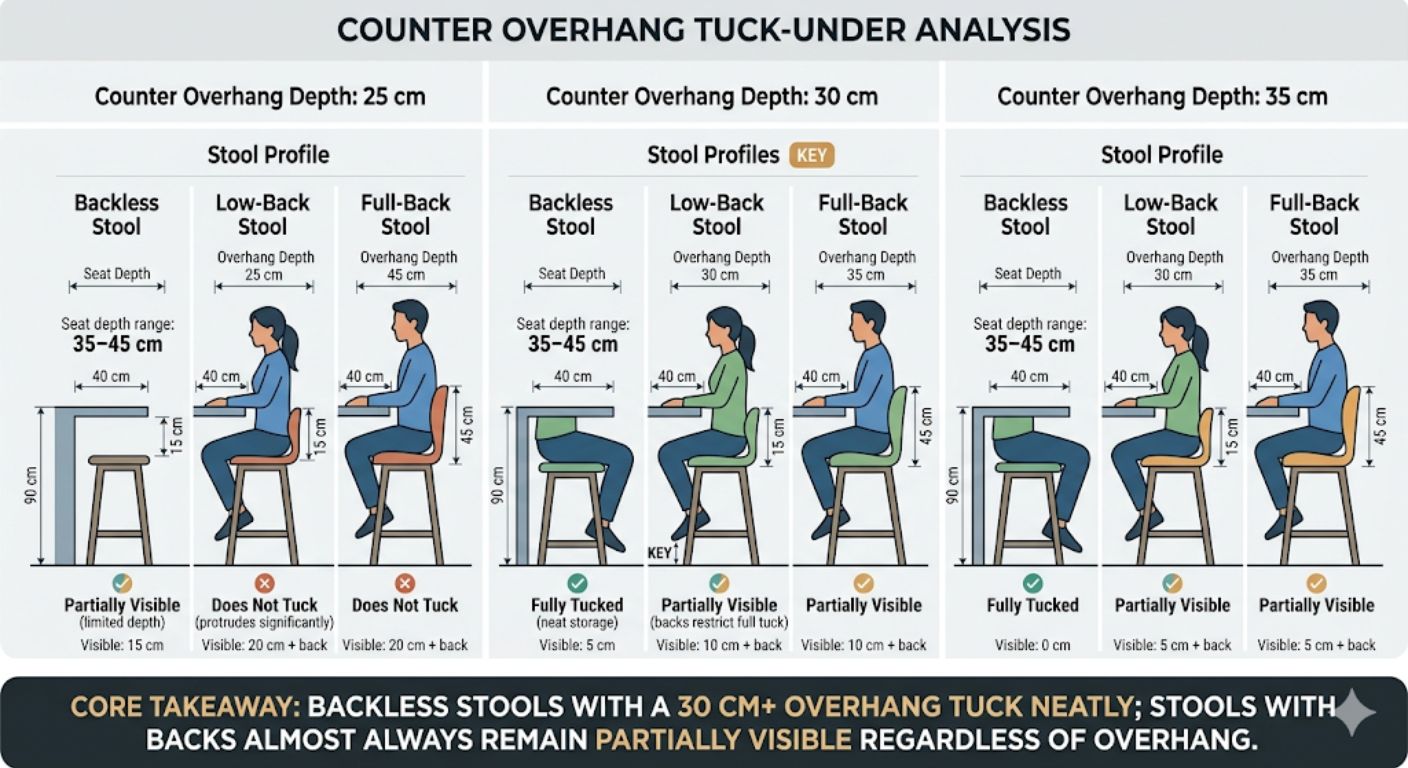
Most bar stools have a seat depth between 35 cm and 45 cm. This is the base measurement that determines how far the stool can slide under the counter.
- Shallower seats, around 35–38 cm: easier to tuck under and better for tighter kitchens.
- Deeper seats, around 40–45 cm: usually more comfortable, but they need more overhang to store neatly.
As a simple rule, your overhang needs to be close to or greater than the seat depth if you want the stool to tuck away cleanly.
Back height: the limiting factor
Back height is the most common reason stools do not tuck under properly.
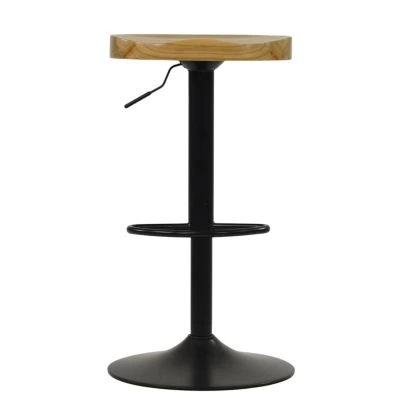
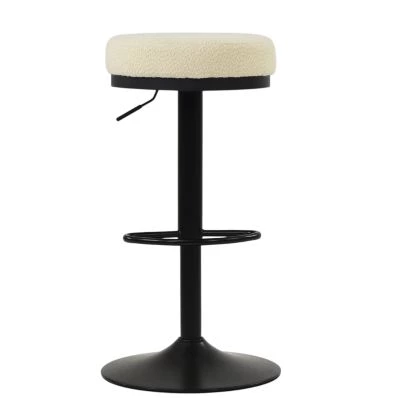
- Backless stools: usually tuck under most easily.
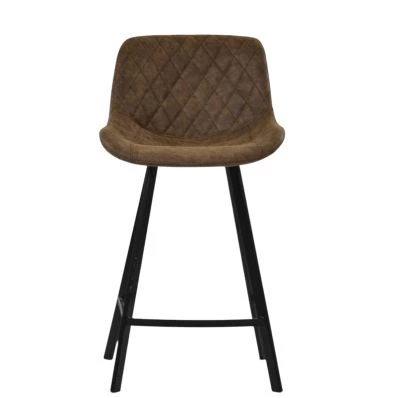
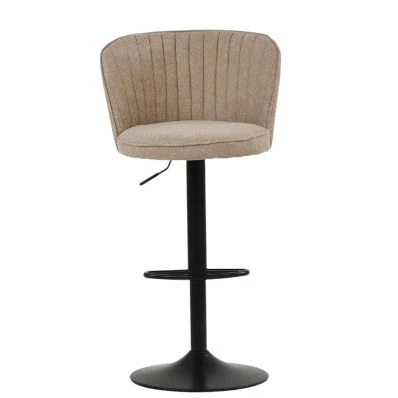
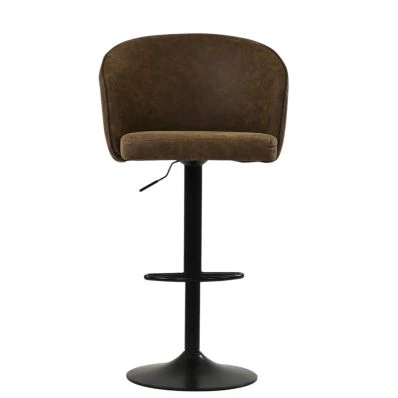
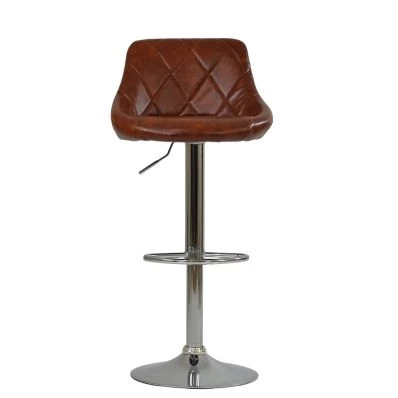
- Low-back stools: may tuck in partly, but the backrest often remains visible.
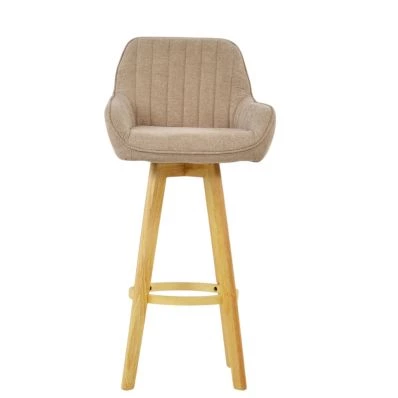
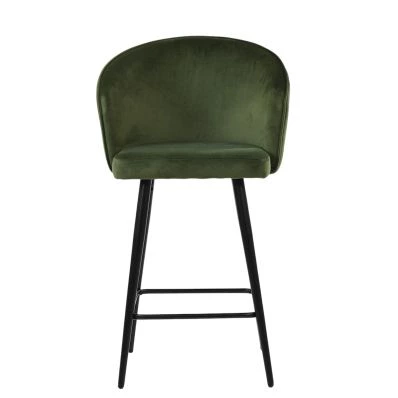
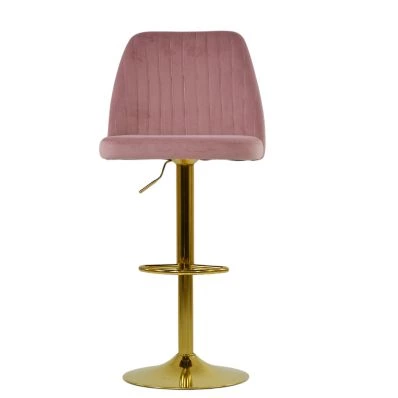
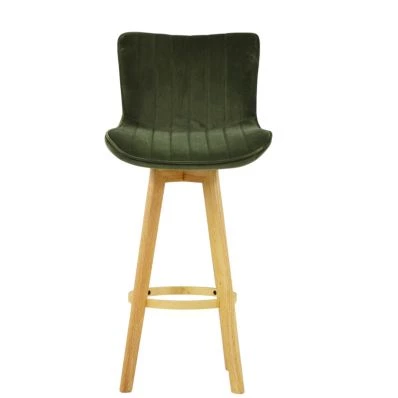
- Full-back stools: rarely tuck under fully because the backrest prevents the stool from sliding all the way in.
Even if the seat fits underneath the worktop, the backrest may stop the stool from going any further.
One thing we see regularly is our customers expecting a backed stool to sit flush under the counter. In practice, most will always sit slightly out, even with a decent overhang.
Counter overhang: the deciding measurement
The overhang creates space for both your knees and the stool. Without enough overhang, the stool has nowhere to go.
- 25 cm: functional minimum, but limited tuck-under ability.
- 30 cm: standard depth for better comfort and storage.
- 35 cm or more: better for deeper seats or stools with backs.
The clearance rule most people miss
Even if a stool can physically tuck under, it still needs usable clearance when pulled out and sat on.
Allow around 25–30 cm between the seat and the underside of the counter. This gives enough room for comfortable sitting without forcing the user too low or too close to the worktop.
You should also leave enough space behind the stool so it can be moved without hitting a wall, cabinet, or walkway.
Practical combinations that work
Fully tucks under
- Backless stool
- Seat depth under 40 cm
- Overhang of around 30 cm or more
Partially tucks under
- Low-back stool
- Seat depth around 38–42 cm
- Overhang around 30–35 cm
Does not tuck under fully
- Full-back stool
- Deep seat, usually 40 cm or more
- Overhang under 30 cm
When tuck-under stools make sense
Choose stools that tuck under if space is limited or the kitchen has a busy walkway behind the seating area.
They are especially useful when:
- The island or breakfast bar sits in a narrow kitchen
- You want to keep walkways clear when the stools are not in use
- The stools are mainly used for quick meals, drinks, or occasional seating
- You want a cleaner view across an open-plan kitchen
Backless or compact stools usually work best in these situations.
When tuck-under should not be the priority
Tuck-under ability is useful, but it should not override comfort if the stools will be used for longer periods.
Avoid making tuck-under the main priority if:
- The stools will be used for long meals
- Children or older adults need more support
- You prefer a more stable, chair-like feel
- Your kitchen has enough room to leave stools partly out
In these cases, a larger or backed stool may be the better choice, even if it does not store as neatly.
Practical measuring checklist
Before choosing, measure the area rather than relying on the product image alone.
- Measure the overhang depth from the cabinet face to the counter edge.
- Check the seat depth of the stool.
- Check whether the stool has a low back, full back, or no back.
- Measure the space behind the stool for pulling it out.
Then use this simple guide:
- If the overhang is close to or greater than the seat depth, the stool is more likely to tuck under.
- If the overhang is much shallower than the seat depth, the stool will stick out.
- If the stool has a full back, expect it to remain visible.
FAQs
Do bar stools tuck under completely?
Some do, but not all. Backless stools with a shallow seat and around 30 cm or more of overhang are the most likely to tuck fully under. Stools with backs usually remain partly visible.
How much overhang do I need for bar stools with backs?
You usually need around 30–35 cm of overhang for stools with backs. Even then, the backrest often prevents the stool from tucking fully under the counter.
Do counter stools with backs tuck under fully?
Most do not tuck under fully. The seat may slide underneath, but the backrest normally stays visible above or behind the counter edge.
What is the minimum knee space for counter seating?
Around 25 cm is the functional minimum. Around 30 cm is more comfortable and gives better clearance for both sitting and partial tuck-under.
Final takeaway
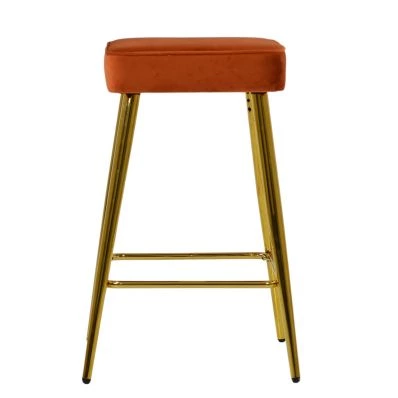
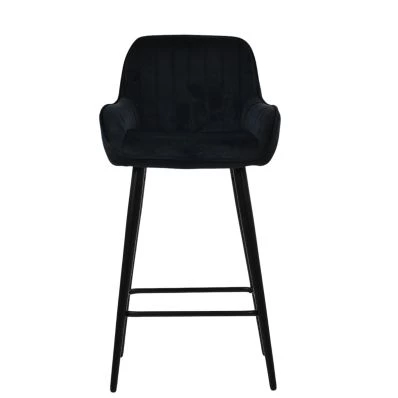
Bar stools tuck under only when seat depth, back height, and overhang work together. Backless stools with a standard 30 cm overhang are the safest choice if neat storage is important. Stools with backs offer more support, but they usually remain partly visible.
If you are comparing styles, start with the measurements first, then choose the design. You can also view our full bar stools range for options across different sizes, backs, and seat shapes.


Comments