
 Chat with us on WhatsApp


Dressing Table Chair Materials: Velvet, Faux Leather & What Actually Lasts
Choosing the right dressing table chair material is usually less about appearance and more about daily practicality. A fabric that looks good in product photos may mark easily with makeup, flatten quickly with regular use, or become difficult to clean in smaller bedrooms where chairs are handled frequently.
The right material depends on how the chair will actually be used. Some fabrics work well for occasional seating but struggle with daily use. Others prioritise durability and easy cleaning but may feel firmer or less textured. Upholstery also affects warmth, maintenance, wear resistance, pet suitability, and how well the chair ages over time.
This guide explains the main dressing table chair materials, how they perform in real homes, what durability measurements actually mean, and which options make the most sense for different households. It also covers common buyer mistakes, cleaning considerations, Martindale rub counts, and how to balance comfort with long-term practicality.
If you are comparing complete seating options rather than just upholstery, you can browse Lakeland’s dressing table chair collection.
Why Material Choice Matters More Than Most Buyers Expect
Most dressing table chairs are used in bedrooms, dressing rooms, or compact multifunctional spaces. That creates a different type of wear compared to dining or lounge seating.
Common daily stresses include:
- Makeup and skincare product transfer
- Hair product staining
- Frequent movement across carpet or hard flooring
- Pet hair and claws
- Jeans dye transfer onto lighter upholstery
- Repeated compression from short but regular use
Unlike large sofas, dressing table chairs also tend to use tighter upholstery panels and smaller seat cushions. Lower-quality fabrics show wear faster because the pressure is concentrated into a smaller seating area.
Material choice therefore affects:
- How long the chair keeps its shape
- How easily it cleans
- Whether the surface marks or pills
- How comfortable the chair feels during longer use
- How suitable the chair is for homes with pets or children
- Whether the upholstery still looks presentable after several years
What Are the Most Common Dressing Table Chair Materials?
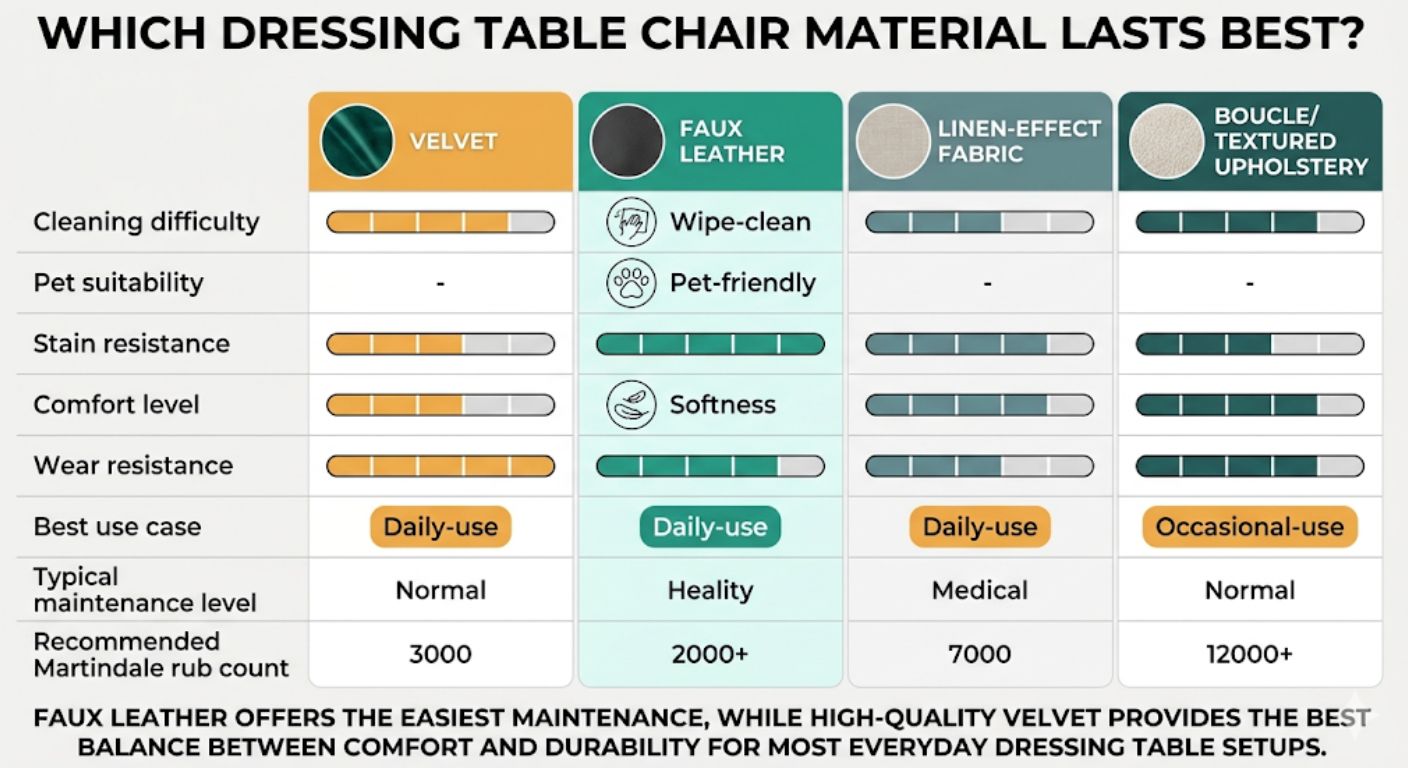
The most common dressing table chair materials fall into four main categories:
- Velvet
- Faux leather
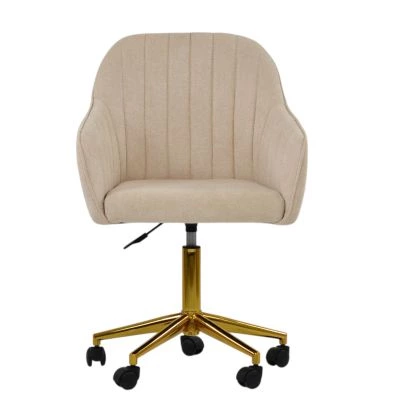
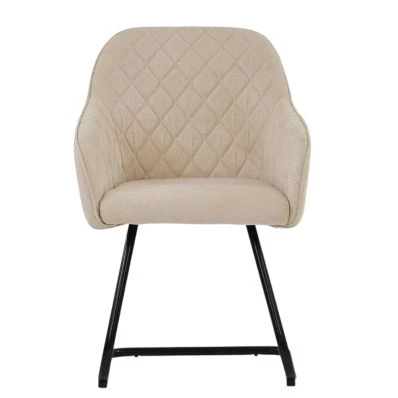
- Linen-effect fabric
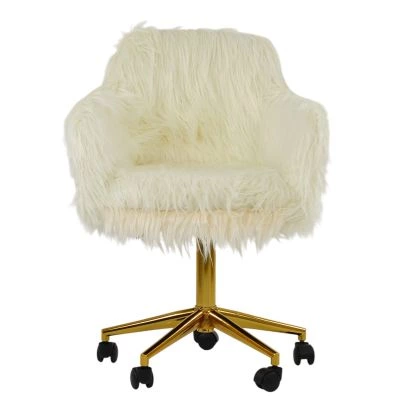
- Boucle or textured upholstery
Each performs differently in terms of durability, cleaning, softness, and resistance to everyday wear.
Velvet Dressing Table Chairs
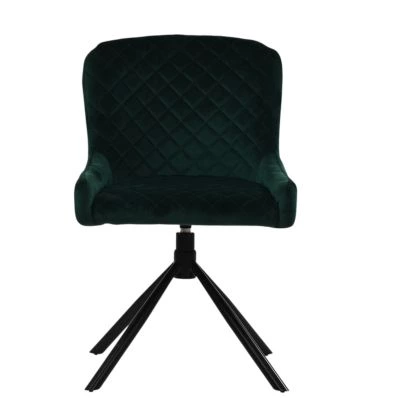
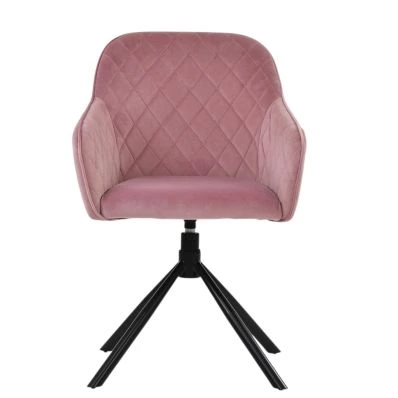
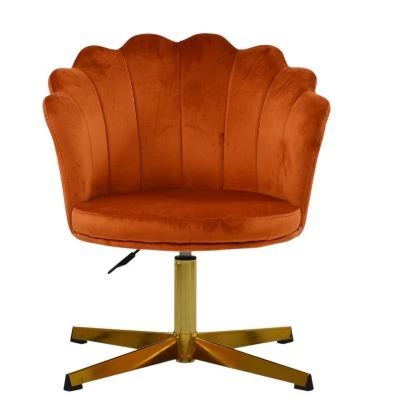
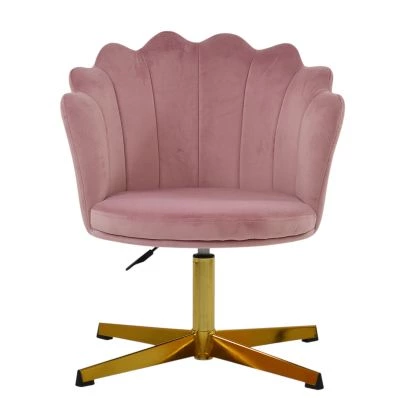
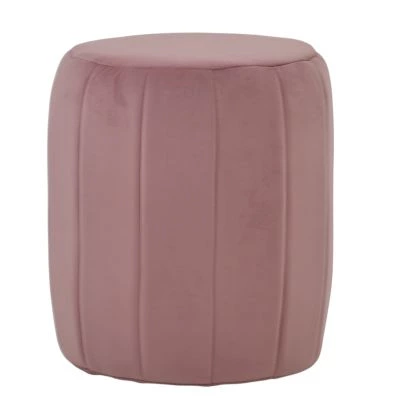
Velvet remains one of the most popular upholstery choices for dressing table seating because it feels soft, looks more premium than flat woven fabric, and works well in bedrooms where comfort matters.
Modern synthetic velvets are generally more durable than older cotton-based velvets. Polyester velvet in particular performs well for domestic use because it resists crushing better and cleans more easily.
Advantages of velvet:
- Soft and comfortable for longer sitting periods
- Usually warmer than leather-style surfaces
- Creates a more padded appearance
- Available in a wide range of colours
- Often hides minor creasing better than flat fabrics
Disadvantages of velvet:
- Can show pressure marks and shading
- Collects pet hair more easily
- May stain if spills are left untreated
- Lower-quality velvet can flatten quickly
- Some lighter colours show makeup transfer easily
One thing we regularly see from our customers is that darker velvet colours usually age far better in everyday use than pale cream or light grey options, particularly in homes with pets or younger children.
If you want a softer upholstered option without heavy maintenance concerns, velvet is usually the safest balance between comfort and practicality.
Faux Leather Dressing Table Chairs
Faux leather is primarily chosen for maintenance simplicity. It is one of the easiest materials to wipe clean and works particularly well in homes where makeup transfer, spills, or pet hair are regular concerns.
Modern PU faux leather is significantly better than older PVC-style synthetic leather. Higher-quality PU finishes feel softer, crack less quickly, and flex more naturally.
Advantages of faux leather:
- Easy to wipe clean
- Handles makeup and skincare spills well
- Does not trap pet hair easily
- Usually more stain-resistant than fabric
- Works well for frequent daily use
Disadvantages of faux leather:
- Can feel colder initially
- Less breathable than fabric upholstery
- Cheaper versions may peel over time
- Can scratch from pet claws
- May feel firmer than padded fabric seating
If you're deciding between leather and faux leather, it's worth understanding how the materials differ in appearance, durability, maintenance, and long-term value. Real leather develops a natural patina over time and is often viewed as the more premium option, while faux leather is usually chosen for its lower maintenance requirements and easier cleaning. For a detailed comparison, see our guide to Leather Dining Chairs: Real vs Faux, How to Clean & Whether They Are Worth It.
For households prioritising easy cleaning above softness, faux leather is usually the strongest practical option.
Linen-Effect Fabric Chairs
Linen-style upholstery creates a cleaner, more relaxed appearance than velvet while usually feeling cooler and more breathable.
Most modern “linen” dressing table chairs actually use polyester blends rather than true linen. This improves durability and reduces creasing.
Advantages include:
- Breathable surface texture
- Neutral appearance
- Usually less heat retention
- Works well in lighter bedrooms
- Often more resistant to flattening than cheaper velvet
Potential drawbacks:
- Can absorb stains quickly
- Lighter colours mark easily
- Woven texture may trap dust or makeup powder
- Some fabrics pill with repeated friction
Linen-style upholstery works best in lower-traffic bedrooms where appearance matters more than heavy-duty cleaning performance.
Boucle and Textured Upholstery
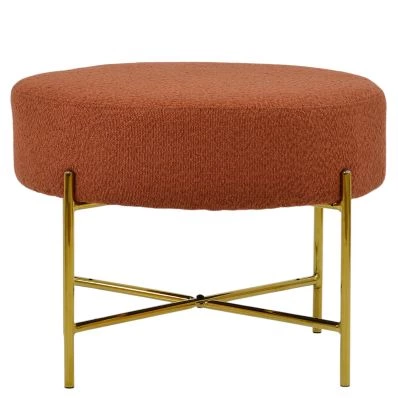
Boucle and teddy-style fabrics have become increasingly common in dressing room seating because they add visual texture and softness.
However, textured upholstery is more maintenance-sensitive than smoother fabrics.
Advantages:
- Soft and padded feel
- Comfortable for short sitting periods
- Creates visual depth
- Can disguise minor creasing
Disadvantages:
- Harder to clean thoroughly
- Can trap dust and hair
- More vulnerable to snagging
- Lower abrasion resistance in cheaper fabrics
Textured fabrics are usually best suited to occasional-use dressing rooms rather than heavily used everyday seating.
What Actually Determines Upholstery Durability?
Fabric durability is not determined by softness or thickness alone. The most useful measurement is usually the Martindale abrasion test.
What Is the Martindale Abrasion Test?
The Martindale test measures how many abrasion cycles a fabric can withstand before visible wear appears. The higher the rub count, the more durable the upholstery generally is.
- 10,000–15,000 rubs = light domestic use
- 15,000–25,000 rubs = standard domestic use
- 25,000–40,000 rubs = heavy domestic use
- 40,000+ rubs = very high durability
For dressing table seating used daily, a fabric above 20,000 rubs is usually the safer long-term option.
Why Abrasion Resistance Matters
Abrasion resistance becomes particularly important on dressing table chairs because users often rotate, reposition, and partially sit on the seat edge while getting ready.
Lower-quality upholstery may:
- Pill quickly
- Flatten unevenly
- Develop shiny wear patches
- Lose colour consistency
- Separate at seams
High-rub-count synthetic blends generally outperform natural fibres in daily-use environments.
Which Materials Work Best for Different Households?
Best Material for Homes With Pets
If pets regularly use the bedroom, smoother surfaces usually perform better.
Best options:
- PU faux leather
- Tightly woven polyester fabric
- High-rub-count synthetic blends
Materials to avoid in pet-heavy homes:
- Loose boucle
- Long-pile textured fabrics
- Low-density velvet
Pet claws can snag textured fabrics surprisingly quickly, especially around seat edges and corners.
Best Material for Makeup and Beauty Use
Daily makeup application increases the likelihood of powder, foundation, and skincare transfer.
Most practical options:
- Dark faux leather
- Mid-tone synthetic velvet
- Wipe-clean coated upholstery
Least practical:
- White boucle
- Pale woven fabric
- Loose textured upholstery
Best Material for Occasional Use
If the chair is mainly decorative or only used occasionally, comfort and appearance may matter more than durability ratings.
Good occasional-use choices:
- Boucle
- Soft velvet
- Lighter woven upholstery
These materials can work well when wear levels remain low.
How Cushioning and Foam Affect Longevity
Upholstery alone does not determine how well a dressing table chair lasts. Foam density and seat construction also matter.
Low-density foam often creates the following problems:
- Flattening after several months
- Uneven seat compression
- Reduced comfort over time
- Wrinkling upholstery
Better-quality seating usually combines:
- Higher-density foam
- Supportive seat webbing
- Reinforced stitching
- Structured seat padding
Even durable fabrics perform poorly when paired with weak cushioning underneath.
How to Choose the Right Material for Your Room
The best upholstery depends on how the chair will realistically be used rather than which material appears most luxurious.
If Easy Cleaning Matters Most
Choose faux leather or tightly woven synthetic upholstery.
These materials:
- Wipe clean more easily
- Handle spills better
- Trap less dust and hair
- Need less maintenance overall
If Comfort Matters Most
Choose velvet or padded woven upholstery with supportive foam underneath.
Velvet usually feels softer and warmer during longer grooming sessions.
If Durability Matters Most
Prioritise:
- 20,000+ Martindale rub count
- Synthetic fibre blends
- Tight stitching
- Supportive foam density
A durable fabric with weak cushioning still ages poorly, so both elements matter together.
If Space Is Limited
Material thickness can slightly affect how compact the chair feels visually.
Slim faux leather or tightly upholstered fabric chairs generally appear lighter and less bulky in smaller bedrooms.
Common Material Mistakes Buyers Make
Choosing Pale Upholstery Without Considering Maintenance
Very light fabrics often require more maintenance than buyers expect.
Common issues include:
- Makeup transfer
- Denim dye marks
- Visible staining
- Dust visibility
Prioritising Softness Over Structure
Extremely soft seating may initially feel comfortable but flatten faster if the foam density is low.
Comfort should come from supportive cushioning rather than excessive softness alone.
Ignoring Fabric Specifications
Many buyers focus entirely on appearance and never check:
- Rub count
- Cleaning instructions
- Foam quality
- Fabric composition
These details usually determine how well the chair performs after the first year.
How to Maintain Different Dressing Table Chair Materials
Velvet Maintenance
- Vacuum gently using a soft brush attachment
- Blot spills immediately
- Avoid soaking the fabric
- Brush pile direction occasionally
- Keep away from prolonged direct sunlight
Faux Leather Maintenance
- Use a damp cloth for regular cleaning
- Avoid harsh solvents
- Keep away from direct heat sources
- Clean spills quickly to prevent staining
Textured Fabric Maintenance
- Vacuum regularly
- Remove hair and dust before buildup occurs
- Spot clean gently
- Avoid aggressive scrubbing
Frequently Asked Questions
What is the most durable fabric for a dressing table chair?
High-rub-count synthetic upholstery is usually the most durable option for daily use. PU faux leather and tightly woven polyester blends generally outperform delicate textured fabrics because they resist abrasion, staining, and repeated compression more effectively.
Is velvet practical for everyday dressing table seating?
Modern polyester velvet can work well for everyday use if the fabric quality is good. It offers strong comfort and softness, but darker colours usually perform better because they hide marks, shading, and wear more effectively than lighter shades.
What is a good Martindale rub count for dressing table chairs?
For regular domestic use, aim for upholstery with at least 20,000 Martindale rubs. Lower figures may still work for occasional-use seating, but higher counts generally provide better long-term wear resistance.
Which dressing table chair material is easiest to clean?
Faux leather is normally the easiest upholstery to maintain because spills and makeup marks can usually be wiped away quickly. Smooth synthetic fabrics also clean more easily than textured boucle or woven upholstery.
Are boucle dressing table chairs durable?
Boucle can work well for lighter-use bedrooms, but it is generally less practical for heavy daily use. The textured surface can trap dust, snag more easily, and become harder to clean thoroughly over time.
Which material works best in homes with pets?
Smooth faux leather and tightly woven synthetic upholstery usually perform best around pets. They collect less hair and are less vulnerable to snagging compared to boucle, loose weaves, or heavily textured fabrics.
Summary: Which Dressing Table Chair Materials Last Best?
- Faux leather is usually the easiest material to clean and maintain
- Velvet balances comfort, softness, and practicality well when quality is good
- 20,000+ Martindale rub count is a sensible target for daily-use seating
- Boucle and textured fabrics work better for occasional rather than heavy use
- Higher-density foam matters as much as upholstery quality
- Darker upholstery generally hides wear and marks better than pale fabrics
- Synthetic blends usually outperform delicate natural fibres in everyday use
If durability and long-term practicality matter more than purely decorative styling, prioritise upholstery specifications and maintenance requirements before appearance alone.
You can browse Lakeland’s full range of dressing table chairs to compare upholstery types, seat styles, and materials across different room layouts.


Comments