
 Chat with us on WhatsApp

Vanity Chair Ideas: Every Style from Glamour to Minimalist
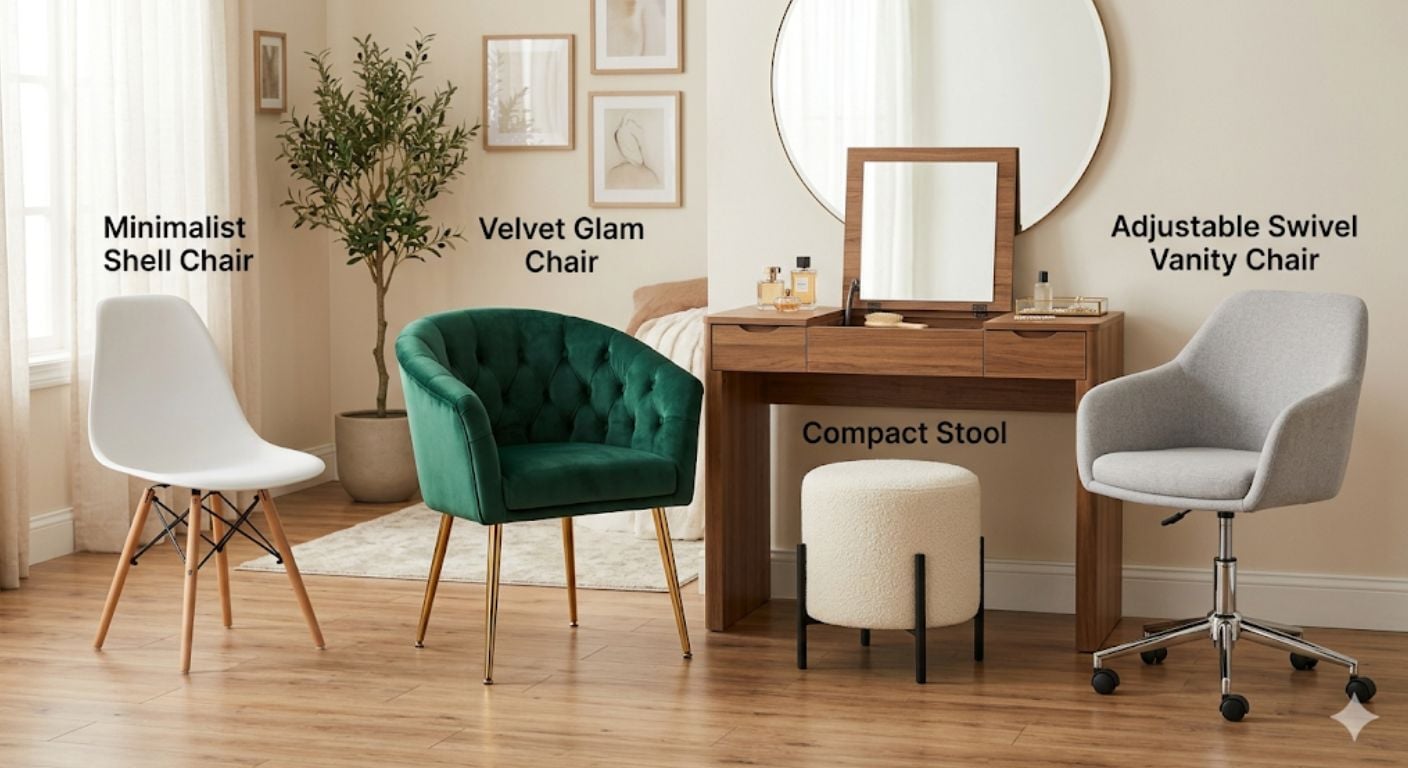
A vanity chair is a compact seat designed for use with a dressing table or bedroom vanity unit. The right chair needs to balance comfort, proportions, clearance, and visual fit without overwhelming the room or creating awkward seating posture.
Most buying mistakes happen when shoppers focus only on appearance. A chair may look right online but sit too high for the table, take up too much floor space, or become uncomfortable during daily use. Upholstery, leg design, backrest shape, and footprint all affect how practical the chair feels in a real bedroom.
This guide breaks down the main vanity chair styles, materials, layouts, and buying considerations. It also explains when to choose a stool instead of a chair, how to match seating to smaller bedrooms, and which designs work best for modern, classic, glam, or minimalist interiors.
If you are comparing styles before buying, you can browse Lakeland’s range of dressing table chairs.
What Is a Vanity Chair?
A vanity chair is a small-scale chair or stool used with a dressing table, makeup station, or bedroom vanity. Unlike standard dining or office seating, vanity chairs are designed to fit tighter spaces and lower table heights while remaining comfortable for shorter sitting periods.
Most vanity chairs fall into one of three categories:
- Compact upholstered chairs
- Backless stools
- Adjustable swivel vanity chairs
The biggest difference between vanity chairs and standard bedroom chairs is scale. Vanity seating usually has narrower widths, lower visual bulk, shorter seat depths, smaller footprints, and easier tuck-under clearance.
Vanity Chair vs Stool: What Is the Difference?
A vanity chair has a backrest and usually offers better support for longer makeup, skincare, or grooming routines. A stool is backless and prioritises compact sizing and easier storage underneath the table.
Chairs generally suit daily use, longer sitting periods, larger dressing tables, and users wanting more support. Stools suit small bedrooms, minimalist layouts, narrow vanity tables, and spaces where floor clearance matters most.
If you are deciding between the two in more detail, read Dressing Table Stool vs Chair: Which Is Better for Your Setup?.
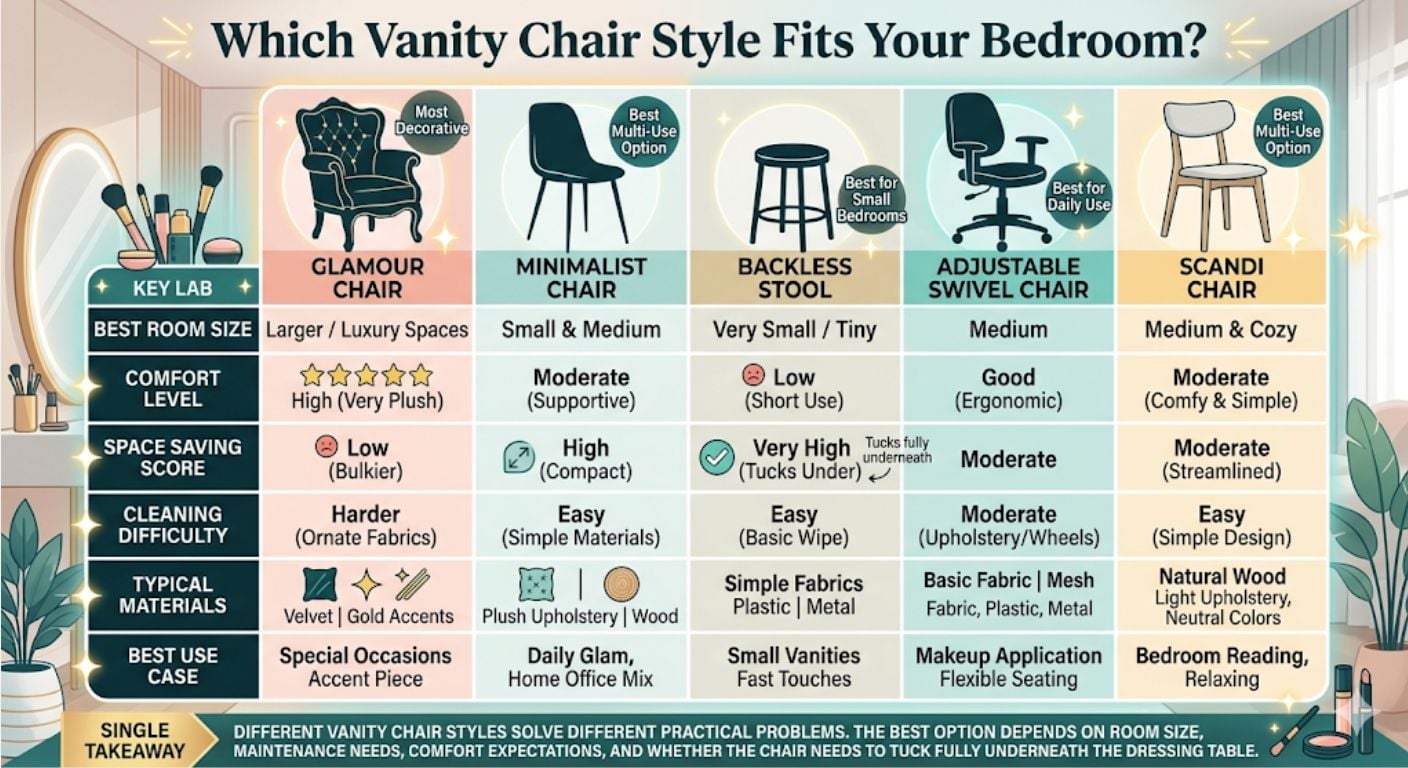
The Main Vanity Chair Styles
Glamour and Luxe Vanity Chairs
Glamour-style vanity chairs focus on soft upholstery, decorative finishes, and more visual presence. Velvet remains the dominant material in this category because it reflects light well and gives softer texture contrast against painted dressing tables.
Common features include:
- Velvet upholstery
- Gold or brass-effect legs
- Curved backs
- Channel stitching
- Shell-style silhouettes
- Padded seating
These styles work best when the vanity table is medium to large, the room already uses warm metallic finishes, and the chair will remain visible rather than tucked away.
The trade-off is usually practicality. Velvet shows pressure marks and makeup dust more easily than smoother materials. One thing we hear from our customers regularly is that lighter velvet shades look excellent initially but can start showing cosmetic powder and fabric shading faster than expected in busy bedrooms.
For more guidance on upholstery performance, see Dressing Table Chair Materials: Velvet, Faux Leather & What Actually Lasts.
Minimalist Vanity Chairs
Minimalist vanity chairs focus on shape control and low visual weight rather than decoration.
Typical features include:
- Slim metal frames
- Neutral fabrics
- Straight silhouettes
- Armless designs
- Light wood finishes
- Clean geometric lines
Minimalist designs work especially well in smaller bedrooms, Scandinavian interiors, modern apartments, and white or oak dressing table setups.
The advantage is visual space efficiency. Thin-frame chairs make rooms feel less crowded because they expose more floor area beneath and around the chair.
Scandi and Nordic Vanity Chairs
Scandi vanity chairs overlap heavily with minimalist styles but use warmer materials and softer edges.
Common characteristics include pale wood legs, boucle or woven fabrics, rounded backs, cream or beige tones, and compact proportions.
Boucle upholstery has become increasingly common in this category because it adds texture without strong colour contrast. The downside is maintenance. Boucle traps dust and makeup residue more easily than flatter fabrics and can snag around jewellery or pet claws.
Mid-Century Modern Vanity Chairs
Mid-century styles use structured shapes and exposed frames rather than soft upholstery-heavy designs.
Typical features include walnut-effect legs, tapered wooden frames, curved shells, low-profile upholstery, and retro silhouettes.
These work particularly well when matching existing mid-century bedroom furniture or coordinating with walnut dressing tables. They are also more versatile, as they can often move into a spare bedroom, home office, dining space, or reading corner later.
Art Deco Vanity Chairs
Art Deco vanity seating focuses on symmetry, curved forms, and decorative finishes.
Typical features include rounded shell backs, brass-effect frames, ribbed upholstery, dark jewel colours, and sculptural silhouettes.
These chairs create stronger visual impact but require more room around them. If the chair needs to tuck fully underneath the vanity, check total arm height and back height carefully before buying.
Space-Saving Vanity Chair Ideas
Best Vanity Chairs for Small Bedrooms
Small bedrooms benefit from chairs that minimise visual bulk and tuck cleanly underneath the table when not in use.
The most space-efficient options are:
- Backless stools
- Armless chairs
- Slim metal-frame chairs
- Compact swivel chairs
- Narrow shell chairs
Avoid wingback designs, deep cushions, thick armrests, and wide circular bases. If space is extremely tight, a stool often works better than a full chair because it disappears more completely underneath the vanity.
Backless Vanity Stools
Backless stools remain popular because they occupy less floor space, slide fully under most dressing tables, create less visual clutter, and work better in narrow walkways.
They are useful in box rooms, flats, student accommodation, and shared bedrooms. However, comfort depends heavily on seat padding quality. Thin foam padding usually compresses quickly, so thicker upholstered tops are worth prioritising for regular use.
Adjustable Vanity Chairs
Adjustable vanity chairs combine bedroom styling with office-chair functionality.
Common features include gas lift height adjustment, swivel bases, casters or wheels, ergonomic shell backs, and padded lumbar support.
These work well for longer makeup routines, multi-use bedroom workspaces, shared dressing tables, and users needing better posture support.
Upholstery and Material Ideas
Velvet Vanity Chairs
Velvet remains the most searched vanity chair material because it creates a softer and more decorative appearance.
Velvet is best for glamour interiors, boutique bedroom styling, warmer colour palettes, and decorative vanity setups. Its strengths are softness, colour depth, comfort, and strong visual contrast.
The drawbacks are maintenance-related. Velvet shows marks more easily, can flatten over time, and is less practical around makeup spills. Darker velvet shades usually wear more evenly than blush or cream tones.
Boucle and Teddy Fabric Chairs
Boucle vanity chairs suit softer modern interiors and neutral spaces. They add texture without relying on strong colour or decorative detailing.
The downside is that boucle is harder to clean than flatter fabrics. It can trap dust, hold makeup residue, and snag more easily. It works best in lower-traffic bedrooms rather than busy family environments.
Faux Leather Vanity Chairs
Faux leather is usually the most practical upholstery option for daily use.
It suits makeup-heavy setups, shared bedrooms, and buyers who want easy cleaning. Its main strengths are wipe-clean maintenance, better stain resistance, and durability against everyday cosmetics.
The trade-off is that faux leather can feel cooler and less soft than fabric. Lower-end finishes may also crease over time.
Rattan and Natural Texture Vanity Chairs
Rattan and woven vanity chairs suit coastal interiors, natural oak furniture, and lighter minimalist spaces.
They visually reduce heaviness because woven structures expose more negative space. However, they usually offer less cushioning, can catch clothing, and are less forgiving during longer sitting sessions.
How to Choose the Right Vanity Chair
1. Measure the Available Floor Space
Start with total available width and depth around the vanity. You need enough space for chair movement, leg clearance, walkway access, and drawer opening.
In tighter rooms, prioritise tuck-under designs, avoid arms, and choose narrower frames.
2. Check Chair Proportions Against the Table
Vanity chairs should visually fit the scale of the table. Small vanity tables usually suit compact shell chairs, stools, and armless seating. Larger dressing tables can handle wider upholstered chairs and more decorative backs.
Oversized chairs make dressing tables feel cramped and disproportionate.
3. Prioritise Comfort Based on Usage
If the vanity is used occasionally, visual style may matter more. If it is used daily, back support, padding quality, seat depth, and ergonomics matter more.
For longer sitting periods, choose supportive backs, avoid ultra-low stools, and prioritise denser cushioning.
4. Choose Upholstery Based on Maintenance
If easy cleaning matters, choose faux leather, polyester blends, or treated fabrics. If aesthetics matter most, velvet, boucle, and textured fabrics provide a softer finish.
Homes with pets or children usually benefit from easier-clean surfaces.
5. Consider Whether the Chair Needs to Multi-Task
Some vanity chairs double as desk chairs, bedroom occasional chairs, dining seating, or guest seating.
If versatility matters, avoid extremely decorative styles, choose neutral upholstery, and prioritise supportive shapes. Mid-century and minimalist styles usually adapt best across multiple rooms.
Vanity Chair Ideas by Room Style
| Room Style | Best Vanity Chair Type | Best Materials |
|---|---|---|
| Minimalist | Slim shell chair | Linen, boucle |
| Glamour | Velvet chair with gold legs | Velvet |
| Scandi | Rounded oak-frame chair | Boucle, woven fabric |
| Modern | Adjustable swivel chair | Faux leather, polyester |
| Traditional | Upholstered tub chair | Velvet, linen |
| Small Bedroom | Backless stool | Faux leather, boucle |
Decision Logic: Which Vanity Chair Should You Choose?
- If your bedroom is small, choose a backless stool or armless chair.
- If comfort matters most, choose a padded chair with back support.
- If easy cleaning matters, choose faux leather or treated polyester.
- If you want the chair hidden under the table, avoid tall backs and protruding arms.
- If the vanity doubles as a workspace, choose adjustable swivel seating.
- If visual styling matters more than practicality, velvet and Art Deco styles create stronger visual impact.
You can browse different compact seating styles within Lakeland’s dressing table chair collection.
For buyers comparing compact occasional seating more broadly, Lakeland also offers dining chairs and office chairs.
Frequently Asked Questions
What is the ideal height for a vanity chair?
Most vanity chairs are designed to work with dressing tables around 70–76cm high. The important factor is maintaining comfortable leg clearance between the seat and the underside of the table. For detailed sizing guidance, read What Height Should a Dressing Table Chair Be?.
Are vanity stools comfortable?
Vanity stools can be comfortable for shorter sitting periods, especially when well padded. However, chairs with backrests generally provide better support during longer makeup or grooming routines. Comfort depends heavily on seat padding thickness and posture support.
Are vanity chairs suitable for small bedrooms?
Yes. Compact vanity chairs are specifically designed for smaller bedroom layouts. Backless stools, armless chairs, and narrow shell chairs work best because they reduce floor clutter and tuck underneath the dressing table more easily.
Should a vanity chair match the dressing table?
Not necessarily. Matching finishes can create a cleaner look, but contrast often works better visually. The key is proportion consistency rather than exact colour matching. Similar leg finishes or upholstery tones usually create enough cohesion without making the setup feel overly coordinated.
What material is best for a vanity chair?
The best material depends on priorities. Velvet offers a softer and more decorative finish. Faux leather is easier to clean and maintain. Boucle creates a softer modern look but requires more maintenance. Polyester blends usually provide the best balance between comfort and practicality.
Can you use an office chair as a vanity chair?
Yes, particularly in multi-use bedrooms where the dressing table also functions as a workspace. Compact upholstered office chairs with swivel functionality and adjustable height often work well, provided the base does not look overly commercial within the room.
Structured Summary
Key Buying Rules
- Choose compact dimensions first, aesthetics second.
- Prioritise tuck-under clearance in smaller bedrooms.
- Backrests improve comfort for longer routines.
- Faux leather is easiest to maintain.
- Velvet offers the strongest decorative appearance.
- Slim frames make bedrooms feel less crowded.
Common Mistakes
- Buying oversized chairs for narrow dressing tables.
- Ignoring cleaning practicality.
- Choosing deep armchairs in tight rooms.
- Prioritising trends over comfort.
- Forgetting walkway clearance around the vanity.
Fast Decision Shortcuts
- Small room: choose a backless stool or slim armless chair.
- Daily use: choose a padded chair with back support.
- Easy cleaning: choose faux leather.
- Glamour styling: choose velvet with metallic legs.
- Modern minimalist room: choose a slim neutral shell chair.
- Multi-use setup: choose an adjustable swivel chair.
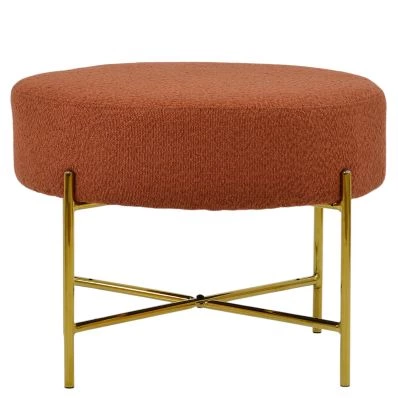
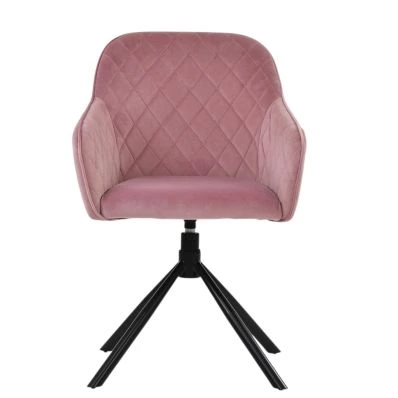
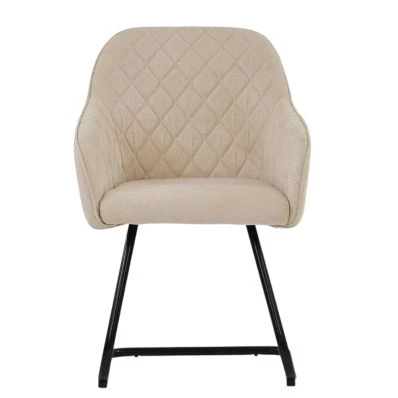
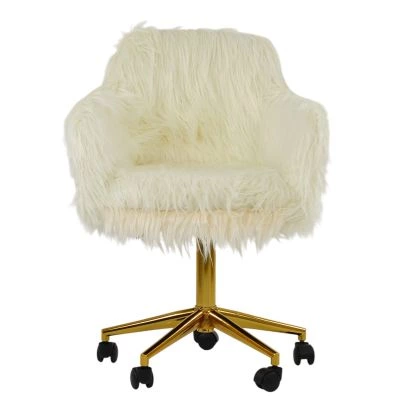
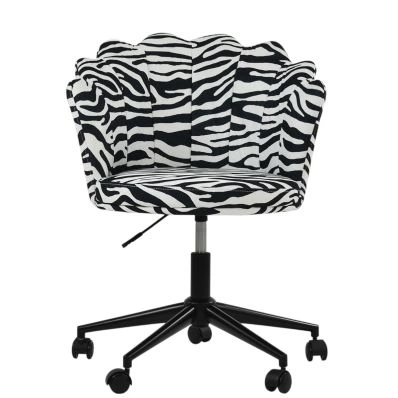
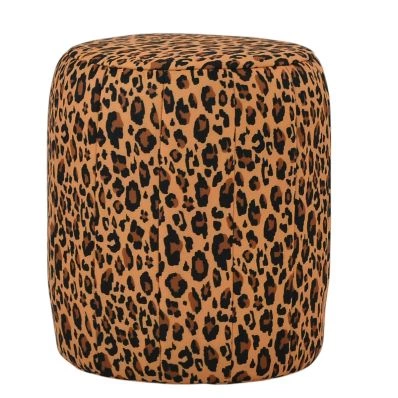
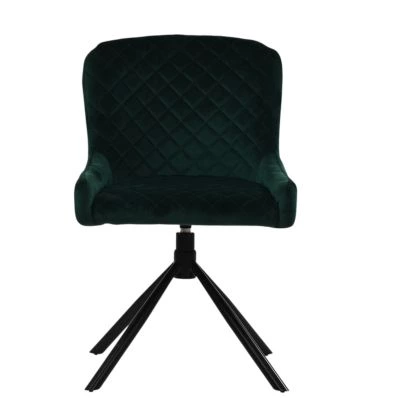
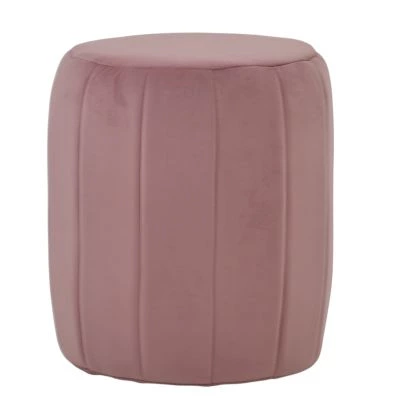
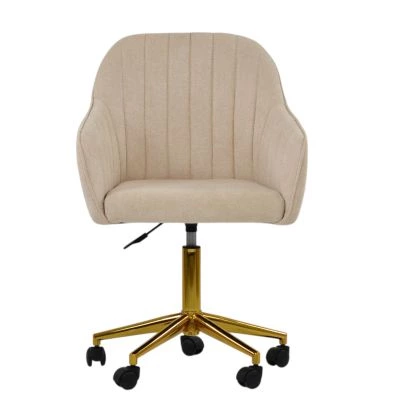
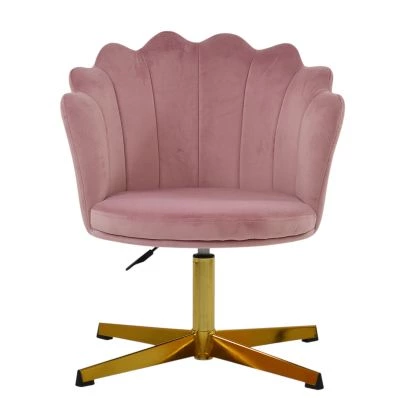
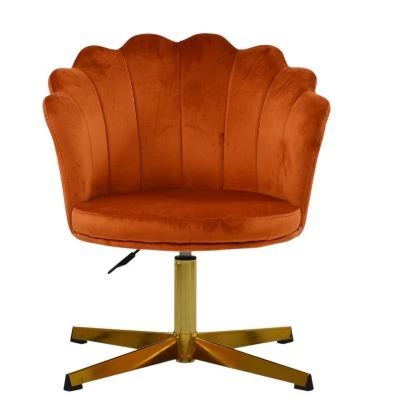
If you are comparing styles across different room layouts, Lakeland’s dressing table chair category includes compact chairs, upholstered styles, and space-saving seating designed specifically for bedroom vanity setups.


Comments