
 Chat with us on WhatsApp

Grey Bar Stools: Styling & Material Guide
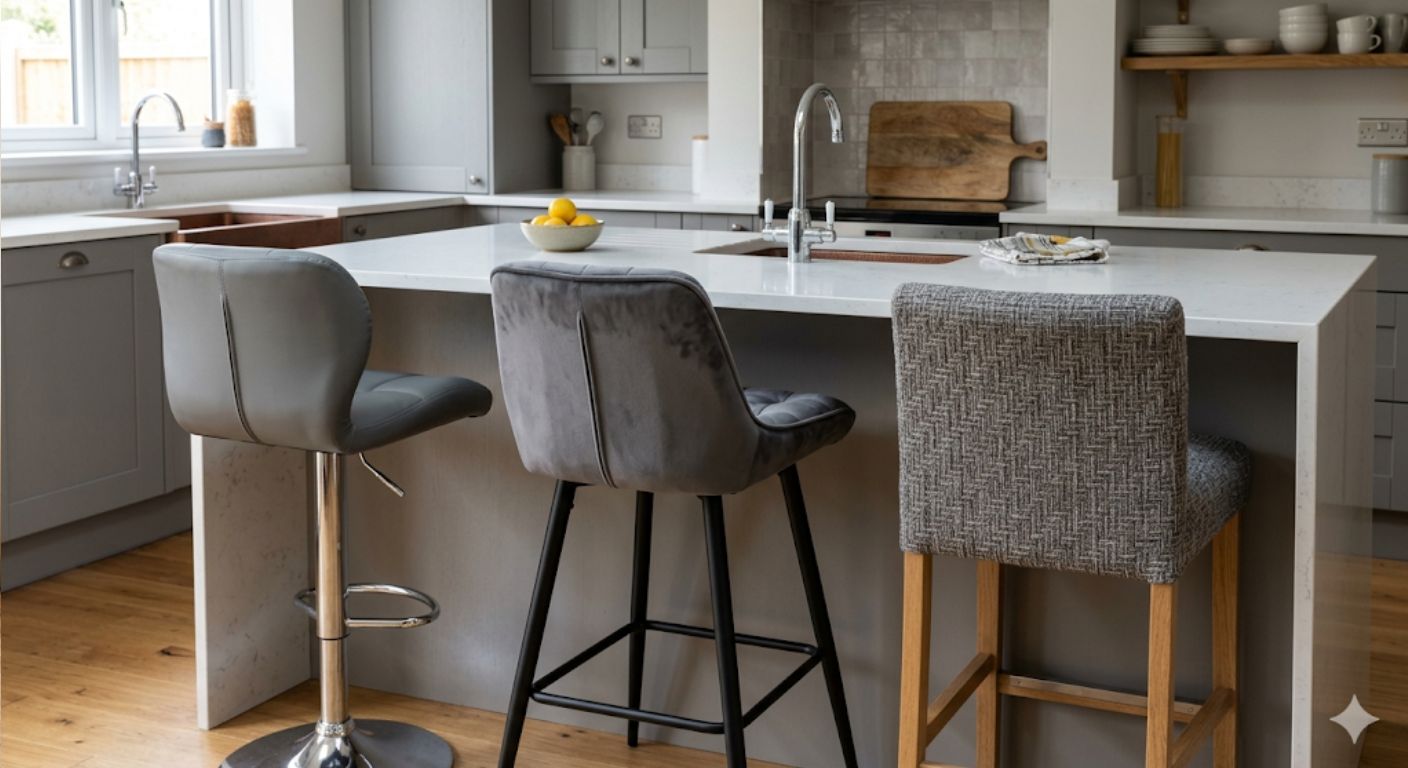
Grey bar stools sit in a practical middle ground. They work with modern kitchens, softer traditional spaces, and darker industrial schemes without dominating the room. For most buyers, the real decision is not whether grey works, but which shade, material, and frame finish will suit daily use.
Material choice matters more than many people expect. A light grey velvet stool behaves very differently from a dark grey faux leather model in terms of maintenance, wear visibility, and how heavy it feels visually in the room.
If you are still comparing broader upholstery types, it helps to first read the wider guide to bar stool materials for different situations . This article focuses specifically on how grey finishes perform, how they style into kitchens, and where different materials make practical sense.
Why Grey Works Well for Bar Stools
Grey remains popular because it is flexible without being stark. Unlike black, it does not always create heavy contrast. Unlike cream or white, it tends to hide minor marks and daily wear more effectively.
Different grey tones also change how prominent the seating looks within the kitchen:
- Light grey keeps smaller kitchens feeling open
- Mid grey balances warm wood and painted cabinetry
- Charcoal creates stronger contrast in white kitchens
- Warm greys soften kitchens with brass or oak finishes
- Cooler greys work better with chrome, concrete, and darker stone
Grey also adapts well if surrounding decor changes later. Many buyers replace lighting, paint colours, or accessories long before replacing seating.
Choosing the Right Grey for Your Kitchen
Light Grey Bar Stools
Light grey suits kitchens where the goal is to keep visual weight low. They work particularly well with:
- White shaker kitchens
- Pale oak flooring
- Compact breakfast bars
- Scandinavian-style interiors
- Kitchens with limited natural light
Fabric texture becomes more noticeable on lighter shades. Velvet and woven fabrics tend to show directional shading more clearly than leather or faux leather.
Mid Grey Bar Stools
Mid grey is usually the safest option for mixed-use kitchens. It balances practicality with flexibility and generally hides dust, denim transfer, and minor marks better than pale upholstery.
This shade works well with:
- White quartz worktops
- Walnut finishes
- Matte black hardware
- Brushed steel appliances
We often find our customers underestimate how differently mid grey behaves under kitchen lighting. Some fabrics look warm during the day but cooler under LED lighting in the evening.
Dark Grey and Charcoal Bar Stools
Charcoal grey creates stronger definition around a kitchen island. It is useful in larger open-plan kitchens where pale seating can disappear visually.
Dark greys pair especially well with:
- Black kitchen handles
- Dark stone worktops
- Industrial-style metal frames
- Walnut and smoked oak finishes
In white kitchens, charcoal stools usually create cleaner contrast than black while still softening the overall look slightly.
For broader layout considerations in larger spaces, see bar stools for open-plan kitchens .
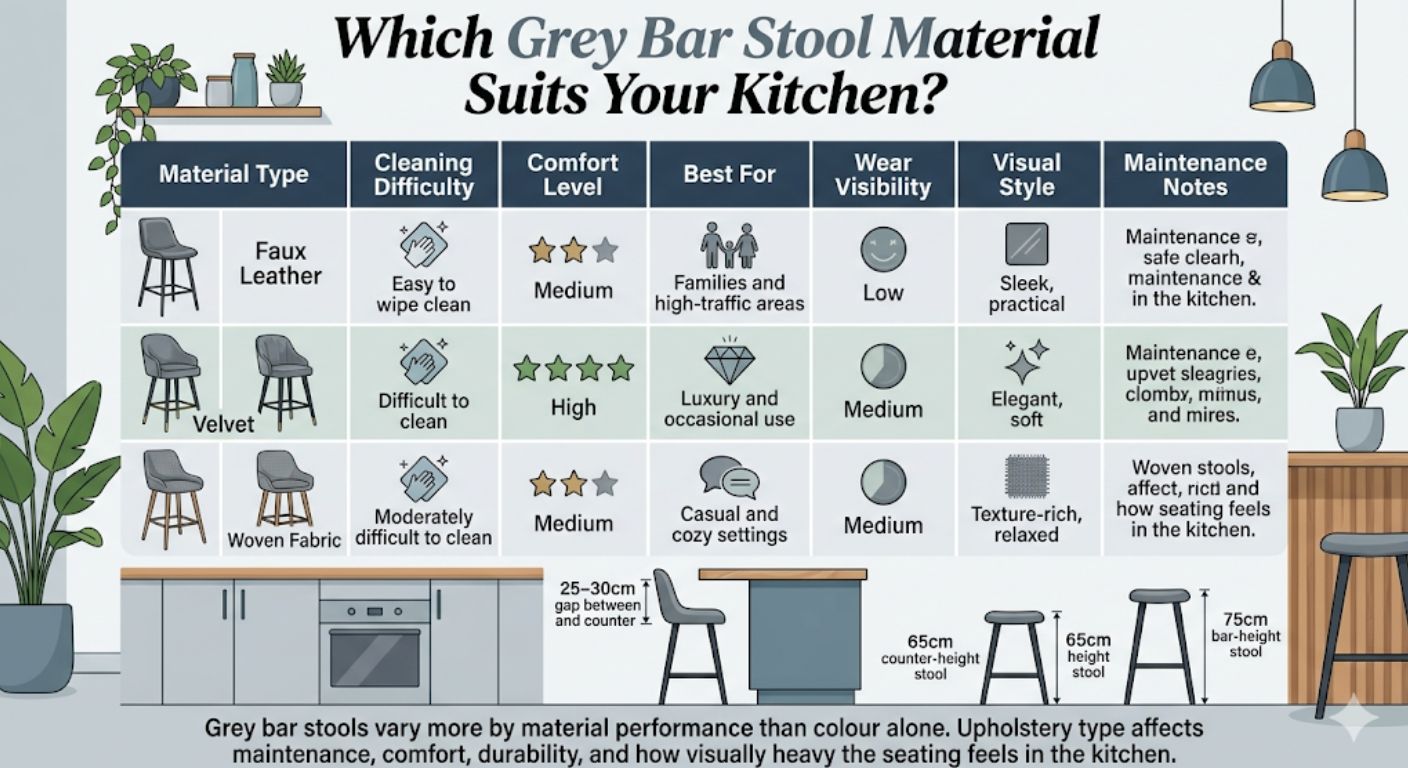
Which Material Is Best for Grey Bar Stools?
Grey Faux Leather Bar Stools
Grey faux leather is one of the most practical options for busy kitchens.
Advantages:
- Wipe-clean surface
- Better stain resistance
- Easier maintenance around children
- Less likely to absorb cooking odours
- Works well in high-use kitchens
Potential drawbacks:
- Can feel colder initially in winter
- Lower-quality faux leather may crease over time
- Matte finishes generally age better than glossy coatings
For many households, faux leather offers the best balance between appearance and maintenance.
Grey Velvet Bar Stools
Grey velvet bar stools create a softer and more upholstered appearance. They are common in kitchens where comfort and visual texture matter more than ultra-low maintenance.
Velvet works particularly well when paired with:
- Brass accents
- Curved backrests
- Black metal frames
- Warmer lighting schemes
However, velvet requires more upkeep than faux leather. Directional pile marks, pet hair, and dust are usually more visible.
Light brushing and vacuuming with a soft attachment generally works better than aggressive spot cleaning. According to the UK cleaning guidance published by Good Housekeeping UK , gentle brushing helps maintain the pile direction and reduce pressure marks.
Grey Fabric Bar Stools
Woven fabric sits between velvet and faux leather in terms of maintenance.
Benefits:
- Softer and warmer feel
- More casual appearance
- Usually better breathability
- Less reflective under strong lighting
Considerations:
- More difficult stain removal
- Can absorb odours over time
- Lighter fabrics may show wear paths faster
Textured woven fabrics generally hide daily use better than completely flat weaves.
Frame Finishes That Work With Grey Upholstery
Grey upholstery changes noticeably depending on the frame colour beneath it.
Chrome and Brushed Steel
Chrome bases create a more contemporary appearance. They pair best with:
- Cool greys
- Gloss kitchens
- Modern apartments
- White and grey stone worktops
Brushed steel usually looks softer and less reflective than polished chrome.
Black Metal Frames
Black frames work especially well with charcoal upholstery and industrial-inspired kitchens.
This combination:
- Creates strong visual definition
- Works well in larger spaces
- Pairs naturally with black taps and handles
- Reduces the contrast between seat and base
Oak and Wood Finishes
Wooden legs soften grey upholstery considerably. Oak frames especially help grey stools feel warmer and less commercial.
This combination works well in:
- Family kitchens
- Traditional shaker layouts
- Neutral interiors
- Kitchens with wood flooring
Supportive Features That Matter in Daily Use
Material matters, but comfort still depends heavily on structure.
Useful features include:
- Supportive backrests
- Padded seats
- Integrated footrests
- Stable weighted bases
- Slight seat curvature
Grey velvet bar stools with supportive backs are particularly popular around kitchen islands where people sit for longer periods.
Most people buying for kitchen islands focus heavily on upholstery first, but our customers often mention afterwards that the footrest became far more important than they expected during longer meals or social evenings.
Height and Spacing Considerations
What Height Bar Stool Do I Need?
The standard recommendation is to leave roughly 25–30cm between the stool seat and the underside of the counter or worktop. This usually provides enough legroom without leaving the seating feeling too low.
Typical sizing:
- Counter-height surfaces: around 65cm seat height
- Higher bar tables: around 75cm seat height
- Adjustable stools help where multiple users share the space
For a full sizing breakdown, see the dedicated breakfast bar stool height guide .
Spacing Between Grey Bar Stools
Most kitchens need at least:
- 15cm between stools
- Enough clearance for movement behind seating
- Additional width for stools with arms or wider backs
Dark grey upholstered stools often appear visually heavier, so overcrowding becomes more noticeable.
When Grey Bar Stools Make Sense
Grey bar stools work especially well if you:
- Want a neutral colour that adapts easily
- Need seating that works with changing decor
- Prefer practical finishes over trend-driven colours
- Want contrast without using black
- Need a softer alternative to bright white seating
They are particularly effective in kitchens combining several materials such as stone, timber, painted cabinetry, and metal hardware.
When Grey May Not Be the Best Choice
Grey may be less suitable if:
- The kitchen already feels visually cold
- Flooring and cabinetry are both heavily grey-toned
- The room lacks natural light
- You want the seating to become a strong feature colour
In heavily monochrome kitchens, introducing warmer upholstery or timber elements sometimes creates better balance.
Frequently Asked Questions
Are grey bar stools still in style?
Yes. Grey remains popular because it works across modern, traditional, and transitional kitchens without dominating the room visually. Mid and charcoal greys tend to age better stylistically than trend-led colours, especially when paired with neutral cabinetry and natural materials.
How do you clean grey velvet bar stools?
Use a soft brush or upholstery attachment regularly to remove dust and maintain the velvet pile. For small marks, blot gently rather than rubbing aggressively. Grey velvet can show directional shading, so brushing consistently in one direction usually gives the cleanest appearance.
Is leather or fabric better for busy households?
Faux leather is generally easier for busy kitchens because it wipes clean quickly and resists staining better. Fabric feels warmer and softer but normally requires more maintenance. The right choice depends on how often the stools are used and whether children or pets are part of the household.
What colour grey works best in a white kitchen?
Charcoal grey creates stronger contrast and gives more definition around an island or breakfast bar. Light grey keeps the kitchen feeling brighter and softer. The better option depends on whether you want the seating to blend in or stand out visually.
Final Thoughts
Grey bar stools remain popular because they balance practicality, flexibility, and visual neutrality better than many stronger colours. The right choice usually comes down to material performance, room lighting, and how heavily the seating will be used.
For broader upholstery comparisons and material guidance, the main guide to bar stool materials covers how different finishes behave across everyday use cases.
You can also browse the full range of bar stools to compare upholstery types, frame finishes, and seating styles.
-
-
-
-
-
-
-
-
-
-
-
-
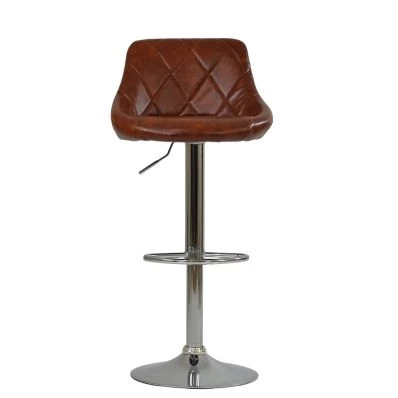
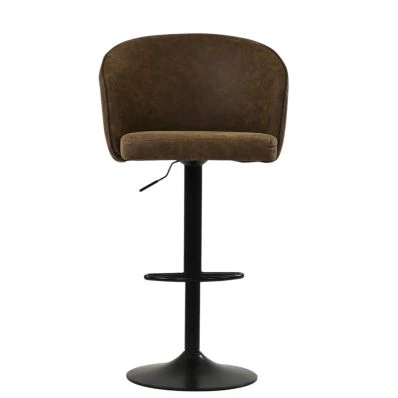
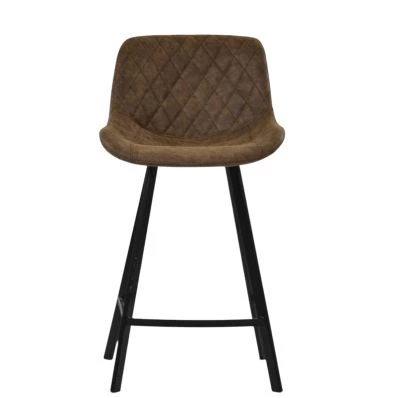 Matteo 65cm Bar Stool in Aged Brown Leather & Black BaseSpecial Price £59.99 Regular Price £74.99 Original price 20% Inc VATSaving £15


Comments