
 Chat with us on WhatsApp

Bar Stools for Open-Plan Kitchens: Visual Weight & Material Selection
Bar stools for open plan kitchens need to do more than fit under a counter. In a connected kitchen, dining and living space, the stools are visible from several angles, so their shape, material and colour can affect how open or crowded the room feels.
This guide focuses on visual weight: how heavy, light, solid or open a stool appears in the room. It also explains how material choice changes that effect. For a wider breakdown of upholstery, metal, wood and other finishes, read our guide to bar stool materials for different situations.
What visual weight means in an open-plan kitchen
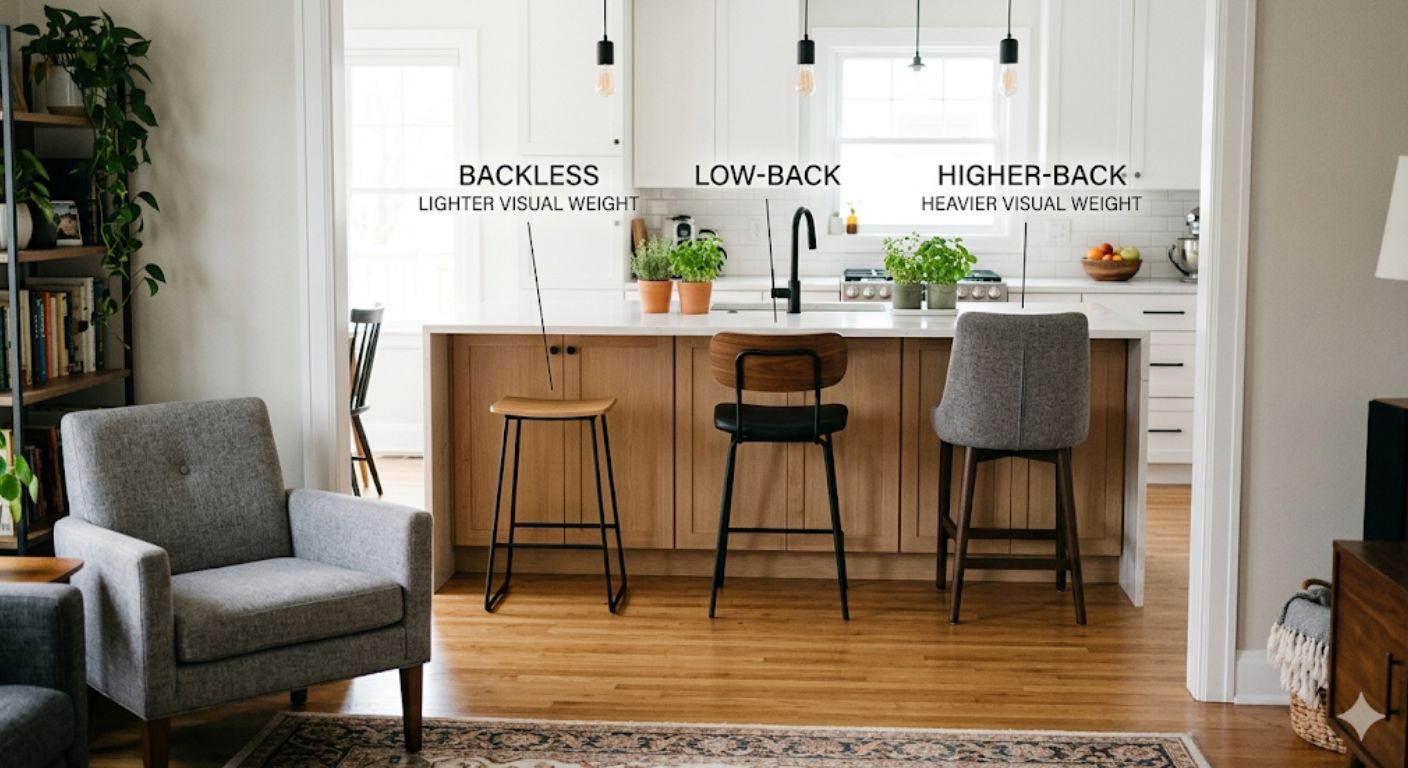
Visual weight is how much attention a stool takes up when you look across the room. A bulky chair with a thick back, dark upholstery and wide base has more visual weight than a slim stool with narrow legs and a lower profile.
In an open-plan kitchen, this matters because the stools often sit between zones. They may be viewed from the sofa, dining table, hallway or garden doors. If the stools look too heavy, the kitchen island can feel like a barrier instead of a connection point.
Lower visual weight usually comes from:
- Slim frames
- Open leg structures
- Lower backs
- Lighter colours
- Simple seat shapes
- Materials with less surface bulk
Higher visual weight usually comes from:
- Tall backs
- Wide upholstered seats
- Dark colours
- Thick padding
- Armrests
- Solid pedestal bases
Neither is automatically wrong. The key is matching the stool to the room size, kitchen finish and how visible the island is from the rest of the space.
Choosing stool materials for open sightlines
Material has a major impact on how light or heavy a stool feels in the room.
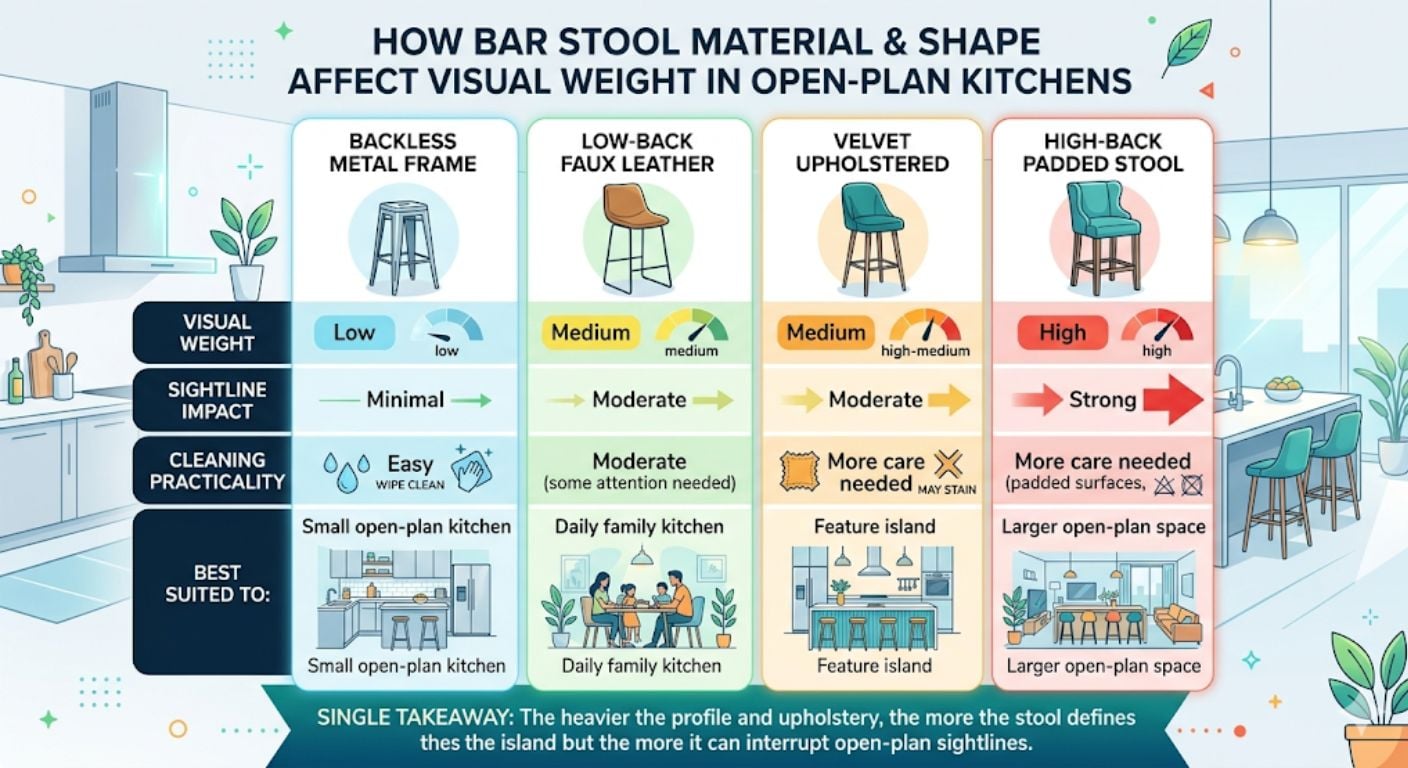
Faux leather and leather-look finishes
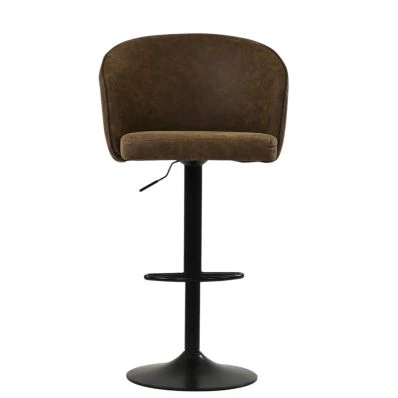
Faux leather bar stools often work well in open-plan kitchens because the surface is smooth and visually clean. They suit homes where the kitchen is used daily and spills are likely. The finish is easier to wipe than most fabric surfaces, which makes it practical around food preparation areas. If you are deciding between materials, it is also worth understanding how faux leather compares with real leather in terms of maintenance requirements, cracking risk and long-term durability.
Darker faux leather can look heavier, especially on wide seats or tall backs. Tan, cream, grey and muted brown finishes usually sit more softly in the room.
Velvet and soft upholstery
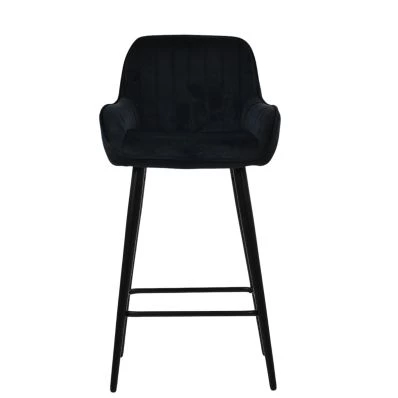
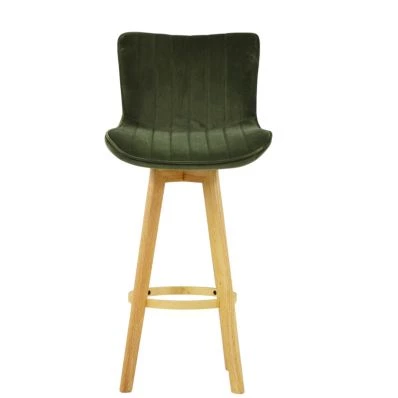
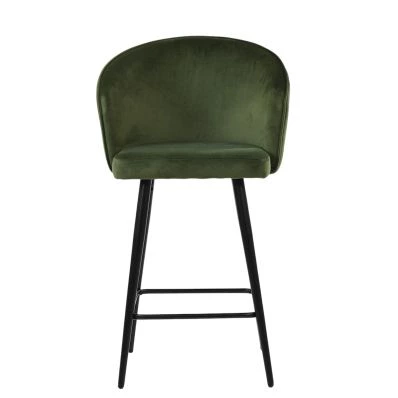
Velvet bar stools adds softness and colour, but it also increases visual presence. This is useful if the stools are meant to define the island as a feature within the room. It is less useful if the kitchen already has strong cabinet colours, statement lighting or patterned flooring.
Velvet works best when the stool shape is controlled. A simple seat on a slim frame will usually feel calmer than a thick, high-backed velvet stool in a compact open-plan space.
Metal frames
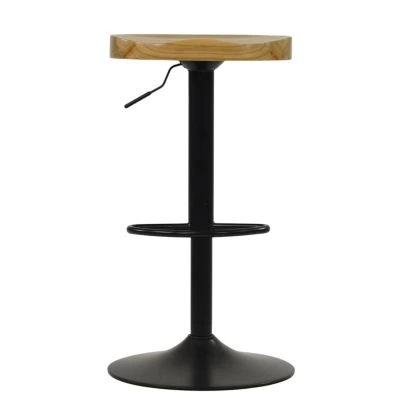
Metal frames can reduce visual weight because the structure is usually narrow and open. Black metal gives a sharper outline, while chrome or brushed finishes reflect more light. This makes metal useful where you want a stool to feel practical without blocking the room visually.
The main thing to watch is contrast. A black frame against pale flooring or white cabinetry will stand out more clearly than a softer metal finish.
Wood-effect and wooden elements
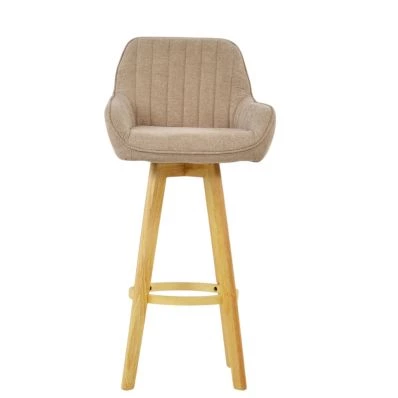
Wood brings warmth, but it can also make a stool feel heavier if the frame is thick or the seat is solid. Open wooden legs or mixed-material stools can work well because they add texture without becoming too dominant.
In an open-plan layout, wooden tones should be considered against flooring, worktops and nearby dining furniture. The aim is not to match everything exactly, but to avoid too many unrelated finishes competing in the same sightline.
Low-back, high-back and backless profiles
Back profile changes the visual line across the kitchen island. A higher back creates more comfort and presence, but it also interrupts the view across the room. A low-back stool gives some support while keeping the island area more open. A backless stool has the lightest profile, especially when it can sit neatly under the overhang.
For open-plan kitchens, the practical split is simple:
- Choose backless or low-back stools when the island sits in the middle of the room and sightlines matter.
- Choose higher-back stools when comfort is more important than visual openness.
- Avoid bulky high backs in narrow open-plan kitchens unless the island area needs to feel more defined.
Most people buying for a kitchen island underestimate how much the footrest matters. After a few hours of sitting, it is the detail our customers either love or quietly regret.
Matching stool weight to the kitchen style
A visually light stool is not always better. A large open-plan kitchen with a long island can make very slim stools look underpowered. In that setting, a stool with a stronger shape, deeper upholstery or darker frame may help the island feel balanced.
A smaller open-plan kitchen usually needs the opposite. Heavy stools can crowd the view and make the kitchen feel narrower.
Use this simple rule:
- Small open-plan kitchen: slimmer stools, lighter colours, lower backs
- Medium open-plan kitchen: controlled upholstery, mixed materials, low or mid backs
- Large open-plan kitchen: stronger frames, richer materials, higher backs if needed
The goal is proportion. The stool should support the island visually, not dominate it.
Colour and material combinations that reduce clutter
Open-plan spaces often fail visually when too many finishes compete. A kitchen may already include cabinet colour, worktop material, flooring, handles, lighting and dining furniture. Bar stools add another layer.
To keep the room controlled, use one of these approaches:
Match one existing finish
This could be a black frame that picks up black handles, or a warm seat colour that connects with wood flooring. Matching one finish creates continuity without making the room look overly coordinated.
Keep the seat calm and let the frame do the work
A neutral seat with a black, chrome or brushed metal base can be easier to place than a bold upholstered colour. This works well in kitchens where the cabinets or worktops already make a strong statement.
Use colour only where the shape is simple
A coloured velvet or faux leather stool works better when the silhouette is clean. Bright or deep colours on large, padded stools can look heavy quickly.
Practical selection guide
Choose a lighter-looking stool when:
- The kitchen island is visible from the living area
- The room is narrow or long
- Cabinetry is dark or strongly coloured
- The kitchen already has statement lighting
- You want the stools to sit quietly in the room
Choose a stronger-looking stool when:
- The island is large
- The room has high ceilings
- The kitchen finishes are very plain
- The stools need to define the eating area
- Comfort for longer sitting matters more than openness
Avoid very bulky stools when:
- Walkways are tight
- The stools sit directly in a main sightline
- There are already several dark finishes in the room
- The island overhang is shallow
- The room needs to feel more open, not more furnished
If you are still comparing options, browse the main bar stools category and look at profile, frame shape and upholstery together rather than judging material alone.
Material safety and everyday use
For upholstered stools used in UK homes, material choice is not only visual. Domestic upholstered furniture is covered by UK fire safety requirements, and the UK Government provides guidance on furniture and furnishings fire safety regulations. This matters when comparing low-cost seating from unknown sellers, especially where upholstery and foam are involved.
This does not mean every buyer needs to study regulations. It does mean the cheapest option is not always the clearest or safest purchase. For open-plan kitchens, where the stools are used daily and often by several people, build quality and compliance should sit alongside appearance.
FAQs
Are light-coloured bar stools better for open-plan kitchens?
Light-coloured stools often reduce visual weight, especially in smaller open-plan kitchens. They reflect more light and usually blend more softly with pale cabinets or flooring. They are not always the most practical choice for young families, so balance appearance against cleaning needs.
Do velvet bar stools look too heavy in open-plan kitchens?
Velvet can look heavier than faux leather or metal because it adds texture and depth. It works best when the stool shape is simple and the colour is controlled. If the room is already busy, a slimmer velvet stool is usually safer than a large padded one.
Should bar stools match dining chairs in an open-plan room?
They do not need to match exactly. In most open-plan rooms, it is better to connect one element, such as frame colour, seat tone or material family. Exact matching can look forced, while completely unrelated finishes can make the space feel disjointed.
What is the safest material choice for a busy kitchen?
For daily use, faux leather is usually one of the most practical choices because it is smooth and easy to wipe. Fabric and velvet can work, but they need more care around spills, pets and young children. For family use, cleaning practicality should carry more weight than appearance alone.
-
-
-
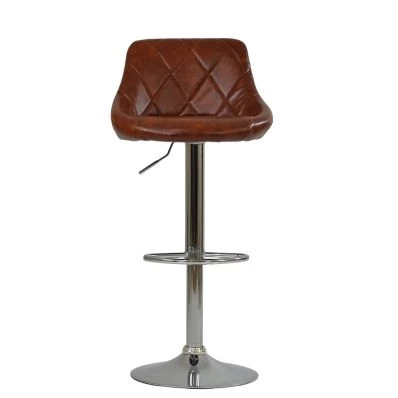
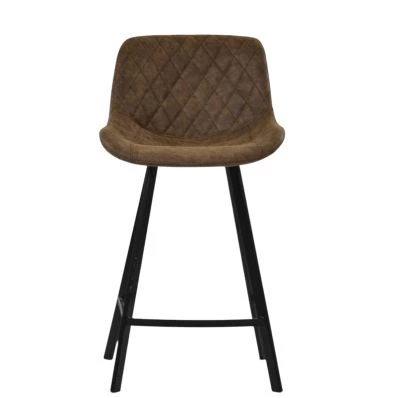 Matteo 65cm Bar Stool in Aged Brown Leather & Black BaseSpecial Price £59.99 Regular Price £74.99 Original price 20% Inc VATSaving £15
 -
-
-
-
-
-
-
-
Final takeaway
For open-plan kitchens, the right bar stool is not just about material. It is about how the stool affects the view across the whole room. Slimmer frames, lower profiles and controlled colours keep the space open, while stronger upholstery and darker finishes help define larger islands.
For broader material comparisons, use the bar stool materials guide, then compare suitable options in the bar stools category.


Comments