
 Chat with us on WhatsApp


How to Care for Wooden Bar Stools: Cleaning, Scratches & Warping
Wooden bar stools are popular because they age well, suit a wide range of kitchens, and usually feel sturdier than lightweight alternatives. The trade-off is that wood reacts to moisture, temperature changes, impact damage, and daily wear differently from metal or plastic.
Good wooden bar stool care is mostly preventative. Regular cleaning, fast spill removal, and occasional maintenance usually matter more than expensive treatments. Most long-term problems — warping, wobbling, fading, and cracked finishes — start small and worsen when ignored.
If you are still comparing material types overall, our guide to bar stool materials for different situations explains where wood works best and where lower-maintenance materials may suit better.
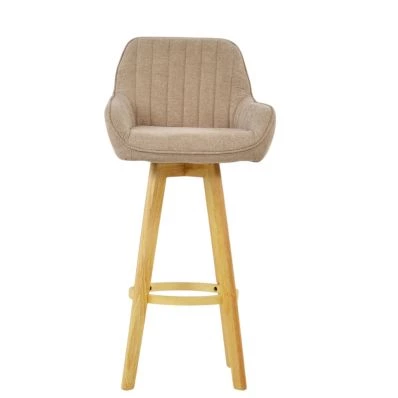
For current models, you can also browse the full range of wooden bar stools.
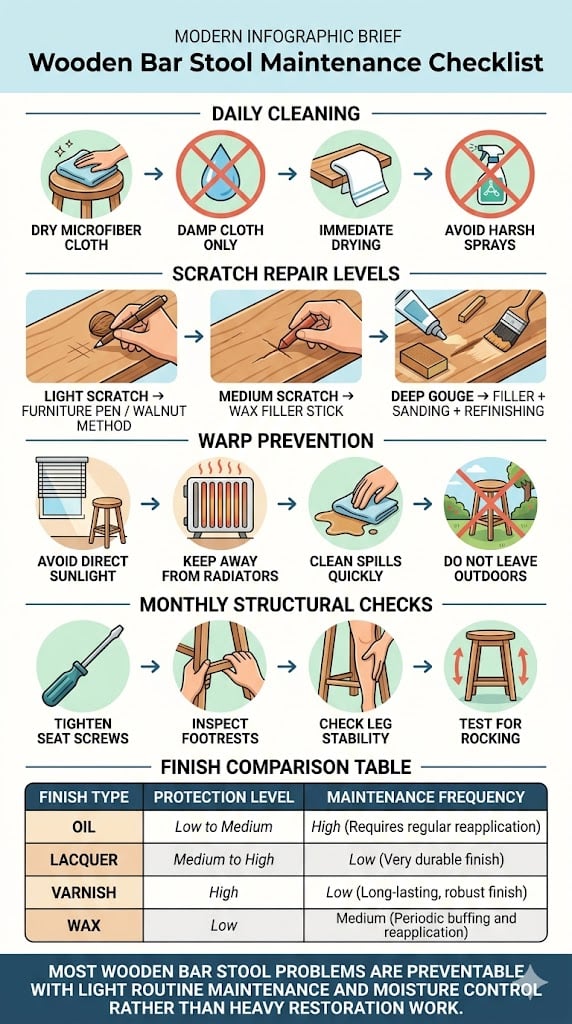
Daily Cleaning Without Damaging the Finish
Most wooden stools do not need specialist cleaning products. In fact, harsh sprays and overly wet cloths cause more damage than everyday dirt.
For routine cleaning:
- Use a dry microfiber cloth for dust and crumbs
- Wipe marks with a slightly damp cloth only
- Dry immediately after cleaning
- Avoid abrasive pads or scouring products
- Keep bleach and strong kitchen degreasers away from wood finishes
A mild soap solution is usually enough for greasy fingerprints or food splashes. The important part is moisture control. Water left sitting around joints, screw holes, or seat edges is one of the main causes of swelling and finish breakdown.
Can You Use Water to Clean Wooden Bar Stools?
Yes, but only in small amounts. Use a damp cloth rather than a wet one, and always dry the stool afterwards.
Excess water can:
- Lift veneer edges
- Cause joints to expand
- Leave cloudy marks in lacquer finishes
- Increase the risk of warping over time
Pressure washers should never be used on indoor wooden stools. Even outdoor wooden furniture specialists warn that aggressive water pressure can lift the grain and permanently damage the surface. Guidance from the UK’s Forest Research also highlights how moisture movement affects timber stability and long-term performance.
Preventing Scratches and Surface Wear
Wood develops small marks naturally over time, especially around footrests, seat edges, and lower legs. The goal is usually to minimise visible damage rather than keep the stool looking factory-new forever.
The biggest causes of scratches are:
- Metal belt buckles
- Pet claws
- Dragging stools across tiled floors
- Cleaning with rough cloths
- Stacking stools incorrectly during storage
Felt pads under the legs help reduce both floor damage and impact stress on the stool frame itself.
One thing we have noticed over the years is that our customers often focus heavily on protecting the seat surface but forget the footrest area, even though it usually shows wear first in busy kitchens.
Fixing Light Surface Scratches
Small scratches in lacquered or stained wood can often be improved without sanding the entire stool.
Common repair methods include:
- Furniture repair pens matched to the wood tone
- Wax touch-up sticks
- Light buffing with furniture polish
- Natural walnut rubbing for minor marks on medium-toned wood
The walnut method works because natural oils temporarily darken exposed wood fibres. It is useful for very shallow scratches but will not repair deep gouges.
How to Fix Deep Scratches in Oak Bar Stools
Deep scratches need more than cosmetic touch-up products. If the damage cuts through the finish into the wood itself, the repair normally involves filling and refinishing.
Typical repair process:
- Clean the damaged area thoroughly
- Lightly sand loose edges around the scratch
- Apply wood filler or a coloured repair stick
- Allow the filler to dry fully
- Sand smooth with fine-grit sandpaper
- Reapply stain or protective finish if needed
Oak is particularly noticeable when damaged because the open grain structure catches light differently once scratched. Colour matching matters more than many people expect.
If multiple stools are damaged heavily, refinishing the full visible surface usually gives a more even result than patch repairs.
Preventing Warping and Cracking
Wood naturally expands and contracts as humidity changes. Small movement is normal. Visible warping usually happens when exposure becomes uneven or prolonged.
Common causes include:
- Direct sunlight through patio doors
- Radiators positioned beside breakfast bars
- Wet floors after mopping
- Leaving stools outdoors permanently
- High humidity kitchens with poor ventilation
Signs Your Wooden Stool Is Starting to Warp
Early warning signs include:
- Uneven leg contact with the floor
- Small rocking movement developing
- Hairline finish cracks
- Visible twisting in thinner legs or backrests
- Joint gaps appearing around screws or dowels
Catching movement early matters because slight instability can place extra pressure on the frame joints.
Oils, Varnishes and Protective Finishes
Different finishes change both the appearance and maintenance level of wooden stools.
| Finish Type | Appearance | Protection Level | Maintenance Frequency |
|---|---|---|---|
| Oil Finish | Natural, matte look | Moderate | Every 6–12 months |
| Lacquer | Smooth sealed surface | High | Low maintenance |
| Varnish | Hard protective coating | Very high | Every few years |
| Wax Finish | Soft low-sheen finish | Lower protection | Regular upkeep needed |
Oil finishes usually look more natural but need reapplication sooner. Varnish and lacquer provide stronger protection against spills but may show chips more clearly if damaged.
Indoor wooden bar stools generally do not need heavy-duty exterior sealants unless they are used in garden rooms or semi-outdoor kitchen spaces.
How Often Should You Tighten Bar Stool Bolts?
Check bolts and fixing points roughly once per month in regularly used kitchens.
Most wobbling problems come from gradual movement around screws, footrests, or seat brackets rather than major structural failure. Tightening loose hardware early helps prevent stress cracks and uneven frame wear.
Areas to inspect include:
- Seat mounting screws
- Footrest connections
- Swivel plate fixings
- Leg joints
- Cross-support brackets
If tightening does not solve the issue, the frame joint itself may already have widened or weakened.
For households comparing easier-care materials, our guide on cleaning metal bar stools and rust removal explains how maintenance differs between wood and metal frames.
Wooden Bar Stools in Busy Family Kitchens
Wood can work well in family kitchens, but finish choice matters.
Lighter untreated woods tend to show stains faster. Dark stained finishes usually hide marks better but can make scratches more visible if the lighter timber underneath becomes exposed.
For busy households:
- Choose sealed finishes rather than raw timber
- Avoid heavily textured open-grain surfaces near cooking zones
- Clean spills quickly around joints and seams
- Use protective pads under legs
- Rotate stool positions occasionally for even wear
If low-maintenance cleaning is the main priority, our article on family kitchen bar stools and wipe-clean materials may also help narrow down material choices.
When Wooden Bar Stools Make Sense — And When They Do Not
Wooden stools work best when you want:
- A warmer and less industrial look
- Long-term durability with repair potential
- More visual texture than painted metal
- Solid-feeling seating with stable frames
They may be less suitable if:
- The stools will sit permanently beside high moisture areas
- You want almost zero maintenance
- The kitchen receives intense direct sunlight daily
- The stools will be used heavily outdoors
Material choice is usually less about style trends and more about how the kitchen actually functions day to day.
Frequently Asked Questions
Can wooden bar stools crack over time?
Yes. Dry environments, strong sunlight, or repeated moisture exposure can cause wood to shrink and expand unevenly. Small surface cracks in the finish are common over time, but larger structural cracks usually indicate environmental stress or weakened joints.
What is the best cleaner for wooden bar stools?
A soft microfiber cloth with mild soap and warm water is usually enough. Avoid bleach, abrasive cleaners, or heavily soaked cloths. Most wooden stools last longer with gentle routine cleaning rather than aggressive deep cleaning products.
Should wooden bar stools be polished?
Occasionally, yes. Light polishing can help maintain sealed finishes and improve appearance, particularly on lacquered wood. Oil-finished stools may benefit more from periodic re-oiling than traditional furniture polish.
Why do wooden bar stools wobble?
Loose screws and joint movement are the most common causes. Monthly hardware checks help prevent small movement from turning into larger structural instability.
Can wooden bar stools be used outdoors?
Some can, but indoor wooden stools should not normally be left outside permanently. Moisture, UV exposure, and temperature swings increase the risk of swelling, fading, cracking, and warping.
-
-
-
-
-
-
-
-
-
-
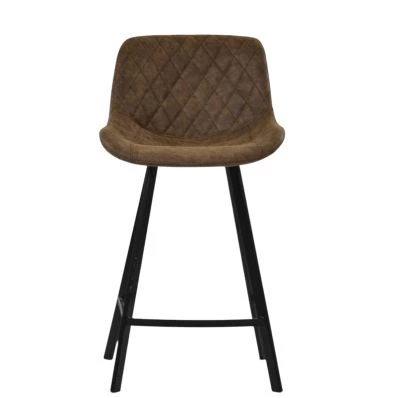 Matteo 65cm Bar Stool in Aged Brown Leather & Black BaseSpecial Price £59.99 Regular Price £74.99 Original price 20% Inc VATSaving £15
 -
-
Final Thoughts
Wooden bar stools are durable when maintained properly, but they are not completely maintenance-free. Most issues develop gradually through moisture exposure, loose hardware, or ignored surface damage rather than sudden failure.
Regular cleaning, fast spill removal, and occasional structural checks usually make the biggest difference to lifespan.
If you are still comparing materials overall, the wider guide to bar stool materials for different situations explains how wood compares with metal, leather, fabric, and rattan options. You can also browse the current collection of wooden bar stools here.


Comments