
 Chat with us on WhatsApp

Dressing Table Setup Guide: Chair Height, Mirror Position & Layout
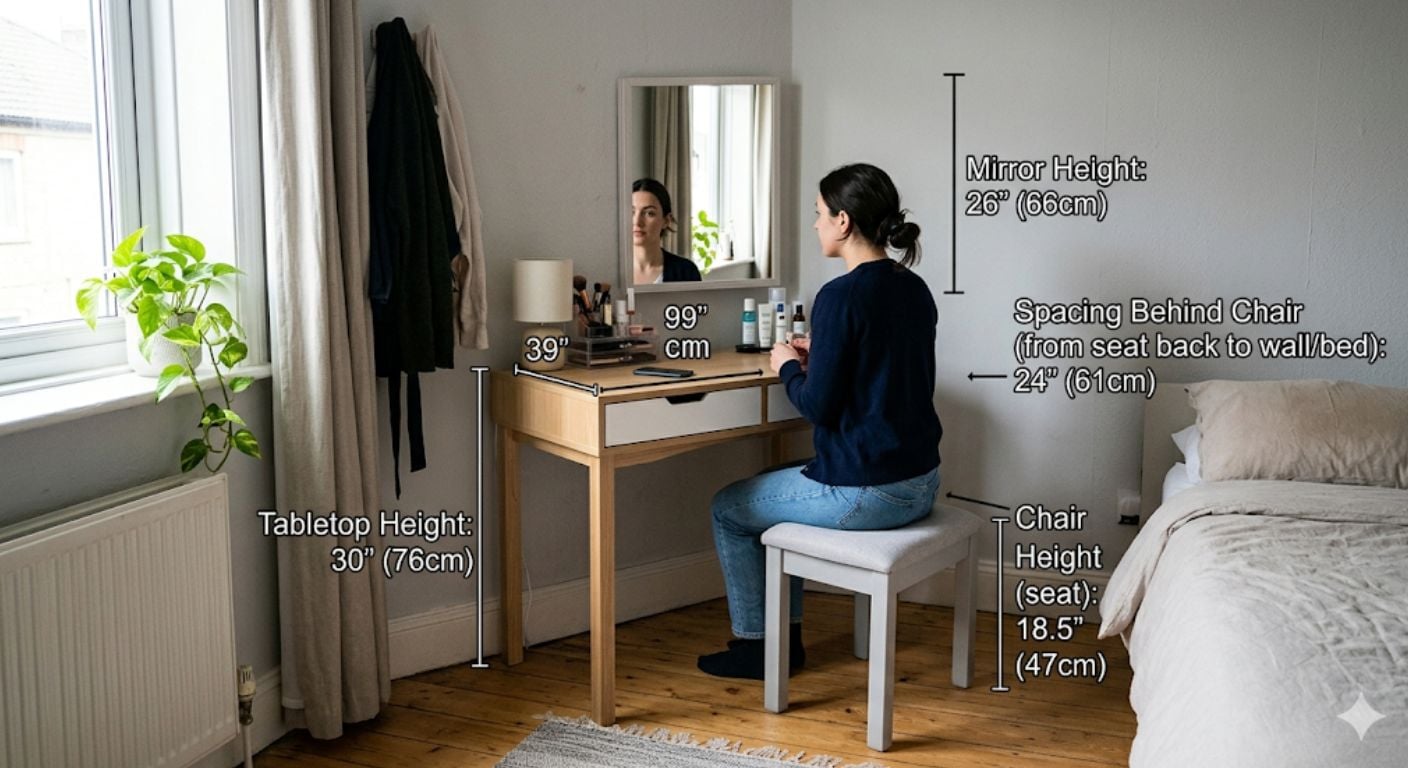
A dressing table setup works properly when the chair height, mirror position, lighting, and surrounding space all align comfortably. Most problems come from mismatched proportions rather than the furniture itself. A chair that sits too high forces shoulder tension, while a poorly positioned mirror creates awkward posture and uneven lighting.
This guide focuses on the practical side of dressing table setup: measurements, spacing, layout planning, and common positioning mistakes. If you are still deciding between chair types, sizes, or bedroom seating styles more broadly, our guide on choosing the right bedroom chair covers the wider decision process.
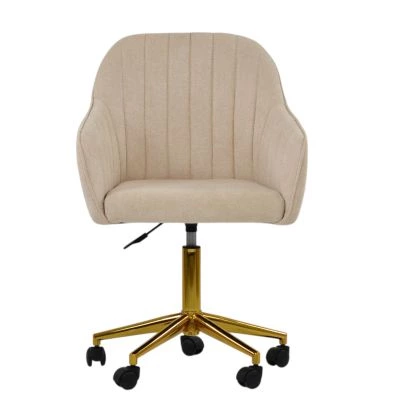
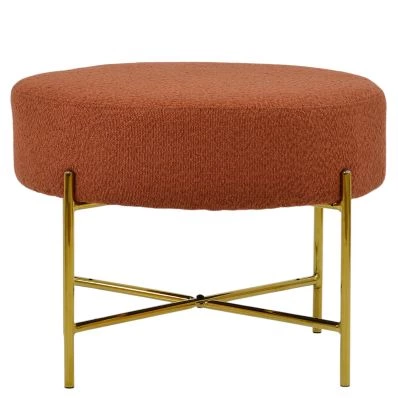
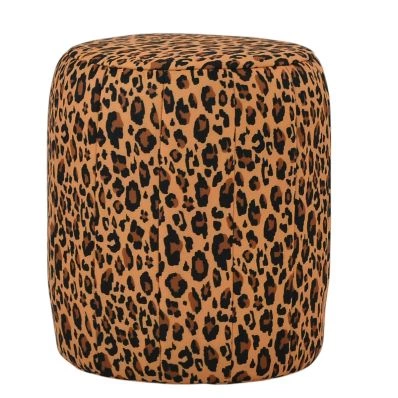
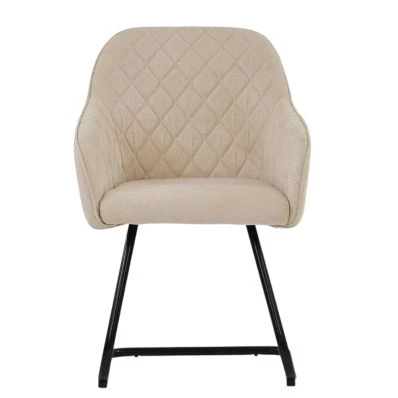
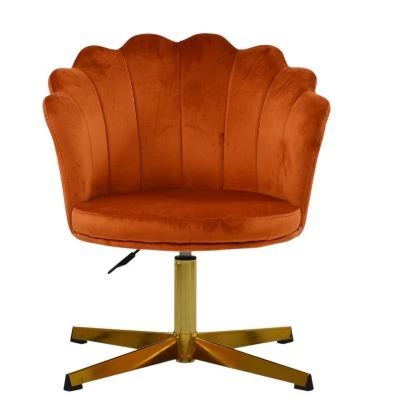
For product options, see our range of dressing table chairs.
Standard Dressing Table Dimensions
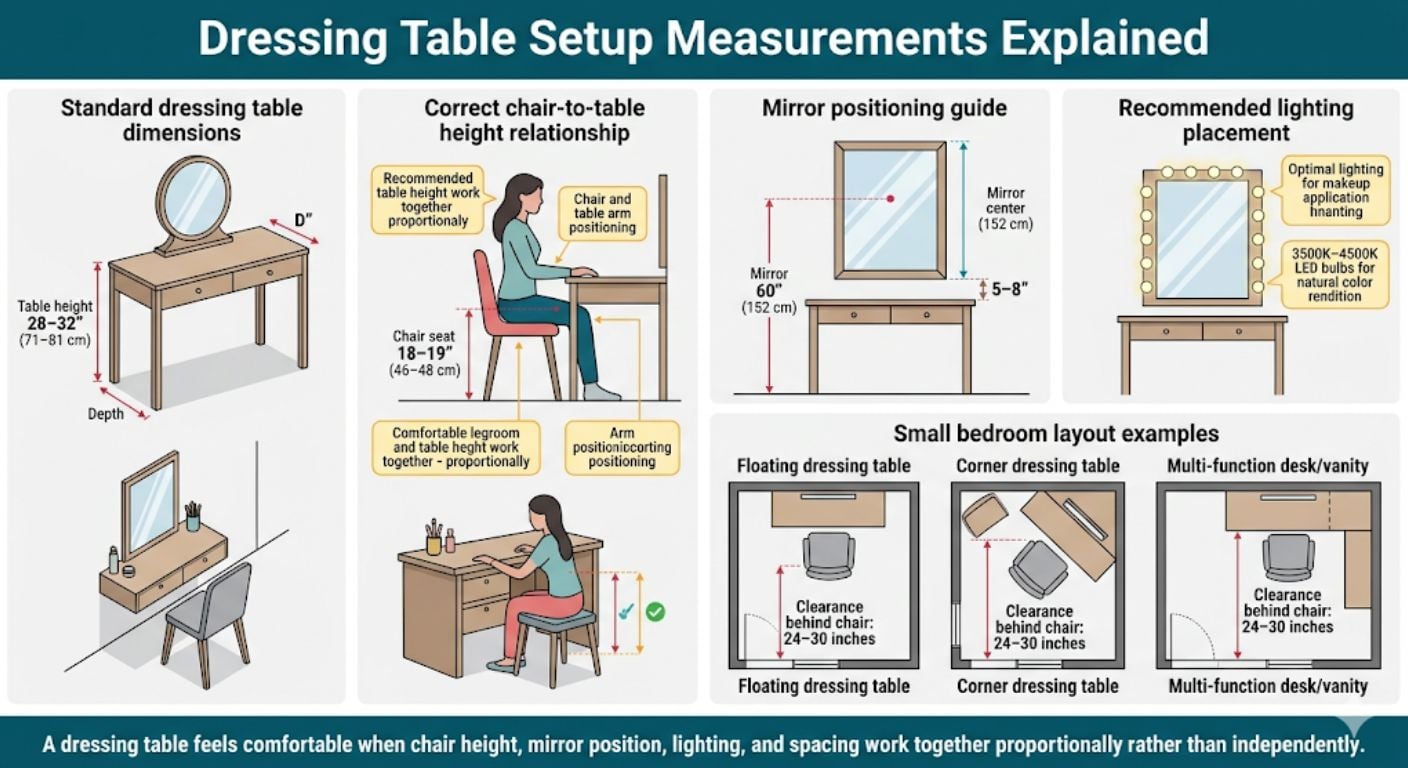
Most dressing tables follow similar sizing principles regardless of style. The goal is to create enough knee clearance, elbow support, and mirror visibility without overcrowding the room.
| Component | Typical Size | Metric Equivalent | Why It Matters |
|---|---|---|---|
| Dressing table height | 28–32 inches | 71–81 cm | Keeps elbows at a comfortable angle while seated |
| Dressing table depth | 15–20 inches | 38–51 cm | Provides usable surface space without dominating the room |
| Chair seat height | 18–19 inches | 46–48 cm | Allows comfortable clearance under the tabletop |
| Mirror centre height | Approx. 60 inches from floor | Approx. 152 cm | Aligns mirror with seated eye level |
| Space behind chair | 24–30 inches | 61–76 cm | Allows movement without blocking walkways |
For someone around 5'7", a dressing table around 30 inches high paired with an 18–19 inch seat height usually creates the most natural sitting position.
One thing we regularly see from our customers is people choosing a chair based entirely on appearance, then realising afterwards the seat sits too high to slide properly under the table. Clearance matters more than most buyers expect.
How High Should a Dressing Table Chair Be?
A dressing table chair should normally sit around 10–12 inches lower than the tabletop. For a standard 30-inch dressing table, that usually means an 18–19 inch seat height.
This gap allows comfortable leg clearance while keeping your arms at a relaxed angle during makeup application, hair styling, or desk use.
Signs the Chair Height Is Wrong
Chair Too High
- Knees press against the underside of the table
- Shoulders lift while sitting
- Mirror alignment feels awkward
- Limited leg movement
Chair Too Low
- Leaning forward becomes necessary
- Elbows sit too low for comfortable use
- Neck strain increases during longer sitting periods
Armless chairs generally work better for compact dressing table setups because they tuck fully underneath the tabletop when not in use.
How High to Hang a Mirror Above a Dressing Table
The bottom of the mirror should normally sit around 5–8 inches above the tabletop, while the centre of the mirror should align roughly with seated eye level — typically around 60 inches from the floor.
This positioning keeps the reflection usable without forcing you to lean forward or tilt your head upward.
Mirror Placement Rules That Work Consistently
- Centre the mirror directly above the seating position
- Avoid placing the mirror too high simply to fill wall space
- Leave enough tabletop clearance for lighting or organisers
- Match mirror width proportionally to the dressing table width
Round vs Rectangular Mirrors
| Mirror Shape | Best Use Case | Practical Benefit |
|---|---|---|
| Round mirror | Narrow tables or softer room layouts | Reduces visual heaviness |
| Rectangular mirror | Wider dressing tables | Provides broader viewing angle |
| Tall vertical mirror | Compact floor space | Maximises usable reflection height |
Best Lighting for a Dressing Table Setup
Lighting matters more than decorative styling in daily use. Poor lighting creates shadows, uneven colour balance, and eye strain.
Natural daylight remains the most practical option, which is why many dressing tables work best near a window. If natural light is limited, LED lighting positioned at face level creates the most balanced result.
Recommended Dressing Table Lighting Setup
- LED colour temperature: 3500K–4500K
- Position lights at face level where possible
- Avoid single overhead bulbs directly above the mirror
- Reduce glare by using diffused rather than exposed bulbs
Hollywood-style mirrors work well because they spread light evenly across the face instead of creating directional shadows.
Dressing Table Layout Ideas for Small Bedrooms
Small bedrooms require careful spacing rather than simply smaller furniture. The wrong layout can make the room feel cramped even when the dressing table itself is compact.
Floating Dressing Tables
A floating dressing table is a wall-mounted unit that removes the visual weight of legs and lower storage. This creates a more open floor area and improves movement around tighter rooms.
Floating setups work particularly well when:
- Floor space is limited
- The bedroom already contains large wardrobes
- You want the chair fully hidden underneath
Corner Dressing Table Layouts
Corners often waste usable floor area. A compact corner dressing table can improve circulation while keeping the setup functional.
Corner layouts work best when:
- Door swings restrict wall placement
- The bed occupies the centre wall
- Window positioning limits larger furniture
Multi-Function Dressing Tables
Some setups combine desk and dressing table use. This works best when:
- Storage remains organised
- The mirror does not dominate the workspace
- Cable management is controlled properly
Very shallow tables under 15 inches deep tend to become frustrating for daily use, especially when lighting, mirrors, and organisers are added.
How to Organise a Dressing Table Without Creating Clutter
A dressing table usually works better when the surface stays mostly clear. Organisation matters less for appearance and more for usability.
A Simple 4-Step Organisation Process
- Sort daily-use items from occasional-use products
- Store smaller products in drawer dividers or acrylic trays
- Reduce surface clutter to essential items only
- Position lighting and mirrors before decorative accessories
Drawer organisers help prevent makeup, jewellery, and cables from spreading across the tabletop over time.
Useful organisation tools include:
- Acrylic compartment organisers
- Velvet-lined jewellery trays
- Brush holders
- Small drawer dividers
- Heat-resistant trays for hair tools
If your dressing table sits near a radiator or direct sunlight, avoid storing cosmetics exposed on the surface permanently. Heat and UV exposure can shorten product lifespan significantly.
Mirror Placement and Bedroom Layout Mistakes
Some setup issues appear repeatedly regardless of room size or furniture style.
Common Dressing Table Setup Problems
Mirror Facing the Bed
Some people find reflective surfaces opposite the bed distracting at night, especially in darker rooms. If repositioning is impossible, curtains or mirror covers can soften the effect.
Insufficient Chair Clearance
Many compact bedrooms leave no movement space behind the chair. Even slim chairs need enough clearance to pull out comfortably.
Overcrowded Storage
Large organisers, stacked trays, and oversized mirrors quickly consume usable tabletop depth.
Poor Lighting Direction
Lighting positioned only overhead creates shadows around the eyes and jawline.
When a Compact Dressing Table Setup Makes Sense
A compact setup usually works well when:
- The bedroom is under average size
- The dressing table is used briefly rather than for long sitting sessions
- Storage exists elsewhere in the room
- The chair needs to tuck away completely
A larger setup makes more sense when:
- The dressing table doubles as a workspace
- Extended sitting is common
- Large mirrors or additional lighting are required
- Multiple storage drawers are necessary
Frequently Asked Questions
How high should a mirror hang above a dressing table?
Most mirrors work best positioned around 5–8 inches above the tabletop, with the centre aligned roughly to seated eye level. This normally places the mirror centre around 60 inches from the floor depending on chair and table height.
What is the best lighting for a makeup vanity?
LED lighting between 3500K and 4500K creates balanced, natural-looking light without harsh shadows. Face-level lighting works better than ceiling-only lighting because it distributes illumination evenly across the mirror.
Can you fit a dressing table into a small bedroom?
Yes. Floating dressing tables, corner layouts, and shallow-depth designs can work effectively in compact rooms. Prioritising chair clearance and keeping the surface uncluttered matters more than overall furniture size alone.
What seat height works best for a dressing table?
Most dressing tables pair well with an 18–19 inch seat height. The chair should normally sit around 10–12 inches lower than the tabletop for comfortable leg clearance and posture.
What depth should a dressing table be?
Most practical dressing tables fall between 15–20 inches deep. Shallower setups can feel restrictive once mirrors, lighting, and organisers are added.
Final Thoughts
A good dressing table setup depends more on proportion and layout than decorative styling. Correct chair height, usable mirror positioning, and balanced lighting improve comfort immediately, especially in smaller bedrooms where space is limited.
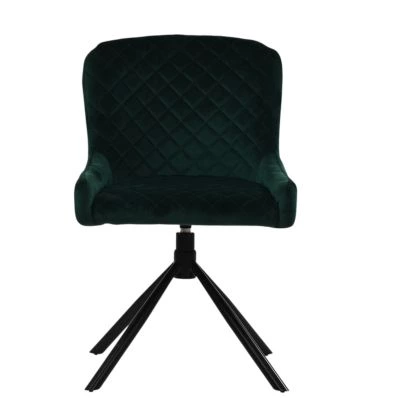
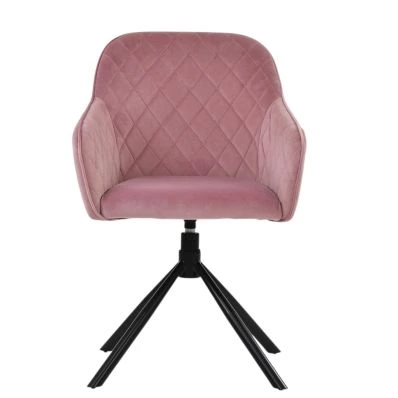
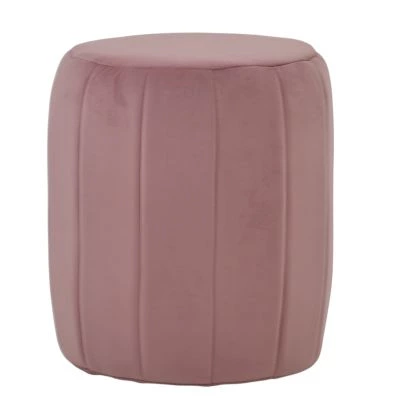
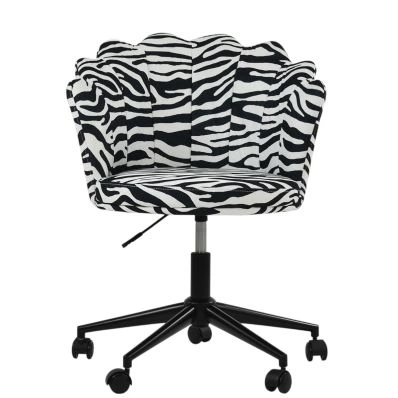
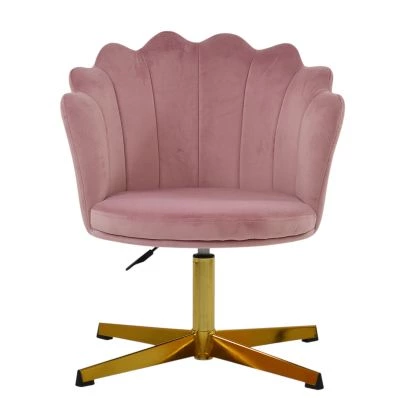
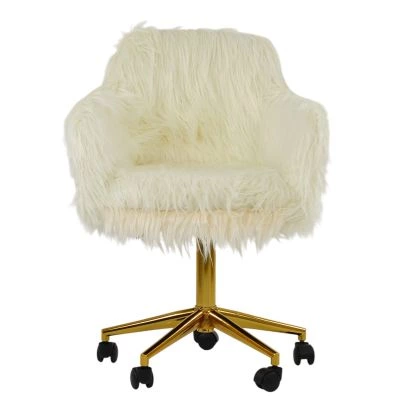
If you are choosing seating alongside your setup, our wider guide to bedroom chair selection covers sizing, room fit, and chair types in more depth. You can also browse Lakeland’s range of dressing table chairs for compact seating options suited to vanity and dressing table use.


Comments