
 Chat with us on WhatsApp

How To Find A Comfortable Bar Stool
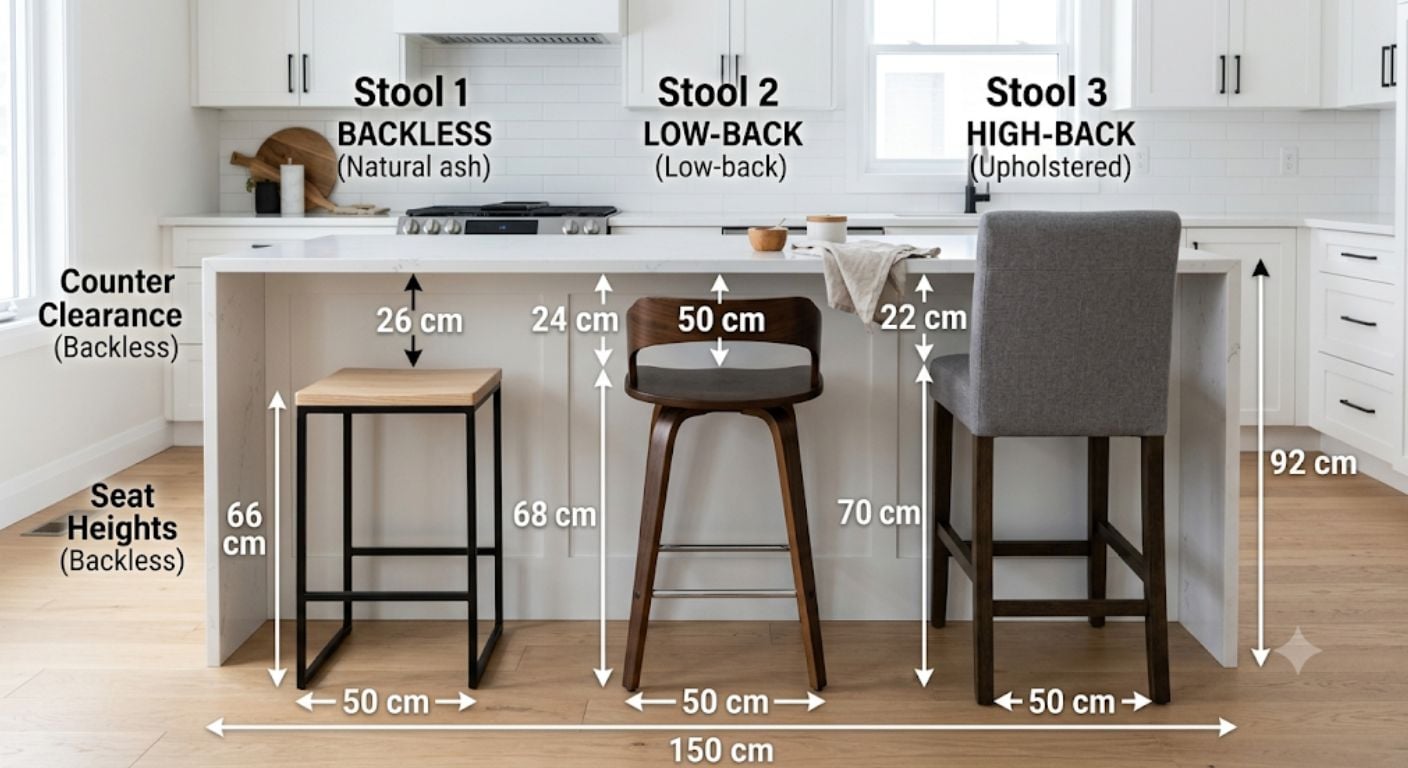
Comfort is the main reason people either keep their bar stools for years or replace them within months. The problem is that comfort is not determined by one feature alone. Seat height, legroom, back support, footrest position, seat width, upholstery, and the way the stool fits your kitchen layout all affect whether a stool feels supportive after ten minutes or after three hours.
Most buying mistakes happen because people focus on appearance before fit. A stool can look substantial online but still feel cramped, unstable, or awkward once placed under a kitchen island or breakfast bar. Seat height errors are particularly common, especially when buyers measure to the top of the counter instead of the underside.
This guide explains how to choose comfortable bar stools based on real measurements, usage patterns, and seating behaviour. It covers height rules, support levels, spacing requirements, upholstery choices, swivel mechanisms, and the practical differences between common stool designs. If you are comparing options for a kitchen island, breakfast bar, or home bar setup, this guide is designed to reduce buying errors and make the decision process clearer.
Many of the same comfort principles also apply to other seating categories. If you are comparing upholstered seats, back support styles, cushioning depth, and posture support for dining spaces, our guide explaining what makes a dining chair comfortable covers the main factors that affect long-term seating comfort and everyday usability.
Start With The Correct Bar Stool Height
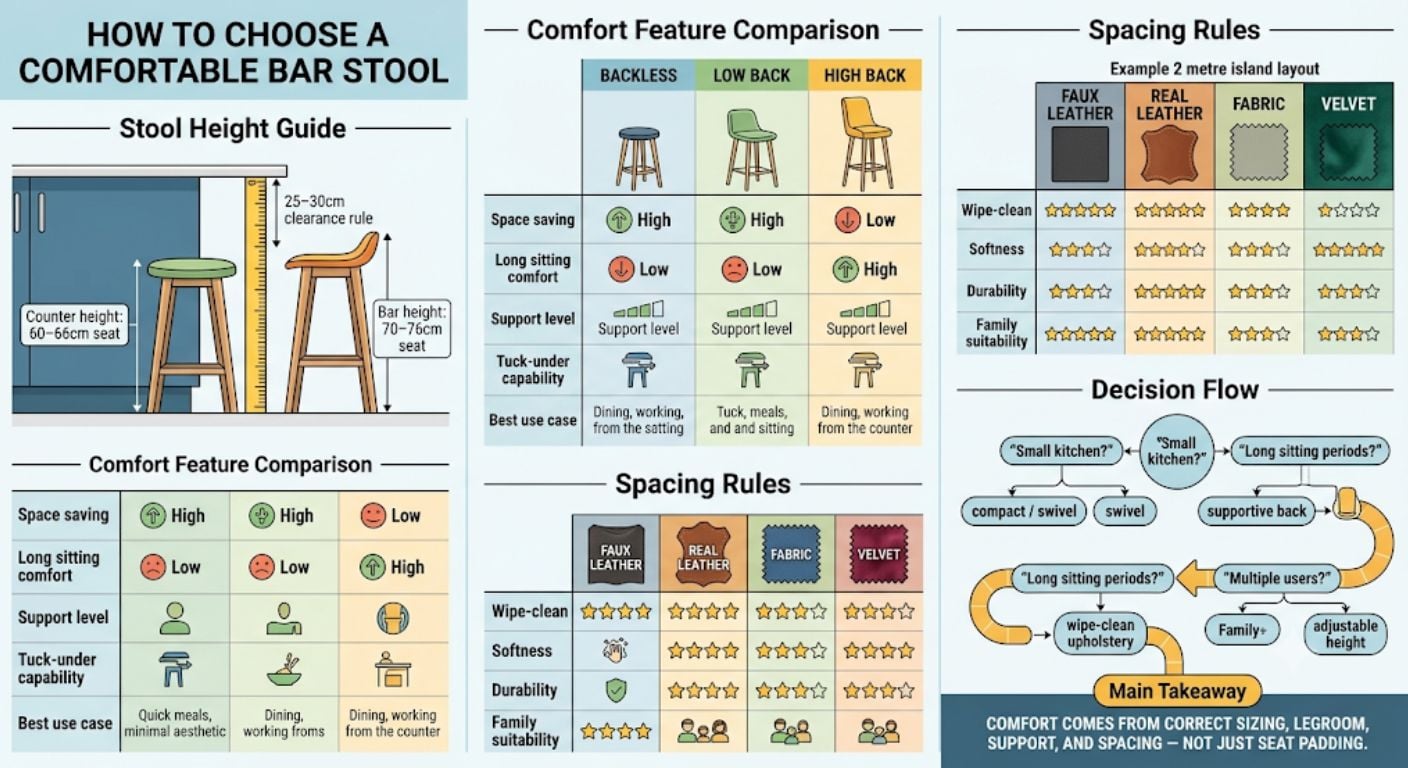
The right bar stool height depends on the underside of your counter or breakfast bar, not the worktop surface itself. Comfortable seating requires enough clearance between the seat and the underside of the counter for leg movement and posture support.
For most UK kitchen islands and breakfast bars:
- Counter-height seating: 60–66cm seat height
- Bar-height seating: 70–76cm seat height
- Recommended clearance: 25–30cm between seat and counter underside
If the stool is too tall, your knees will sit too high and movement becomes restricted. If it is too low, you end up leaning forward onto the counter rather than sitting upright.
The simplest way to measure correctly is:
- Measure from the floor to the underside of the counter
- Subtract 25–30cm
- The result is your ideal seat height range
For a more detailed breakdown of sizing categories and measurements, see the Bar Stool Height Guide: Counter Height vs Bar Height.
Counter Height Vs Bar Height Measurements
Most UK homes use counter-height kitchen islands rather than commercial bar-height surfaces. This means many buyers accidentally choose stools that are too tall because they assume all bar stools use the same dimensions.
| Surface Type | Typical Height | Recommended Stool Height |
|---|---|---|
| Kitchen Counter / Island | 88–92cm | 60–66cm |
| Bar-Height Surface | 100–110cm | 70–76cm |
Many adjustable bar stools cover both ranges, but fixed-height stools require more accurate measuring before purchase.
Why Legroom Matters More Than Most Buyers Expect
Comfort is not only about the seat. Poor leg positioning is one of the main reasons stools become uncomfortable during longer periods of sitting.
The most common issues are:
- Knees hitting the underside of the counter
- Footrests positioned too high or too low
- Thick seat pads reducing usable clearance
- Wide stool frames restricting leg movement
- Pedestal bases limiting foot positioning
One thing we regularly hear from our customers is that the footrest matters far more after extended sitting than they expected before buying.
Foot support becomes increasingly important when stools are used for:
- Remote working
- Long family meals
- Social seating around islands
- Open-plan kitchen seating
- Entertaining areas
A comfortable footrest should allow your feet to rest naturally without forcing your knees upwards. Unsupported legs create pressure behind the thighs and reduce circulation during longer sitting sessions.
Back Support And Sitting Comfort
Back support has the biggest influence on how long a stool remains comfortable. Short-term seating and long-duration seating usually require different designs.
Are Backless Bar Stools Comfortable?
Backless bar stools can be comfortable for shorter sitting periods, particularly in compact kitchens where space is limited. They are easier to tuck underneath counters and reduce visual bulk, but they provide less support for extended sitting.
If stools are mainly used for quick meals or occasional seating, backless designs are often sufficient. For longer social seating or work use, stools with supportive backs are normally more comfortable.
For a full comparison between seating styles, see Bar Stools With Backs Vs Backless Bar Stools.
Low Back Vs High Back Bar Stools
Low-back stools support posture better than completely backless designs while still maintaining a compact footprint.
High-back stools provide:
- Better lumbar support
- Reduced fatigue during long sitting periods
- Improved upper-back stability
- More relaxed sitting posture
However, high-back stools require more visual and physical space. They are usually better suited to larger kitchen islands and open-plan layouts.
If comfort is the priority, a supportive mid-back or high-back stool generally performs better than minimalist low-profile seating.
Seat Shape And Pressure Points
Two stools can share the same dimensions but feel completely different depending on seat shape and edge construction.
Flat seats with hard front edges tend to create pressure underneath the thighs. This becomes noticeable during longer sitting sessions.
More comfortable seat profiles usually include:
- Slightly curved seating surfaces
- Rounded front seat edges
- Thicker foam padding
- Wider seating areas
- Supportive upholstery tension
Buyers looking for comfortable bar stools for heavier people should pay particular attention to:
- Wider seat widths
- Weight capacity ratings
- Stable base construction
- Rounded seat edges
- Substantial footrests
Very narrow or heavily sculpted seats may look compact but often become uncomfortable over longer periods.
Swivel Vs Fixed Bar Stools
Swivel functionality changes how people enter, exit, and use bar stools. Comfort is affected not just by sitting position, but also by movement.
Swivel stools are useful when:
- Space behind stools is limited
- Walkways are tight
- Users regularly rotate between kitchen and living spaces
- Dragging stools would damage flooring
Fixed stools feel more static and stable but require more clearance behind the seat when getting on and off.
For a deeper comparison between movement types, see Swivel Vs Fixed Bar Stools.
Are Adjustable Bar Stools More Comfortable?
Height-adjustable bar stools can improve comfort when multiple people use the same seating area. They allow users to fine-tune seating position depending on height and posture.
Gas-lift stools are particularly useful when:
- Household members vary significantly in height
- The seating area doubles as a workspace
- The surface height sits between standard categories
- Flexibility matters more than fixed alignment
However, fixed-height stools often feel more solid and stable because they contain fewer moving parts.
Choosing The Right Upholstery Material
Material choice affects both physical comfort and long-term practicality.
| Material | Comfort Feel | Maintenance | Typical Use Case |
|---|---|---|---|
| Faux Leather | Firm and supportive | Easy wipe-clean surface | Family kitchens |
| Real Leather | Softer over time | Requires more maintenance | Long-term daily use |
| Fabric | Softer and warmer | More stain-sensitive | Lower traffic kitchens |
| Velvet | Padded and soft | Requires more upkeep | Occasional seating areas |
For homes with children or heavy daily use, wipeable materials generally reduce maintenance issues. Faux leather remains one of the most practical options because it combines cushioning with easy cleaning.
How Much Space Should You Leave Between Bar Stools?
Spacing directly affects comfort. Even well-designed stools become uncomfortable if users sit too close together.
The standard spacing rule is:
- Allow 60–75cm width per person
- Leave approximately 15cm between stools
- Consider island legs and overhangs
- Check walkway clearance behind seating
How Many Stools Fit On A 2 Metre Island?
A 2 metre kitchen island usually fits three stools comfortably. This assumes approximately 60–65cm width allocation per stool plus spacing between seats.
The calculation process is:
- Measure total usable counter width
- Allow 60–75cm per stool
- Leave around 15cm between seats
- Subtract any unusable overhang or support sections
Trying to fit too many stools onto an island normally reduces comfort more than buyers expect.
For more detailed layout guidance, see:
- Bar Stool Spacing Guide: Elbow Room + Walkthrough Clearance
- How Many Bar Stools
- Kitchen Island Stool Guide: How Many Per Width?
Comfort Requirements Change Depending On The Room
The same stool will not suit every environment equally well.
Kitchen Islands
Kitchen islands usually require:
- Easy-clean upholstery
- Supportive footrests
- Comfortable seat padding
- Compact movement clearance
- Stable bases
If the stools are used daily, comfort should take priority over minimalist design.
See Which Bar Stools Are Best For Kitchen Islands for more kitchen-specific guidance.
Small Kitchens
Smaller kitchens often benefit from:
- Backless or low-back stools
- Narrow seat widths
- Swivel access
- Compact base designs
- Tuck-under compatibility
Large high-back stools can overwhelm narrow breakfast bar areas both visually and physically.
Additional compact-space guidance is covered in Best Bar Stools for Small Kitchens & Narrow Breakfast Bars.
Rental Properties And Airbnbs
Comfort still matters in rental environments, but durability becomes more important.
Practical choices often include:
- Fixed-height construction
- Wipe-clean upholstery
- Metal frame reinforcement
- Simpler mechanisms
- Commercial-style stability
More durability-focused guidance is available in Bar Stools for Rentals & Airbnbs: Durability Picks.
Decision Logic: Which Comfortable Bar Stool Should You Choose?
If your counter height is 88–92cm:
- Choose a 60–66cm seat height
If your surface height is 100–110cm:
- Choose a 70–76cm seat height
If stools will be used for long sitting periods:
- Choose supportive backs and padded seats
If space is limited:
- Avoid oversized high-back designs
- Consider swivel or backless seating
If multiple people use the stools:
- Adjustable height designs offer more flexibility
If the kitchen is family-focused:
- Choose wipe-clean upholstery and stable frames
If comfort is the top priority:
- Prioritise footrest support, seat shape, and back support before appearance
Bar Stool Categories Worth Considering
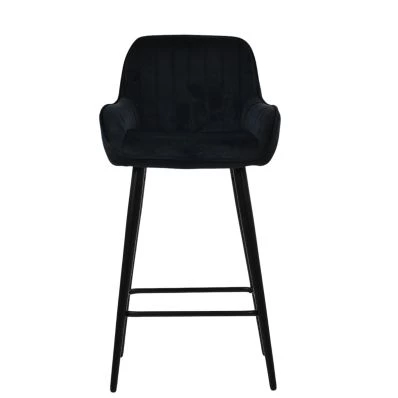
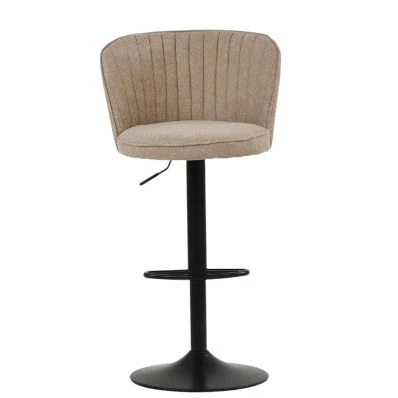
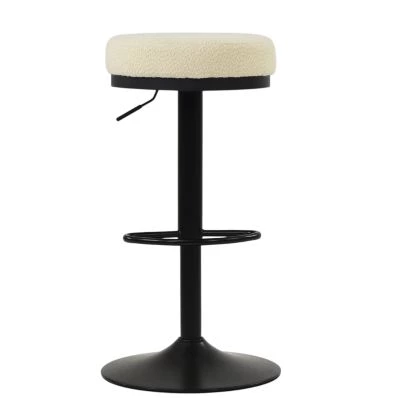
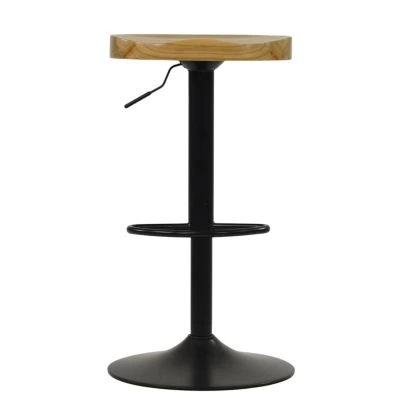
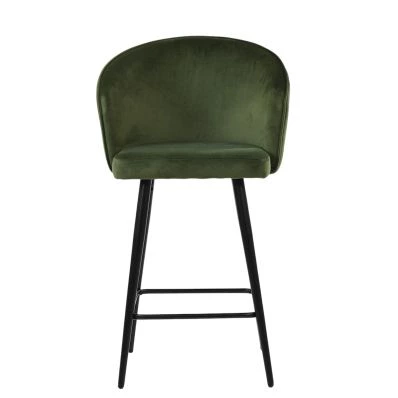
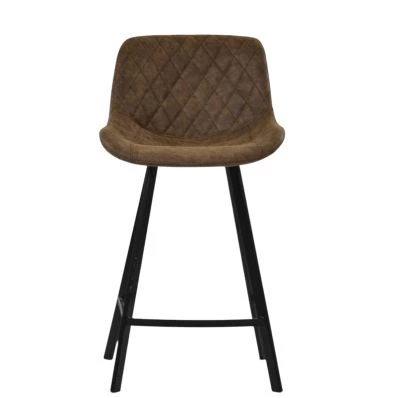
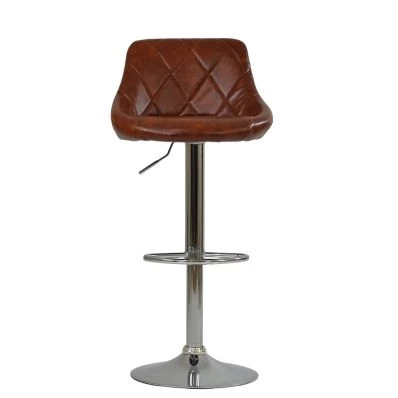
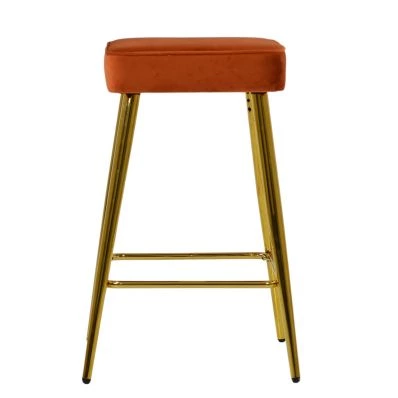
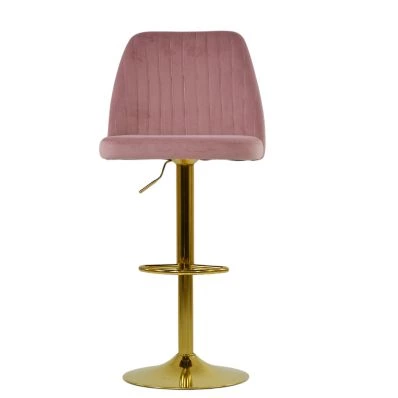
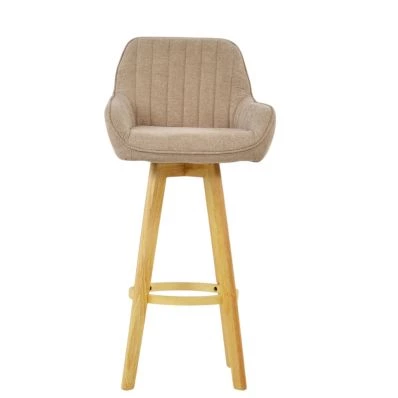
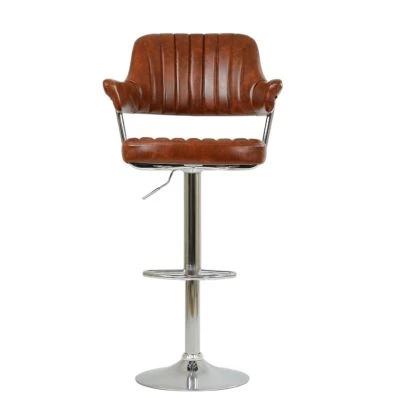
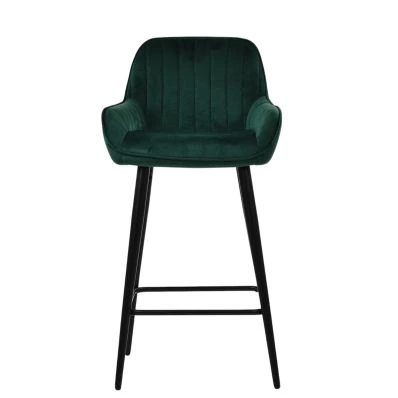
Different seating styles suit different layouts and comfort expectations. Buyers comparing options can browse Lakeland's full bar stools collection to compare height ranges, upholstery types, swivel functionality, and seat formats.
Useful categories often include:
Frequently Asked Questions
What is the most comfortable type of bar stool?
Supportive high-back or mid-back stools with padded seats and properly positioned footrests are usually the most comfortable for longer sitting periods. Comfort also depends on correct seat height and enough legroom beneath the counter.
What height should a comfortable bar stool be?
For most UK kitchen counters, a 60–66cm seat height is correct. Taller commercial-style bars usually require 70–76cm seats. Always leave 25–30cm between the seat and the underside of the counter for comfortable leg clearance.
Are swivel bar stools more comfortable?
Swivel stools are often more comfortable in tighter spaces because they allow easier movement without dragging the stool backwards. They also reduce strain when getting on and off the seat around kitchen islands.
Are bar stools with backs more comfortable?
Yes. Back support generally improves comfort during longer sitting periods. Backless stools work well for short-duration seating and compact spaces, but supportive backs reduce fatigue and improve posture.
What material is most practical for everyday bar stools?
Faux leather is one of the most practical materials for daily family use because it combines cushioning with easy cleaning. Fabric and velvet can feel softer but are generally more difficult to maintain in busy kitchens.
Summary: The Main Comfort Rules To Follow
- Measure to the underside of the counter, not the worktop surface
- Leave 25–30cm clearance between seat and counter underside
- Counter-height stools are usually 60–66cm
- Bar-height stools are usually 70–76cm
- Allow 60–75cm width per person
- Leave around 15cm between stools
- Supportive backs improve long-duration comfort
- Footrests matter more than most buyers expect
- Rounded seat edges reduce pressure underneath the legs
- Swivel stools improve movement in tighter spaces
Most comfort problems come from poor sizing, restricted legroom, or choosing a stool designed for occasional use instead of everyday seating. Focusing on fit, posture support, and spacing first usually leads to better long-term results than choosing based on appearance alone.
To compare seating styles, measurements, and upholstery options, browse the full Lakeland bar stools range.


Comments