
 Chat with us on WhatsApp

Is Sitting Cross-Legged at a Desk Bad for You? What Chairs Actually Help
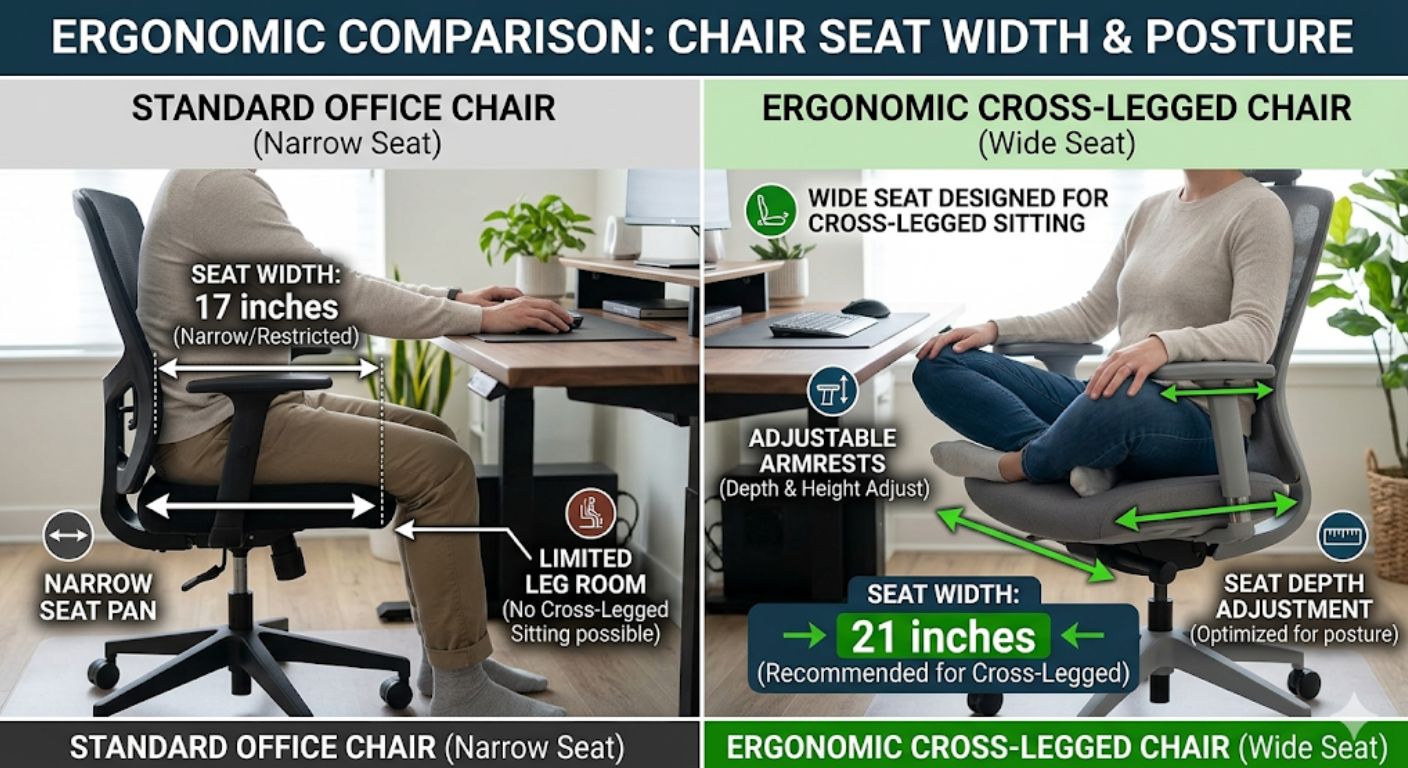
Sitting cross-legged at a desk is common, especially during long work sessions at home. Some people do it for comfort, some for focus, and others simply because standard office chairs do not match how they naturally sit. The posture itself is not automatically harmful, but problems usually start when the chair forces uneven pressure into the hips, knees, lower back, or ankles for long periods.
A poorly designed chair can also restrict circulation, compress nerves around the lower leg, and encourage awkward spinal positioning. The issue is usually the combination of prolonged sitting and unsupported posture rather than crossing your legs occasionally.
If you regularly work this way, chair design matters more than most people expect. Seat width, armrest movement, seat depth, and pressure distribution all affect whether cross-legged sitting feels sustainable or starts causing discomfort after a few hours.
For broader posture positioning and workstation setup guidance, see our Office Chair Posture Adjust Correctly guide.
Is Sitting Cross-Legged in a Desk Chair Actually Bad?
Not necessarily. Sitting cross-legged for short periods is usually fine for healthy adults, especially if you move position regularly. Problems tend to appear when the posture becomes static for hours at a time or when the chair does not support the position properly.
The main risks include:
- Pressure on the knees and hips
- Reduced circulation in the lower legs
- Pelvic tilt and uneven spinal loading
- Numbness or tingling around the feet
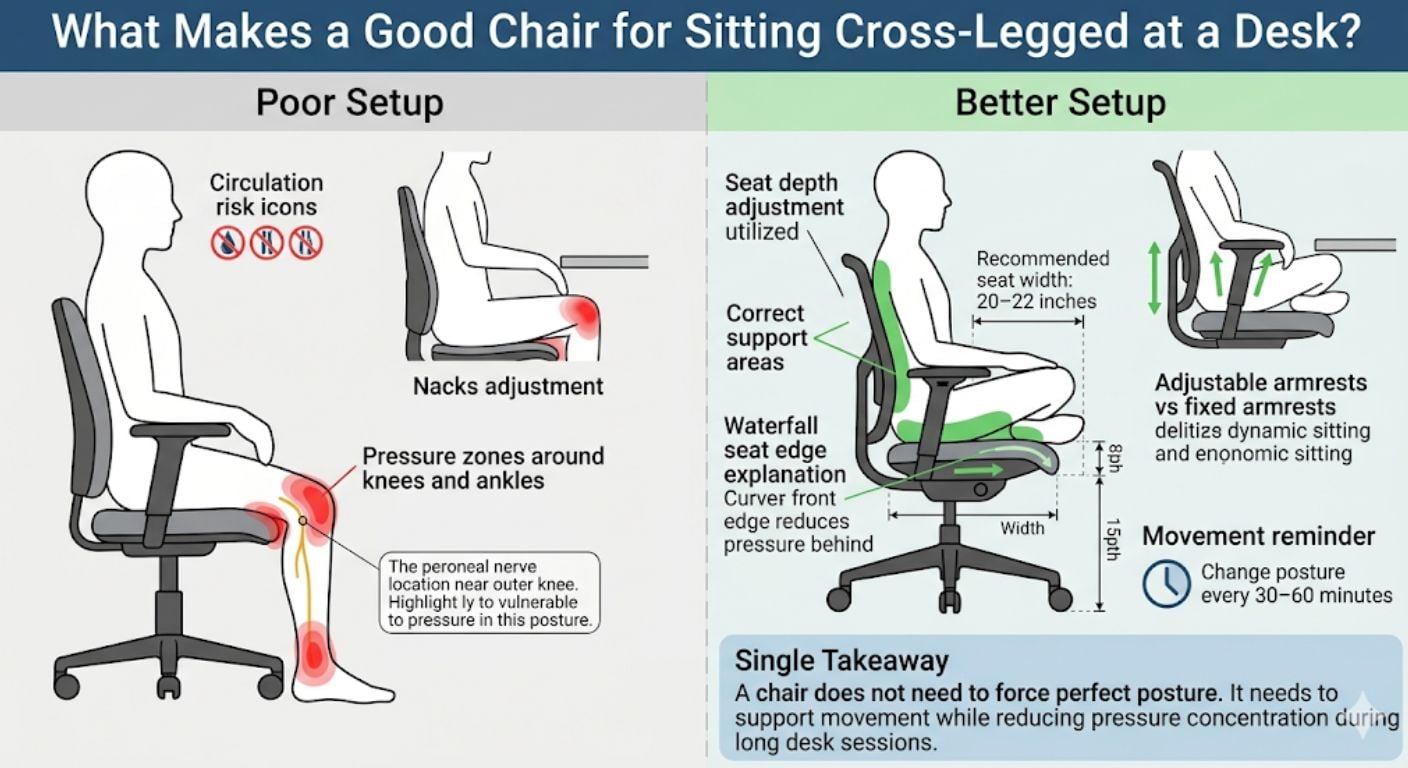
- Compression around the peroneal nerve near the knee
According to the NHS guidance on movement and sedentary behaviour, long periods of static sitting are linked to increased musculoskeletal discomfort regardless of posture. Cross-legged sitting simply changes where that pressure accumulates.
Alternating positions throughout the day matters more than trying to hold one “perfect” posture continuously.
Why Do People Naturally Sit Cross-Legged at a Desk?
For many people, it feels more stable and grounded than sitting with both feet flat for hours. This is especially common during focused desk work.
Some users also find it helps with:
- Restlessness and fidgeting
- Concentration during long tasks
- Hip comfort compared to narrow seats
- Feeling less rigid during work
Cross-legged sitting is also common among neurodivergent users, particularly people with ADHD or sensory-processing preferences. The posture can create light body compression and stability that helps reduce movement distraction.
That does not mean every chair works for it though. Traditional office chairs are usually designed around a forward-facing seated posture with feet on the floor.
Why Standard Office Chairs Often Fail Cross-Legged Sitters
Most office chairs are too narrow in the seat pan and too restrictive around the armrests.
Common problems include:
| Problem | What Happens |
|---|---|
| Narrow seat base | Knees hang over the edge |
| Fixed armrests | Legs cannot reposition naturally |
| Thin seat padding | Pressure builds around ankles and hips |
| Aggressive side bolsters | Legs are forced inward |
| Short seat depth adjustment | Calves press against the seat edge |
One thing we hear from our customers regularly is that many chairs look wide enough in product photos but feel restrictive once someone actually tries sitting cross-legged for a full working day.
This becomes even more noticeable for taller users or anyone who naturally shifts position frequently while working.
What Features Actually Help in a Cross-Legged Office Chair?
1. Wider Seat Dimensions
A wider seat is the single biggest factor.
For most adults, a seat width of around 20–22 inches gives enough usable space for occasional cross-legged sitting without excessive knee overhang.
A narrow chair forces pressure into the outer thighs and hips very quickly.
Look for:
- Flat seat cushions
- Minimal side bolstering
- Even pressure distribution
- Stable base design
If you are taller or broader framed, wider seats matter even more because crossed knees naturally sit higher and further outward.
Explore options designed for this posture in our cross-legged office chair collection.
2. Adjustable Armrests
Many buyers assume they need a fully armless chair. In reality, adjustable armrests are usually more practical.
Good armrests should:
- Lower fully out of the way
- Pivot outward if needed
- Slide horizontally
- Still support shoulders during standard sitting
Removing arm support entirely can create upper-body fatigue during typing sessions.
4D armrests are particularly useful because they adapt to both conventional and cross-legged sitting positions.
3. Seat Depth Adjustment
Seat depth matters more than many people realise.
If the seat pan is too deep, the front edge presses into the calves or ankles when sitting cross-legged. If it is too shallow, thigh support disappears completely.
How to adjust office chair seat depth for criss cross sitting
Adjust the seat so there is less pressure behind the knees while still supporting most of the thigh.
A practical setup usually looks like this:
- Slide the seat pan slightly backward
- Sit cross-legged naturally
- Check whether the front edge digs into the legs
- Reduce depth until pressure eases
- Keep the lower back supported against the backrest
This allows better circulation and reduces the “pins and needles” feeling many people experience after long sessions.
For related ergonomic adjustments, see How to Set Up Your Desk Chair: Height, Armrests & Screen Position.
Can Sitting Cross-Legged Affect Circulation?
Yes, particularly if the position is held for long periods without movement.
Crossing the legs can temporarily reduce blood flow around parts of the lower leg, especially when pressure builds behind the knee or around the ankle.
Common signs include:
- Tingling feet
- Numbness
- Warm pressure around the knee
- “Foot falling asleep”
Most cases are temporary and improve once position changes. However, repeated compression around the outer knee area can irritate the peroneal nerve.
Peroneal nerve compression symptoms from sitting cross-legged
The peroneal nerve runs near the outer knee and can become compressed during prolonged leg crossing.
Symptoms may include:
- Tingling in the foot
- Temporary weakness lifting the foot upward
- Numbness around the shin
- Sharp discomfort near the knee
If symptoms happen regularly, changing posture frequency matters more than simply buying a softer chair.
What Makes a Better Chair for ADHD or Restless Sitters?
People who shift position constantly usually benefit from chairs that allow movement rather than forcing rigid posture.
Useful features include:
- Wide seat bases
- Flexible recline movement
- Dynamic lumbar movement
- Stable swivel bases
- Adjustable arm positioning
The goal is not locking the body into one position. It is allowing movement without losing support.
Some users also prefer slightly softer seat cushioning because it reduces ankle pressure when sitting cross-legged repeatedly throughout the day.
If long-session comfort is also a concern, the guide on adjusting an office chair for maximum comfort covers additional setup factors.
When Cross-Legged Sitting Makes Sense — And When It Does Not
It usually works well for:
- Short-to-medium desk sessions
- Users who shift posture regularly
- Wider ergonomic chairs
- Flexible home-working setups
- People who naturally fidget while concentrating
It is less suitable for:
- Static sitting for 6–8 hours continuously
- Very narrow office chairs
- Existing knee or hip pain
- Severe circulation issues
- Chairs with fixed armrests and bucket-style seats
If discomfort appears quickly, the chair is usually the first issue to examine before assuming the posture itself is the problem.
Frequently Asked Questions
Is it OK to sit cross-legged all day?
No. Sitting cross-legged occasionally is usually fine, but holding the position all day increases pressure around the hips, knees, lower back, and lower legs. Changing posture regularly is more important than maintaining any single sitting position continuously.
How wide should an office chair be for sitting cross-legged?
Most adults need a seat width of at least 20–22 inches for comfortable cross-legged sitting. Narrower chairs often create pressure around the knees and hips, especially during longer work sessions.
Do I need an armless office chair to sit cross-legged?
Not always. Adjustable armrests are usually more useful than removing them completely. Armrests that lower, pivot, or slide outward give more flexibility while still supporting the shoulders during normal desk work.
Can sitting cross-legged cause nerve problems?
It can temporarily compress the peroneal nerve near the outer knee if the position is held too long. Symptoms may include tingling, numbness, or weakness lifting the foot. Changing posture regularly usually reduces the risk significantly.
Are cross-legged office chairs good for tall people?
They can be, provided the chair has enough seat width, depth adjustment, and a stable base. Taller users often need more usable seat space than standard office chairs provide.
-
-
-
-
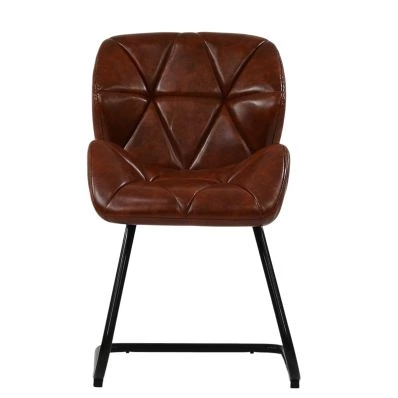
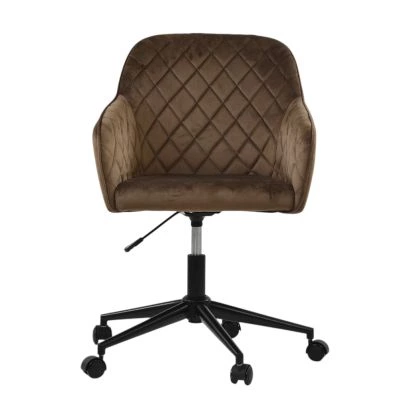
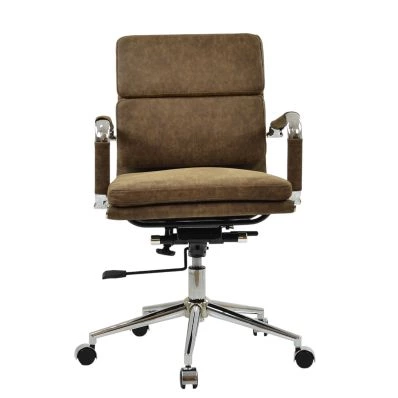 Chester Office Chair in Aged Brown LeatherSpecial Price £119.99 Regular Price £179.99 Original price 33% Inc VATSaving £60
 -
-
-
-
-
-
-
-

Final Thoughts
Sitting cross-legged at a desk is not automatically bad for you, but the wrong chair can make it uncomfortable surprisingly quickly. The main goal is reducing pressure concentration while allowing movement throughout the day.
A wider seat, adjustable armrests, supportive cushioning, and proper seat depth make a significant difference if you naturally sit this way while working.
For a broader understanding of ergonomic sitting posture, workstation positioning, and desk setup, visit the Office Chair Posture Adjust Correctly pillar guide. If you already know this is your preferred sitting style, the cross-legged office chair range is the most relevant category to compare.


Comments