
 Chat with us on WhatsApp

Kitchen Island Ideas: Design, Style and Layout Tips
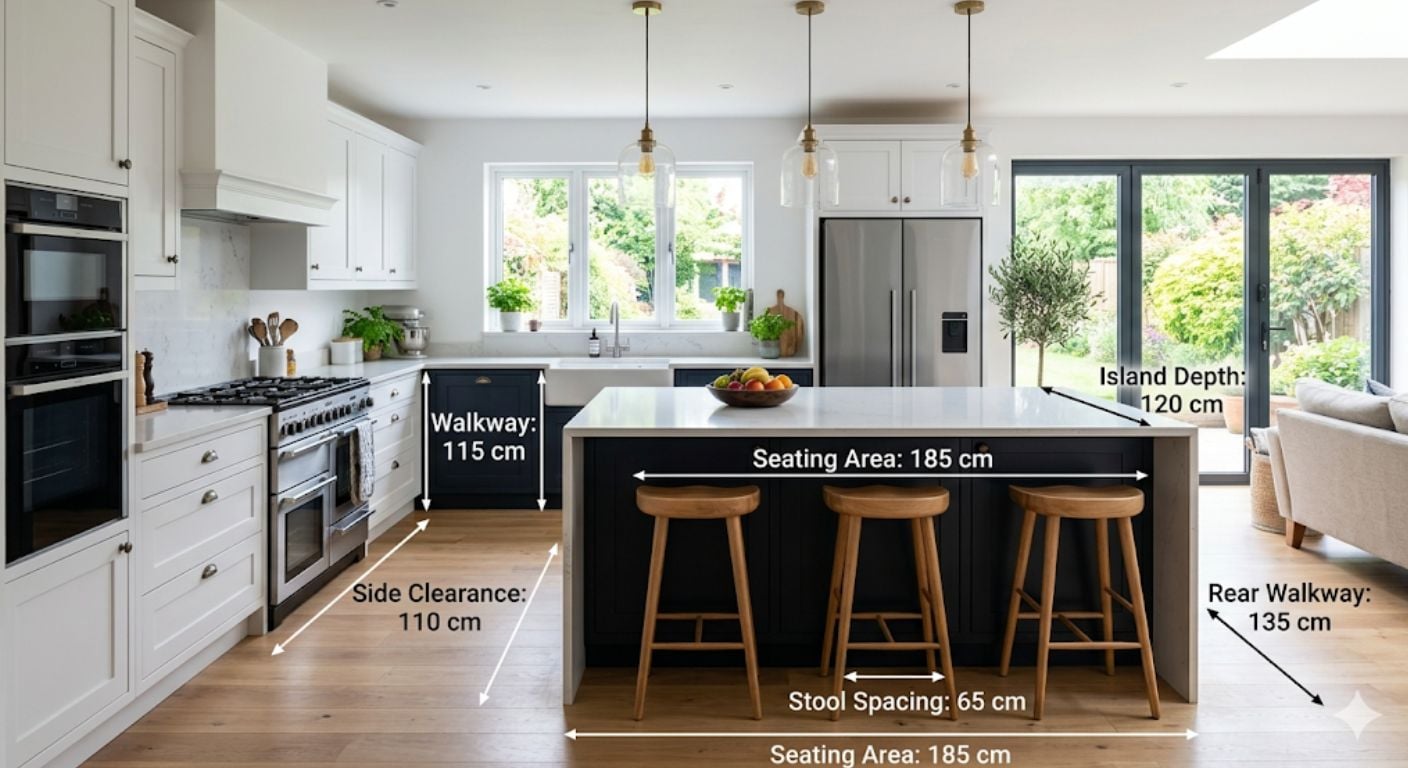
Kitchen islands now sit at the centre of many modern kitchen layouts. They add preparation space, storage, seating, and circulation structure in one unit. The challenge is that many islands look functional on paper but create problems once installed. Poor spacing restricts movement, seating layouts feel cramped, and oversized islands can dominate the room instead of improving it.
This guide explains how to plan a kitchen island properly. It covers sizing rules, walkway clearances, seating layouts, storage planning, lighting, materials, and layout choices for both large and compact kitchens. It also explains when a peninsula or freestanding island may work better than a fully built-in design.
The focus here is practical decision-making rather than trends. If you are planning a new kitchen or redesigning an existing one, the right island layout should improve workflow, seating usability, and day-to-day movement without creating avoidable compromises.
What Makes a Kitchen Island Work Well?
A successful kitchen island improves movement, storage, and usability without making the kitchen feel obstructed. The most effective layouts balance three things:
- Clearance around the island
- Functional workspace
- Practical seating integration
Most kitchen island problems come from proportion mistakes rather than styling decisions. Islands that are too large often reduce walkway space, while islands that are too small can look disconnected from the rest of the kitchen.
The island should feel integrated into the room rather than positioned as a separate furniture piece without purpose.
How Much Space Should You Leave Around a Kitchen Island?
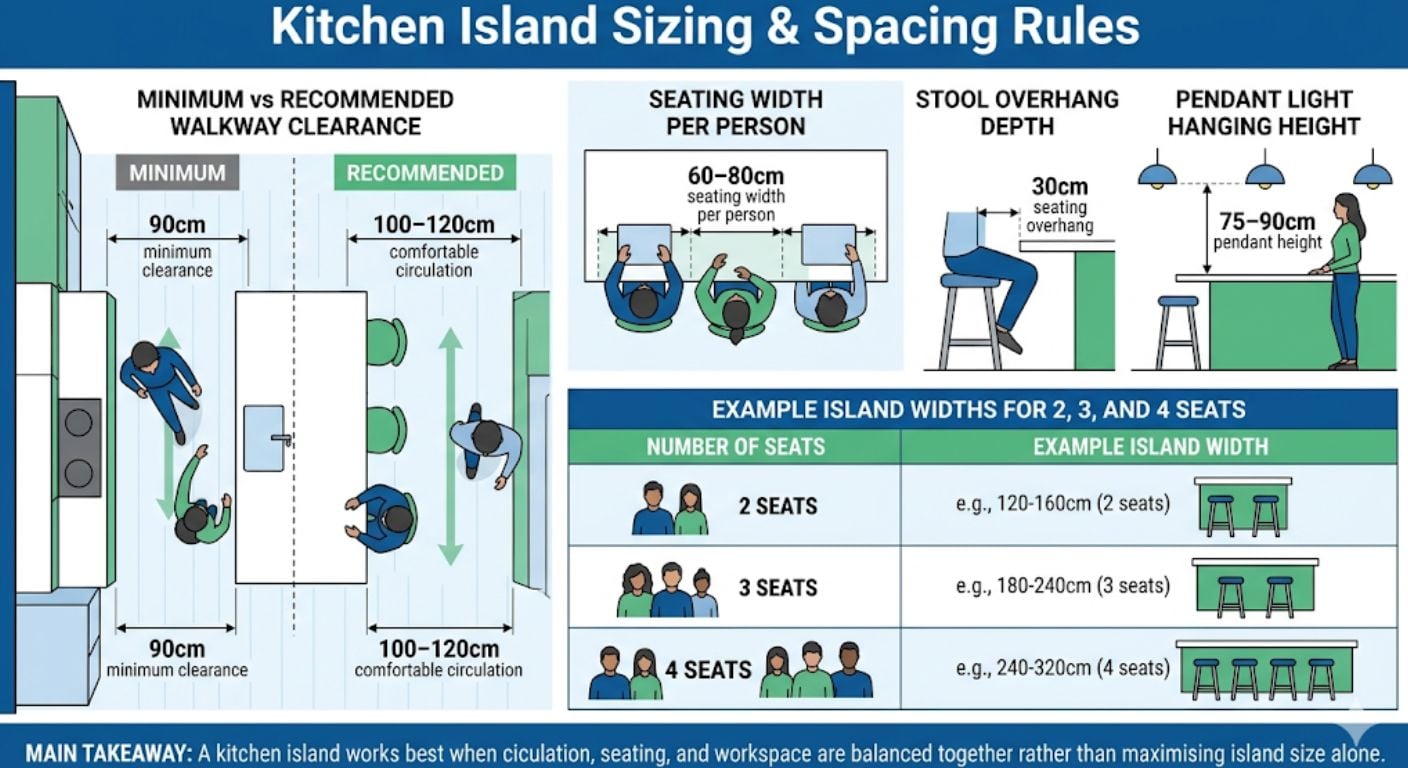
You should normally leave at least 90cm of clearance around all sides of a kitchen island. In kitchens with drawers, seating, or multiple users moving at once, 100–120cm is usually more practical. This allows cabinet doors, dishwashers, and seating areas to function without restricting movement.
Recommended Kitchen Island Clearance Rules
| Area Type | Recommended Clearance |
|---|---|
| Minimum walkway | 90cm |
| Comfortable circulation | 100–120cm |
| Behind seated stools | 110–120cm |
| Opposite appliance doors | 120cm preferred |
These measurements matter more than overall island size. A smaller island with proper circulation usually works better than a large island that restricts movement.
One issue we regularly see with our customers is that people often prioritise maximum seating capacity before checking walkway clearance properly. The kitchen can feel spacious during planning but much tighter once stools are added.
For guidance on seating layouts and spacing between stools, see Lakeland’s guide to kitchen island stool spacing and sizing.
Kitchen Island Layout Types
Different kitchen layouts support different island configurations. The shape of the room matters more than the size alone.
Single Island Layout
This is the most common arrangement. The island sits centrally with circulation on all sides.
Best suited for:
- Open-plan kitchens
- Large L-shaped kitchens
- U-shaped kitchen layouts
- Combined kitchen-dining spaces
Advantages:
- Strong circulation flow
- Flexible seating layouts
- Clear zoning between prep and dining
Potential issue:
- Requires sufficient surrounding clearance
Peninsula Layout
A peninsula connects directly to existing cabinetry instead of standing independently.
Best suited for:
- Narrow kitchens
- Smaller homes
- Kitchens without enough island clearance
Advantages:
- Better use of limited space
- Lower installation complexity
- Improved storage continuity
Potential issue:
- Less accessible from multiple sides
Double Island Layout
Double islands separate preparation and social functions into two zones.
Best suited for:
- Very large kitchens
- Open-plan luxury layouts
- Homes with heavy entertaining use
Advantages:
- High storage capacity
- Distinct workflow separation
- Large seating potential
Potential issue:
- Requires substantial floor area
Freestanding Islands
Freestanding islands function more like furniture pieces rather than fitted cabinetry.
Best suited for:
- Flexible layouts
- Smaller kitchens
- Transitional renovations
Advantages:
- Easier future layout changes
- Reduced installation costs
- Lighter visual appearance
Potential issue:
- Usually less integrated storage
Built-In Island vs Freestanding Kitchen Island
Built-in islands offer greater storage, integrated appliances, and a more seamless kitchen appearance. Freestanding islands provide more flexibility and can work better in smaller kitchens where permanence may become limiting later.
| Feature | Built-In Island | Freestanding Island |
|---|---|---|
| Storage capacity | High | Moderate |
| Appliance integration | Yes | Limited |
| Future flexibility | Lower | Higher |
| Stability | Excellent | Good |
| Installation cost | Higher | Lower |
| Best for compact kitchens | Sometimes | Often |
Freestanding islands are becoming more common in compact kitchen renovations because they reduce visual heaviness while still adding preparation space.
Kitchen Island Seating Layouts
Kitchen islands increasingly function as casual dining areas rather than preparation zones alone. Seating layout therefore affects both comfort and circulation.
Recommended Width Per Person
| Number of Seats | Recommended Island Width |
|---|---|
| 2 seats | 120–160cm |
| 3 seats | 180–240cm |
| 4 seats | 240–320cm |
Each seated person normally requires:
- Around 60cm minimum width
- 70–80cm for more comfortable spacing
- Around 30cm worktop overhang for legroom
For detailed seat-height compatibility, Lakeland’s breakfast bar stool height guide explains the relationship between worktop height and seat height.
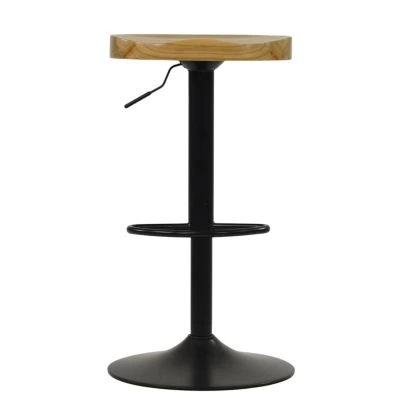
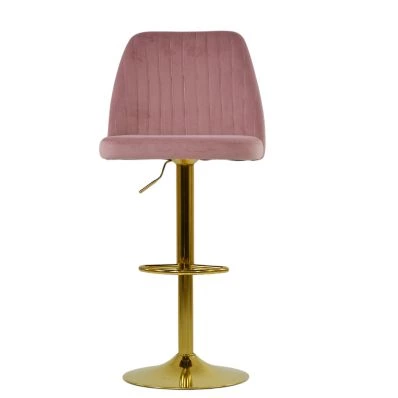
You can also browse Lakeland’s full range of bar stools for kitchen island seating options.
Kitchen Island Seating Configurations
Straight-Line Seating
All stools positioned on one side.
Best for:
- Narrow kitchens
- Smaller islands
- Minimal circulation disruption
L-Shaped Seating
Seating wraps around one corner.
Best for:
- Social layouts
- Family kitchens
- Larger islands
Three-Side Seating
Used in larger open-plan kitchens where the island acts as a central gathering area.
Best for:
- Entertaining
- Multi-user kitchens
- Open-plan layouts
Potential issue:
- Requires generous circulation space
Choosing the Right Worktop Material
Kitchen islands typically experience heavier use than perimeter worktops. Material durability matters, particularly around sinks, hobs, and seating areas.
Quartz
Quartz remains one of the most practical choices for kitchen islands.
Advantages:
- Durable surface
- Low maintenance
- Consistent appearance
- Resistant to staining
Best for:
- Busy family kitchens
- Integrated sinks
- High-use islands
Porcelain
Porcelain surfaces are increasingly used in modern island designs.
Advantages:
- Heat resistant
- Scratch resistant
- Slim-profile appearance
Best for:
- Contemporary kitchens
- Waterfall-edge islands
- Integrated cooking zones
Granite
Granite remains popular where natural stone variation is preferred.
Advantages:
- Strong durability
- Natural appearance
- High heat resistance
Potential issue:
- Requires periodic sealing
Wood
Wood softens modern kitchen layouts visually.
Advantages:
- Warm appearance
- Traditional character
- Furniture-style finish
Potential issue:
- Higher maintenance requirement
According to the National Kitchen and Bath Association, circulation planning and surface durability remain two of the most important considerations in long-term kitchen usability.
Waterfall Edges and Statement Islands
Waterfall-edge worktops continue to appear in many modern island designs because they visually anchor the island within open-plan spaces.
They work particularly well with:
- Quartz
- Porcelain
- Marble-effect surfaces
However, they also:
- Increase material costs
- Reduce seating flexibility in some layouts
- Emphasise island scale visually
In smaller kitchens, simpler square-edge worktops often feel more balanced.
Kitchen Islands With Sinks or Hobs
Adding appliances to the island changes both functionality and planning requirements.
Island With Sink
Advantages:
- Better social interaction while preparing food
- Improved workflow positioning
Requirements:
- Plumbing access
- Splash management
- Waste integration
Island With Hob
Advantages:
- Cooking while facing the room
- Centralised prep and cooking zone
Requirements:
- Extraction planning
- Heat-resistant surfaces
- Power supply access
Downdraft extraction systems are increasingly used where ceiling extractors would interrupt sight lines.
Power and Electrical Planning
Many islands now include:
- Pop-up sockets
- USB charging
- Integrated power outlets
- Under-worktop lighting
Electrical planning should happen early in the kitchen design process. Retrofitting power after installation is considerably more disruptive.
Kitchen Island Lighting Rules
Pendant lights should normally hang around 75–90cm above the worktop surface. This usually creates balanced task lighting without obstructing sight lines across the kitchen.
General Pendant Lighting Guidelines
| Ceiling Height | Pendant Position |
|---|---|
| Standard ceilings | 75–90cm above surface |
| Higher ceilings | Slightly higher positioning |
| Large pendants | Increase spacing slightly |
Oversized pendants can dominate compact kitchens visually. In smaller spaces, multiple smaller fittings usually maintain better proportion.
Storage Planning Inside a Kitchen Island
Well-designed islands use internal storage strategically rather than simply adding generic cupboards.
Useful island storage features include:
- Pan drawers
- Hidden bins
- Wine storage
- Appliance garages
- Open shelving
- Narrow pull-out storage
Deep drawers are often more practical than lower cupboards because they improve accessibility.
Micro Kitchen Islands for Small Kitchens
Micro islands are increasingly used in compact kitchens where a full-sized island would compromise circulation.
These smaller solutions may include:
- Narrow butcher-block islands
- Mobile trolleys
- Slim prep stations
- Compact seating extensions
The goal is refinement rather than scale.
A compact island can still provide:
- Additional workspace
- Storage
- Casual seating
- Layout definition
If walkway clearance falls below 90cm consistently, a peninsula or freestanding solution usually works better.
Kitchen Island Colour and Finish Choices
Island finishes often differ slightly from perimeter cabinetry to help define the island visually.
Common combinations include:
- White kitchens with darker islands
- Timber islands with painted cabinetry
- Black islands with lighter worktops
- Navy islands paired with stone surfaces
For kitchens using darker seating tones, Lakeland’s guides to styling black bar stools and navy blue and grey kitchen layouts provide more detailed pairing guidance.
Kitchen Islands and Open-Plan Living
In open-plan homes, kitchen islands often sit between the kitchen, dining area, and living space, creating a central hub for everyday activities. As a result, island seating is no longer just a place to eat. It may be used for breakfast, home working, entertaining guests, or as an additional dining surface.
Because the island is often visible from adjacent dining areas, many homeowners choose coordinating seating throughout the space. Matching finishes, upholstery colours, or frame styles can help create a more consistent look between dining chairs and bar stools without making the room feel overly uniform.
In these layouts, circulation space behind seating becomes particularly important, as movement routes between the kitchen, dining area, and living room frequently overlap.
Decision Logic: Choosing the Right Kitchen Island Setup
If Your Kitchen Is Compact
Choose:
- Peninsula layouts
- Slim islands
- Freestanding islands
- Straight-line seating
Avoid:
- Oversized islands
- Deep seating overhangs
- Double-island layouts
If You Want Family Seating
Choose:
- Wider overhangs
- Durable worktops
- Easy-clean seating surfaces
- Larger circulation zones
Avoid:
- Tight stool spacing
- Delicate finishes near prep zones
If You Prioritise Storage
Choose:
- Deep drawer systems
- Full built-in islands
- Appliance integration
- Multi-side storage access
Avoid:
- Decorative-only islands with minimal internal capacity
If You Want Flexibility
Choose:
- Freestanding islands
- Mobile prep units
- Modular layouts
Avoid:
- Permanent oversized structures
If Your Island Includes Appliances
Choose:
- Quartz or porcelain surfaces
- Wider circulation gaps
- Early electrical planning
Avoid:
- Minimal clearance around active cooking zones
Frequently Asked Questions
How much space should you leave around a kitchen island?
Most kitchens require at least 90cm of clearance around the island. Where seating, appliance doors, or multiple users are involved, 100–120cm usually creates more practical circulation and reduces congestion during daily use.
How wide should a kitchen island be per person?
Allow roughly 60cm minimum width per seated person. For more comfortable seating, especially during longer use, 70–80cm per person generally works better.
Are kitchen islands suitable for small kitchens?
Yes, but proportion matters. Smaller kitchens often work better with compact islands, peninsulas, or freestanding units rather than oversized built-in islands that reduce movement space.
What is the best worktop material for a kitchen island?
Quartz and porcelain are usually the most practical all-round choices because they combine durability, stain resistance, and low maintenance. Granite also performs well where a natural stone appearance is preferred.
How high should pendant lights hang above a kitchen island?
Pendant lights normally sit around 75–90cm above the worktop surface. Higher ceilings or oversized fittings may require slightly more spacing to maintain visual balance.
Should kitchen islands include seating?
Seating works well where the island functions as a social or dining space. However, seating should not compromise circulation. In tighter kitchens, preparation space may be more valuable than additional stools.
Structured Summary
Core Measurement Rules
- Minimum island clearance: 90cm
- Comfortable circulation: 100–120cm
- Recommended overhang for seating: around 30cm
- Seating width per person: 60–80cm
- Pendant light height: 75–90cm above worktop
Common Kitchen Island Mistakes
- Oversizing the island
- Reducing circulation space
- Adding too many stools
- Ignoring appliance door clearance
- Prioritising appearance over workflow
Decision Shortcuts
- Small kitchen → peninsula or compact island
- Family seating → wider circulation gaps
- Appliance integration → quartz or porcelain surfaces
- Flexible layouts → freestanding islands
- Open-plan kitchens → prioritise circulation behind seating
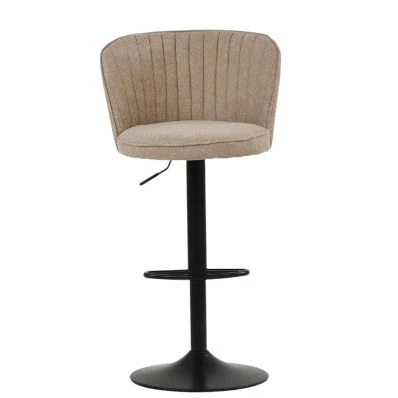
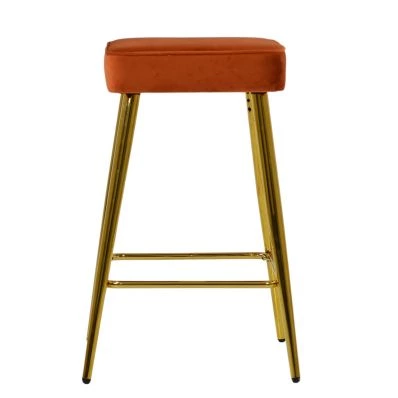
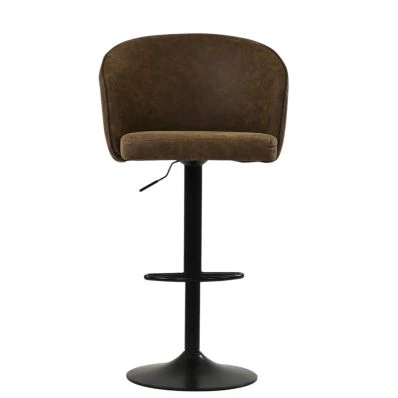
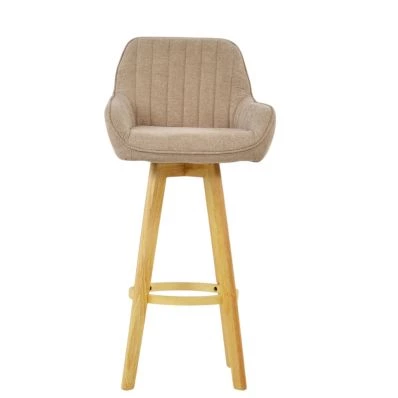
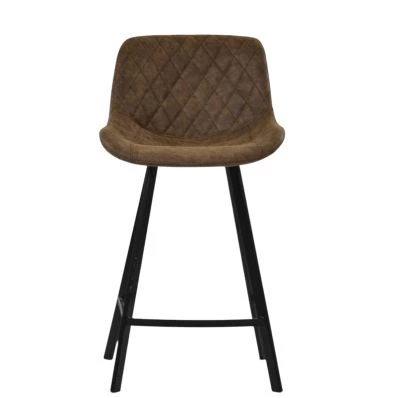
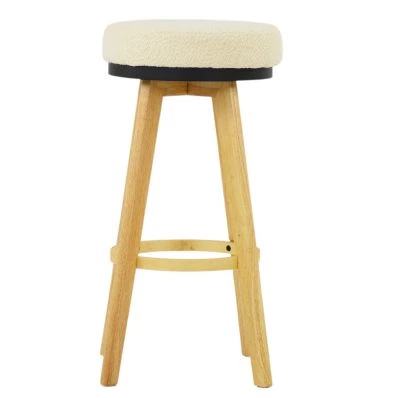
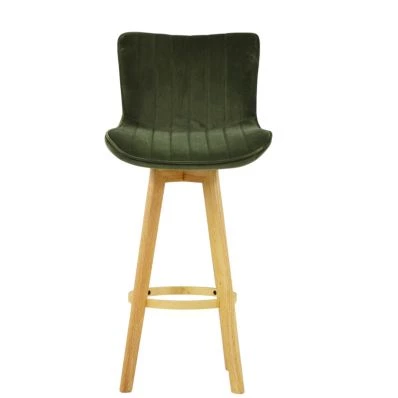
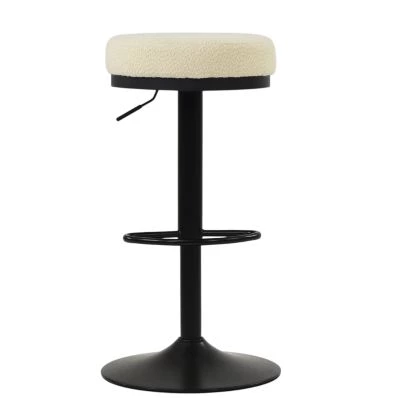
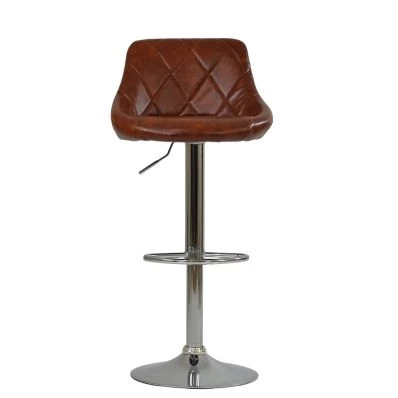
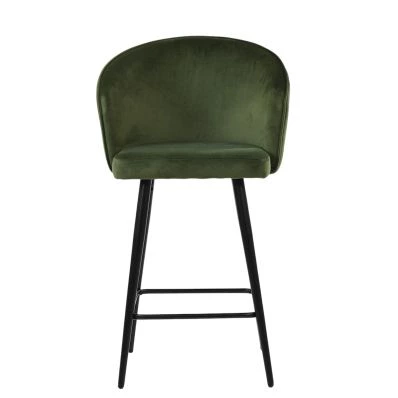
Most kitchen islands use counter-height seating between 65–70cm seat height. Lakeland’s range of kitchen bar stools includes fixed and adjustable options designed for island seating layouts.


Comments