
 Chat with us on WhatsApp

Leather Dining Chairs: Real vs Faux, How to Clean & Whether They Are Worth It
Leather dining chairs are popular because they combine a cleaner-lined look with practical day-to-day maintenance. For many buyers, the decision comes down to three questions: should you choose real or faux leather, how much maintenance is involved, and whether the higher cost of genuine leather is justified long term.
The answer depends less on appearance and more on how the chairs will be used. Daily family dining, pets, direct sunlight, and cleaning habits all affect which material performs better over time. Real leather generally lasts longer and develops character with age, while modern faux leather is lower maintenance and often better suited to busy kitchens and dining spaces.
What Is the Difference Between Real and Faux Leather?
Real leather is made from animal hide, while faux leather is a synthetic material designed to imitate the appearance and texture of leather. The biggest differences are lifespan, ageing behaviour, maintenance requirements, and price.
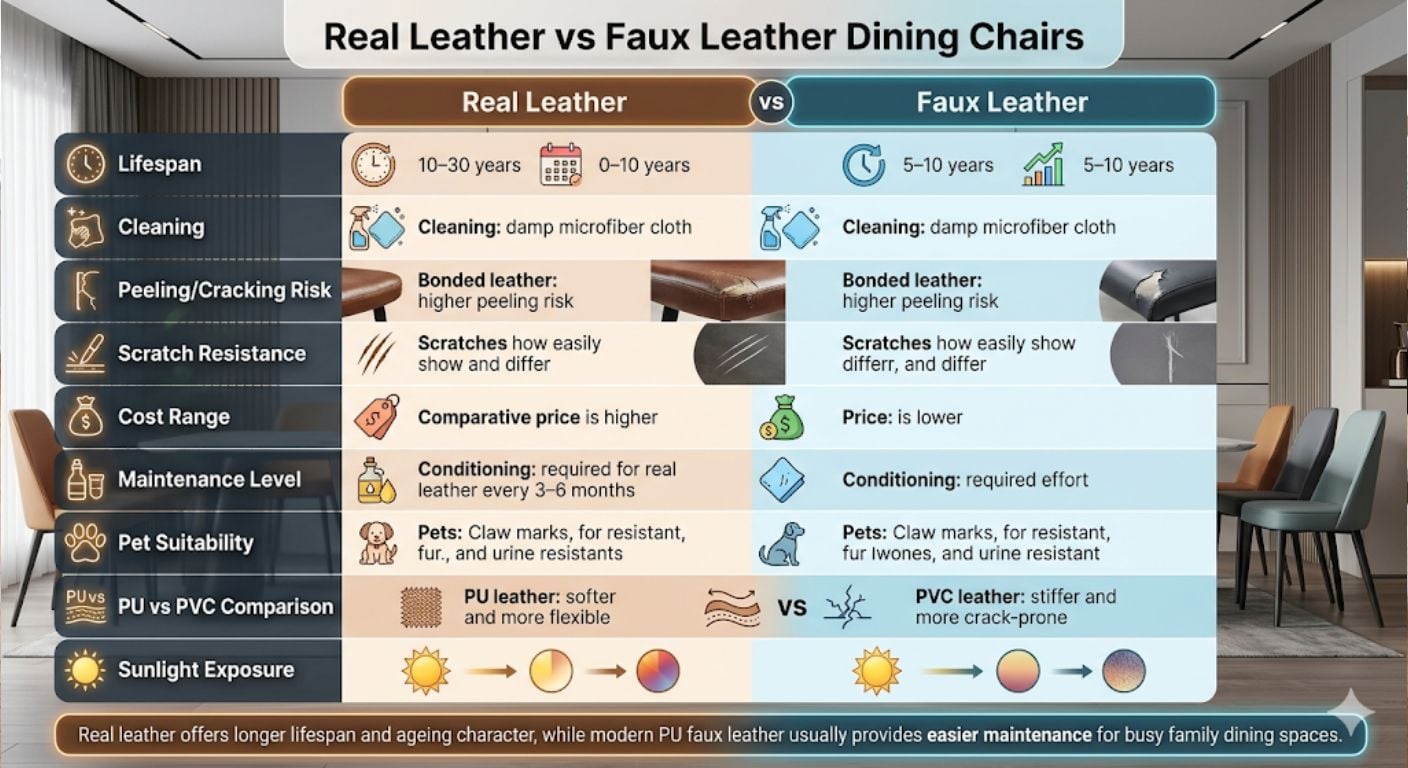
| Feature | Real Leather | Faux Leather |
|---|---|---|
| Material | Natural hide | Synthetic PU or PVC coating |
| Typical lifespan | 10–30 years | 5–10 years |
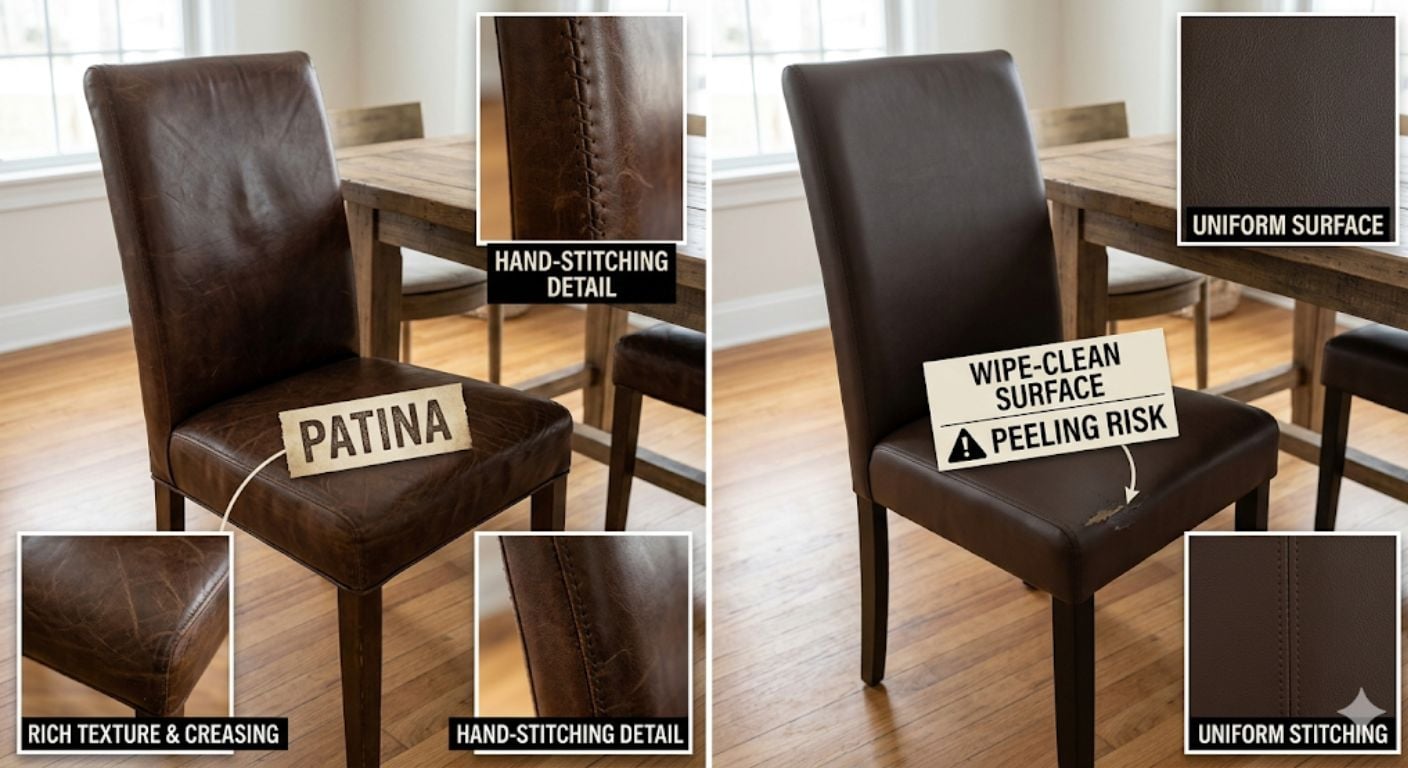
| Ageing | Develops patina | May peel or crack over time |
| Cleaning | Requires conditioning | Usually wipe-clean |
| Cost | Higher | Lower |
| Scratch resistance | Can mark easily | Depends on coating quality |
| Sunlight resistance | Can fade or dry out | Can harden and peel |
Most dining chairs marketed as “leather look” are actually PU faux leather rather than genuine leather. PU leather is generally softer and more flexible than older PVC-based materials, which can feel stiffer and more plastic-like.
Understanding Leather Grades
Not all real leather performs the same way. The grade used on dining chairs has a major impact on durability and long-term appearance.
Full-Grain Leather
Full-grain leather is the highest quality grade. It keeps the natural surface layer of the hide intact, which makes it extremely durable and allows it to develop a natural patina over time.
It is usually found on higher-end furniture and tends to age better than lower grades.
Top-Grain Leather
Top-grain leather has the outer surface lightly sanded and refinished for a smoother appearance. It is still durable but slightly less hard-wearing than full-grain leather.
This is one of the more common grades used in mid-market dining furniture.
Genuine Leather
“Genuine leather” sounds premium, but the term only confirms that the material contains real leather. It does not automatically indicate high quality.
Durability depends heavily on how the leather was processed and finished.
Bonded Leather
Bonded leather is made by shredding leather scraps and combining them with synthetic materials and polyurethane coatings. It usually contains only around 10–20% actual leather fibre.
Bonded leather is one of the most common causes of peeling complaints in furniture. It can look convincing initially, but it generally does not age well under heavy daily use.
PU vs PVC Faux Leather Dining Chairs
PU and PVC are both synthetic materials, but they behave differently in real homes.
PU Leather
PU leather is softer, more flexible, and usually more breathable. It tends to look closer to genuine leather and is the better option for most dining chairs.
Higher-quality PU upholstery can last many years if cleaned correctly and kept away from prolonged direct heat.
PVC Leather
PVC leather is more rigid and often cheaper to manufacture. It can resist spills well initially, but lower-grade PVC is more prone to cracking over time.
For most dining spaces, PU is usually the stronger practical choice.
Are Leather Dining Chairs Worth It?
Leather dining chairs are usually worth it when maintenance simplicity matters more than soft fabric comfort.
They work particularly well in:
- Busy family kitchens
- Open-plan dining spaces
- Homes where spills are common
- Dining areas used daily
- Modern or industrial interiors
The main practical advantage is cleaning speed. Most spills can be wiped away immediately before they stain.
That said, genuine leather is not automatically the best choice for every household. Homes with cats, sharp pet claws, or strong direct sunlight often see surface damage more quickly than expected.
One thing we regularly hear from our customers is that faux leather often works better than expected in busy family kitchens because people are less worried about everyday marks, spills, and general wear.
How to Clean Faux Leather Dining Chairs
Faux leather is generally straightforward to maintain if cleaned gently and consistently.
Step 1: Remove Dust and Loose Debris
Use a dry microfiber cloth weekly to remove dust and crumbs from seams and stitching.
Avoid stiff brushes or abrasive pads.
Step 2: Wipe With Mild Soapy Water
Use warm water with a small amount of mild soap on a soft cloth.
Wipe the surface gently without soaking the material.
Step 3: Dry Thoroughly
Dry the chair fully with a clean cloth after wiping.
Leaving water sitting on faux leather can eventually affect the protective surface coating.
Avoid:
- Bleach
- Alcohol cleaners
- Harsh antibacterial sprays
- Abrasive kitchen products
- Excessive water
How to Clean Real Leather Dining Chairs
Real leather needs occasional conditioning to prevent drying and cracking.
Basic maintenance usually includes:
- Weekly dusting
- Immediate spill removal
- Occasional damp cloth cleaning
- Leather conditioner every 3–6 months
Always test cleaners on a hidden area first.
Natural leather absorbs oils and moisture differently depending on finish type, so overly aggressive cleaning can permanently change the surface colour.
How to Stop Faux Leather From Peeling
Peeling is usually caused by surface coating breakdown rather than dirt itself.
To reduce the risk:
- Keep chairs away from direct sunlight
- Avoid placing near radiators
- Clean using mild products only
- Do not oversaturate with water
- Wipe spills quickly
- Avoid scratching the surface with rough clothing or metal objects
Low-quality bonded leather and thin PVC coatings are the most common materials associated with flaking and delamination after several years of use.
Can You Repair Scratches in Faux Leather?
Minor scratches can sometimes be improved using colour-matched repair kits or flexible filler compounds designed for synthetic upholstery.
Small surface marks are usually manageable, but deeper tears or peeling sections are difficult to repair invisibly. Once the surface coating starts separating from the backing material, replacement is often more practical than restoration.
Are Leather Dining Chairs Good for Homes With Pets?
Leather dining chairs can work in homes with pets, but the material choice matters.
Genuine leather can scratch surprisingly easily from cat claws. While some marks blend into the leather over time, others remain visible permanently.
Higher-quality faux leather is often the safer option for homes with:
- Cats
- Large dogs
- Young children
- Heavy daily use
Performance fabrics can also be worth considering if scratch resistance matters more than wipe-clean convenience.
When Real Leather Makes Sense
Real leather dining chairs are usually the better investment when:
- You want long-term durability
- You prefer natural materials
- You value ageing character and patina
- The chairs will be kept for many years
- The room has stable temperature conditions
Higher-grade leather often looks better after years of use rather than worse.
When Faux Leather Makes More Sense
Faux leather is often the more practical choice when:
- You want lower upfront cost
- Cleaning simplicity matters
- The chairs will see heavy family use
- You prefer vegan or animal-free materials
- You want a cleaner, more uniform finish
For many households, modern PU leather offers the best balance between maintenance, appearance, and affordability.
You can also browse Lakeland’s full range of leather dining chairs to compare different finishes, colours, and frame styles.
FAQ
Is bonded leather real leather?
Bonded leather contains some real leather fibre, but it is not considered full natural leather. It is made by combining shredded leather scraps with synthetic materials and polyurethane coatings. Most bonded leather contains around 10–20% actual leather content and generally has a shorter lifespan than full-grain or top-grain leather.
How long do faux leather dining chairs last?
Modern faux leather dining chairs typically last between 5 and 10 years depending on quality, usage, and cleaning habits. Higher-quality PU materials usually last longer than cheaper PVC or bonded leather surfaces, particularly when protected from direct sunlight and harsh cleaning products.
Does faux leather look cheap?
Lower-quality faux leather can look overly shiny or plastic-like, but modern PU faux leather often looks far more convincing than older synthetic materials. Stitching quality, padding density, and frame construction usually affect perceived quality just as much as the upholstery itself.
Are leather dining chairs cold in winter?
Leather can initially feel cooler than fabric upholstery during colder months. Real leather also responds more noticeably to room temperature changes. Faux leather tends to feel slightly more insulated because of its synthetic backing and coatings.
Can faux leather be repaired if it peels?
Small damaged areas can sometimes be patched temporarily using repair kits, but widespread peeling is difficult to fix properly. Once the protective coating begins separating from the material underneath, replacement is often the more reliable long-term solution.
Final Thoughts
Leather dining chairs remain popular because they solve a practical problem: they are generally easier to clean and maintain than many fabric alternatives. The right choice depends less on appearance and more on how the chairs will actually be used.
Real leather usually lasts longer and develops more character over time, while faux leather offers lower maintenance and lower upfront cost for busy homes.
-
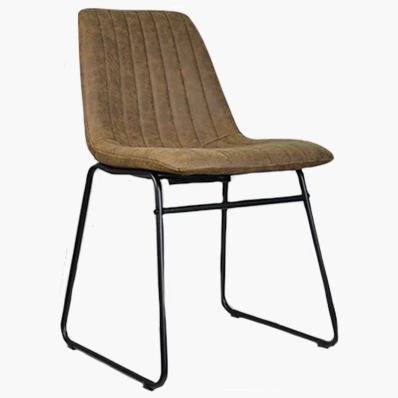 Plato Dining Chair in Aged Brown LeatherSpecial Price £59.99 Regular Price £89.99 Original price 33% Inc VATSaving £30
 -
-
-
-
-
-
-
-
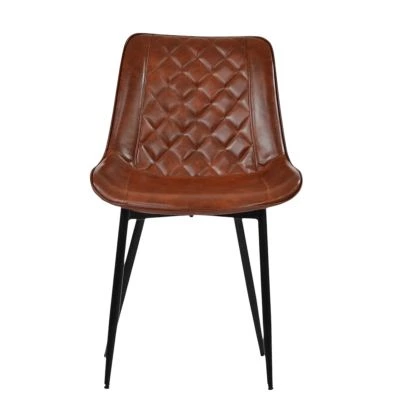 Hogan Dining Chair in Vintage Brown LeatherSpecial Price £44.99 Regular Price £69.99 Original price 36% Inc VATSaving £25Out of stock
 -
-
-


Comments