
 Chat with us on WhatsApp

Leather Office Chairs: Comfort, Breathability & Maintenance
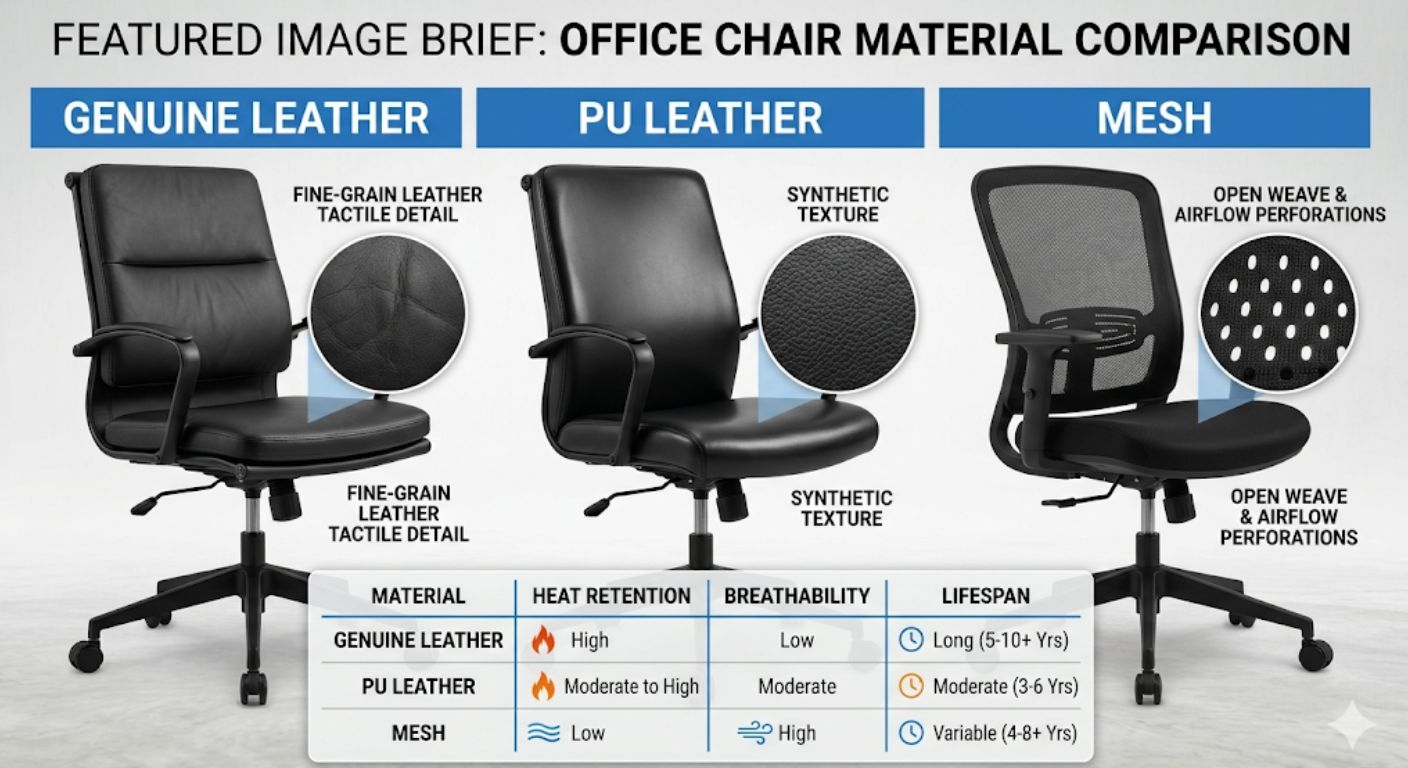
Leather office chairs remain popular because they combine structured support, easy surface cleaning, and a more substantial feel than many fabric alternatives. The material itself is only part of the equation, though. Comfort depends just as much on seat foam, airflow, and chair design as it does on the upholstery covering the frame.
One reason leather office chairs divide opinion is that buyers often group genuine leather, bonded leather, and PU leather together as if they behave the same way. They do not. Breathability, lifespan, maintenance requirements, and resistance to peeling vary significantly between materials.
For broader leather care guidance, see our Ultimate Guide to Cleaning Leather Chairs.
What Affects Comfort in a Leather Office Chair?
The comfort of a leather office chair is influenced by four main factors:
- Upholstery material
- Foam density
- Airflow around the body
- Chair mechanism and adjustability
Surface material alone does not determine whether a chair feels supportive during long working hours.
A genuine leather chair with breathable foam and good weight distribution often feels cooler and less restrictive than a heavily padded synthetic chair with poor ventilation.
Similarly, a well-designed chair with proper recline movement and adjustable positioning usually matters more than whether the surface is leather or mesh.
Do Leather Office Chairs Make You Sweat?
High-quality genuine leather typically reduces moisture buildup compared with synthetic materials. Sweating is more often caused by poor chair design, dense foam, or non-porous synthetic coatings that trap body heat against the surface.
Mesh chairs generally allow more direct airflow because of their open structure. However, genuine leather has a naturally porous fibre structure that still allows some heat and moisture transfer.
Problems are more common with lower-grade PU or bonded leather because the synthetic top layer blocks airflow more aggressively.
Foam Density
Dense seat foam retains more heat. Thick executive-style chairs can therefore feel warmer even if the leather itself is breathable.
Room Temperature
Leather reacts to room conditions more than mesh does. In direct sunlight or poorly ventilated rooms, the seat surface heats more quickly.
Upholstery Type
- Genuine leather: better breathability and moisture handling
- PU leather: lower airflow and more heat retention
- Bonded leather: variable performance depending on coating quality
Clothing Material
Synthetic clothing often increases heat buildup against sealed PU surfaces.
One thing we hear regularly from our customers is that overheating complaints are usually linked to heavily padded executive chairs rather than leather itself. Seat depth and dense cushioning often have more impact than buyers initially expect.
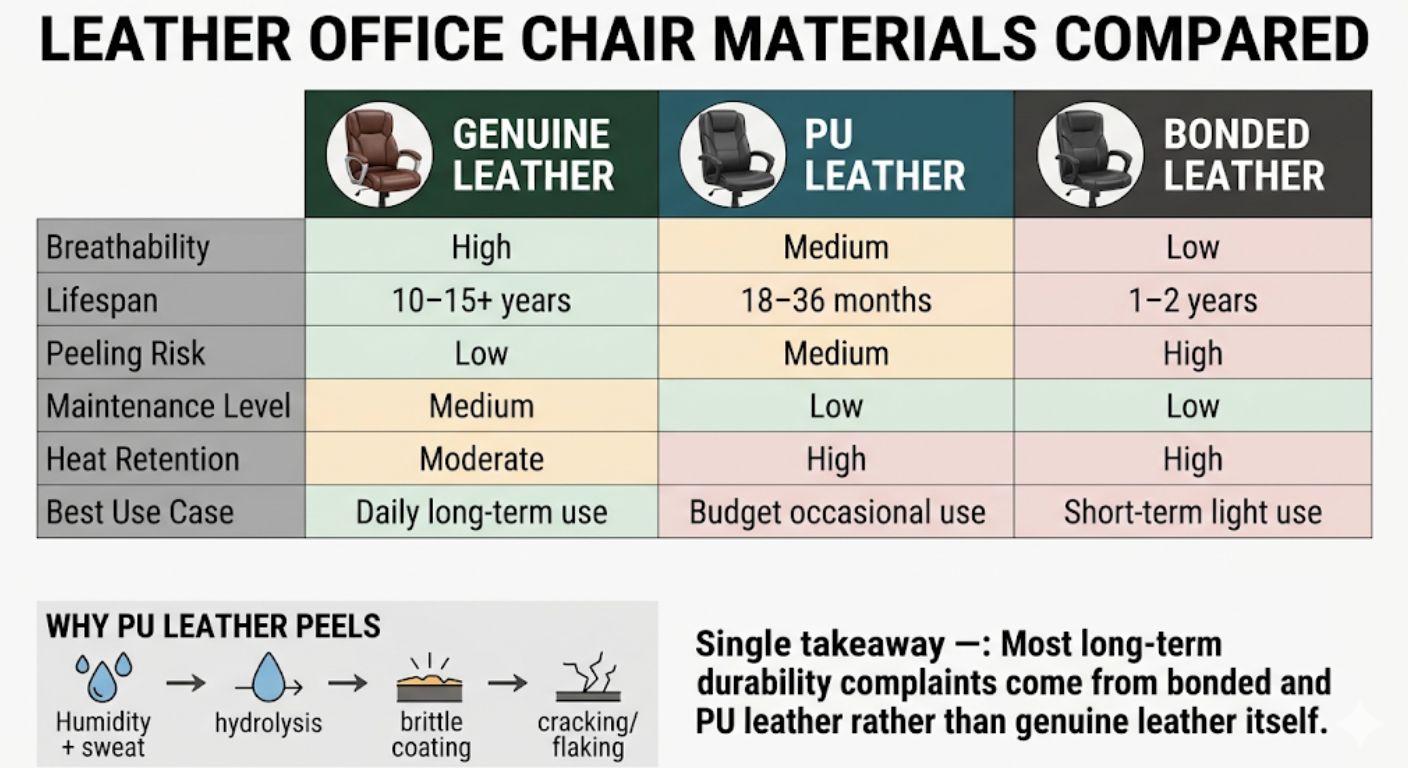
Genuine Leather vs Faux Leather Office Chairs
Not all leather office chairs use the same material construction. This affects durability, maintenance, and long-term value.
| Material Type | Main Characteristics | Typical Lifespan |
|---|---|---|
| Genuine Leather | Natural hide, breathable, develops patina over time | 10–15+ years |
| PU Leather | Synthetic polyurethane coating over fabric | 18–36 months |
| Bonded Leather | Leather scraps mixed with synthetic binders | 1–2 years |
Genuine Leather
Genuine leather uses natural animal hide. Higher grades such as top-grain leather are more durable, more breathable, and less prone to surface cracking.
Advantages:
- Better airflow
- Longer lifespan
- More resistant to peeling
- Develops a softer finish over time
Trade-offs:
- Higher purchase cost
- Requires occasional conditioning
- Sensitive to direct sunlight
PU Leather
PU leather is a synthetic material designed to imitate leather appearance at lower cost.
Advantages:
- Easy to wipe clean
- Lower maintenance
- More affordable
Trade-offs:
- Lower breathability
- More vulnerable to cracking
- Shorter lifespan under heavy daily use
Bonded Leather
Bonded leather combines leather fibres and scraps with polyurethane coatings and adhesives.
Advantages:
- Lower upfront cost
- Similar appearance initially
Trade-offs:
- Higher risk of flaking
- Poor long-term durability
- Surface layer often separates with age
The UK Health and Safety Executive guidance on workstation setup also notes that posture support and workstation positioning matter more than upholstery type alone when reducing discomfort during desk work.
Why Do PU Leather Chairs Peel?
PU leather peels due to a chemical reaction called hydrolysis, where water molecules from humidity, sweat, or moisture gradually break down the polymer bonds within the synthetic coating. The surface becomes brittle, loses elasticity, and eventually flakes away.
This problem is most common in:
- Warm rooms with poor airflow
- Chairs exposed to direct sunlight
- High-humidity environments
- Lower-cost bonded or PU materials
Hydrolysis damage cannot normally be reversed once peeling begins.
Signs usually appear as:
- Cracking around seat edges
- Small flakes on clothing or flooring
- Bubbling or separation in high-contact areas
How to Keep a Leather Office Chair Cool in Summer
Leather office chairs can remain comfortable during warmer months if airflow and surface heat are managed properly.
Practical ways to reduce heat buildup include:
- Keep the chair away from direct sunlight
- Maintain airflow in the room
- Use lighter clothing fabrics where possible
- Choose chairs with moderate foam density
- Wipe the chair surface regularly to remove oils and sweat buildup
- Consider perforated leather designs where available
Room conditions matter more than many buyers assume. A genuine leather chair in a ventilated room often feels cooler than a PU chair in a warm enclosed space.
Maintenance Tips That Extend Chair Lifespan
Leather office chairs last significantly longer when basic maintenance is done consistently.
Weekly Cleaning
- Dust with a dry microfiber cloth
- Remove debris from seams and stitching
- Wipe armrests and contact points
Spill Management
Blot spills immediately using a soft cloth. Avoid rubbing aggressively because it can damage protective coatings.
Avoid Harsh Cleaners
Do not use:
- Alcohol-based cleaners
- Silicone sprays
- Bleach products
- Multi-surface kitchen cleaners
These can dry the material or weaken synthetic coatings.
Condition Genuine Leather Periodically
Apply leather conditioner every 6–12 months to help maintain flexibility and reduce drying.
Protect Against Environmental Damage
Avoid:
- Direct sunlight
- Radiators or heat sources
- High humidity rooms
This matters especially for PU and bonded materials, which deteriorate faster in unstable conditions.
When a Leather Office Chair Makes Sense
Leather office chairs usually suit buyers who want:
- A more structured seat feel
- Easier wipe-clean maintenance
- Longer material lifespan
- A more formal office appearance
- Moderate to heavy daily use
They work particularly well in:
- Home offices
- Meeting rooms
- Executive desk setups
- Shared-use office environments
Buyers may want to avoid leather chairs if:
- The room runs consistently hot
- Maximum airflow is the priority
- The chair will sit in direct sunlight daily
- Budget only allows lower-grade bonded materials
In those cases, mesh or breathable fabric seating may prove more practical long term.
You can browse Lakeland’s wider range of office chairs to compare different upholstery types and seat constructions.
Frequently Asked Questions
How long does a leather office chair last?
Lifespan depends heavily on the material grade.
- Genuine leather: typically 10–15+ years
- PU leather: often 18–36 months
- Bonded leather: commonly 1–2 years before visible wear develops
Usage hours, humidity, sunlight exposure, and maintenance routines all affect durability.
What is the best way to clean a leather office chair?
Dust weekly with a microfiber cloth, wipe spills immediately, and avoid alcohol-based cleaners. Genuine leather should also be conditioned every 6–12 months to reduce drying and cracking.
Are mesh chairs better than leather for back support?
Surface material alone does not determine support quality. Seat shape, lumbar positioning, recline movement, and adjustability matter more. Mesh allows greater airflow, while leather often provides denser cushioning and a more structured sitting feel.
Is bonded leather worth buying?
Bonded leather can work for lighter occasional use, but it generally has a shorter lifespan than genuine leather. Under daily office use, peeling and surface breakdown are relatively common after a few years.
-
-
-
-
-
-
-
-
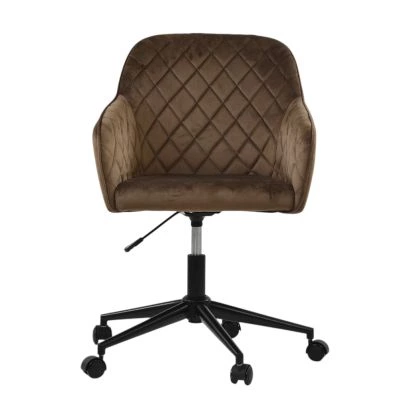
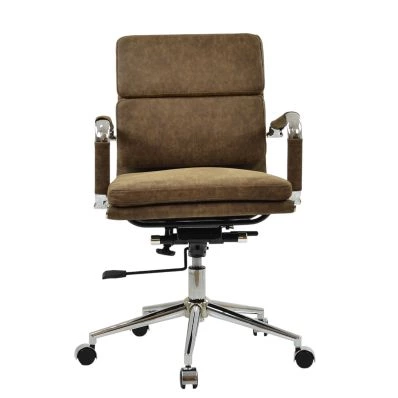 Chester Office Chair in Aged Brown LeatherSpecial Price £129.99 Regular Price £179.99 Original price 28% Inc VATSaving £50
 -
-

-
-
Final Thoughts
Leather office chairs are not automatically hotter or less practical than other office seating materials. Material grade, foam construction, airflow, and maintenance habits all influence long-term comfort and durability more than the word “leather” alone.
For broader leather care guidance, see the Ultimate Guide to Cleaning Leather Chairs, or explore Lakeland’s wider collection of office chairs for different upholstery and support options.


Comments