
 Chat with us on WhatsApp

Mesh vs Leather Office Chair: Which Is Better for Home Working?
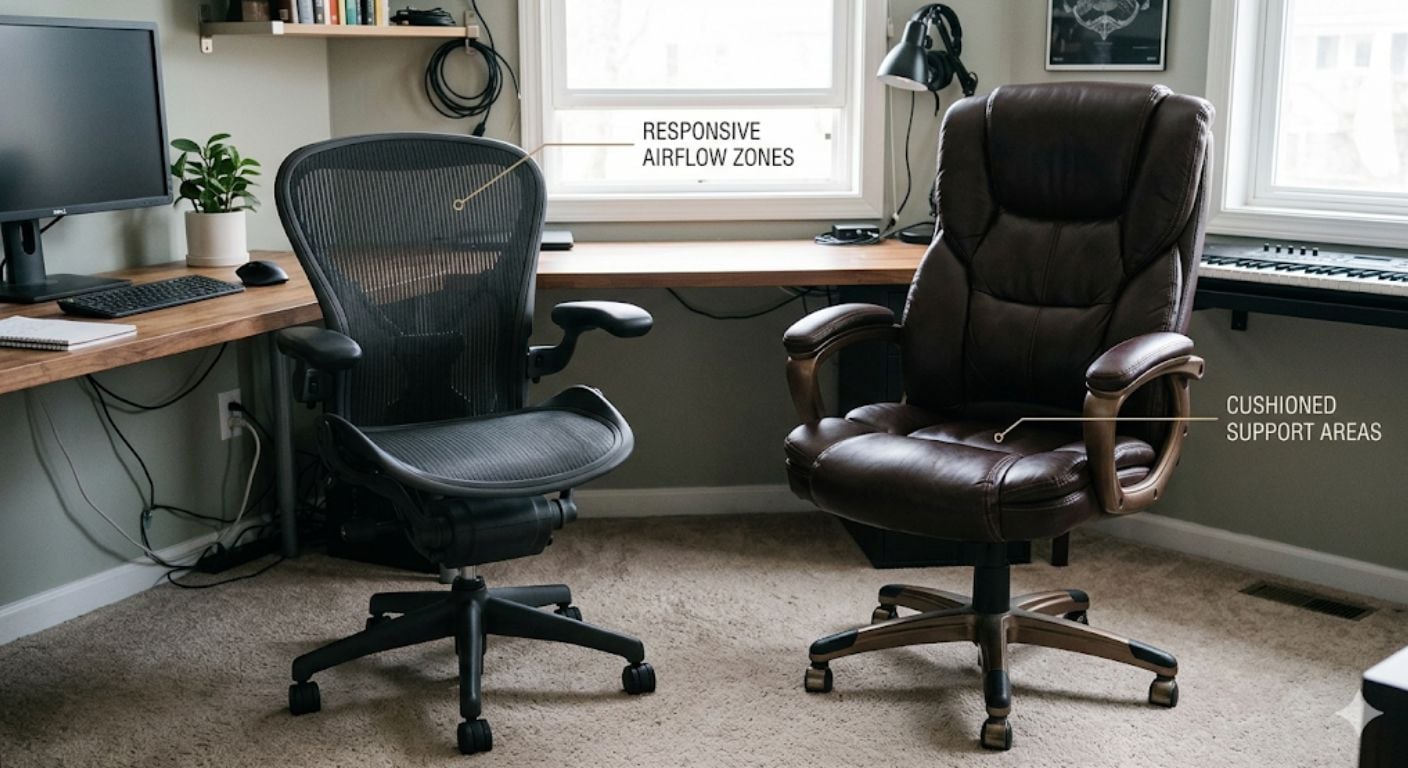
Choosing between a mesh and leather office chair usually comes down to how you work, how long you sit for, and what environment the chair sits in. Both materials solve different problems. Mesh chairs prioritise airflow and lower heat build-up, while leather chairs focus more on cushioning, structure, and a more traditional appearance.
For home working, the decision matters more than it does in a short-use office environment. A chair used for eight hours a day in a spare bedroom or warm home office will perform differently over time depending on the upholstery, support structure, and maintenance involved.
This guide compares mesh and leather office chairs across comfort, breathability, durability, cleaning, long-session use, and overall practicality. It also explains where each option works well and where it does not.
For broader guidance on office chair materials and maintenance, see the Ultimate Guide to Cleaning Leather Chairs.
What Is a Mesh Office Chair?
A mesh office chair uses a woven synthetic material stretched across the backrest and sometimes the seat base. Most mesh panels are made from polyester or nylon blends designed to allow airflow through the chair rather than trapping heat against the body.
Mesh chairs are commonly associated with modern ergonomic designs because the material flexes slightly with movement while maintaining tension across the backrest.
Main Advantages of Mesh Office Chairs
- Better airflow during long sitting sessions
- Lower heat retention in warm rooms
- Lightweight overall construction
- Easier dust and surface cleaning
- Often lower cost than leather equivalents
Mesh chairs are especially common in home offices with limited ventilation or rooms that become warm during the afternoon.
What Is a Leather Office Chair?
Leather office chairs use either genuine leather, bonded leather, PU leather, or faux leather upholstery stretched over foam padding. Unlike mesh, the surface is enclosed and padded rather than breathable.
Leather chairs are typically chosen for:
- Softer seat cushioning
- A more structured feel
- Executive-style appearance
- Easier wipe-clean surfaces
The material itself changes the sitting experience. Leather tends to feel warmer and more padded immediately, while mesh usually feels firmer and cooler.
Many home workers prefer leather when the chair doubles as part of a living space or study rather than a dedicated office setup.
You can browse current leather office chairs to compare different seat styles and frame designs.
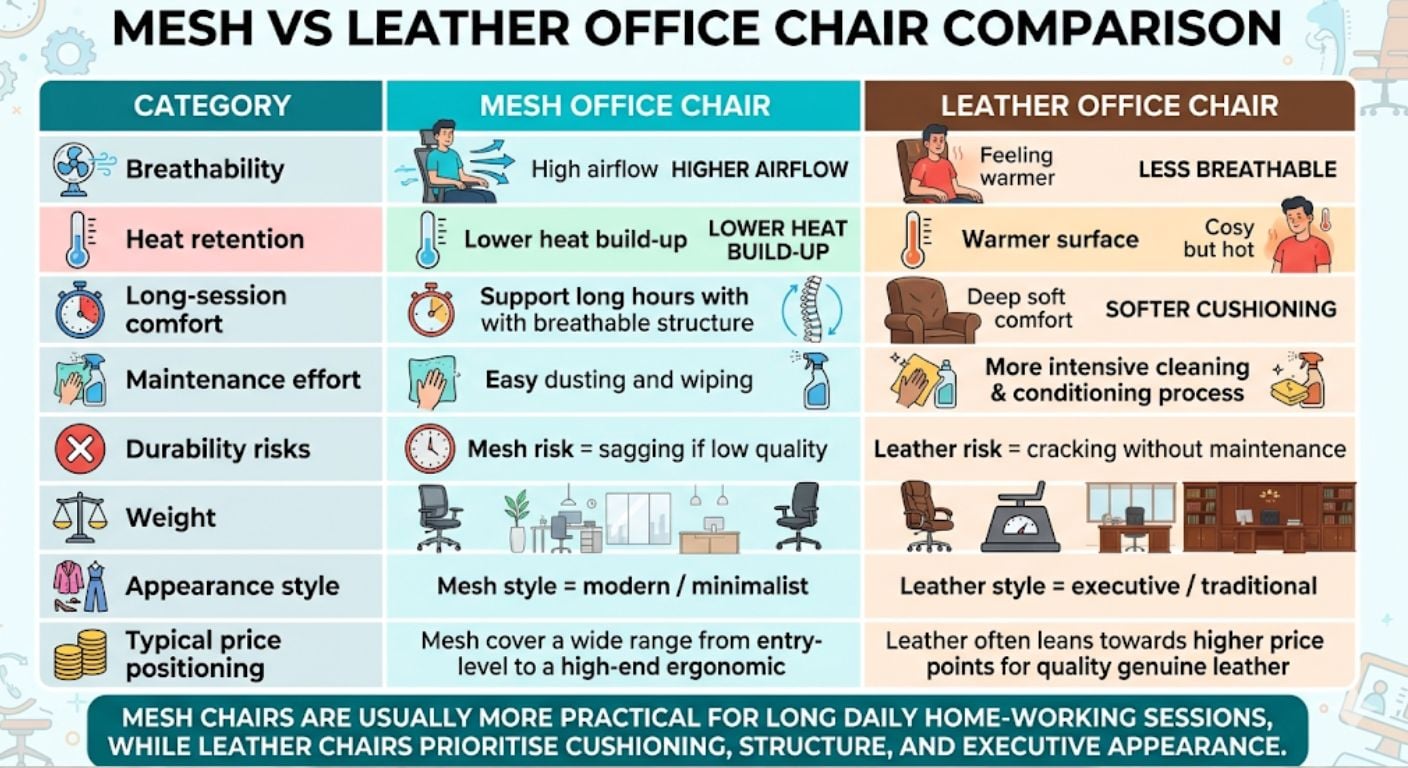
Mesh vs Leather Office Chair Comparison
| Feature | Mesh Office Chair | Leather Office Chair |
|---|---|---|
| Breathability | High airflow and cooling | Retains more heat |
| Long-session comfort | Cooler over long periods | Softer initial feel |
| Cleaning | Simple surface cleaning | Requires conditioning over time |
| Durability | Depends heavily on mesh quality | Can last well if maintained |
| Appearance | Modern and minimal | Executive and traditional |
| Weight | Usually lighter | Usually heavier |
| Price | Often lower entry cost | Usually higher overall cost |
Which Is Better for Long Hours?
Is Mesh or Leather Better for Long Hours of Sitting?
For most people working long hours at home, mesh office chairs are usually more comfortable over extended sessions because they reduce heat build-up and allow better airflow across the back. Leather chairs often feel softer initially, but warm rooms and long sitting periods can make the surface feel noticeably hotter after several hours.
Comfort over long sessions depends on more than upholstery alone. Support structure matters just as much.
A good chair for long home-working sessions should include:
- Adjustable lumbar positioning
- Stable seat padding
- Adjustable armrests
- Controlled recline tension
- Consistent back support across the spine
If posture support is the main concern, it is worth reading how lumbar support works alongside material comparisons.
Breathability and Temperature Control
Breathability is the clearest performance difference between the two materials.
Mesh allows air to circulate naturally through the chair back. That reduces sweat and heat retention, especially in smaller home offices or upstairs rooms without strong airflow.
Leather traps more warmth because the surface is sealed. In cooler rooms this can feel comfortable, but in warmer environments it can become uncomfortable over long periods.
Mesh Chairs Generally Work Better When:
- The room gets warm during the day
- There is limited air conditioning
- You sit for several continuous hours
- You prefer firmer support
Leather Chairs Generally Work Better When:
- The room stays cool year-round
- You prefer softer seat cushioning
- The chair is used for shorter sessions
- Appearance matters alongside comfort
We regularly find our customers underestimate how much room temperature changes the experience of a chair. A leather chair that feels supportive in a showroom or cool office can feel very different after a full afternoon in a warm home workspace.
For additional guidance on workplace seating and posture, the UK’s Health and Safety Executive display screen equipment guidance explains how seating setup affects long-term comfort and workstation use.
Durability: Which Material Lasts Longer?
Durability depends heavily on build quality rather than material category alone.
Low-quality mesh can lose tension over time. This causes sagging across the backrest and weaker support through the spine area. Better mesh chairs use reinforced tension systems designed to hold shape for longer.
Leather has different failure points. Over time, poorly maintained leather or PU finishes may:
- Crack
- Peel
- Fade
- Dry out
Higher-quality leather usually ages better than synthetic alternatives, but it still needs maintenance to avoid surface damage.
Do Mesh Office Chairs Sag Over Time?
Low-cost mesh chairs can lose tension after heavy daily use. Higher-quality mesh with reinforced frames and tighter weave construction generally retains support for much longer. Sagging is more common in chairs where the mesh itself carries most of the structural load without strong frame reinforcement.
How to Stop Leather Office Chairs From Cracking
Leather chairs last longer when the surface is cleaned regularly and kept away from strong direct sunlight or dry heat sources. Conditioning products help maintain flexibility in genuine leather surfaces and reduce drying or surface cracking over time.
For a more detailed breakdown of leather care and maintenance requirements, see Leather Office Chairs: Comfort, Breathability & Maintenance.
Which Style Works Better in a Home Office?
Leather and mesh create very different visual impressions.
Leather Office Chairs
Leather chairs tend to suit:
- Traditional home offices
- Dark wood desks
- Executive-style setups
- Shared office and meeting spaces
The overall look is more substantial and formal.
Mesh Office Chairs
Mesh chairs usually suit:
- Modern home workspaces
- Minimal desk setups
- Compact rooms
- Tech-focused environments
The overall appearance is lighter and less visually dominant.
This is partly why mesh chairs are common in contemporary workspaces, while leather remains popular in managerial or client-facing environments.
Maintenance and Cleaning Differences
Mesh is generally easier to maintain day to day.
Most cleaning involves:
- Vacuuming dust from the mesh
- Wiping the frame
- Removing debris from the seat base
Leather needs more attention because the surface finish changes over time.
Leather Maintenance Typically Includes:
- Wiping spills quickly
- Avoiding prolonged sunlight exposure
- Using appropriate leather cleaners
- Conditioning periodically
If maintenance is a major concern, mesh usually involves less ongoing effort overall.
When a Mesh Office Chair Makes More Sense
A mesh chair is usually the stronger option when:
- You work long hours daily
- Your office becomes warm
- Breathability matters more than cushioning
- You want a lighter, more adjustable chair
- You prefer a modern workspace style
Mesh is particularly practical for full-time remote work where temperature build-up becomes noticeable after several hours.
When a Leather Office Chair Makes More Sense
A leather chair usually works better when:
- You prefer thicker seat padding
- Your workspace stays relatively cool
- Appearance matters alongside practicality
- The chair is used for mixed work and general seating
- You want a more structured executive look
Leather can also feel more stable and substantial compared with lightweight mesh frames.
Frequently Asked Questions
Do Leather Office Chairs Make You Sweat?
Leather office chairs retain more heat than mesh chairs because the surface does not allow airflow through the backrest. In warm rooms or during long sitting sessions, this can increase heat build-up across the back and seat base.
Are Mesh Office Chairs Good for Posture?
Mesh office chairs can support good posture when combined with proper lumbar positioning and adjustment features. The material itself does not improve posture automatically, but the flexible backrest can provide consistent spinal contact during movement.
Are Leather Office Chairs More Durable Than Mesh?
High-quality leather chairs can last for many years if maintained properly. Mesh durability depends heavily on frame construction and material tension. Cheap mesh is more likely to sag, while poorly maintained leather is more likely to crack or peel.
Which Chair Is Easier to Clean?
Mesh chairs are usually easier for routine cleaning because they need less maintenance. Leather surfaces are simple to wipe down day to day, but they require occasional conditioning and more protection from sunlight and drying.
Which Office Chair Is Better for a Hot Room?
Mesh office chairs are generally the better option for warm rooms or offices without strong ventilation. The airflow through the mesh back helps reduce heat retention during long sitting sessions.
-
-
-
-
-
-
-
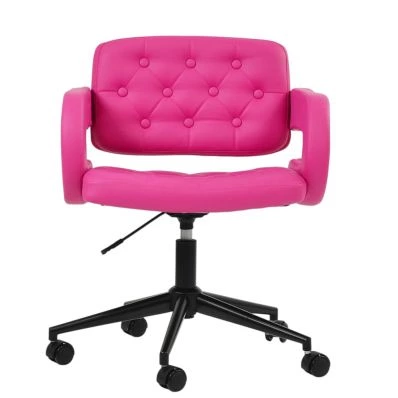
-
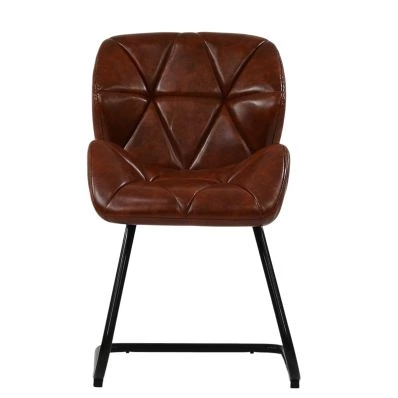
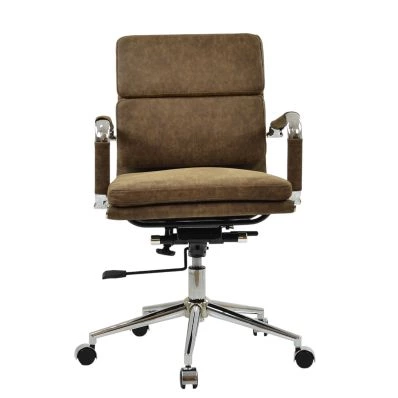 Chester Office Chair in Aged Brown LeatherSpecial Price £129.99 Regular Price £179.99 Original price 28% Inc VATSaving £50
 -
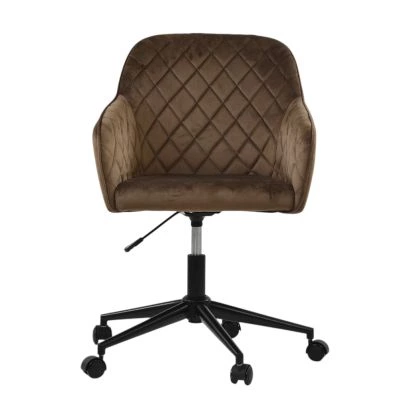
-
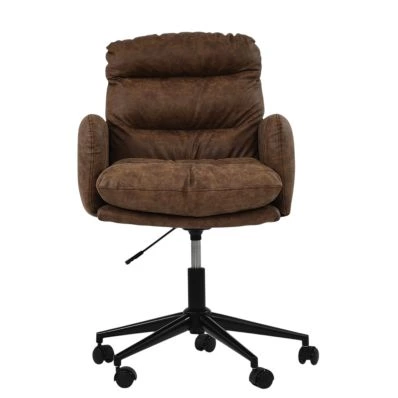
-
-
Final Thoughts
Neither mesh nor leather is automatically better for home working. The right choice depends on how long you sit, how warm the room becomes, and whether you prioritise airflow, cushioning, appearance, or maintenance simplicity.
Mesh chairs generally perform better for long daily use in warmer rooms. Leather chairs usually suit cooler workspaces and buyers who prefer a more structured, executive-style feel.
If you are comparing leather seating options specifically, browse the current range of leather office chairs or read the broader guide to leather chair maintenance and care for more material-specific detail.


Comments