
 Chat with us on WhatsApp

Matching Dining Chairs And Bar Stools
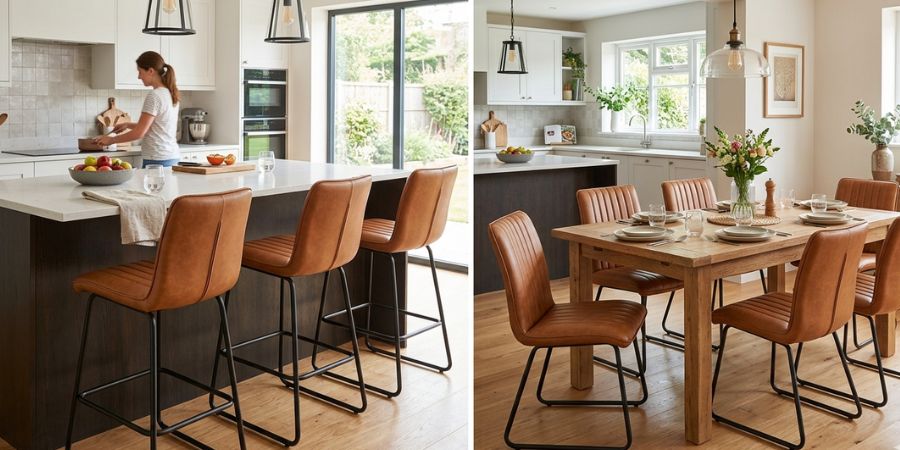
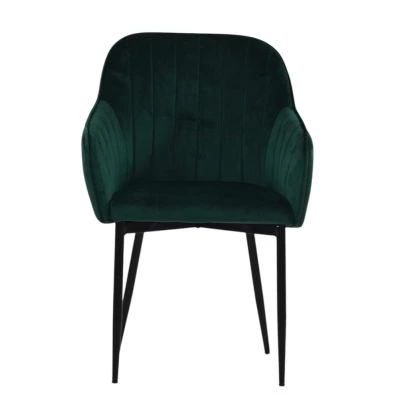
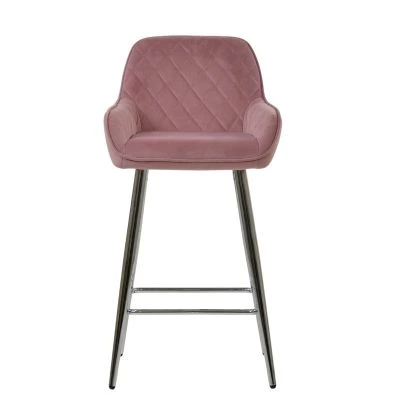
Matching dining chairs and bar stools is not about making everything identical. It is about creating a controlled, consistent look across spaces that are often visible at the same time, especially in open-plan kitchens.
Most buying decisions fail when people treat these as separate purchases. The result is usually a mismatch in materials, proportions, or visual weight. This article focuses on how to coordinate both correctly, using practical rules around materials, sizing, and structure, without overcomplicating the decision.
For broader layout and planning context, see the main guide on kitchen island ideas, design, style and layout.
Do dining chairs and bar stools need to match?
No. They do not need to match exactly, but they should be coordinated. In open-plan spaces, both are visible at once, so a lack of consistency can make the room feel disjointed. Matching key elements, such as material, colour, or frame finish, is usually enough to create a cohesive result.
Exact matching, where the same design is used in two heights, works well but is not required. In many cases, controlled variation produces a better result.
The three reliable ways to coordinate them
These are the three approaches that consistently work in real homes.
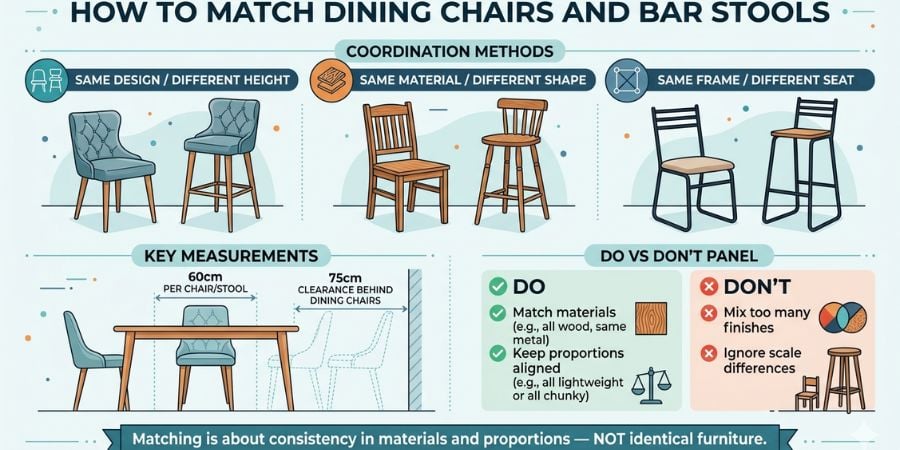
1. Same design, different height
This is the most straightforward option.
- Dining chair and bar stool share the same frame and seat
- Only height changes
- Often available in structured product ranges
When it works best:
- Clean, modern kitchens
- Smaller spaces where consistency matters more than variation
Risk:
It can feel too uniform if overused across the entire room.
2. Same material, different design
This is the most flexible and commonly used approach.
- Same upholstery, such as faux leather, fabric, or velvet
- Different chair shapes or back styles
- Shared colour palette
Example:
A curved dining chair paired with a square-backed bar stool, both in vintage brown faux leather with black legs.
This creates consistency without looking overly matched.
3. Same frame finish, different seats
This works well in mixed-material kitchens.
- Matching leg finish, such as black, chrome, brushed steel, or wood
- Different seat materials allowed
Example:
Black metal dining chairs paired with black metal bar stools, with one upholstered and one in wood or plastic.
This approach ties the room together structurally rather than visually.
What matters more than matching: proportion
Matching fails most often because of poor sizing, not design.
Key measurements to follow
- Dining chair spacing: Allow around 60cm width per person
- Clearance behind dining chairs: Minimum 75cm from table edge to wall or obstacle
- Bar stool spacing: Allow around 60cm per stool along a counter or island
- Height compatibility: Dining chairs and bar stools serve different surface heights and should not be interchanged
If proportions are wrong, even perfectly matched furniture will look off.
For detailed height compatibility, read the Bar Stool Size Guide.
Why matching matters more in open-plan kitchens
In closed rooms, mismatched seating is less noticeable. In open-plan layouts, everything is visible at once.
This creates two clear requirements:
- Shared sightlines — the dining area and island are seen together
- Consistent visual weight — one seating zone should not overpower the other
What to prioritise in open-plan spaces
- Keep colours aligned, such as all dark tones or all light tones
- Avoid mixing too many finishes, such as chrome, gold, and wood together
- Maintain similar seat bulk, so very slim stools are not paired with heavy dining chairs
If one area feels heavier or more prominent, the space can look unbalanced.
Upholstery choices and real-world use
Material choice is where most coordination happens.
Low-maintenance options for high-use homes
- Faux leather or coated leather
- Easy to wipe clean
- Handles spills well
- Works across both dining chairs and stools
- Tightly woven fabric
- More forgiving than soft weaves
- Better for regular use
Higher-maintenance options
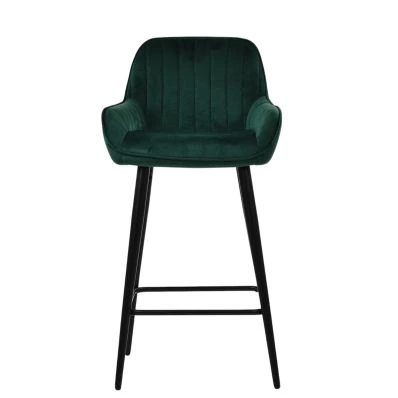
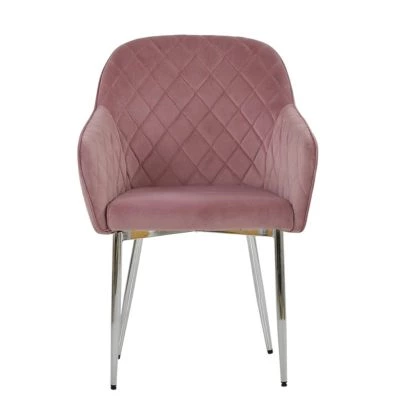
- Velvet
- Stronger visual effect
- Requires more care
- Better for lower-use areas
Key rule:
If stools get daily use at a breakfast bar or kitchen island, durability should come before appearance.
Can you mix fixed dining chairs with adjustable bar stools?
Yes. This is common and usually works well. Dining chairs are almost always fixed height, while bar stools often include gas lift and swivel functions. These do not need to match mechanically. They only need to work together visually.
What to check
- Seat shape consistency, such as rounded versus square
- Back height relative proportion
- Frame finish alignment
Avoid trying to match mechanisms. Focus on appearance and scale.
Practical decision guide
When full matching makes sense
- Open-plan kitchens with direct sightlines
- Minimalist or modern layouts
- Smaller spaces where variation looks messy
When to avoid exact matching
- Larger rooms with separate zones
- Mixed-material kitchens using wood, metal, and stone
- Spaces where visual depth matters more than uniformity
Who this suits
- Buyers furnishing a full kitchen and dining space at once
- Anyone replacing both seating types together
- Customers prioritising a clean, consistent look
Who it does not suit
- Buyers replacing one item only
- Highly styled interiors with intentional contrast
- Rooms where the dining area and kitchen are fully separated
Frequently asked questions
Do bar stools and dining chairs have to match in an open-plan kitchen?
No, but they should be coordinated. Because both are visible together, mismatched materials or finishes can make the space feel disjointed. Using a shared element, such as colour, upholstery, or frame finish, keeps the room visually consistent without needing identical designs.
How can you coordinate them without matching exactly?
Use one shared element across both. This can be the same upholstery in different shapes, the same frame finish with different seats, or the same colour tone across different materials. That gives the room consistency while still allowing variation.
What is the best upholstery for busy kitchens with children?
Faux leather or coated leather is usually the most practical option. It resists stains, wipes clean easily, and handles frequent use well. Fabric can also work, but it should be tightly woven. Velvet is generally less practical for high-use seating.
How much space do you need around dining chairs?
Allow at least 75cm between the table edge and walls or other furniture. This gives enough room to pull chairs out and move comfortably. Along the table edge, allow around 60cm per chair.
Can a bar stool be used as a dining chair?
No. Bar stools are made for higher surfaces such as breakfast bars and kitchen islands. Even adjustable stools do not usually lower enough to work properly at a standard dining table, and the seating position is different.
Final thoughts
Matching dining chairs and bar stools is less about buying identical products and more about creating controlled consistency. Shared materials, finishes, and proportions are what make the overall result work.
If you are planning seating as part of a wider kitchen layout, start with the broader room structure first, then apply these coordination rules. For that, see the full guide on kitchen island ideas, design, style and layout.


Comments