
 Chat with us on WhatsApp

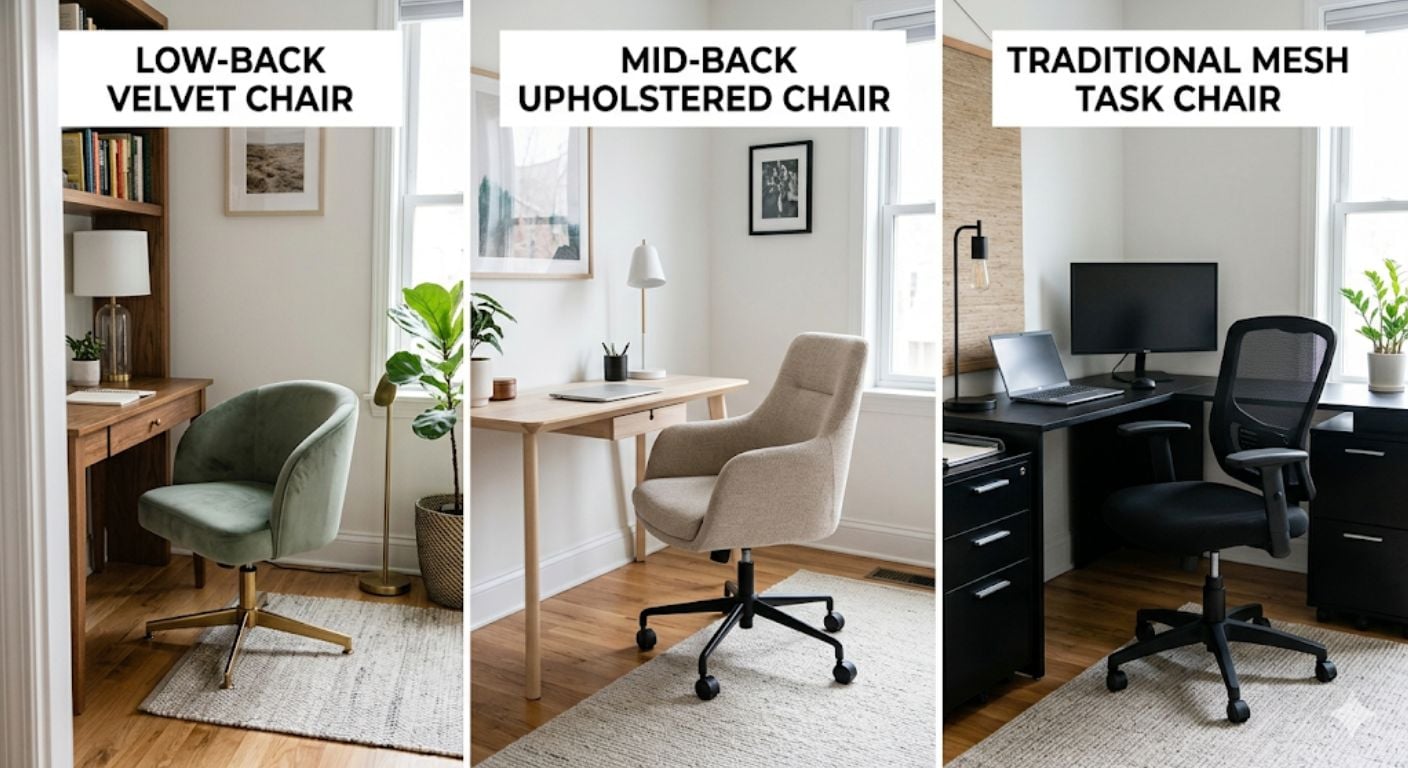
Office Chair That Doesnt Look Like an Office Chair
Many people working from home want a chair that feels comfortable enough for daily desk use without making the room look like a corporate workspace. This is especially common in open-plan kitchens, dining areas, bedrooms, and living rooms where the desk shares space with the rest of the home.
The challenge is balancing appearance with practicality. A chair may look refined in product photos, but poor support, fixed height, or bulky proportions quickly become frustrating if used for long periods. The best office chair that does not look like an office chair usually combines softer materials, simpler silhouettes, and home-friendly finishes with enough adjustability for real desk use.
If you are still comparing core ergonomic features, it is worth reading Buying An Ergonomic Office Chair What You Should Know alongside this guide.
What Makes an Office Chair Look Less Corporate?
Most traditional task chairs are designed around visible mechanisms, mesh backs, large wheel bases, and aggressive ergonomic shaping. They prioritise adjustment and support, but visually they often dominate a room.
Home-friendly office chairs usually reduce or hide these elements.
- Softer upholstery such as velvet, bouclé, linen, or faux leather
- Low-back or mid-back silhouettes
- Slim armrests or armless designs
- Wood-effect, brushed metal, or brass-look frames
- Compact wheel bases
- Rounded edges instead of angular shapes
- Muted colours rather than black mesh
Many modern home office chairs are designed to resemble dining chairs or occasional chairs while still offering swivel movement and height adjustment underneath.
Low-Back vs High-Back Designs
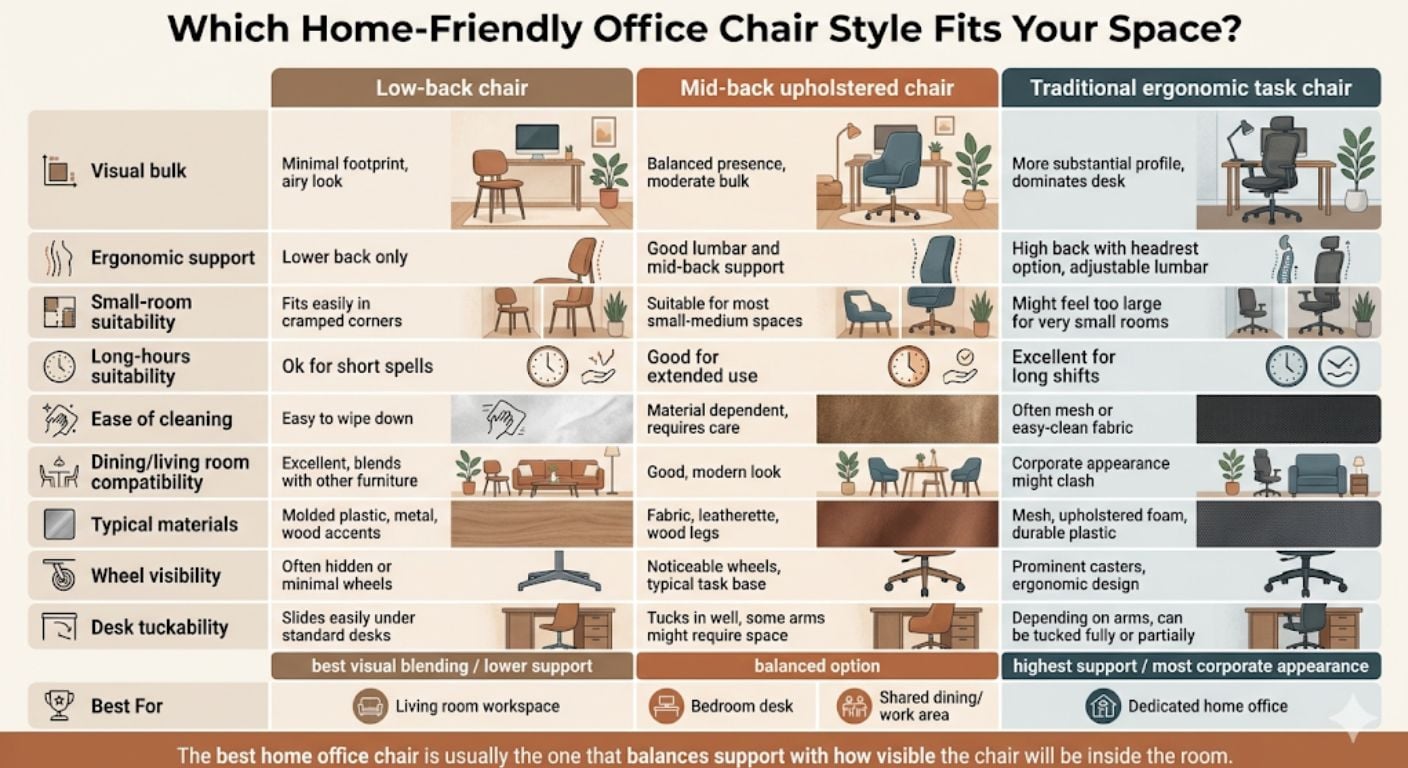
Low-back chairs generally blend into domestic interiors more easily than high-back ergonomic chairs.
A low-back office chair creates a lighter visual profile and works better in shared rooms where the chair remains visible when not in use. They also tuck under desks more cleanly and suit smaller spaces.
High-back chairs usually provide more upper-back support and create a more traditional workstation feel. However, they often look visually heavier and more obviously “office-like”.
For most home users trying to avoid a corporate look, mid-back chairs are often the most balanced option.
When low-back chairs work best
- Occasional or moderate desk use
- Compact apartments
- Bedroom workspaces
- Kitchen desk areas
- Shared dining/work zones
When high-back chairs still make sense
- Longer daily desk sessions
- Larger home offices
- Dedicated work rooms
- Users prioritising support over aesthetics
Materials That Help a Chair Blend Into a Home
Material choice changes the appearance of a chair more than most buyers expect.
Bouclé
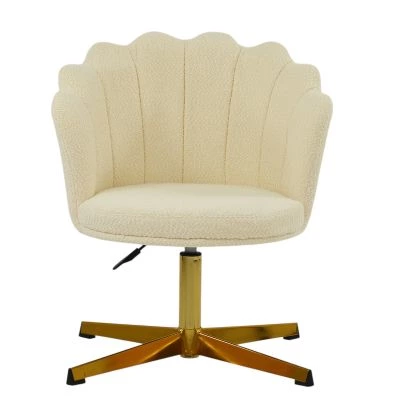
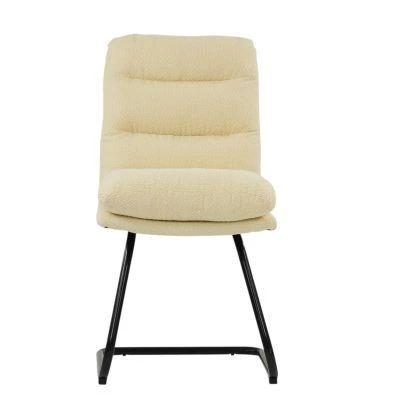
Bouclé office chairs have become popular because they resemble occasional furniture more than task seating. The textured fabric softens the appearance of the frame and works well in neutral interiors.
The downside is maintenance. Bouclé can trap dust and is harder to clean than smooth fabrics or faux leather.
Velvet
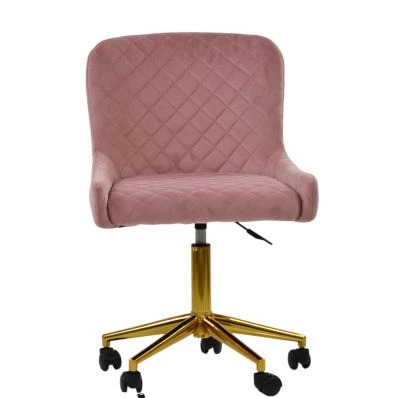
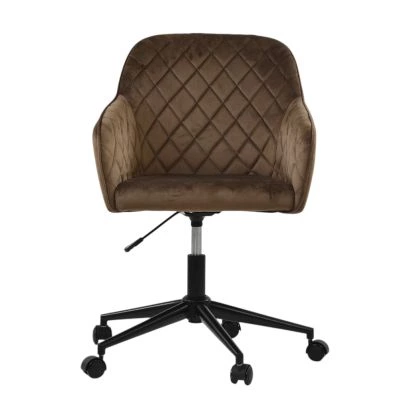
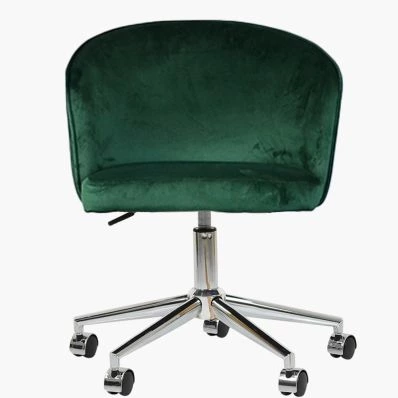
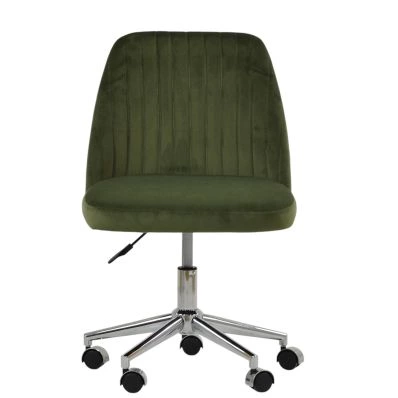
Velvet creates a softer, more decorative look and works well in bedrooms or dressing-room-style offices. It is commonly used on low-back swivel chairs designed to resemble dining seating.
We often find our customers underestimate how differently velvet behaves under daylight compared with showroom lighting. Directional shading and pressure marks are normal with velvet upholstery and worth expecting before buying.
Faux leather
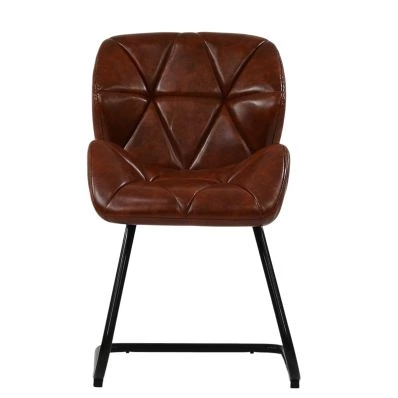
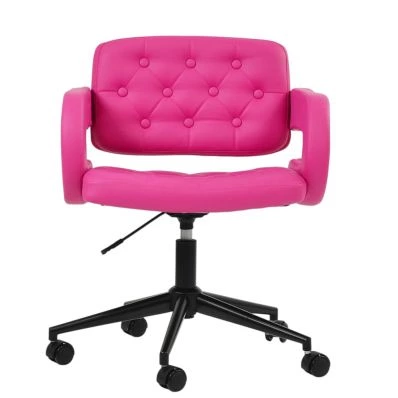
Faux leather offers a cleaner and more structured appearance. Tan, brown, cream, and soft grey finishes tend to look more furniture-like than black executive styles.
It is also easier to wipe clean, which matters in kitchen workspaces or family homes.
Mesh
Mesh remains one of the most breathable materials for long desk sessions, but visually it usually looks the most corporate. If appearance matters more than maximum airflow, upholstered designs generally integrate better into home interiors.
Features Worth Keeping Even in a Stylish Chair
Some buyers focus entirely on appearance and end up choosing chairs that function more like dining chairs than desk seating. That often becomes uncomfortable surprisingly quickly.
The goal is not maximum ergonomic complexity. It is choosing the minimum functional features needed for your usage.
Height adjustment
This remains one of the most important features. Even visually minimal chairs should allow seat height adjustment so the desk position works properly.
According to the UK Health and Safety Executive guidance on workstation setup, desk seating should allow users to maintain comfortable arm positioning and posture during computer work.
Swivel movement
A swivel base improves usability significantly in smaller workspaces. It allows easier movement between desk zones without repeatedly dragging the chair.
Many home-friendly office chairs hide the swivel mechanism effectively within the base.
Padded seat support
Thin decorative seat pads often look refined initially but compress quickly during daily use. Medium-density foam with moderate seat depth is usually more practical for regular working.
Compact armrests
Large padded armrests often create the bulky “executive chair” appearance many buyers want to avoid. Slim integrated arms or low-profile supports usually work better visually while still offering some support.
Should You Choose Wheels or Fixed Legs?
Chairs without visible castors often look more like furniture, particularly around dining tables or fitted desks. However, fixed-leg chairs are not always practical for daily work.
Wheeled chairs
Advantages:
- Easier movement around the desk
- Better for longer desk sessions
- More flexible positioning
- Reduced strain when turning or reaching
Disadvantages:
- More visibly office-like
- Larger footprint visually
- Can look cluttered in small rooms
Fixed-leg or glider chairs
Advantages:
- Cleaner furniture appearance
- Often better for dining/work hybrid spaces
- Less visual bulk
- Can suit uneven floors better
Disadvantages:
- Less manoeuvrable
- Harder to reposition frequently
- Usually less ergonomic overall
If you are comparing movement types more closely, see Castors Vs Gliders Office Chairs Difference.
Best Styles for Different Rooms
Living room workspace
Choose softer upholstery, muted colours, and low-back silhouettes. Avoid visible mesh backs and oversized wheel bases.
Bedroom office corner
Compact swivel chairs with slim arms usually work best. Smaller footprints matter more than heavy ergonomic features.
Kitchen or dining workspace
Look for chairs that visually resemble dining chairs but still include height adjustment and swivel movement.
Dedicated home office
You can prioritise support slightly more heavily while still avoiding bulky executive designs. Upholstered ergonomic chairs often create the best balance here.
When This Type of Chair Makes Sense
An office chair that does not look like an office chair usually works best when:
- Your workspace sits inside a shared room
- You care about interior consistency
- You work moderate rather than extreme hours
- You want a softer domestic appearance
- You need a chair that can visually blend into dining or living areas
It may be less suitable if:
- You work very long desk hours daily
- You need extensive ergonomic adjustment
- You already experience significant posture discomfort
- You prefer maximum lumbar structure and support
In those situations, a more performance-focused ergonomic chair may still be the better long-term choice.
Frequently Asked Questions
Can an office chair still be ergonomic if it looks stylish?
Yes. Many modern home office chairs combine softer upholstery and cleaner silhouettes with practical features like height adjustment, swivel movement, and supportive seat padding. The key difference is usually reduced visible mechanisms rather than removing all ergonomic function.
What is the best material for a home-friendly office chair?
Bouclé, velvet, and faux leather are the most common choices for home-focused office chairs. Faux leather is easiest to maintain, while bouclé and velvet generally create a softer furniture-style appearance.
Are low-back office chairs comfortable enough for daily use?
For moderate daily use, many low-back chairs are comfortable enough if the seat cushioning and height positioning are correct. For very long workdays, mid-back or supportive upholstered ergonomic chairs are usually more practical.
Should I avoid wheels if I want the chair to look less corporate?
Not necessarily. Many modern chairs use smaller or more discreet castor bases that still blend into domestic interiors. Removing wheels entirely often reduces usability more than buyers expect.
-
-
-
-
-
-
-
-
-
-
-
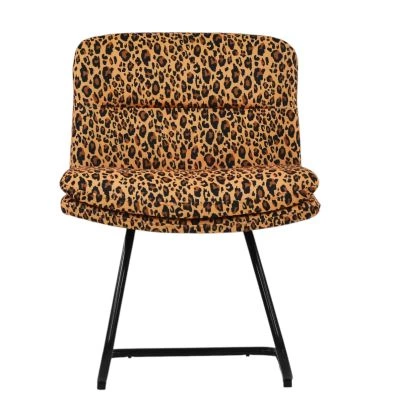
-
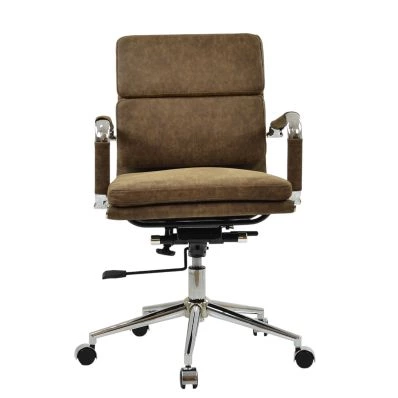 Chester Office Chair in Aged Brown LeatherSpecial Price £129.99 Regular Price £179.99 Original price 28% Inc VATSaving £50
Final Thoughts
The best office chair that does not look like an office chair usually balances three things well: visual simplicity, enough support for daily use, and proportions that suit shared living spaces.
For most home setups, upholstered mid-back swivel chairs offer the strongest balance between comfort and appearance. They retain the practicality needed for desk work without introducing the heavy visual presence of traditional task seating.
If you are comparing styles, materials, and support levels more broadly, the main ergonomic office chair guide and the full office chair collection provide additional comparisons across different workspace types.


Comments