
 Chat with us on WhatsApp

Small Bedroom Chair: How to Choose One Without Crowding the Room
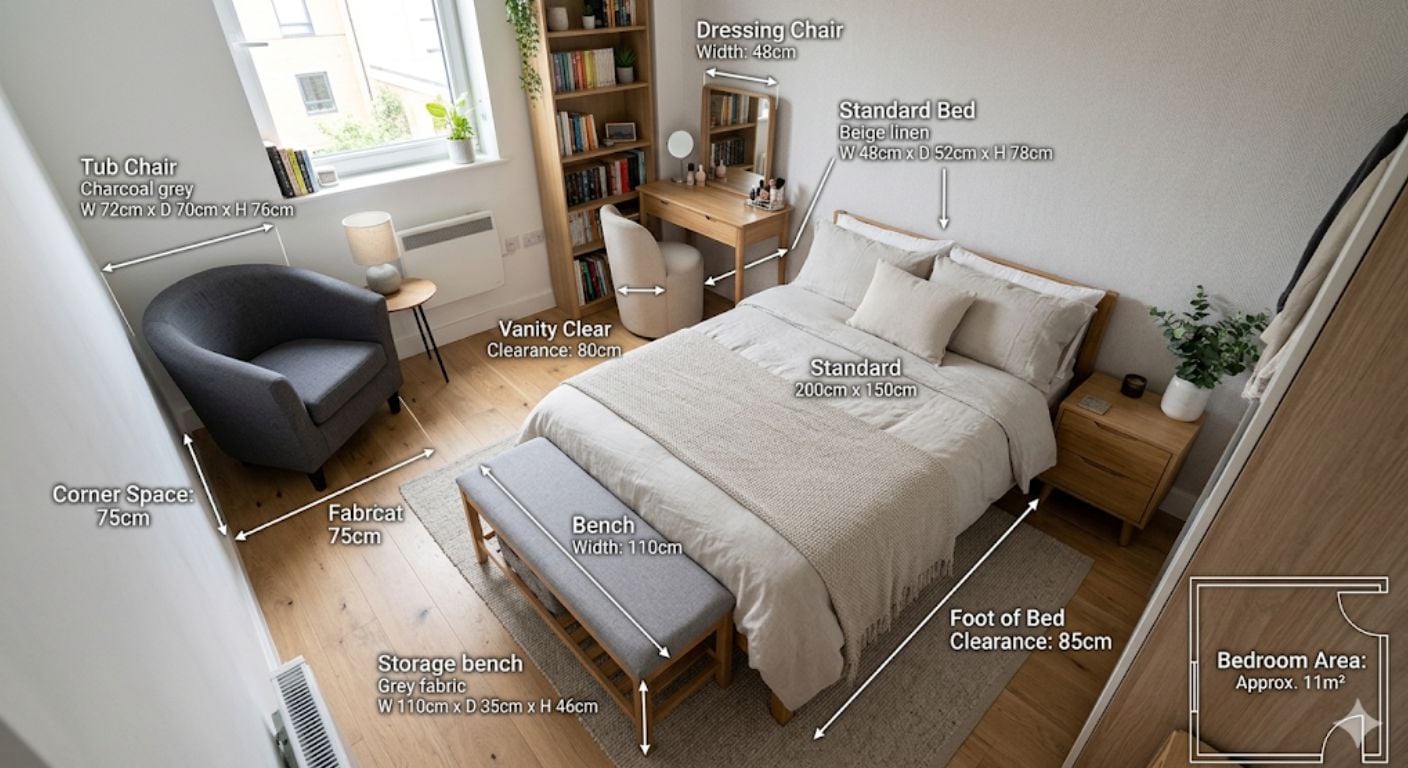
Adding a chair to a small bedroom can improve how the room functions, but the wrong size or shape quickly makes the space feel cramped. A compact chair can create a dressing area, reading spot, or occasional work seat without taking over the room, but only if the proportions and placement are carefully chosen.
The most important decision is not the style or fabric. It is the chair’s footprint, visual weight, and how it interacts with surrounding furniture. Slim legs, exposed floor space, and compact widths often matter more than deep cushioning or oversized arms.
If you are still comparing broader bedroom seating options, the main guide on how to choose the right bedroom chair explains the wider decision process. This article focuses specifically on choosing a chair for smaller bedrooms where space is limited.
What Size Chair Works Best in a Small Bedroom?
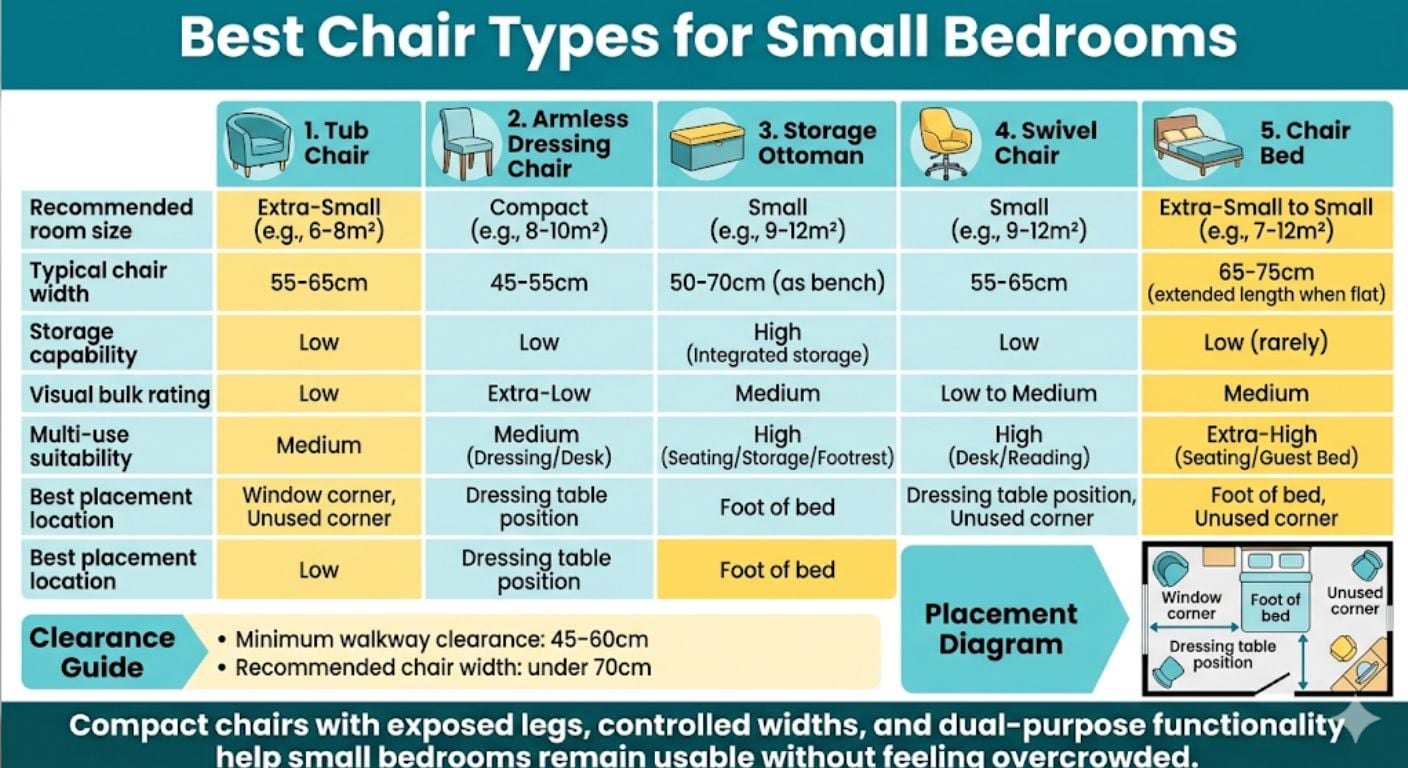
A small bedroom chair should usually stay under 70cm wide, particularly if it sits beside a dressing table, chest of drawers, or bed. Chairs with exposed legs or open bases also help preserve visible floor space, which makes the room feel less crowded even when the footprint is similar.
In practical terms, compact chairs generally fall into these ranges:
- Width: 50–70cm
- Seat depth: 45–60cm
- Overall depth: under 75cm where possible
- Seat height: 45–50cm for most dressing tables
The shape matters as much as the measurement. Rounded tub chairs and compact armless chairs often fit better into corners than square armchairs with wide arms.
Low-profile backs can also help reduce visual bulk in tighter bedrooms where wardrobes or shelving already dominate the wall height.
Chair Features That Help a Small Room Feel Bigger
Some chair designs physically fit into a room but still make the space feel overcrowded. Visual openness matters.
The following features generally work better in compact bedrooms:
Slim or Exposed Legs
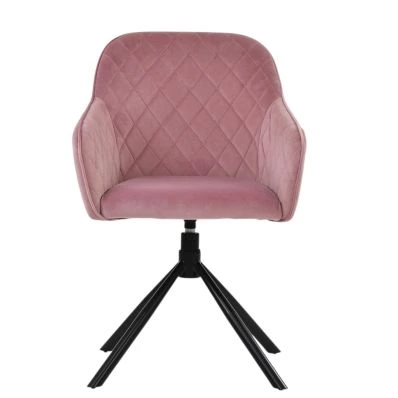
Wooden or metal legs that leave visible floor underneath the chair create a lighter appearance. Solid box bases or oversized upholstered plinths tend to visually block the floor and make the room feel tighter.
Open Frame Designs
Armless or partially open-frame chairs reduce the overall visual mass. This is particularly useful in bedrooms already containing large wardrobes or ottoman beds.
Narrow Armrests
Wide padded arms increase the footprint quickly. Slim-profile arms maintain comfort without taking up unnecessary width.
Lower Back Heights
Tall wingback chairs can overpower smaller rooms. Compact backs usually integrate more cleanly into bedrooms with limited wall space.
One thing we see regularly with our customers is that oversized accent chairs often look manageable in showroom photos but dominate the room once placed beside a standard UK double bed.
Which Chair Styles Work Best in Small Bedrooms?
Different chair types suit different layouts. The goal is usually to balance comfort with minimal floor usage.
Compact Tub Chairs
Tub chairs work well in bedroom corners because their curved backs soften the shape and reduce sharp edges visually. Many stay within a manageable footprint while still offering proper back support.
They are particularly useful beside dressing tables or near windows.
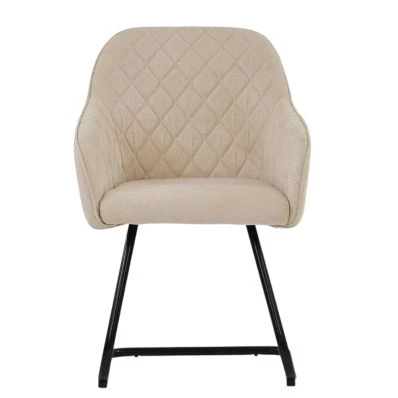
Armless Dressing Chairs
Armless chairs are one of the safest choices for compact bedrooms because they slide neatly beneath dressing tables when not in use.
Many people browsing dressing table chairs prioritise compact width over deep cushioning for exactly this reason.
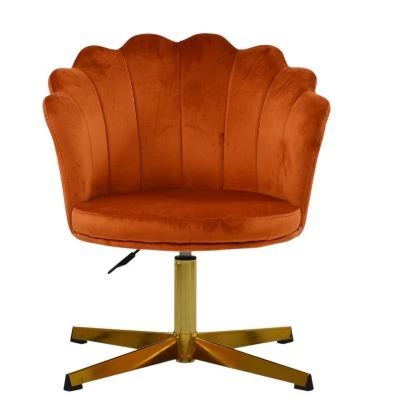
Swivel Chairs
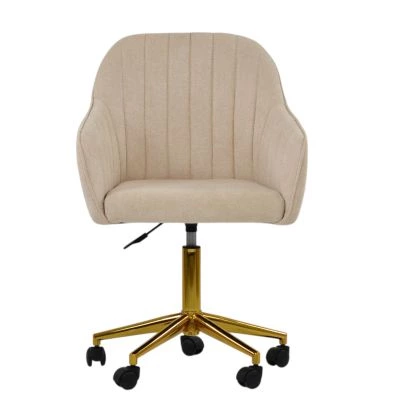
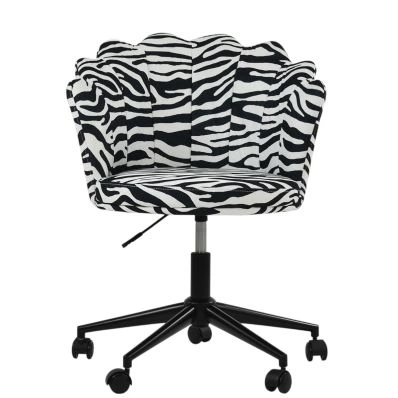
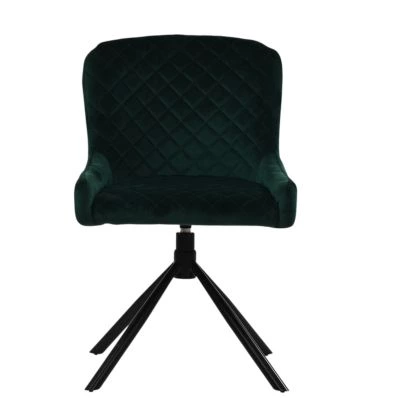
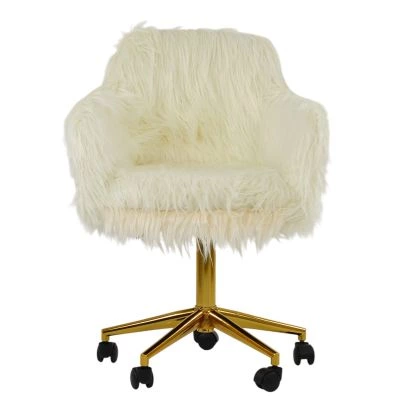
A swivel base can help in multipurpose bedrooms where the chair serves both a dressing table and a desk area. Compact swivel chairs also reduce the need to physically reposition furniture.
If using a swivel chair for occasional office use, prioritise:
- Adjustable seat height
- Neck and lumbar support
- Stable five-point base
- Compact caster footprint
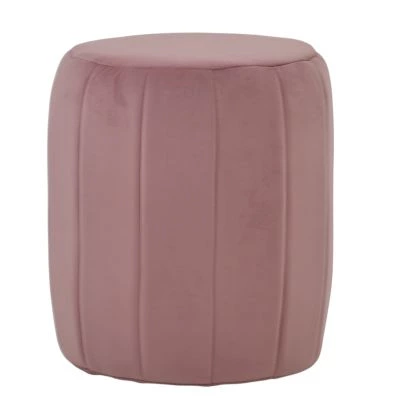
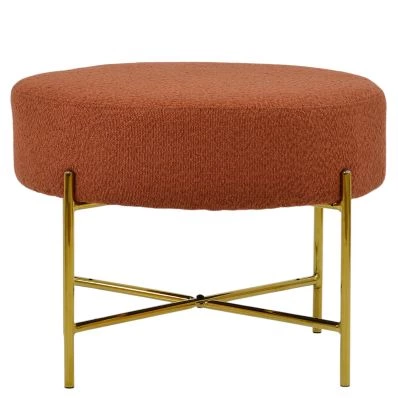
Storage Ottomans and Stools
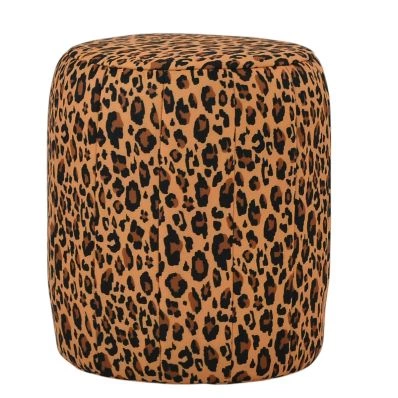
Storage seating works well in smaller bedrooms where every piece of furniture needs secondary use.
Hidden storage compartments can hold:
- Spare bedding
- Throws
- Hair tools
- Small accessories
- Occasional-use clothing
Lift-up seat pads are usually more space-efficient than pull-out drawers because they do not require extra clearance space.
Chair Beds and Fold-Out Seating
Chair beds can work in guest bedrooms or dual-purpose spaces, but they require careful measurement.
Before choosing one, check:
- Fold-out clearance
- Mattress thickness
- Frame weight
- Ease of opening
- Daily seating comfort
Many chair beds solve occasional guest sleeping needs but compromise heavily on everyday comfort due to upright seat angles and firmer foam.
Where Should You Position a Chair in a Small Bedroom?
The best position usually depends on circulation space rather than symmetry. In smaller rooms, keeping walkways clear matters more than balancing furniture visually.
The most effective placements are:
Near a Window
Natural light helps define a reading or dressing area without adding extra furniture or lighting clutter.
Compact chairs with slim arms work particularly well here because they avoid blocking light flow.
In an Unused Corner
Corners often become dead space in smaller bedrooms. Rounded chairs or narrow accent chairs can make these areas functional without interrupting movement around the bed.
At the Foot of the Bed
This works best with benches or narrow storage seating rather than deep armchairs.
Maintain at least:
- 45–60cm walking clearance
- Enough drawer clearance from wardrobes
- Unobstructed access to bedside units
According to House Beautiful’s small bedroom layout guidance, preserving visible floor area and circulation routes has a major impact on whether compact rooms feel functional or overcrowded.
How Fabric Choice Affects a Small Bedroom
Fabric changes both the appearance and practicality of a compact chair.
Bouclé
Bouclé adds texture without requiring bold colour. In smaller bedrooms, this can help create contrast while keeping the overall palette relatively soft.
It works particularly well on compact curved chairs and tub designs.
Velvet
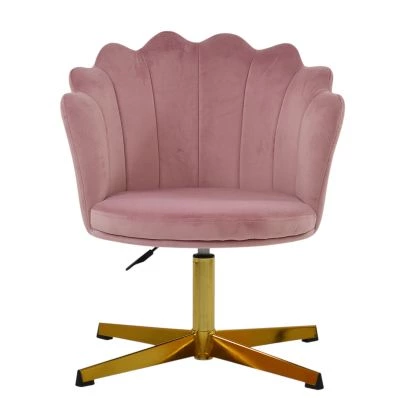
Velvet reflects light differently throughout the day, which can make smaller chairs appear visually richer without increasing their physical size.
Darker velvets tend to feel heavier visually, while lighter shades soften the room more effectively.
Faux Leather
Faux leather is practical in bedrooms used for occasional work, makeup application, or eating. It wipes clean easily and generally holds its shape well in compact seating formats.
Linen and Cotton Blends
These fabrics work best where a lighter, less formal look is needed. They usually appear visually softer but can wrinkle more easily than structured upholstery.
When a Small Bedroom Chair Makes Sense — And When It Does Not
A compact bedroom chair usually works well when:
- The room has unused corner space
- The chair replaces another function
- You need seating separate from the bed
- A dressing table requires a dedicated seat
- The chair doubles as storage or workspace seating
It is often less suitable when:
- Walkways are already tight
- The room contains large wardrobes
- The bed dominates most of the floor space
- The chair serves no practical function
- Clearance around drawers and doors is already limited
In very compact bedrooms, a stool or narrow bench often performs better than a full armchair.
Frequently Asked Questions
What size chair is best in a small bedroom?
Compact chairs under roughly 70cm wide usually work best in smaller bedrooms. Chairs with exposed legs or open bases also help maintain visible floor space, which makes the room feel less crowded. Rounded shapes and shallow seat depths generally fit more naturally into tighter layouts than oversized square armchairs.
Where is the best place to position a chair in a bedroom?
The most effective positions are usually beside a window, in an unused corner, or at the foot of the bed. The main priority is maintaining clear walking routes and preserving usable floor space rather than centring the chair visually within the room.
Are swivel chairs suitable for bedrooms?
Compact swivel chairs can work well in bedrooms that also function as office or dressing spaces. Look for models with adjustable height, stable bases, and supportive backs rather than oversized executive-style office chairs.
Is a storage chair useful in a small bedroom?
Storage seating is often one of the most practical options for smaller bedrooms because it combines seating with hidden storage. Ottoman benches and lift-up stools are particularly effective for storing blankets, cushions, or occasional-use items without adding extra furniture.
What chair shape works best in a small bedroom corner?
Rounded tub chairs and narrow armless chairs generally fit corners more effectively than square armchairs with wide arms. Compact curved backs soften the layout visually and reduce the amount of usable floor space the chair occupies.
Final Thoughts
A small bedroom chair works best when the proportions stay controlled and the chair adds a clear practical purpose to the room. Compact widths, exposed legs, and careful placement usually matter more than decorative styling choices.
If you are comparing seating options for dressing areas specifically, the wider range of bedroom and dressing table chairs shows the types of compact seating that generally suit tighter spaces more effectively. For broader buying guidance, the main article on choosing a bedroom chair covers the wider decision process in more detail.


Comments