
 Chat with us on WhatsApp

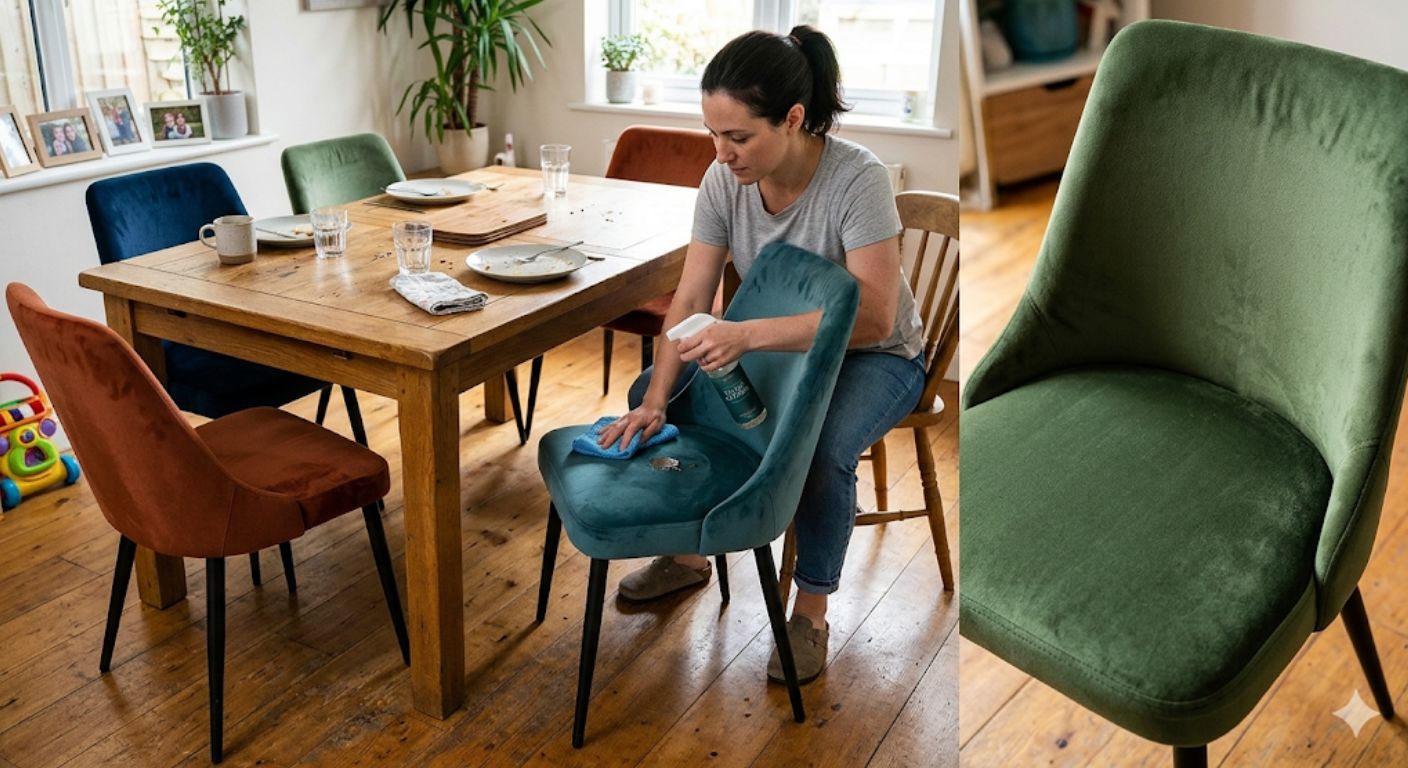
Are Velvet Dining Chairs Practical? Staining, Cleaning & Daily Use
Velvet dining chairs have moved beyond occasional-use furniture and are now common in everyday kitchens and dining rooms. The main concern buyers have is practicality: do they stain easily, are they difficult to clean, and can they handle regular family use?
The short answer is yes — modern velvet dining chairs can be practical for daily use, but the fabric type, colour, and construction matter more than many people realise. Polyester and performance velvets are far more resilient than traditional cotton velvet, while darker shades and tighter weaves are usually easier to live with in busy homes.
If you are still deciding between materials, it also helps to compare velvet with wipe-clean alternatives directly in this guide to velvet dining chairs vs leather.
Are Velvet Dining Chairs Practical for Everyday Use?
Yes, especially when you choose modern synthetic or performance velvet rather than delicate traditional velvet.
Most contemporary velvet dining chairs use polyester-based fabrics designed to improve:
- Stain resistance
- Abrasion resistance
- Colour retention
- Ease of cleaning
- Resistance to crushing and flattening
This makes them far more suitable for daily dining than older-style velvet upholstery.
In practical terms, velvet works well for:
- Adult households
- Open-plan dining areas
- Regular entertaining
- Daily evening dining
- Hybrid dining/work spaces
It becomes less practical when buyers choose:
- Very pale colours
- Low-quality cotton velvet
- Chairs without protective coatings
- Homes with heavy pet scratching
The fabric itself is not usually the failure point. More often, poor-quality foam, weak frames, or cheap upholstery stitching wear out first.
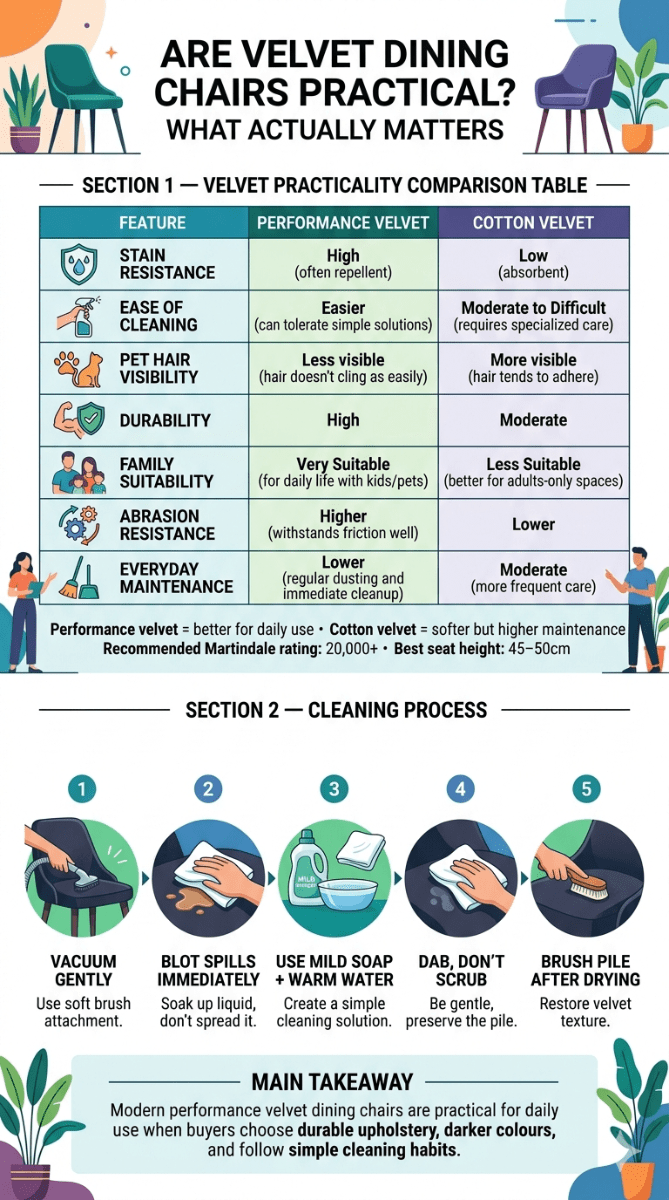
Performance Velvet vs Cotton Velvet for Everyday Use
Not all velvet performs the same way.
Performance Velvet
Performance velvet is usually made from polyester or synthetic blends designed for high-use upholstery.
Advantages include:
- Better stain resistance
- Easier spill removal
- Higher abrasion resistance
- Less marking from pressure
- Better colour consistency
- Faster drying after spot cleaning
This is normally the best option for busy dining spaces.
Cotton Velvet
Cotton velvet feels softer and more traditional but is less practical for dining furniture.
Common issues include:
- Marks more easily
- Absorbs liquid faster
- Harder to clean
- More prone to crushing
- Can fade faster in sunlight
For occasional-use dining rooms, cotton velvet can still work well. For daily use, synthetic velvet is usually the safer choice.
Do Velvet Dining Chairs Stain Easily?
Velvet is more stain-sensitive than wipe-clean materials, but modern velvet does not stain as easily as many buyers assume.
Most food spills only become permanent stains when:
- Liquid sits too long
- The fabric is rubbed aggressively
- Strong cleaners damage the pile
- Oils penetrate untreated fabric
Fast response matters more than the material itself.
We regularly find our customers worry about velvet before buying, but in practice most everyday marks come out successfully if they are blotted quickly instead of scrubbed into the fabric.
Dark Colours Hide Wear Better
For family homes, darker shades are normally more forgiving.
Good practical options include:
- Charcoal
- Navy
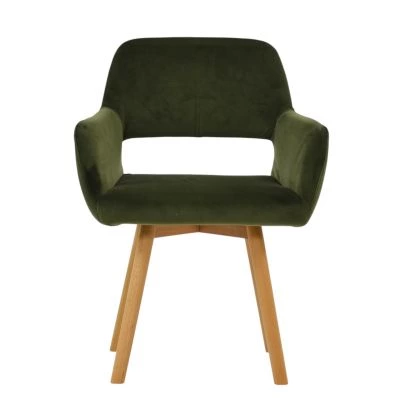
- Forest green
- Dark grey
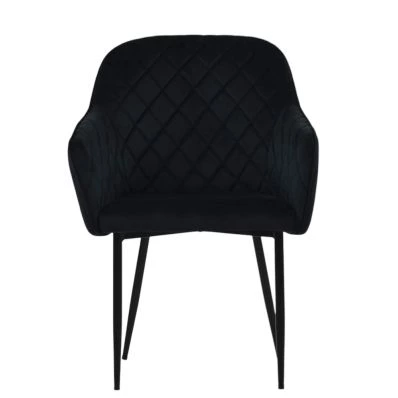
- Black
Lighter velvets can still work but show:
- Water marks
- Food stains
- Pressure shading
- Everyday dust
more visibly.
How to Clean Velvet Dining Chairs
Most velvet dining chairs can be maintained using simple spot-cleaning methods rather than specialist treatment.
Step-by-Step Cleaning Method
- Vacuum gently using an upholstery attachment
- Blot spills immediately using a dry microfibre cloth
- Use warm water with mild soap for remaining marks
- Dab lightly rather than scrubbing the fabric
- Allow the chair to air dry, then brush the pile gently
Avoid soaking the fabric. Excess water can leave water marks or flatten the velvet texture.
The UK cleaning guidance from the NHS upholstery cleaning recommendations also supports gentle cleaning methods and avoiding over-wetting upholstery fabrics.
What Should You Avoid?
Avoid:
- Bleach
- Harsh upholstery chemicals
- Stiff brushes
- Steam cleaning without testing first
- Scrubbing against the pile
Aggressive cleaning damages the velvet finish faster than normal daily use.
Are Velvet Dining Chairs Suitable for Families?
They can be, but fabric selection matters.
For homes with toddlers or frequent food spills, look for:
- Polyester or performance velvet
- Darker colours
- Tight-pile upholstery
- Chairs with removable cushions where possible
- Strong stitched seams
Velvet is often assumed to be fragile, but many modern versions cope surprisingly well with normal family use.
The biggest issue in busy homes is usually maintenance discipline rather than durability. If spills are left for hours, staining risk increases significantly.
Are Velvet Dining Chairs Good for Pets?
Velvet has mixed results in homes with pets.
Advantages
- Minor marks can blend into the fabric texture
- Pet hair is often easier to brush off than woven fabrics
- Tight-pile velvet resists snagging better than loose weaves
Drawbacks
- Cat claws can still pull fibres
- Hair becomes more visible on dark colours
- Static can attract dust and fur
Interestingly, velvet sometimes hides small claw marks better than faux leather, which can permanently scratch or peel after repeated contact.
How Durable Are Velvet Dining Chairs?
Durability depends more on upholstery grade than on the word “velvet” itself.
For everyday use, look for fabrics with a higher abrasion rating.
Martindale Rub Count Guide
- 10,000–15,000: occasional domestic use
- 20,000–25,000: regular domestic dining use
- 40,000+: heavy-use or commercial environments
For most dining rooms, 20,000+ Martindale rubs is a sensible minimum target.
Frame quality also matters. Solid wood or reinforced metal frames generally outlast lightweight hollow constructions.
What Is the Best Seat Height for a Velvet Dining Chair?
The ideal seat height for a velvet dining chair is usually between 45cm and 50cm.
This normally suits standard dining tables measuring around 74cm to 76cm high and leaves roughly 25cm to 30cm of clearance between the seat and tabletop.
If the chair includes thick cushioning, check whether the seat compresses significantly during use. Deep foam can alter the effective sitting height over time.
For broader sizing guidance, it is better to use this dedicated dining chair size guide rather than estimating visually.
Many sizing issues occur because buyers focus on colour, fabric, or style before checking dimensions. Even a well-proportioned velvet dining chair can feel uncomfortable if the seat is too high, too low, or too wide for the available space around the table. Understanding how seat height, chair width, seat depth, and table clearance work together can help avoid common compatibility problems and reduce the risk of ordering chairs that look right but do not fit the room properly. Our complete dining chair size guide explains these measurements in more detail and shows how to match dining chairs to different table sizes and layouts.
When Velvet Dining Chairs Make Sense
Velvet dining chairs work particularly well when buyers want:
- Softer seating comfort
- Warmer-feeling upholstery
- More colour depth than leather or plastic
- A dining chair that feels less clinical
- A balance between comfort and formal appearance
They also suit:
- Open-plan kitchen diners
- Evening entertaining
- Lower-noise dining spaces
- Homes wanting softer textures around hard flooring
Many buyers also use them beyond the dining room, particularly in dressing areas and home offices.
When Velvet Dining Chairs May Not Be the Best Choice
Velvet may not be ideal if:
- You want fully wipe-clean furniture
- Pets scratch upholstery heavily
- The dining area gets direct strong sunlight all day
- You dislike visible fabric shading
- You want zero-maintenance seating
In those situations, alternatives like faux leather may be easier to manage long term.
If you are comparing upholstery types more broadly, this guide to dining chair materials explains where each option performs best.
Frequently Asked Questions
Are velvet dining chairs easy to clean?
Yes, modern velvet dining chairs are usually straightforward to maintain with regular vacuuming and fast spill removal. Polyester and performance velvets are much easier to clean than traditional cotton velvet and are designed for everyday domestic use.
Are velvet dining chairs practical for families with toddlers?
They can be practical if you choose darker performance velvet fabrics and clean spills quickly. Lighter colours and untreated cotton velvet are less forgiving in busy family dining spaces.
Do velvet dining chairs flatten over time?
Some pressure marking is normal, especially on softer velvet. Higher-quality synthetic velvet generally recovers better after use and resists permanent flattening more effectively than cheaper fabrics.
Is velvet better than leather for dining chairs?
Neither material is universally better. Velvet usually offers a softer, warmer feel, while leather is easier to wipe clean. The best option depends on how the dining space is used and how much maintenance you are comfortable with.
Can you use velvet dining chairs every day?
Yes. Most modern velvet dining chairs are designed for regular daily use, particularly models using polyester or performance upholstery fabrics with suitable abrasion ratings.
-
-
-
-
-
-
-
-
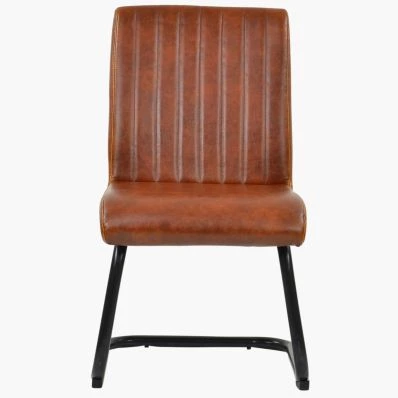
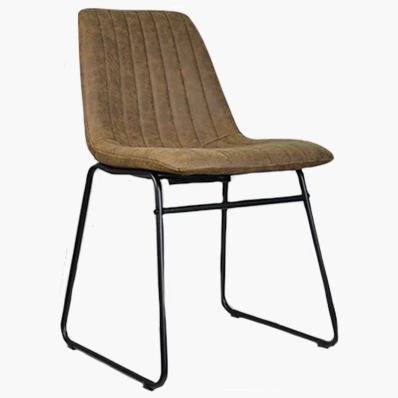 Plato Dining Chair in Aged Brown LeatherSpecial Price £59.99 Regular Price £89.99 Original price 33% Inc VATSaving £30
 -
-
-
-
Final Thoughts
Velvet dining chairs are more practical than their reputation suggests, particularly when buyers choose durable synthetic velvet, darker colours, and properly constructed frames.
They are not fully maintenance-free, but they can handle normal daily dining successfully when spills are dealt with quickly and basic care is followed.
If you are still comparing upholstery types, the broader guide to velvet dining chairs vs leather explains where each material performs best. You can also browse Lakeland’s full range of velvet dining chairs to compare fabrics, colours, and frame styles in more detail.


Comments