
 Chat with us on WhatsApp

How to Care for Wooden Dining Chairs: Cleaning, Scratches & Longevity
Wooden dining chairs are popular because they are durable, easy to maintain, and suit both modern and traditional dining spaces. Unlike heavily upholstered seating, wood surfaces are generally simpler to wipe down and less likely to hold odours, dust, or stains over time.
That does not mean wooden chairs are maintenance-free. Daily cleaning habits, room conditions, and the type of wood finish all affect how well they age. Small issues such as loose joints, surface scratches, water marks, or drying caused by direct heat can shorten the lifespan of the chair if ignored.
This guide focuses specifically on wooden dining chair care, including cleaning methods, scratch repair, protection techniques, and how to extend the life of solid wood seating. If you are comparing different dining chair materials overall, Lakeland’s guide to velvet dining chairs vs leather covers broader maintenance differences between upholstered materials.
How Often Should Wooden Dining Chairs Be Cleaned?
Wooden dining chairs benefit from light, regular cleaning rather than occasional deep cleaning. Dust particles and food residue gradually wear down protective finishes if left sitting on the surface for long periods.
For most households:
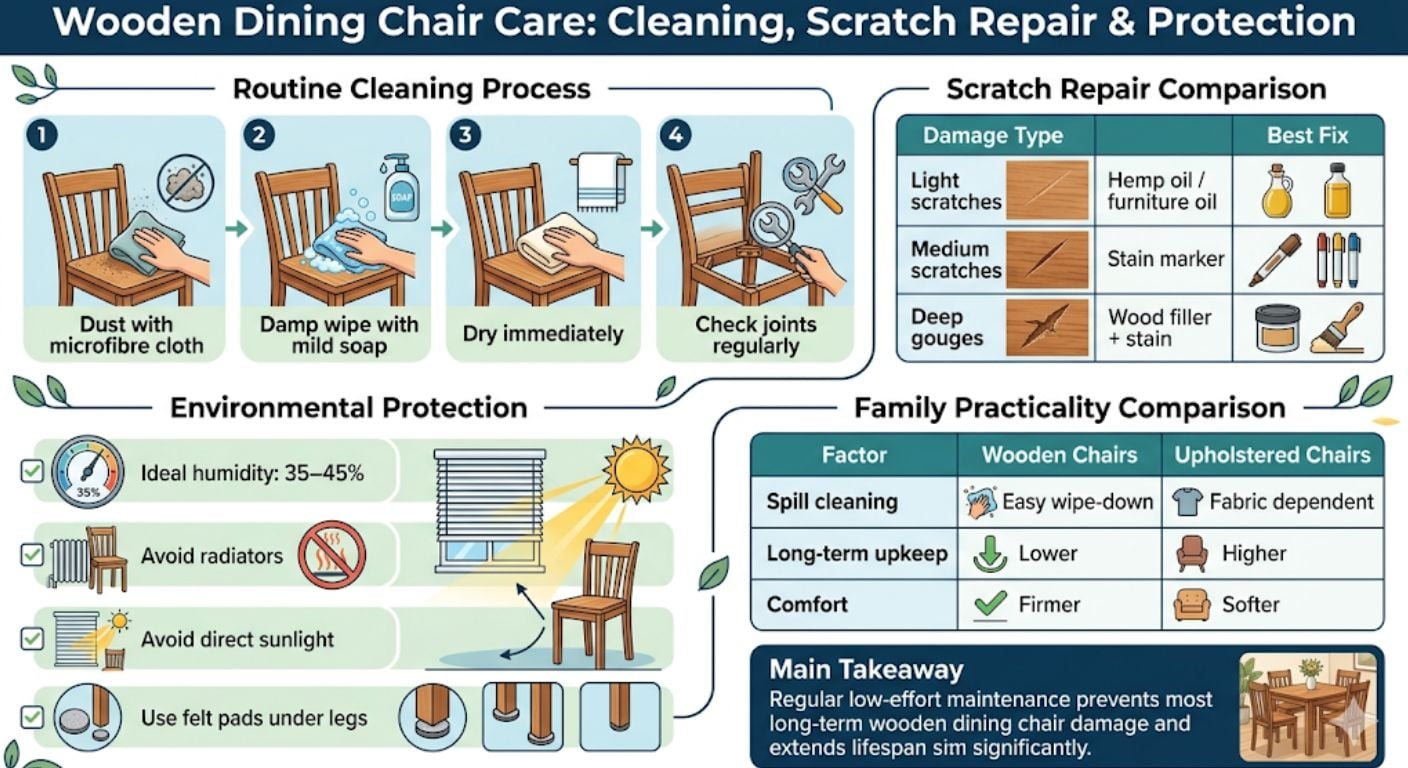
- Dust chairs once or twice weekly with a dry microfibre cloth
- Wipe spills immediately after meals
- Perform a deeper clean every 1–2 months
- Check chair joints and fixings every few months
Homes with pets, children, or open-plan kitchen dining areas usually need more frequent wiping because grease and airborne cooking residue settle onto exposed wood surfaces faster.
What Is the Best Way to Clean Wooden Dining Chairs?
The safest method depends on the finish type. Most modern dining chairs use lacquered, sealed, or lightly oiled finishes rather than raw timber.
Routine Cleaning
For everyday cleaning:
- Use a dry microfibre cloth to remove loose dust
- Dampen a second cloth with warm water
- Add a small amount of mild soap if needed
- Wipe gently without soaking the wood
- Dry immediately with a clean cloth
Avoid abrasive pads, bleach-based sprays, or strong kitchen degreasers. These can dull protective coatings or strip oil finishes over time.
Vacuum cleaners with a soft brush attachment can also help clean corners, spindle backs, and seat joints where dust collects.
Cleaning Grime From Older Wooden Chairs
Older wooden dining chairs sometimes develop sticky grime around hand contact points, especially on chair backs and seat edges.
For heavier build-up:
- Use diluted wood soap or Murphy’s Oil Soap
- Apply using a soft cloth, not directly onto the wood
- For stubborn grime, lightly use mineral spirits on a cloth
- Very fine 0000 steel wool can help remove residue on durable finishes, but test carefully first
The UK government’s advice on maintaining indoor humidity levels can also help reduce cracking and wood movement in heated homes during winter months through better moisture control from sources such as the Met Office humidity guidance.
Understanding Wood Finishes Before Cleaning
Different finishes react differently to moisture, oils, and cleaning products.
| Finish Type | Care Level | What to Avoid |
|---|---|---|
| Lacquered | Low maintenance | Abrasive cleaners |
| Oiled | Needs occasional re-oiling | Excess water |
| Waxed | Requires gentle cleaning | Strong detergents |
| Painted | Easy wiping | Scouring pads |
Solid oak and hardwood dining chairs often use oiled or lacquered finishes. Painted wooden chairs tend to hide small scratches more effectively but can chip visibly around edges.
One thing we regularly hear from our customers is that darker stained wood often shows dust faster than lighter oak finishes, particularly in bright kitchen-dining spaces with natural light.
How to Prevent Scratches and Surface Damage
Most scratches happen through repeated friction rather than major impacts. Dining chairs are moved frequently, making prevention more effective than repeated repair.
Ways to Reduce Wear
- Add felt pads under chair legs
- Avoid dragging chairs across hard flooring
- Keep chairs away from radiators
- Use placemats and coasters during meals
- Wipe spills before liquids soak into joins or exposed grain
Floor protectors also help prevent movement stress that gradually loosens chair joints over time.
How to Fix Light Scratches on Wooden Dining Chairs
Light surface scratches can often be improved without sanding or refinishing the chair.
- Clean the scratched area with a dry cloth
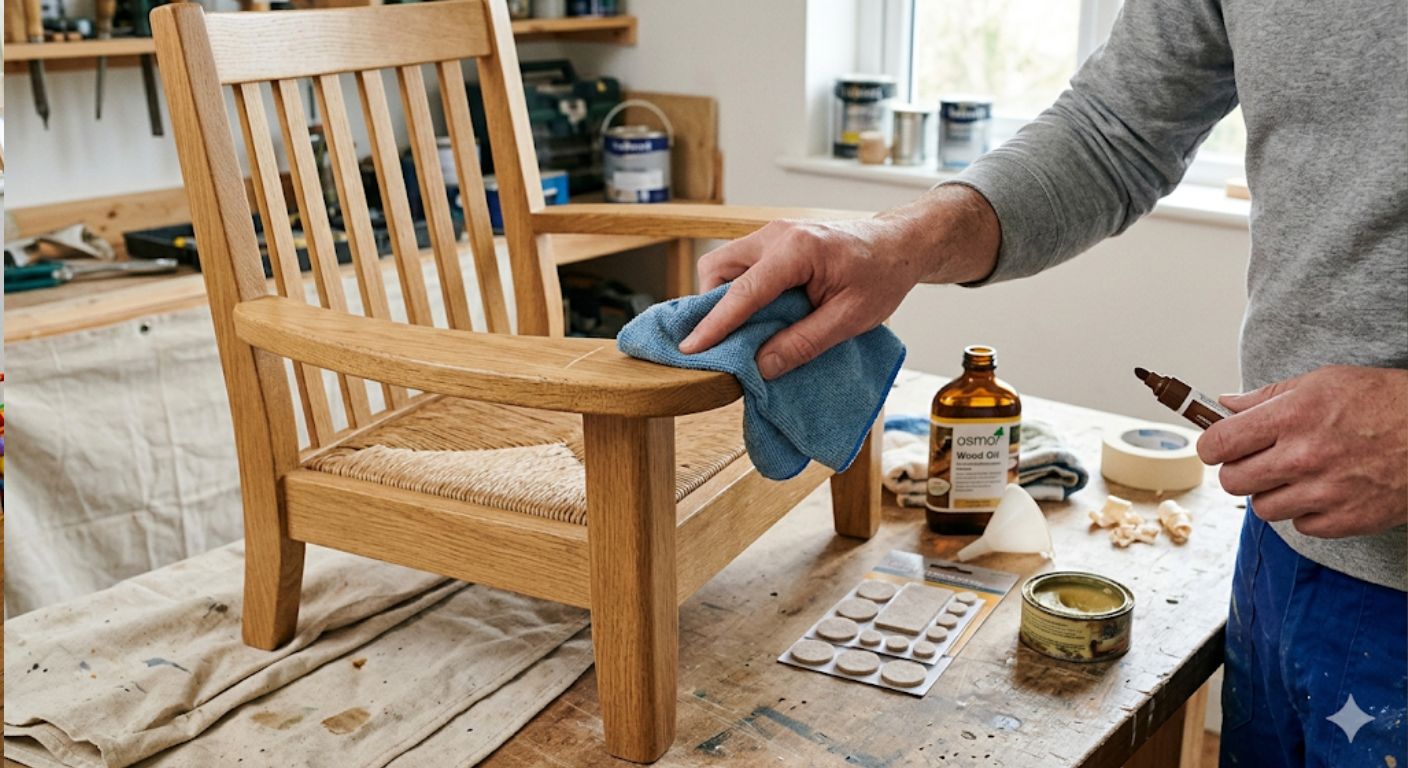
- Apply hemp oil or furniture oil using circular motions
- Rub gently into visible scratches
- Remove excess oil with a clean cloth
- Allow the surface to dry fully before use
For slightly darker scratches, stain markers or touch-up pens can blend exposed wood fibres back into the surrounding finish.
Matching the darkest grain tone usually gives a more natural result than trying to match the lightest section of the wood.
Repairing Deep Scratches and Gouges
Deeper scratches that cut through the finish normally require filler or wax repair products.
Common repair options include:
- Wood filler for gouges and dents
- Wax repair sticks for small chips
- Stain markers for colour correction
- Furniture touch-up pens for edge wear
After filling:
- Allow the repair product to dry
- Lightly sand the area if required
- Apply matching stain or touch-up colour
- Seal if necessary using compatible furniture wax or lacquer
For heavily damaged chairs or antique hardwood furniture, professional refinishing is often safer than aggressive DIY sanding.
How Humidity and Sunlight Affect Wooden Chairs
Wood naturally expands and contracts as room humidity changes. Excessively dry conditions can cause shrinking and cracking, while high moisture levels increase the risk of swelling or warping.
Stable indoor conditions help preserve joint strength and finish consistency.
As a general guide:
- Ideal indoor humidity is roughly 35–45%
- Avoid placing chairs directly beside radiators
- Keep wooden chairs away from prolonged direct sunlight
- Rotate chairs occasionally in bright rooms to reduce uneven fading
Sunlight can gradually bleach exposed sections of oak and other lighter woods, especially near patio doors or south-facing windows.
Are Wooden Dining Chairs Good for Families?
Wooden dining chairs are often one of the most practical choices for busy households because spills are easier to wipe away than on fabric seating. They also tend to hold up better against frequent daily use.
Compared with upholstered seating:
| Factor | Wooden Dining Chairs | Upholstered Dining Chairs |
|---|---|---|
| Spill Resistance | Easy to wipe clean | Depends on fabric type |
| Scratch Visibility | Can show surface marks | Less visible on fabric |
| Long-Term Maintenance | Generally lower | Requires stain management |
| Comfort | Firmer seating | Softer padded feel |
If comfort is the main concern, padded seat cushions or partially upholstered wooden dining chairs can offer a middle ground without creating full fabric maintenance requirements.
For buyers comparing wider material differences across dining seating, Lakeland’s advantages and disadvantages of plastic dining chairs article explores another practical low-maintenance option.
When Does a Wooden Dining Chair Need Repair or Replacement?
Minor cosmetic wear is normal over time, but structural issues should not be ignored.
Warning signs include:
- Loose or wobbling legs
- Visible joint separation
- Cracking sounds during use
- Splitting around fixings
- Persistent instability after tightening screws
Most solid wood dining chairs can be repaired more easily than cheaper flat-pack seating because joints can often be reglued or tightened.
Higher-quality hardwood chairs also tend to age better because the wood fibres remain denser and more resistant to long-term movement.
Choosing Wooden Dining Chairs With Longevity in Mind
Not all wooden dining chairs age equally well. Material quality and construction matter more than appearance alone.
Features worth prioritising include:
- Solid hardwood construction
- Reinforced joints
- Replaceable floor protectors
- Consistent finish quality
- Smooth sealed edges that resist moisture absorption
Wood veneer chairs can still perform well at lower price points, but solid wood usually handles repeated daily use and long-term refinishing more effectively.
If you are browsing current styles and materials, Lakeland’s collection of wooden dining chairs includes both modern and traditional hardwood designs.
-
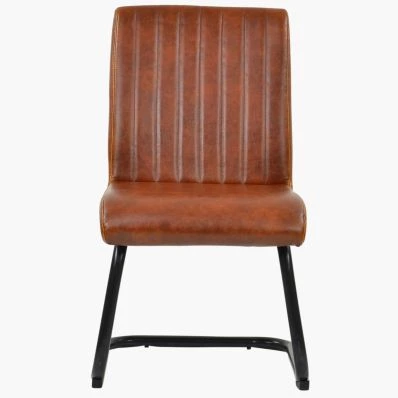
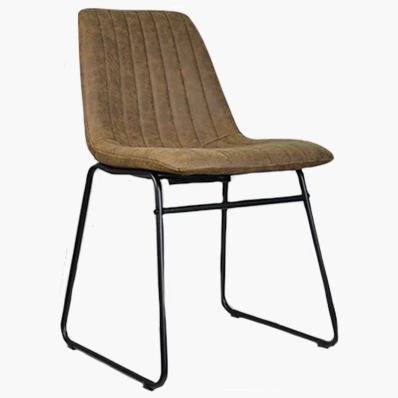 Plato Dining Chair in Aged Brown LeatherSpecial Price £59.99 Regular Price £89.99 Original price 33% Inc VATSaving £30
 -
-
-
-
-
-
-
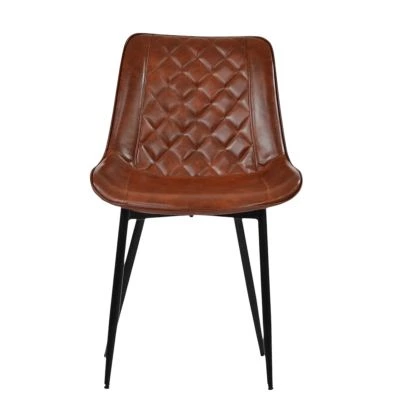 Hogan Dining Chair in Vintage Brown LeatherSpecial Price £44.99 Regular Price £69.99 Original price 36% Inc VATSaving £25Out of stock
 -
-
-
-
Conclusion
Wooden dining chair care is mostly about consistency rather than complicated maintenance. Regular dusting, quick spill removal, stable room conditions, and early scratch treatment all help extend the life of the finish and structure.
For busy homes, wooden dining chairs remain one of the easiest dining seating options to maintain long term, particularly when compared with softer upholstered materials that absorb stains more easily.
If you are still deciding between materials, Lakeland’s guide to leather dining chairs: real vs faux, how to clean and whether they are worth it compares another low-maintenance option for everyday dining use.


Comments