
 Chat with us on WhatsApp

Best Office Chairs: Shortlist + Decision Tree
Choosing the best office chair is usually less about finding a single “perfect” model and more about matching the chair to how you actually work. A chair that feels supportive for a 2-hour study session may become uncomfortable during 8-hour desk days. Likewise, a chair that works well in a cool office can feel overly warm in a south-facing room during summer.
This guide simplifies the buying process into a practical shortlist and decision tree. Instead of reviewing dozens of models individually, it focuses on the core decisions that affect long-term comfort, durability, posture support, and daily usability.
If you want a broader explanation of ergonomic buying factors, see our guide to buying an ergonomic office chair .
What Actually Makes One Office Chair Better Than Another?
The best office chairs usually share the same core traits:
- Adjustable seat height
- Stable recline mechanism
- Supportive seat padding or tensioned mesh
- Good seat depth proportions
- Armrests that align properly with desk height
- Strong frame construction and castor quality
The biggest difference between cheap and better-built chairs is not usually appearance. It is how consistently the chair supports posture after several hours of sitting.
A well-built ergonomic chair should typically last 10–15 years with daily use. Lower-cost office chairs often begin losing support, padding density, or gas lift performance within 18–24 months.
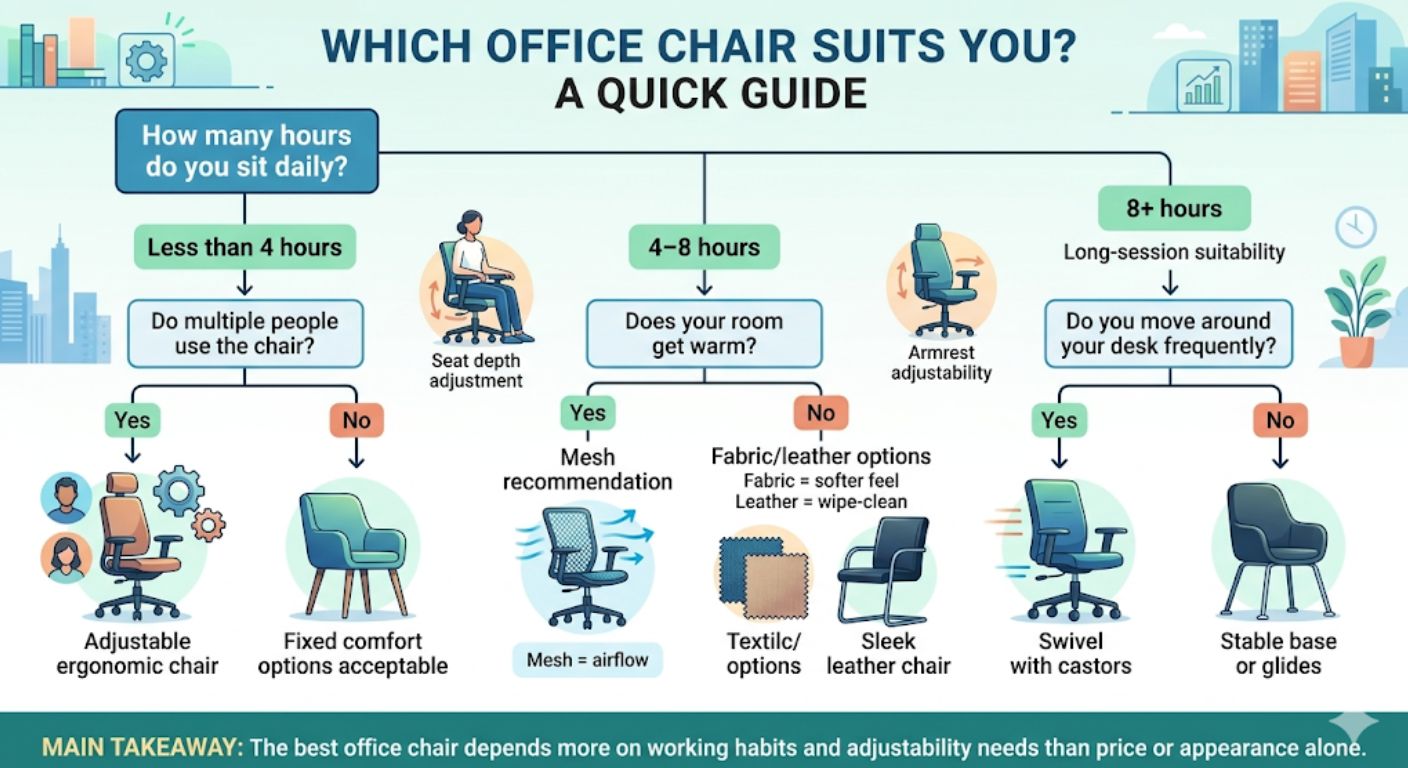
Quick Decision Tree: Which Type of Office Chair Makes Sense?
If You Work Long Hours Daily
Prioritise:
- Seat depth adjustment
- Recline support
- Adjustable armrests
- Stable lumbar shaping
- Higher-density seat cushioning
Long sitting sessions expose weaknesses quickly. Chairs with thin foam or fixed positioning often become uncomfortable after several hours.
For a deeper breakdown of what matters during extended sitting, read Best Chair for Long Hours .
If Your Room Gets Warm
Mesh-backed chairs generally perform better in hotter rooms because airflow reduces heat build-up around the back and shoulders.
Fabric and padded chairs usually feel softer initially but retain more heat during long sessions.
If You Move Frequently Around Your Desk
Swivel chairs with castors work best for multi-monitor desks, shared workspaces, or layouts where you regularly rotate or reposition.
If movement is less important, fixed-base or glider-style office chairs can feel more stable.
Related: Swivel Vs Fixed Office Chairs
If You Have Limited Space
Avoid oversized executive chairs with wide arm spans or deep recline footprints.
Compact ergonomic chairs with slimmer backs and shorter seat depth ranges usually fit smaller home offices more effectively.
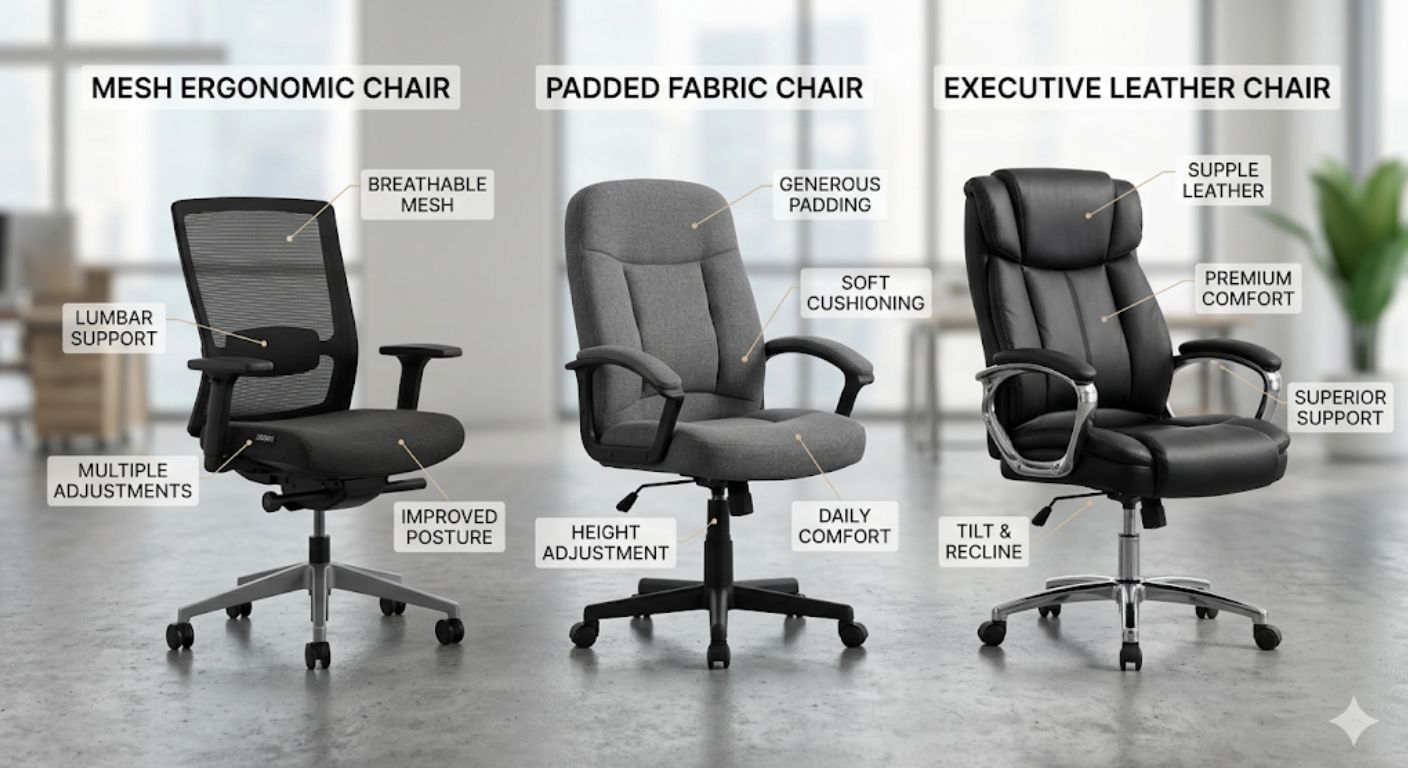
Mesh vs Fabric vs Leather Office Chairs
| Feature | Mesh | Fabric | Leather / Faux Leather |
|---|---|---|---|
| Breathability | Excellent | Moderate | Low |
| Softness | Firm support | Balanced | Soft initially |
| Cleaning | Easy | Moderate | Easy wipe-clean |
| Heat Retention | Low | Medium | High |
| Long-Term Feel | Consistent | Depends on foam density | Can crease over time |
Mesh office chairs are often the better option for warmer rooms or longer sitting sessions because they improve airflow and maintain a more consistent support structure.
Fabric chairs usually feel softer and more traditional. They also suit hybrid spaces where the office chair is visible within a living area.
Leather and faux leather chairs are practical for cleaning but can feel noticeably warmer during extended use.
The UK Health and Safety Executive display screen equipment guidance also recommends adjustable seating and stable support for prolonged desk work.
The Most Important Features To Check Before Buying
Seat Depth
Seat depth determines how much thigh support you get without pressure behind the knees.
Too shallow:
- Poor leg support
- Higher pressure concentration
- Reduced comfort during long sessions
Too deep:
- Pressure behind knees
- Restricted circulation
- Difficulty sitting back fully
Most adults suit seat depths around 45–50cm, though shorter users often benefit from adjustable seat sliders.
Armrest Adjustability
Fixed armrests are one of the most common causes of desk compatibility problems.
Ideally, armrests should allow:
- Height adjustment
- Width adjustment
- Pivot movement
4D armrests are not essential for everyone, but they help significantly if you alternate between typing, meetings, and relaxed reclining positions.
Recline Mechanism
Good recline systems support movement rather than forcing a rigid upright posture.
Better office chairs usually use synchro-tilt or weight-balanced recline systems that keep the body supported while leaning back.
One thing we see regularly with our customers is that many people focus heavily on cushioning but underestimate how important the recline feel becomes after several hours of use.
Base and Castor Quality
Low-quality castors are often the first component to fail on cheaper chairs.
A stable office chair should roll smoothly without wobble, resistance, or uneven movement.
If you are using hard flooring, softer castors or glides may reduce floor marking and noise.
Related: Castors Vs Gliders Office Chairs Difference
Are Expensive Office Chairs Actually Worth It?
Sometimes yes, but not always.
Higher-priced office chairs typically improve:
- Adjustment precision
- Material durability
- Foam density
- Mechanism smoothness
- Warranty length
What you are often paying for is consistency over years of use rather than dramatic short-term comfort differences.
For people working from home occasionally, a mid-range ergonomic chair is usually sufficient.
For full-time desk work, spending more on long-term support and durability often makes practical sense.
What To Avoid When Choosing an Office Chair
Very Soft Cushioning
A very soft office chair is not usually better for posture support.
When cushioning compresses too easily, the hips sink lower than the knees, which affects posture alignment and reduces support across the lower back.
This is why some chairs feel comfortable for 20 minutes but tiring after several hours.
Fixed Position Chairs
Non-adjustable chairs can work in occasional-use rooms but are difficult to fit correctly across different desk heights and body proportions.
Even basic height adjustment makes a significant difference to usability.
Oversized Executive Chairs
Large executive chairs often look impressive but can create practical problems:
- Too wide for standard desks
- Armrests hitting desk edges
- Poor airflow
- Excessive recline footprint
For many home offices, a medium-profile ergonomic chair is easier to use daily.
Best Office Chair Types By Use Case
Best for Long Daily Use
Look for:
- Seat slider adjustment
- Stable recline support
- Breathable backrest
- Higher-density cushioning
Best for Warm Rooms
Mesh-backed chairs generally perform best because airflow reduces heat build-up during long sessions.
Best for Shared Home Offices
Choose chairs with:
- Fast adjustment controls
- Wide seat height range
- Simple recline settings
Best for Smaller Home Offices
Compact chairs with:
- Shorter seat depth
- Slim armrests
- Narrower footprint
often integrate more cleanly into domestic spaces.
You can browse different styles and sizes within our office chairs collection .
Frequently Asked Questions
How long should a quality office chair last?
A quality ergonomic office chair should typically last between 10 and 15 years with regular daily use. Higher-density foam, stronger mechanisms, and commercial-grade frames reduce wear over time. Cheaper chairs often lose support much sooner, especially around the seat padding and gas lift.
Is a soft office chair better for back pain?
No. Very soft office chairs can allow the hips to sink too deeply, which affects posture alignment and reduces support across the lower back. Moderate cushioning combined with stable support is usually more effective during long sitting sessions.
Are mesh office chairs better?
Mesh office chairs are usually better for airflow and temperature control, especially in warm rooms or during long workdays. Fabric chairs may feel softer initially, while mesh tends to maintain more consistent support over time.
What features matter most in the best office chairs?
The most important features are adjustable height, supportive recline, correct seat depth, stable armrests, and durable construction. These factors affect comfort more than cosmetic styling or oversized cushioning.
Are expensive office chairs worth buying?
For people using a desk daily, higher-quality office chairs often justify the cost through durability, better support systems, and longer warranties. For occasional use, a well-built mid-range chair is usually enough.
-
-
-
-
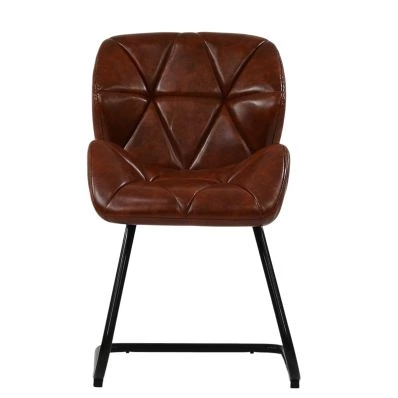
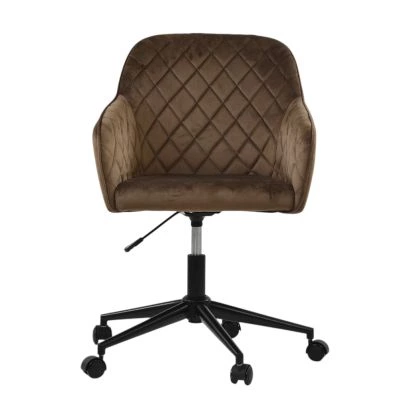
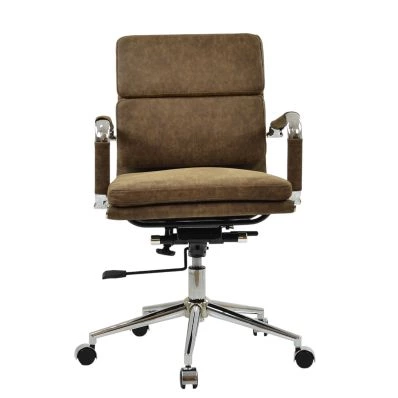 Chester Office Chair in Aged Brown LeatherSpecial Price £129.99 Regular Price £179.99 Original price 28% Inc VATSaving £50
 -
-
-
-
-
-

-
-
Final Thoughts
The best office chairs are usually the ones that match your working pattern, room conditions, and sitting duration rather than the most expensive option available.
For long daily use, prioritise adjustability, support consistency, and durable mechanisms over oversized styling or excessive softness.
If you want a broader breakdown of ergonomic buying considerations, read our guide to buying an ergonomic office chair , or browse the full office chair range to compare different styles and configurations.


Comments