
 Chat with us on WhatsApp

Desk Chair vs Office Chair: Whats the Difference
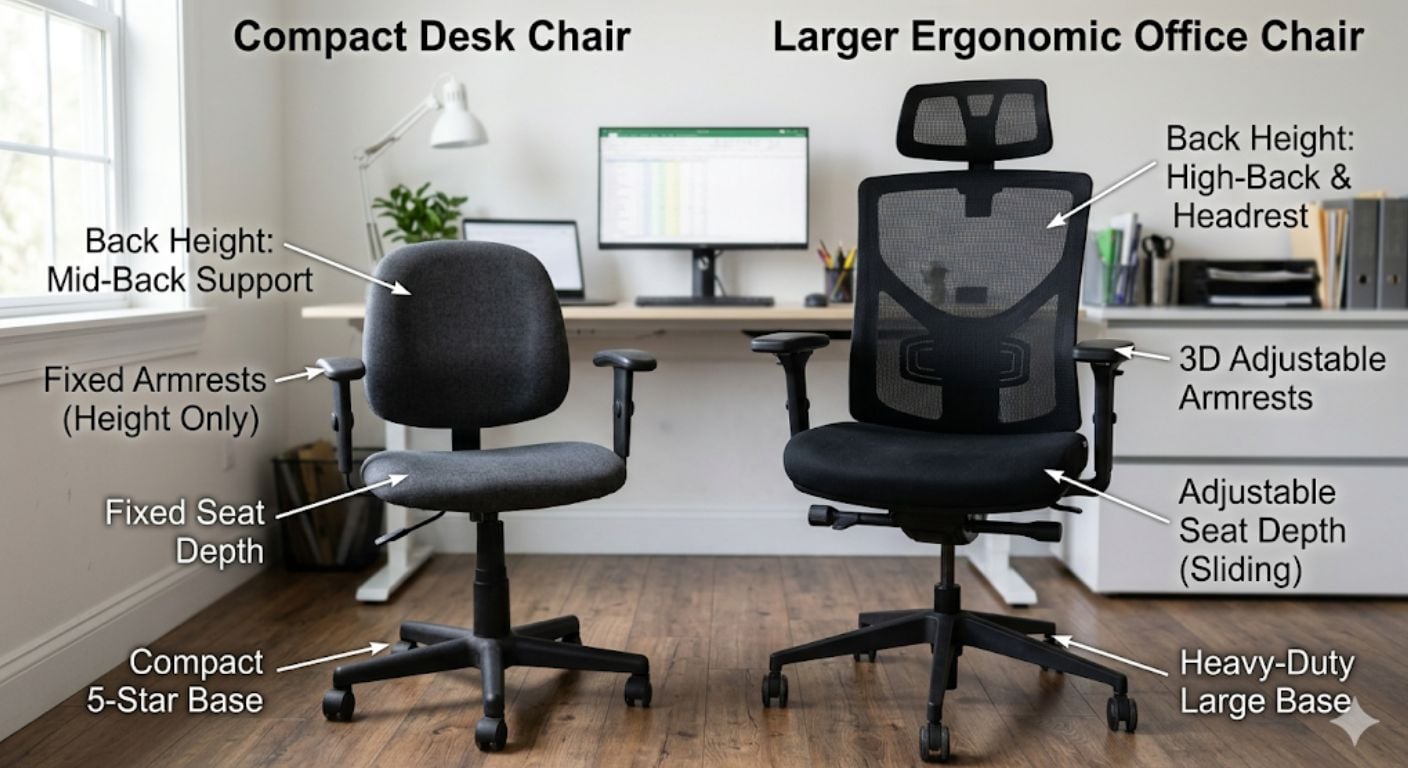
A lot of people use the terms “desk chair” and “office chair” interchangeably, but they are not always the same thing. In practice, a desk chair is usually a simpler, smaller chair designed for lighter use, while an office chair is built for longer sitting sessions, more adjustment, and better posture support.
The difference matters because the wrong chair can quickly become uncomfortable if your working habits do not match the chair’s design. Someone working at a desk for one or two hours per day often needs something very different from someone sitting for eight hours in a home office.
If you are still comparing broader ergonomic features, it is worth reading Buying An Ergonomic Office Chair What You Should Know alongside this guide.
What Is a Desk Chair?
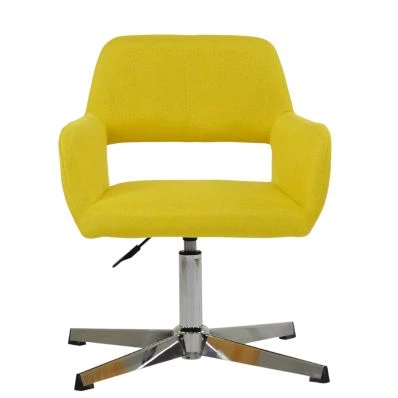
A desk chair is usually a compact, lightweight chair designed for shorter-duration desk use. Most desk chairs focus on basic comfort and practicality rather than advanced ergonomic adjustment.
Desk chairs are commonly used in:
- Bedrooms
- Student spaces
- Occasional home working setups
- Compact apartments
- Shared family desks
Most desk chairs include:
- Basic height adjustment
- Fixed or simple armrests
- Smaller seat bases
- Mid-back designs
- Lightweight frames
They are normally designed around shorter sitting periods rather than full-time work.
What Is an Office Chair?
An office chair is built for more frequent and longer-duration use. Compared with a typical desk chair, office chairs usually provide more adjustability, stronger support, and better movement throughout the day.
Most office chairs are designed around:
- Longer sitting sessions
- Professional desk work
- Improved posture support
- Greater body movement
- Reduced pressure build-up
Common office chair features include:
- Adjustable armrests
- Higher backrests
- More supportive seat foam
- Recline and movement mechanisms
- Lumbar adjustment systems
- Weight-rated gas lifts and bases
For people working from home several days per week, an office chair is normally the better long-term choice.
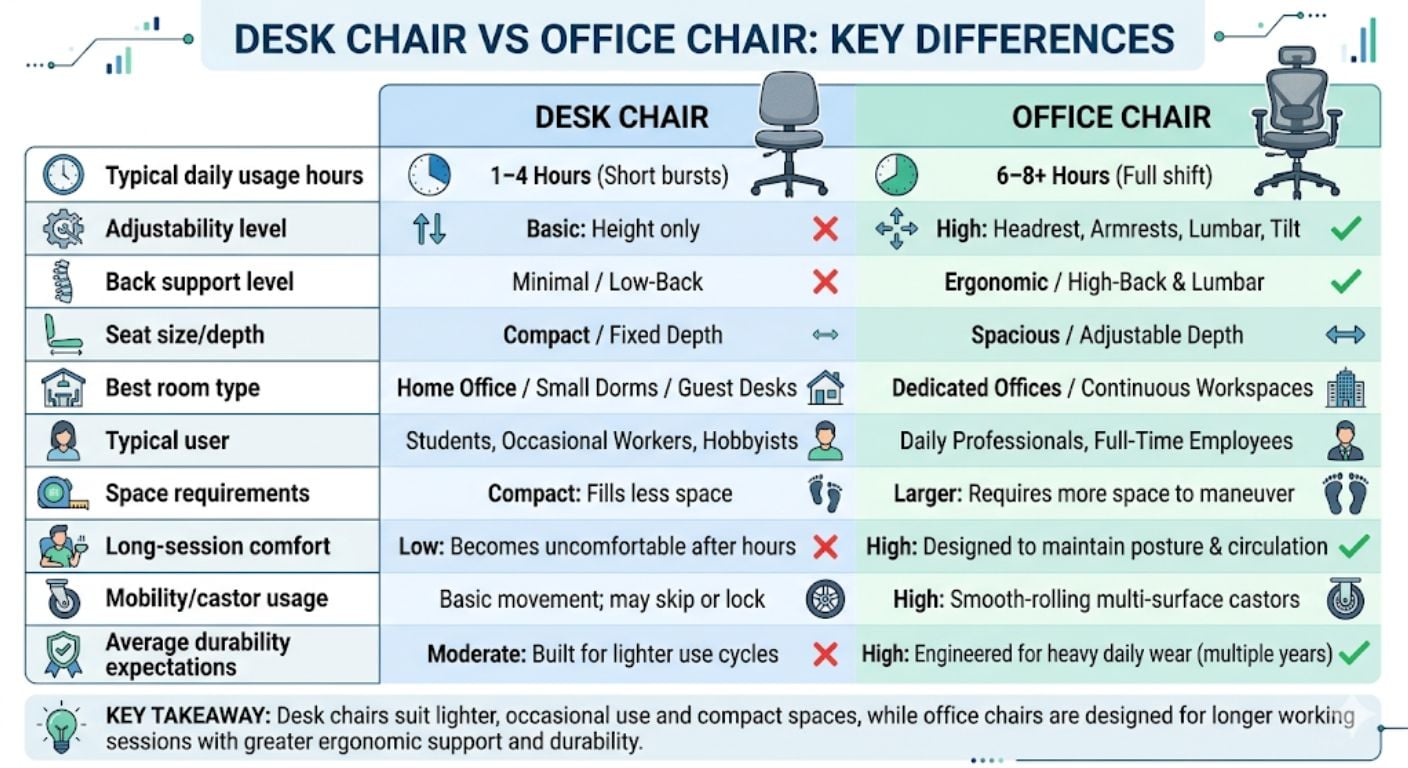
Desk Chair vs Office Chair: The Main Differences
| Feature | Desk Chair | Office Chair |
|---|---|---|
| Typical usage | 1–4 hours daily | 6–8+ hours daily |
| Adjustability | Basic | Moderate to advanced |
| Support level | Light support | Higher ergonomic support |
| Seat size | Usually smaller | Usually deeper and wider |
| Mobility | Light movement | Designed for continuous movement |
| Appearance | Often more decorative | More functional and task-focused |
| Long-session comfort | Limited | Designed for prolonged sitting |
Why Office Chairs Usually Cost More
The higher cost of many office chairs comes from the internal mechanisms rather than just appearance.
Higher-quality office chairs often include:
- Heavier steel internal structures
- Higher-density foam
- More durable castors
- Multi-point adjustment systems
- Commercial-grade gas lifts
- Longer warranty coverage
These features improve comfort over time and reduce wear during daily use.
We regularly see our customers replace inexpensive desk chairs after a year or two because the seat padding compresses quickly during full-time home working. The chair may still look fine externally, but comfort usually drops long before the frame fails.
According to guidance from the UK’s Health and Safety Executive, workstation seating should properly support the user and allow posture adjustment throughout the working day.
Are Desk Chairs Bad for Long Hours?
Not necessarily, but most standard desk chairs are not designed for continuous 8-hour use.
The main problem is usually limited adjustability. A simpler chair may not properly support:
- Thigh positioning
- Arm alignment
- Lower back positioning
- Movement throughout the day
This can lead to:
- Pressure build-up in the seat base
- Shoulder tension
- Restricted movement
- Poor sitting posture over time
If you work long hours at a desk, a dedicated ergonomic office chair normally makes more sense than a lightweight occasional-use desk chair.
For more detailed guidance on prolonged sitting comfort, see Best Chair for Long Hours: What Seat Depth, Lumbar & Armrests Matter.
Which Chair Is Better for Small Spaces?
Desk chairs are often the better option for smaller rooms because they usually have:
- Narrower seat widths
- Lower backs
- Smaller armrests
- Lighter visual weight
In compact flats or shared rooms, a bulky ergonomic office chair can dominate the space very quickly.
That said, some modern office chairs are now designed specifically for home-office environments where appearance matters alongside functionality.
Do Both Types Come With Wheels?
Both desk chairs and office chairs can come with either castors or fixed feet.
However, office chairs are far more likely to use castors because they are designed around regular desk movement and repositioning.
Desk chairs aimed at dining-style home offices or dressing-table setups often use fixed legs instead.
If you are deciding between rolling and fixed bases, read Castors Vs Gliders Office Chairs Difference.
What Materials Are Common?
Both chair types are available in mesh, fabric, faux leather, and leather finishes, but the way the material is used often differs.
Desk Chairs
- Often prioritise appearance first
- More likely to use decorative fabrics
- Usually softer visually
- May use thinner seat padding
Office Chairs
- Usually prioritise airflow and durability
- More likely to use mesh backs
- Often include denser seat foam
- Built around longer sitting periods
Mesh office chairs are especially popular for warmer rooms because they improve airflow and reduce heat build-up during long sessions.
Who Should Choose a Desk Chair?
A desk chair usually makes sense if:
- You work at a desk occasionally
- You want a compact chair
- You have limited space
- You prioritise appearance over adjustment
- You use the chair for shorter sessions
They are often suitable for:
- Students
- Teen bedrooms
- Occasional home-office use
- Dressing-table setups
- Shared home desks
Who Should Choose an Office Chair?
An office chair is usually the better option if:
- You work from home regularly
- You sit for long periods
- You need better movement support
- You want more ergonomic adjustment
- You experience discomfort in basic chairs
Office chairs are generally more suitable for:
- Full-time home working
- Long study sessions
- Professional desk setups
- Dual-monitor workstations
- People spending 6–8+ hours seated daily
You can browse different styles and support levels in the office chairs collection.
Frequently Asked Questions
Is a desk chair the same as an office chair?
No. A desk chair is usually smaller and designed for lighter use, while an office chair is typically built for longer sitting sessions with more ergonomic support and adjustment.
Can you use a desk chair for working from home?
Yes, but suitability depends on how long you sit each day. For occasional work, a desk chair may be perfectly adequate. For daily 6–8 hour use, most people are better supported by a dedicated office chair.
Are office chairs more ergonomic?
In most cases, yes. Office chairs normally offer better posture support, more adjustment, and improved movement throughout the day compared with basic desk chairs.
Which is better for a small home office?
A compact desk chair often works better in tight spaces, but smaller ergonomic office chairs are increasingly available for home-office environments where both comfort and appearance matter.
Do expensive office chairs last longer?
Usually, yes. Higher-quality office chairs often use stronger frames, denser foam, and better internal mechanisms, which helps them maintain comfort and structural support for longer periods.
-
-
-
-

-
-
-
-
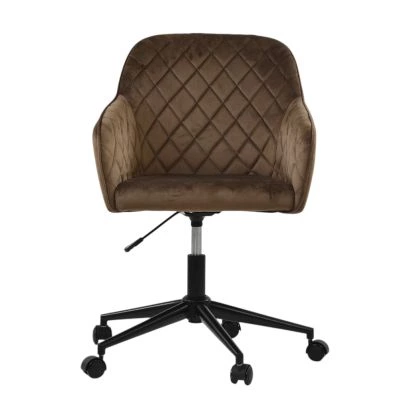
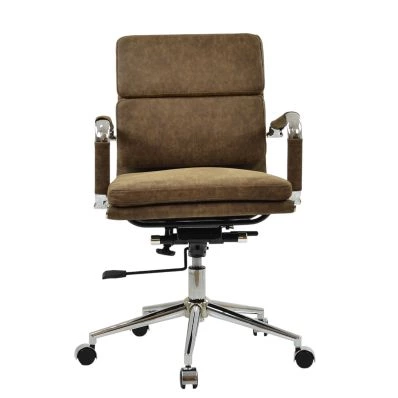 Chester Office Chair in Aged Brown LeatherSpecial Price £129.99 Regular Price £179.99 Original price 28% Inc VATSaving £50
 -
-
-
-
Final Thoughts
The main difference between a desk chair and an office chair comes down to intended use. Desk chairs are normally designed for lighter, shorter-duration sitting, while office chairs are built around longer daily use, better support, and greater adjustability.
If you spend most of your day working at a desk, investing in a proper office chair usually improves comfort over time and reduces the limitations that simpler seating often develops under heavy daily use.
For a broader breakdown of ergonomic features and buying considerations, read Buying An Ergonomic Office Chair What You Should Know.


Comments