
 Chat with us on WhatsApp

Choose the Perfect Bedroom Chair
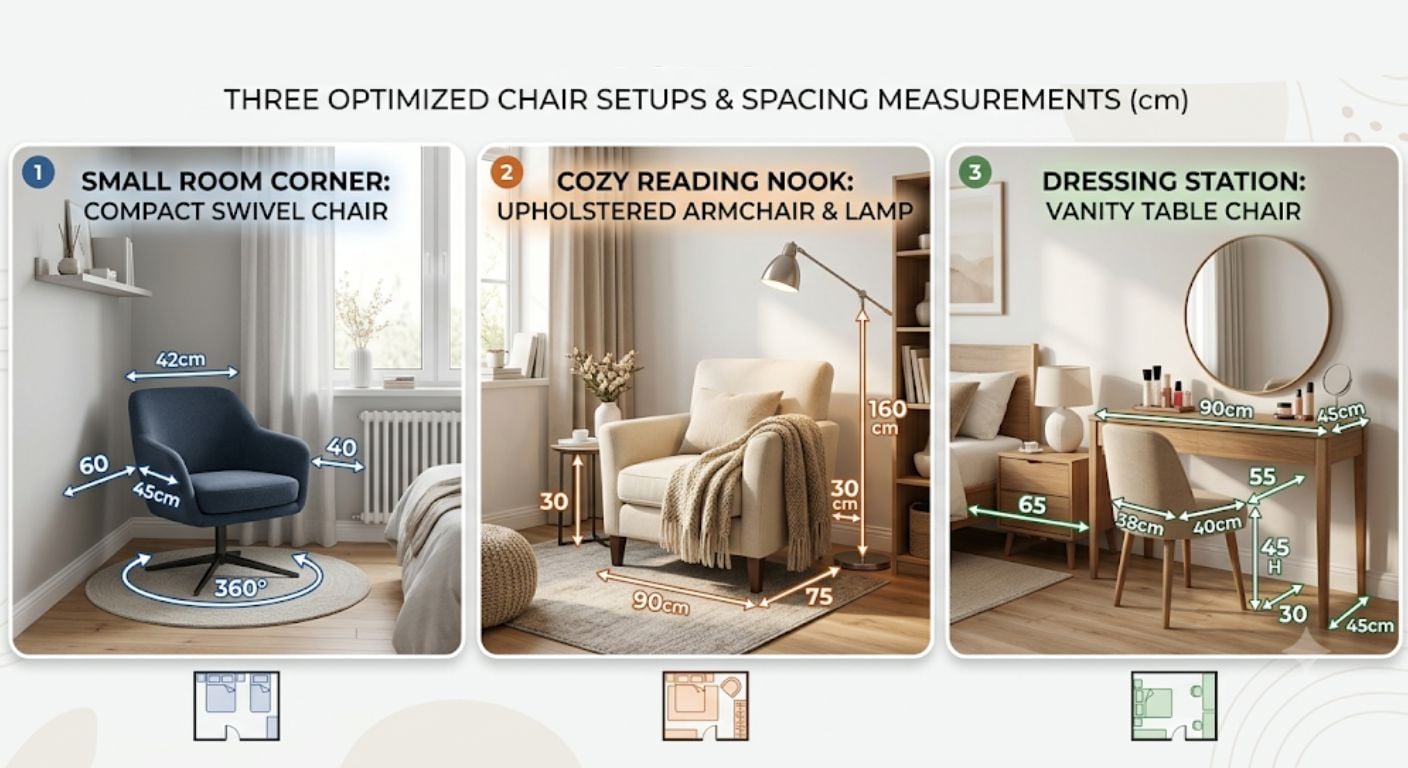
A bedroom chair needs to do more than fill an empty corner. The right chair should fit the available space, support the way the room is actually used, and stay comfortable for longer periods without creating layout problems. Many buyers focus only on appearance and then realise too late that the chair blocks walkways, feels uncomfortable after 20 minutes, or ends up becoming a clothes pile instead of usable seating.
The challenge is that “bedroom chair” covers several very different use cases. A chair for reading needs different support from a chair used at a dressing table. A compact guest bedroom requires a different footprint from a large main bedroom with unused corners. Upholstery choice, seat depth, back height, and leg style all affect how practical the chair feels once it is in the room.
This guide explains how to choose a bedroom chair based on room size, function, posture support, dimensions, and daily use. It also covers common mistakes, layout rules, fabric considerations, and how different chair styles work in real bedrooms.
What Is a Bedroom Chair?
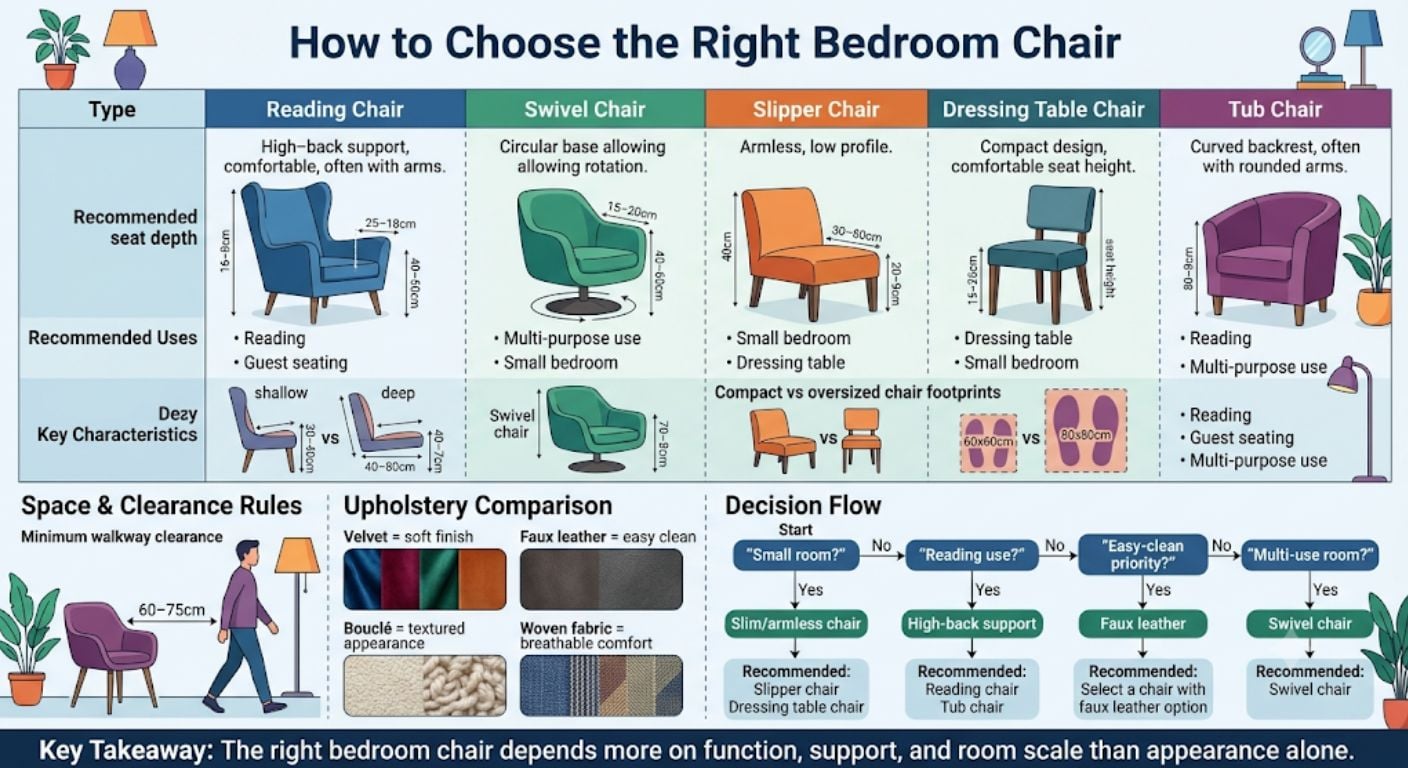
A bedroom chair is a secondary seating piece used for reading, dressing, working, relaxing, or occasional seating within a bedroom layout. Unlike dining or office seating, bedroom chairs usually prioritise a balance between comfort, compact sizing, and visual fit within a softer room environment.
The term covers several chair types:
- Accent chairs
- Dressing table chairs
- Compact armchairs
- Swivel chairs
- Slipper chairs
- Bedroom reading chairs
- Upholstered occasional chairs
- Small armless chairs
- Vanity seating
Some are designed for short-use tasks like getting ready at a dressing table, while others support longer sitting periods for reading or laptop use.
If you are specifically choosing seating for a dressing table setup, Lakeland’s dressing table chairs category covers compact upholstered options designed for bedroom use.
Start With the Chair’s Main Purpose
The function of the chair should determine the shape, support level, and footprint before appearance becomes part of the decision.
Reading Chair
A reading chair needs:
- Supportive backrest
- Comfortable seat depth
- Stable arm positioning
- Enough width to sit naturally
- Space for lighting nearby
High-back chairs usually work better for longer reading sessions because they support the shoulders and neck properly. Slim frames help prevent the chair from visually overpowering the room.
For reading corners, avoid very upright dining-style seating. These often look good initially but become uncomfortable during longer use.
Dressing Table Chair
A dressing table chair usually requires:
- Compact seat depth
- Upright sitting posture
- Easy movement in and out
- Lower arm height or armless design
- Enough clearance beneath the table
Most buyers choosing bedroom seating underestimate how important seat depth becomes in smaller rooms. Our customers often find that deep lounge-style chairs look oversized quickly once placed beside wardrobes or dressing tables.
If you need detailed setup guidance, see the Dressing Table Setup Guide: Chair Height, Mirror Position & Layout.
Occasional Seating
Some bedroom chairs are used occasionally rather than daily. These work well for:
- Putting on shoes
- Temporary guest seating
- Holding clothes
- Filling unused corners
- Creating visual balance
For this use, footprint and practicality matter more than deep cushioning.
Armless chairs, benches, and low-profile accent chairs usually integrate more easily into smaller bedrooms.
Bedroom Work Chair
Bedrooms increasingly double as workspaces. If the chair will regularly support laptop use or desk work, posture becomes more important than styling.
Look for:
- Lumbar support
- Upright sitting position
- Swivel functionality
- Stable base
- Breathable upholstery
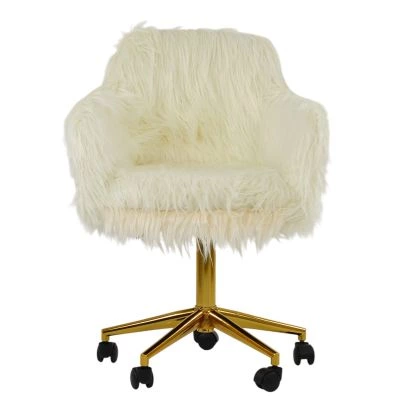
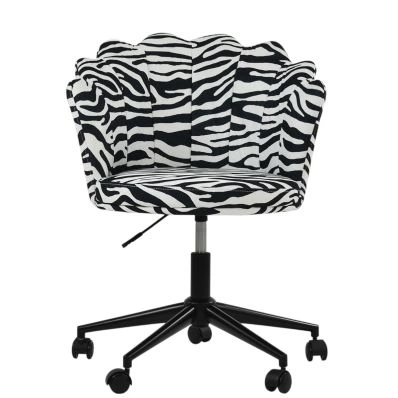
Compact swivel chairs work particularly well because they support both desk tasks and general bedroom seating without needing two separate chairs.
How Much Space Should a Bedroom Chair Take Up?
A bedroom chair should fit the room without blocking circulation space or making the layout feel crowded.
As a general rule:
- Leave at least 60–75cm clearance for walking paths
- Avoid chairs deeper than 85–90cm in compact bedrooms
- Slim legs and open bases reduce visual heaviness
- Lower backs usually feel less dominant visually
Small Bedrooms
Small bedrooms benefit from:
- Narrow chair widths
- Slim arms
- Raised legs
- Compact footprints
- Open-frame designs
Chairs with thick rolled arms or oversized cushions usually consume more usable floor space than expected.
If space is limited, avoid pairing a large chair with oversized side tables or footstools unless the room has a dedicated alcove.
For smaller spaces specifically, see Small Bedroom Chair: How to Choose One Without Crowding the Room.
Larger Bedrooms
Larger bedrooms allow more flexibility:
- Wide armchairs
- Swivel chairs
- Reading corners
- Matching chair pairs
- Accent seating zones
This is where larger upholstered chairs or statement shapes can work without compromising movement around the room.
Choosing the Right Chair Shape
Chair shape changes both comfort and space efficiency.
Armchairs
Good for:
- Reading
- Relaxation
- Longer sitting periods
Usually require more space but provide better support.
Slipper Chairs
These armless low-profile chairs work well in:
- Smaller bedrooms
- Dressing areas
- Corner layouts
They create less visual bulk while still offering usable seating.
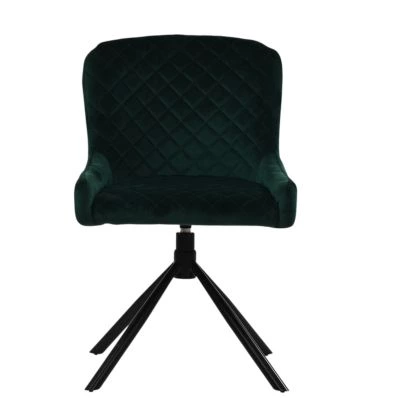
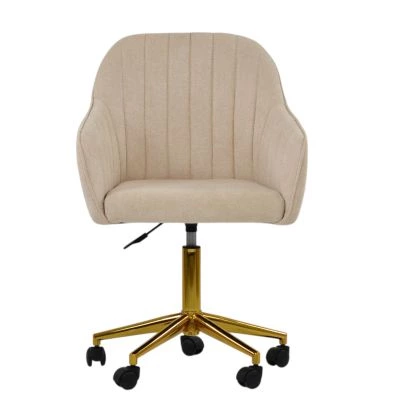
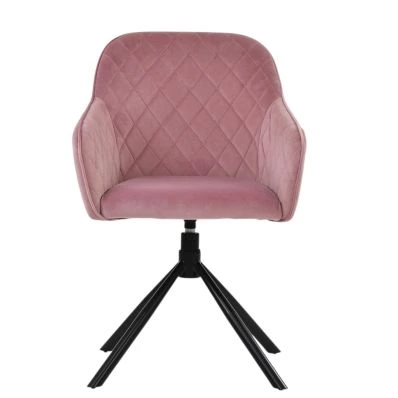
Swivel Chairs
Useful for:
- Multi-purpose rooms
- Bedroom workspaces
- Reading corners
A swivel base improves movement without physically repositioning the chair.
Tub Chairs
Tub chairs provide:
- Compact rounded support
- Moderate comfort
- Smaller footprints
These work particularly well in unused bedroom corners.
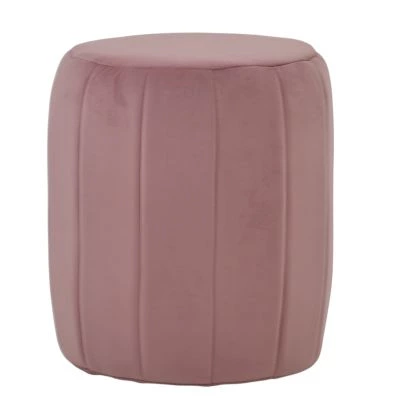
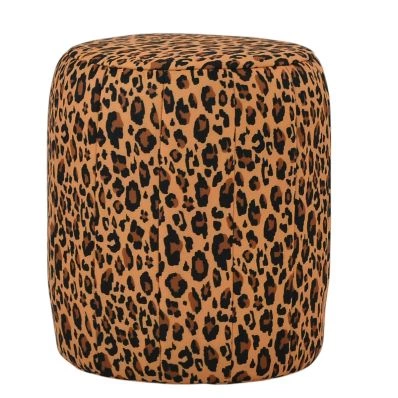
Benches & Stools
Better for:
- Temporary seating
- Clothes placement
- Compact layouts
These are less suitable for long reading sessions.
What Makes a Good Chair for Reading?
A good reading chair balances posture support, seat comfort, and sitting stability over longer periods. High backs support the shoulders and neck properly, while moderate seat depth prevents slouching. The chair should also leave space for practical additions like lighting and a side table without overcrowding the room.
Reading chairs should prioritise support over softness alone.
Key features include:
- High or medium-high backrest
- Slight recline
- Supportive cushioning
- Stable arm position
- Seat depth around 50–60cm
- Durable upholstery
Extremely soft seating often causes poor posture during longer reading sessions.
The surrounding layout matters too:
- Floor lamp positioned beside shoulder height
- Small table within reach
- Enough clearance to move comfortably
- Natural light if possible
Upholstery Choices for Bedroom Chairs
Fabric affects comfort, maintenance, warmth, and long-term practicality.
Velvet
Velvet creates a softer visual finish and works well in bedrooms because it feels warmer and less formal than leather.
However:
- It can mark easily
- Lower-quality velvet traps heat
- Pet hair becomes visible quickly
Bouclé
Bouclé has become increasingly common in bedroom seating because of its textured finish and softer appearance.
It works best in:
- Neutral interiors
- Low-use bedrooms
- Accent seating
It is less practical in homes with pets due to texture snagging.
Faux Leather
Faux leather suits buyers prioritising:
- Easy cleaning
- Spill resistance
- Durability
It works especially well in multi-use bedrooms or homes with children and pets.
Chenille & Woven Fabrics
These offer:
- Softer texture
- Breathability
- Comfortable long sitting feel
They generally suit reading chairs better than glossy synthetic finishes.
Bedroom Chair Placement Rules
Placement changes whether a chair feels intentional or simply leftover space filler.
Corner Placement
Most common and practical.
Works well for:
- Reading chairs
- Accent chairs
- Compact swivel chairs
Add:
- Lighting
- Small side table
- Rug positioning
to make the chair feel integrated into the room layout.
Near Windows
Useful for:
- Reading
- Natural light
- Larger bedrooms
Avoid oversized chairs if curtains or radiators reduce usable space.
Beside Dressing Tables
Compact chairs with lower backs generally work better because they slide beneath tables more cleanly.
For more detailed positioning guidance, see Dressing Room Chair Placement: Where to Put It for Height & Light.
End of Bed Placement
Benches and low-profile chairs work better here than deep armchairs.
Keep at least 70cm walking clearance around the bed perimeter.
Reasons People Add a Chair to a Bedroom
- Create a dedicated reading space
- Add seating separate from the bed
- Support dressing table use
- Fill awkward unused corners
- Create a temporary workspace
- Provide guest seating
- Prevent clothes piling onto the bed
- Improve room zoning in larger layouts
- Add practical seating near wardrobes
- Create a quiet space separate from shared living areas
How to Match the Chair to the Bedroom Layout
If Your Room Is Small
Choose:
- Slim legs
- Open frames
- Armless chairs
- Compact swivel bases
Avoid:
- Oversized wingbacks
- Deep recliners
- Wide arms
If the Chair Is Mainly for Reading
Choose:
- Higher backs
- Upholstered arms
- Supportive cushions
- Breathable fabrics
Avoid:
- Upright dining-style seating
- Very shallow seats
If the Chair Is Used Daily
Choose:
- Durable upholstery
- Supportive foam
- Stable frame construction
Avoid decorative-only occasional seating.
If the Chair Is Beside a Dressing Table
Choose:
- Compact seat depth
- Upright posture support
- Lower profile backs
For a detailed comparison between compact vanity seating and standard dining chairs, see Vanity Chair vs Dining Chair: Why Vanity Chairs Are Smaller.
Common Bedroom Chair Mistakes
Buying Based Only on Appearance
A chair can look correct online but feel uncomfortable after short use.
Prioritise:
- Seat depth
- Back support
- Overall footprint
- Practical access
Ignoring Room Clearance
Large chairs often block:
- Wardrobe doors
- Drawers
- Walkways
- Window access
Always measure the usable footprint, not just the room itself.
Choosing Overly Deep Seating
Deep lounge chairs encourage slouching when used for reading or dressing table tasks.
Moderate depth usually works better in bedrooms.
Forgetting Fabric Practicality
Bedrooms still experience:
- Hair products
- Makeup transfer
- Drinks
- Pets
- Clothing friction
Maintenance matters more than many buyers initially expect.
Bedroom Chair Styles That Work Consistently Well
Certain chair styles remain practical across most bedroom layouts because they balance footprint, comfort, and versatility.
These include:
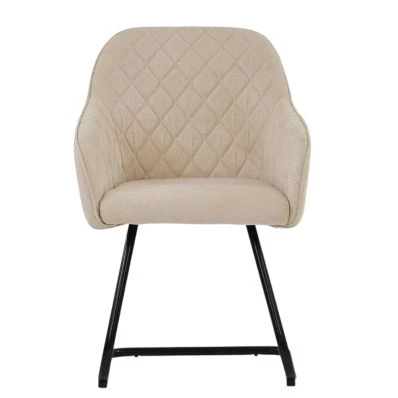
- Compact upholstered armchairs
- Tub chairs
- Slipper chairs
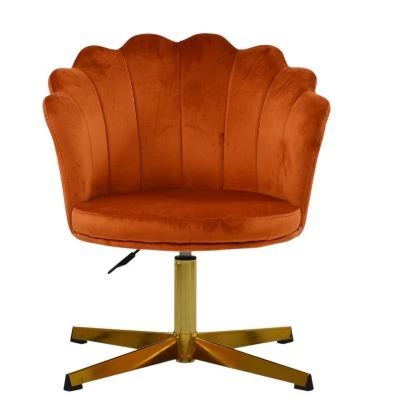
- Swivel accent chairs
- Upholstered dressing table chairs
- Low-profile occasional chairs
Most buyers do not need oversized lounge seating in a bedroom unless the room has a dedicated sitting area.
Lakeland’s bedroom and dressing table chair range focuses primarily on compact upholstered seating designed for realistic bedroom proportions rather than oversized statement furniture.
Frequently Asked Questions
What makes a good chair for reading?
A good reading chair supports the back, shoulders, and neck without forcing an upright posture. Medium-to-high backs, supportive cushioning, and moderate seat depth usually work best. Slim frames help the chair fit more easily into bedroom layouts while still providing comfortable long-term seating.
Which bedroom chair styles work best in small spaces?
Compact swivel chairs, slipper chairs, and narrow armchairs usually work best in smaller bedrooms. Slim legs and open frames reduce visual heaviness and help preserve walking space. Avoid oversized rolled arms and very deep seats in tighter layouts.
Are swivel chairs good for bedrooms?
Yes. Swivel chairs work particularly well in multi-purpose bedrooms because they support reading, dressing table use, and occasional desk work without needing separate seating. Compact swivel bases also improve flexibility in smaller spaces.
What is an accent chair?
An accent chair is a design-led secondary chair used to provide additional seating and visual structure within a room. In bedrooms, accent chairs are commonly placed in corners, beside windows, or near dressing tables.
What upholstery is easiest to clean?
Faux leather and tightly woven performance fabrics are usually easiest to maintain. Velvet and bouclé require more care because they attract marks, pet hair, or texture wear more easily over time.
Can a dining chair be used as a bedroom chair?
Sometimes, but standard dining chairs are usually too upright for longer sitting periods. Bedroom chairs generally provide softer upholstery, deeper seating, and more relaxed support suited to reading or occasional use.
Summary: Choosing the Right Bedroom Chair
Key Measurement Rules
- Leave 60–75cm walking clearance
- Avoid oversized depths in compact rooms
- Match chair scale to room size
- Ensure enough clearance around wardrobes and beds
Decision Shortcuts
- Small room → slim or armless chair
- Reading use → high-back supportive chair
- Dressing table use → compact upright chair
- Multi-purpose room → swivel chair
- Easy cleaning priority → faux leather or performance fabric
Common Mistakes
- Choosing oversized seating
- Ignoring circulation space
- Buying decorative chairs with poor support
- Forgetting maintenance requirements
- Prioritising appearance over function
Bedroom chairs work best when chosen around practical use first and styling second. Most buyers benefit more from compact supportive seating that integrates naturally into the room than oversized statement pieces that dominate the layout.
If you are specifically looking for compact upholstered seating designed for dressing areas and bedroom layouts, you can browse Lakeland’s dressing table chair collection for styles suited to smaller residential spaces.


Comments