
 Chat with us on WhatsApp

How To Pick The Right Back For Your Dining Chair
The backrest is one of the biggest factors affecting how a dining chair feels, how much visual space it takes up, and how well it suits the way you use your dining area. A chair with the wrong back design can feel uncomfortable during longer meals, make a compact room look crowded, or create clearance problems around the table.
When choosing between different dining chair backs, the key factors are back height, support shape, openness of the frame, and the materials used. The right choice depends less on trends and more on how often the chairs are used, how much support you need, and how much visual weight your room can handle.
If you are still working through wider sizing and spacing decisions, it also helps to read our dining chair size guide before finalising your layout.
Why Dining Chair Backs Matter
The backrest controls three important things:
- How supportive the chair feels during longer sitting periods
- How large or open the chair appears visually
- How upright or relaxed your seating position becomes
Many buyers focus heavily on seat material or colour first, but the back design often has a bigger effect on day-to-day comfort. The angle of the backrest, shoulder support, and rigidity of the frame all change how the chair performs during meals, working from the table, or entertaining guests.
We regularly find our customers notice poor back support after purchase rather than during browsing, especially when the chairs are used for longer evening meals or open-plan kitchen seating.
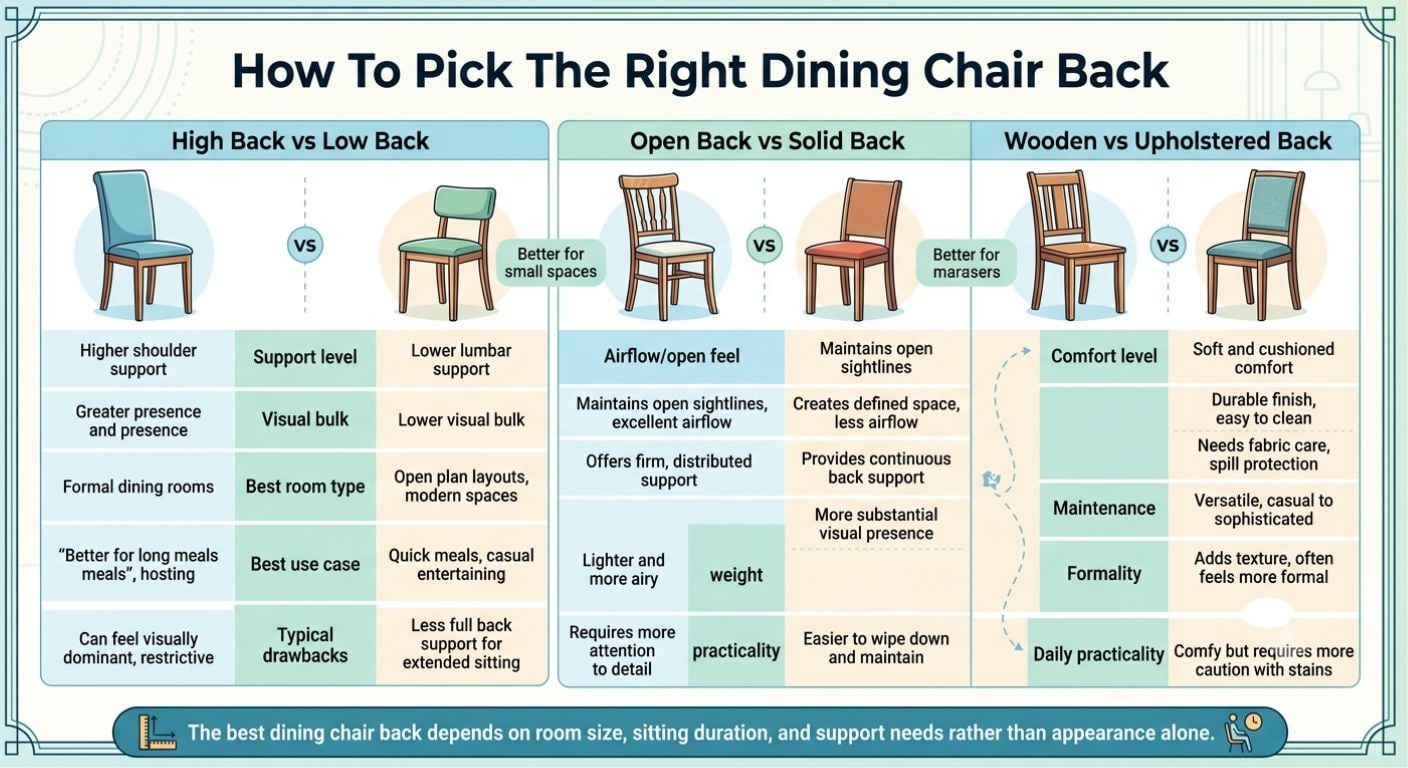
High Back vs Low Back Dining Chairs
Low Back Dining Chairs
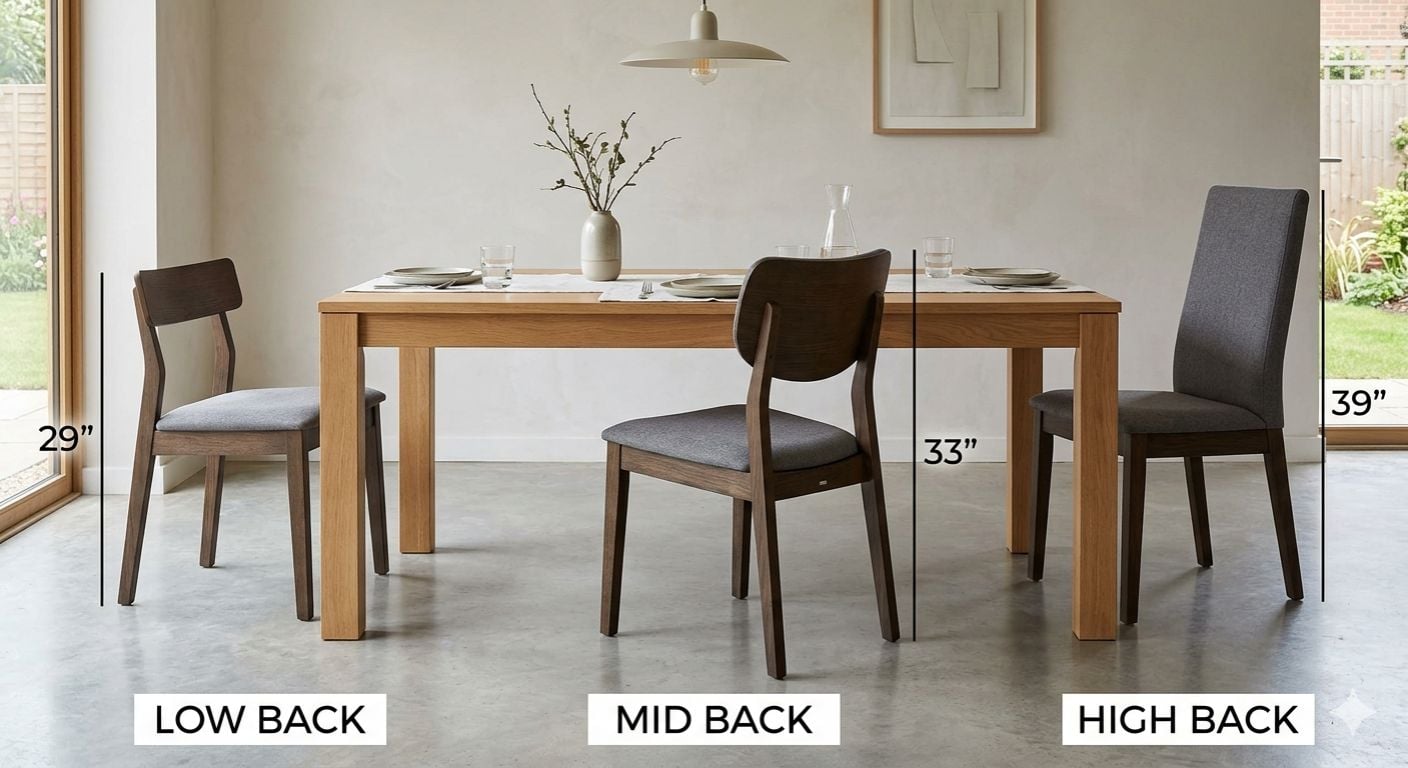
Low back dining chairs usually finish around table height or only slightly above it. They create a cleaner sightline across the room and reduce visual bulk around the dining area.
Low back designs are commonly chosen for:
- Open-plan kitchens
- Smaller dining rooms
- Modern interiors
- Compact dining layouts
- Tables positioned close to walkways
Advantages of low back chairs:
- Make smaller spaces feel less crowded
- Easier to move visually within open-plan rooms
- Usually lighter and easier to reposition
- Often suit modern table designs better
Disadvantages:
- Less shoulder and upper back support
- Can feel less comfortable during long meals
- Less formal appearance
High Back Dining Chairs
High back dining chairs extend further up the spine and often provide shoulder support as well as lumbar support. They create a more structured seating position and generally feel more supportive for extended use.
High back chairs are commonly chosen for:
- Dedicated dining rooms
- Larger rectangular tables
- Formal dining layouts
- Long family meals
- Homes where chairs are used for working as well as dining
Advantages of high back chairs:
- Better support across the full back
- More comfortable for longer sitting periods
- More structured posture support
- Create a stronger visual frame around the table
Disadvantages:
- Can dominate smaller rooms visually
- Usually heavier and larger
- Reduce open sightlines in compact spaces
For a deeper comparison specifically focused on layout trade-offs, see our guide to high back dining chairs.
Back Support and Sitting Comfort
Back support depends on more than simply choosing a taller chair. Some high back designs are flat and rigid, while some lower backs are shaped to support the spine properly.
Look for these features if comfort matters:
- Slight lumbar curve around the lower back
- A gentle recline rather than a perfectly vertical backrest
- Support reaching at least mid-shoulder height
- Firm padding rather than overly soft cushioning
- A seat depth that allows you to sit back fully without pressure behind the knees
According to the NHS guidance on sitting posture, maintaining natural spinal alignment helps reduce strain on the lower back during longer periods of sitting.
If dining chairs are regularly used for working, homework, or long conversations at the table, supportive back shaping becomes more important than appearance alone.
Open Back vs Solid Back Designs
Open Back Designs
Open back chairs include styles such as:
- Slat back chairs
- Spindle back chairs
- Ladder back chairs
- X-back chairs
These designs visually lighten the room because they allow light and sightlines to pass through the chair frame.
Open back chairs work well when:
- You want the room to feel less crowded
- The dining area connects directly to the kitchen
- You are using several chairs around one table
- You prefer a more casual layout
The downside is that some open designs provide less consistent back support, especially if the slats are widely spaced or very upright.
Solid Back Designs
Solid back dining chairs include fully upholstered backs, moulded shells, and enclosed wooden backs.
These designs usually feel more supportive because pressure is spread evenly across the back rather than concentrated through narrow slats.
Solid backs are often better for:
- Longer sitting periods
- More formal dining rooms
- Homes wanting softer seating comfort
- Tables used for multiple purposes beyond dining
The trade-off is visual weight. A set of large upholstered high-back chairs can dominate smaller rooms quickly.
Wooden Backs vs Upholstered Backs
Wooden Dining Chair Backs
Wooden backs usually feel firmer and more upright. They are easier to wipe clean and generally cope better with frequent daily use.
Wooden back chairs are often chosen for:
- Family kitchens
- High-use dining areas
- Farmhouse and Scandi-inspired interiors
- Homes prioritising easier maintenance
The main drawback is reduced cushioning during long sitting sessions.
Upholstered Dining Chair Backs
Upholstered backs add softness and help distribute pressure more evenly across the spine and shoulders.
They are commonly chosen when:
- Comfort is prioritised over minimal maintenance
- Meals regularly last longer
- The dining room is used for entertaining
- The chairs double as occasional workspace seating
If you are comparing broader material differences beyond the backrest itself, our dining chair materials guide breaks down the wider pros and cons.
Choosing the Right Chair Back for Your Room Layout
| Room Type | Recommended Back Style | Reason |
|---|---|---|
| Small dining room | Low or open back | Reduces visual crowding |
| Open-plan kitchen diner | Low back or slatted back | Maintains sightlines |
| Formal dining room | High upholstered back | Adds structure and support |
| Multi-use dining table | Contoured mid or high back | Better for longer sitting periods |
| Compact apartment | Narrow low back | Improves movement around table |
When to Choose a High Back Dining Chair
A high back dining chair usually makes sense when:
- You regularly sit at the table for long periods
- Back support matters more than visual openness
- The room has enough space for taller chair frames
- The dining room is separated from the kitchen
- You want a more structured seating layout
You should usually avoid high backs when:
- The room already feels visually busy
- The dining table sits in an open-plan kitchen
- Walkway clearance is limited
- You are furnishing a compact apartment
When to Choose a Low Back Dining Chair
Low back chairs generally work better when:
- You want the room to feel more open
- The chairs are mainly used for shorter meals
- The dining area is part of a larger open-plan layout
- You prefer lighter visual framing around the table
You should think carefully before choosing low backs if:
- You often sit at the table for extended periods
- You need additional upper back support
- The chairs will double as workspace seating
Frequently Asked Questions
Are high back dining chairs more comfortable?
High back dining chairs are usually more supportive during longer meals because they support more of the spine and shoulders. Comfort still depends on the back angle, seat depth, and cushioning rather than height alone. A poorly shaped high back chair can feel less supportive than a well-designed mid-back chair.
Do low back dining chairs make a room look bigger?
Yes. Low back dining chairs help preserve sightlines across the room and reduce visual bulk around the table. This is why they are commonly used in smaller dining rooms and open-plan kitchen diners where maintaining a more open appearance matters.
Are wooden dining chair backs uncomfortable?
Not necessarily. A shaped or slightly curved wooden back can still provide good support. Comfort problems usually come from completely flat upright backs rather than the material itself. Adding slight contouring and correct seat depth improves comfort significantly.
What dining chair back is best for back support?
Chairs with a gently reclined backrest, lumbar contouring, and shoulder support usually provide the best support. Upholstered backs often distribute pressure more evenly, but supportive wooden backs can also work well if the chair is shaped correctly.
-
-
-
-
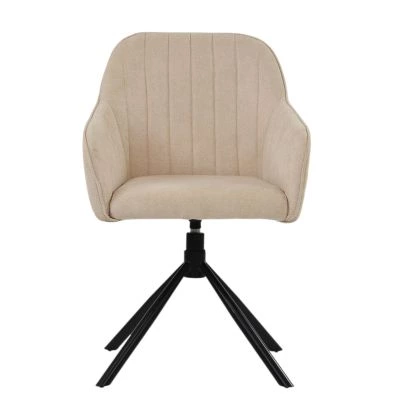
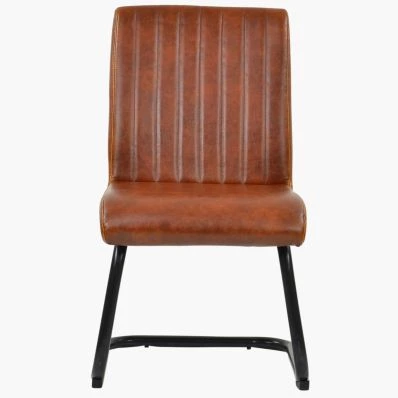
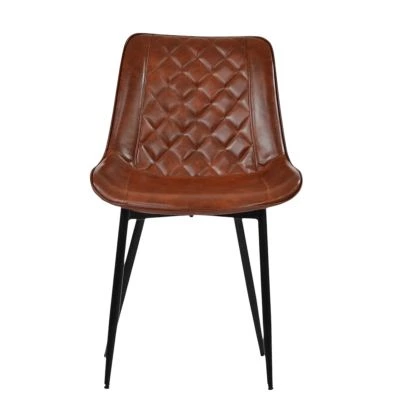 Hogan Dining Chair in Vintage Brown LeatherSpecial Price £44.99 Regular Price £69.99 Original price 36% Inc VATSaving £25Out of stock
 -
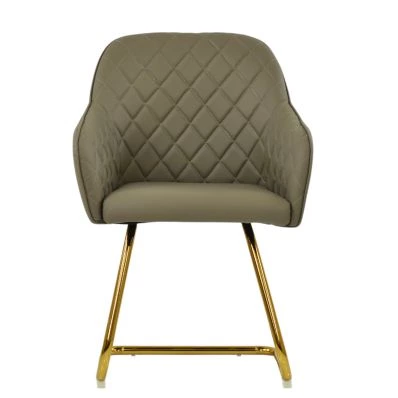
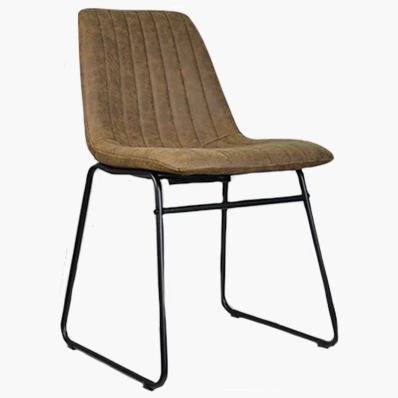 Plato Dining Chair in Aged Brown LeatherSpecial Price £59.99 Regular Price £89.99 Original price 33% Inc VATSaving £30
 -
-
-
-
-
-
-
Final Thoughts
The right dining chair back depends on how the chairs will actually be used. High backs prioritise support and structure, while low backs prioritise openness and space efficiency. Open frames reduce visual bulk, while solid backs usually improve comfort during longer sitting periods.
If you are still comparing broader dining chair layouts, sizes, and spacing, our full dining chair size guide covers the wider planning framework. You can also browse the full range of dining chairs to compare different back styles in practical room settings.


Comments