
 Chat with us on WhatsApp

Office Chairs For Women
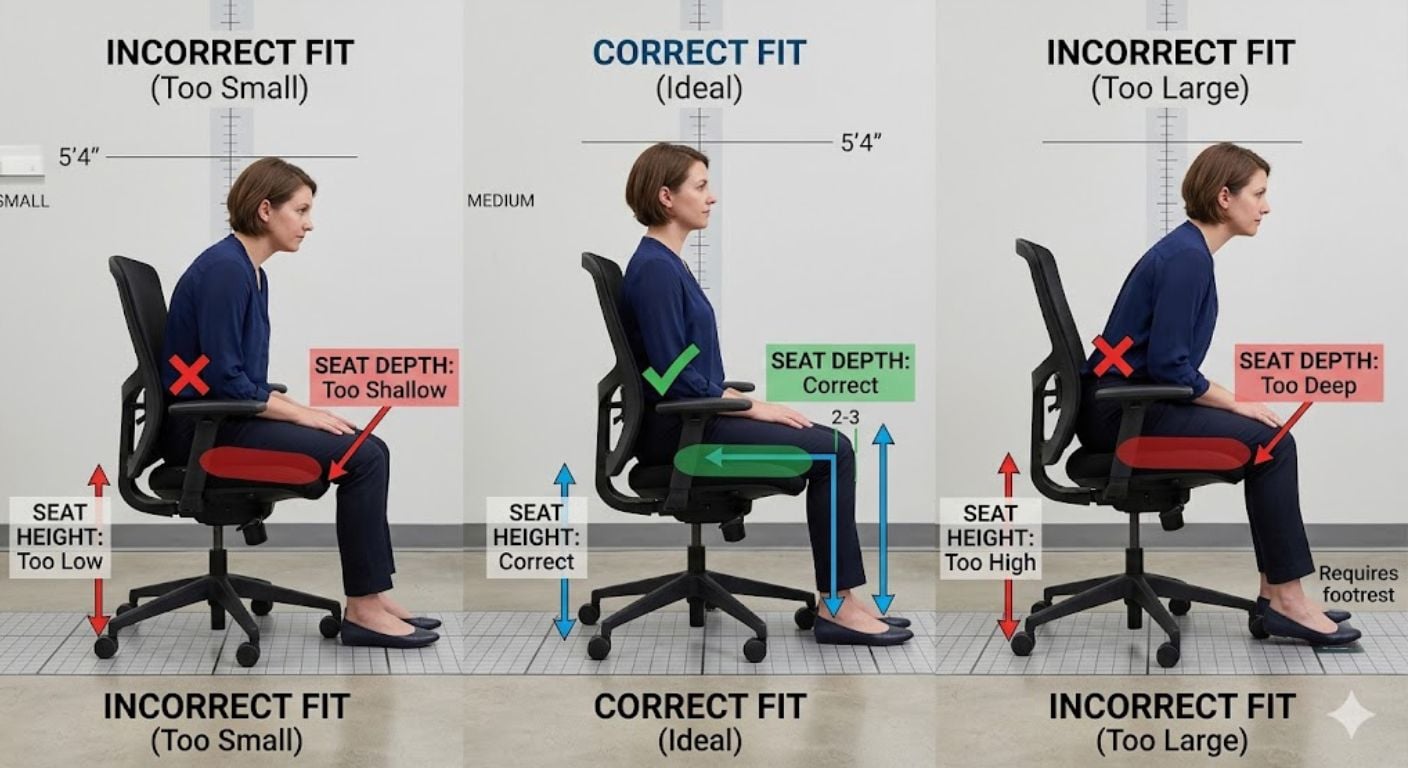
Many office chairs are designed around average dimensions that do not suit every user equally well. For women, especially those with smaller frames, narrower shoulders, or shorter leg length, standard chair sizing can create avoidable problems. Feet may not rest properly on the floor, lumbar support may sit too high, and armrests can push the shoulders outward instead of supporting them naturally.
An office chair for women is not about colour or styling first. The more important factors are seat height range, seat depth, armrest positioning, backrest shape, and overall fit relative to body proportions. This becomes more noticeable during longer desk sessions, particularly in home offices where dining chairs or oversized executive seating are often used as substitutes.
This guide focuses on the practical features that matter most when choosing office chairs for women, including petite sizing, adjustability, support placement, materials, and suitability for different working setups. For a broader overview of posture support and adjustment systems, see our guide to choosing an office chair with ergonomic features.
Why Standard Office Chairs Often Feel Too Large
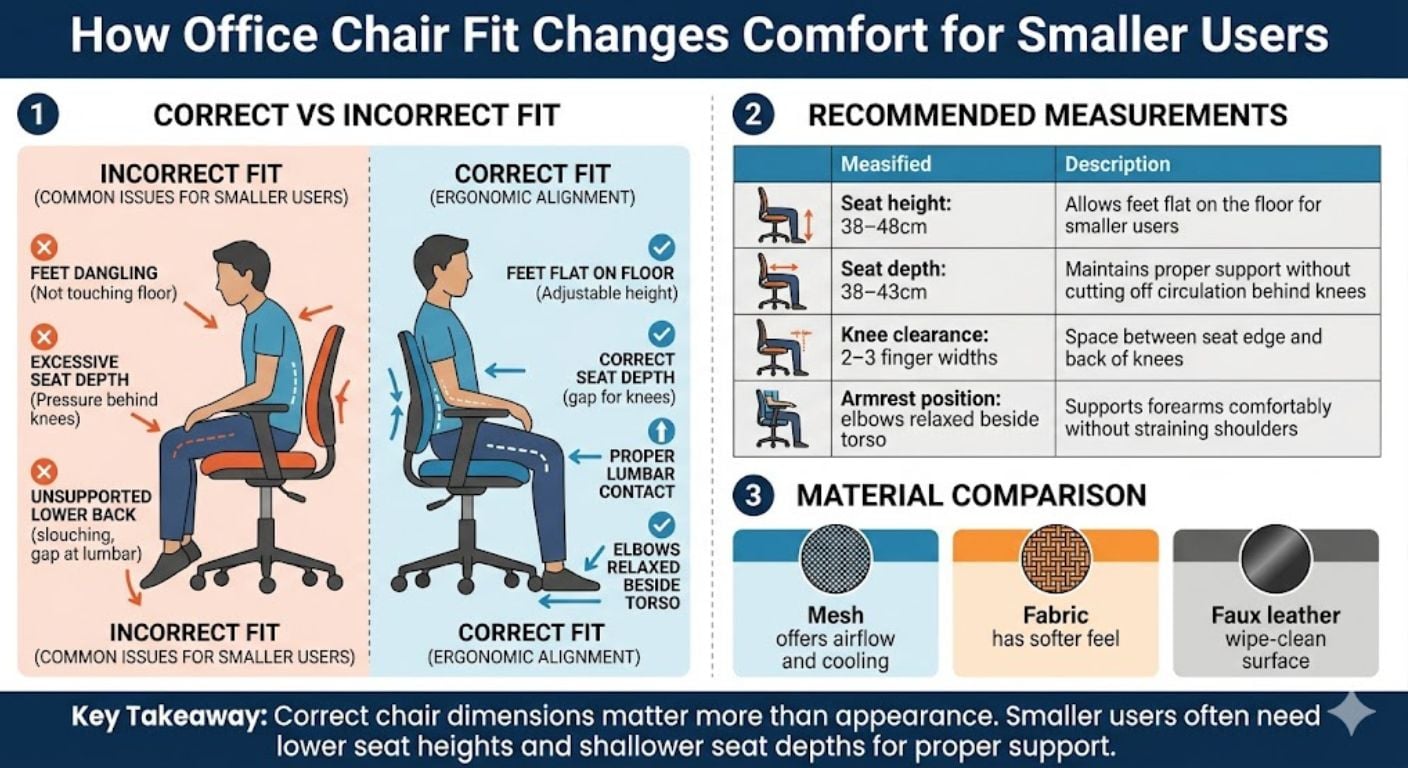
Many standard office chairs are built around seat dimensions that suit average-height users. Problems start when the chair is too deep, too wide, or too high for the person using it.
Common issues include:
- Feet not reaching the floor comfortably
- Pressure behind the knees from excessive seat depth
- Armrests sitting too far apart
- Lumbar support missing the lower back entirely
- Shoulder tension caused by reaching forward
For users under roughly 5ft 4in, seat depth becomes particularly important. A seat that is too deep prevents the back from sitting fully against the backrest, which reduces support and encourages slouching.
As a rough guide:
| Feature | Better Range for Smaller Users |
|---|---|
| Seat height | 38–48cm |
| Seat depth | 38–43cm |
| Armrest spacing | Narrow-adjustable preferred |
| Backrest width | Medium or slim profile |
Most people focus on overall chair appearance before checking seat measurements. We regularly find that our customers only notice excessive seat depth after several hours of use rather than during the initial setup.
For a broader breakdown of sizing and adjustment systems, see our article on how to choose an office chair.
Which Features Matter Most in Office Chairs for Women?
Seat Height Range
Seat height affects circulation, posture, and comfort more than almost any other adjustment. If the chair does not lower far enough, feet may hang slightly, placing pressure under the thighs.
A good target is:
- Knees roughly level with hips
- Feet flat on the floor
- Elbows aligned with desk height
Many smaller users benefit from chairs that start around 38–42cm at the lowest position.
Seat Depth
Seat depth determines how well the backrest can actually support the body.
There should normally be:
- Around 2–3 finger widths between the seat edge and the back of the knees
If the seat is too long:
- Lumbar support becomes ineffective
- Users perch forward
- Shoulder and neck strain increases
This is one reason compact office chairs often work better in home offices than oversized executive designs.
Armrest Position
Women with narrower shoulders often struggle with fixed armrests that sit too wide apart.
Better options include:
- Height-adjustable armrests
- Inward-adjustable armrests
- Slim arm profiles
Armrests should support the forearms without pushing the elbows outward.
Backrest Shape
Backrest contour matters more than thick padding. Chairs with a slight inward curve at lower back level generally provide better support for prolonged desk use.
You do not necessarily need a heavily padded chair. In many cases:
- Medium-firm support maintains posture more effectively
- Excessively soft foam encourages slumping over time
For a more detailed explanation of support positioning and seated posture, see our guide to lumbar support, tilt, and seat depth.
Are Petite Office Chairs Worth Considering?
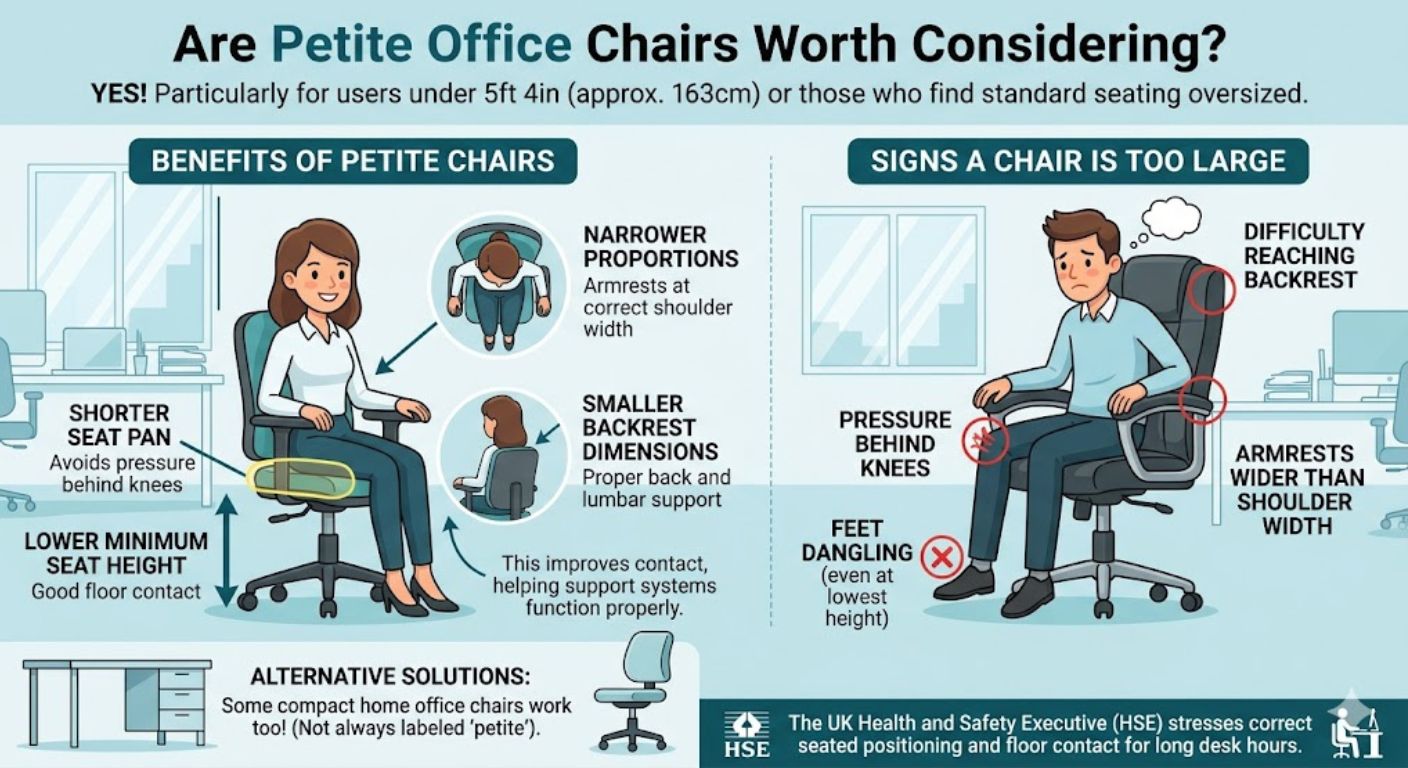
Yes, particularly for users under 5ft 4in or those who regularly find standard seating oversized.
Petite office chairs usually include:
- Lower minimum seat heights
- Shorter seat pans
- Narrower overall proportions
- Smaller backrest dimensions
This improves contact between the chair and the body, which helps the support systems function properly.
Signs a chair may be too large include:
- Feet dangling even at lowest height
- Difficulty reaching the backrest
- Pressure behind knees
- Armrests sitting wider than shoulder width
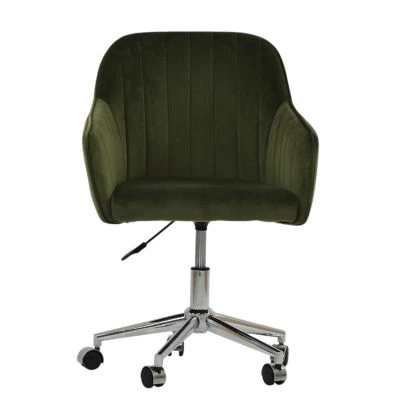
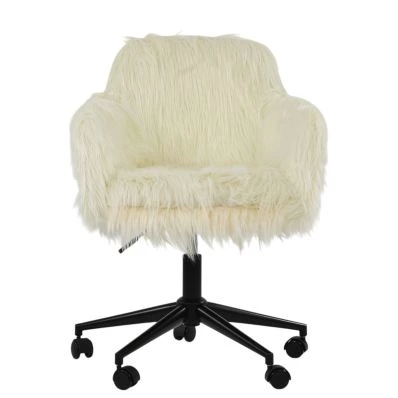
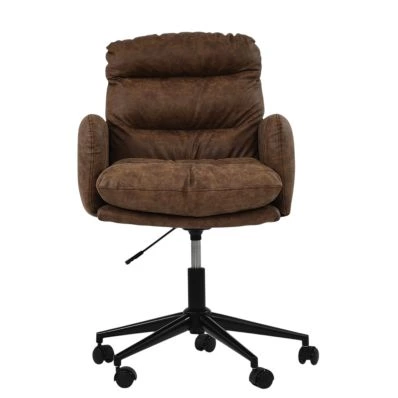
Some compact office chairs designed for home offices also solve these issues without being specifically labelled as petite models.
The UK Health and Safety Executive workstation guidance explains the importance of correct seated positioning and floor contact when working at a desk for extended periods.
Mesh, Fabric, or Faux Leather?
Material choice changes both comfort and maintenance.
Mesh Chairs
Best for:
- Warm rooms
- Longer desk sessions
- Users who prefer firmer support
Advantages:
- Better airflow
- Cooler seating
- Lighter visual appearance
Limitations:
- Less cushioned feel
- Can feel too firm for some users
Fabric Chairs
Best for:
- Softer seating feel
- Multi-purpose home offices
- Colder environments
Advantages:
- Softer texture
- Warmer feel
- Broad colour range
Limitations:
- Can mark more easily over time
Faux Leather Chairs
Best for:
- Easier cleaning
- Occasional office use
- More formal room styles
Advantages:
- Wipe-clean surface
- Structured appearance
Limitations:
- Warmer during longer sessions
- Less breathable than mesh
Material alone does not determine comfort. Seat dimensions and support positioning still matter more than upholstery type.
For users comparing softer domestic-style seating against traditional office seating, our article on office chairs that do not look like office chairs explains where each style works best.
Office Chairs for Women in Small Home Offices
Smaller home offices often need more compact seating dimensions as well as practical movement clearance.
Useful features include:
- Compact wheel bases
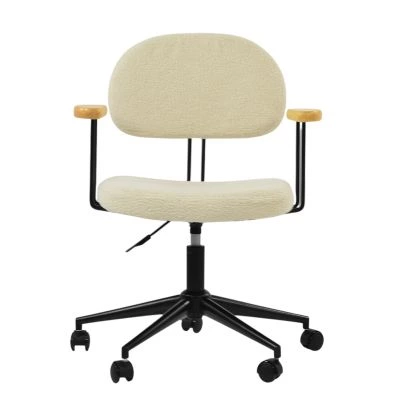
- Narrow armrests
- Lower-profile backs
- Chairs without bulky headrests
- Lighter visual framing
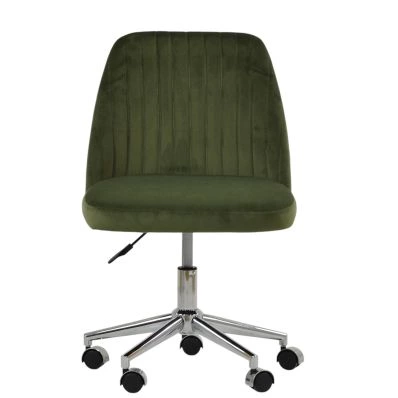
In tighter rooms, oversized executive chairs can dominate the space visually and physically. Compact office chairs often fit better beneath desks and allow easier movement around the room.
If floor protection or mobility is a concern, it is also worth understanding the practical difference between wheels and fixed feet. Our guide to castors versus gliders on office chairs explains where each works best.
When Stylish Office Chairs Become Less Practical
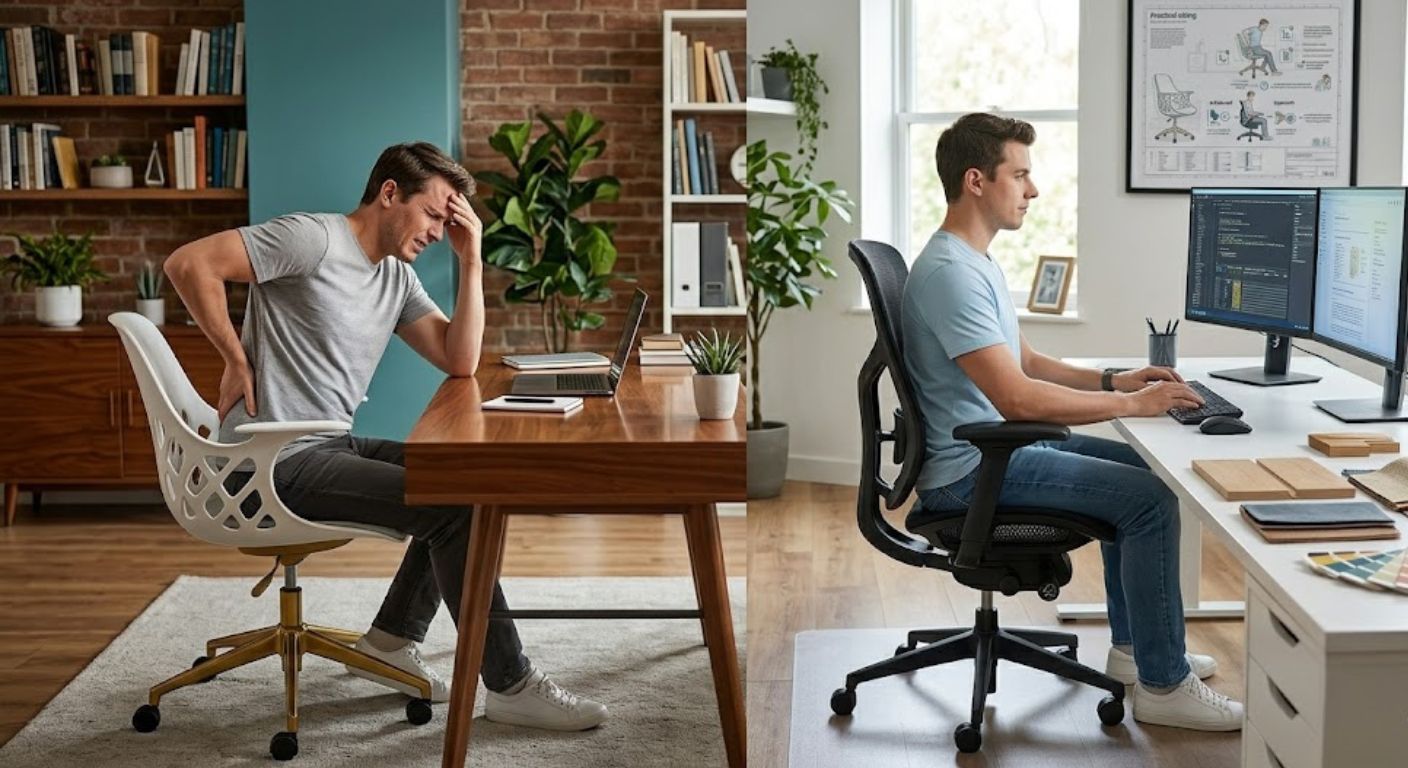
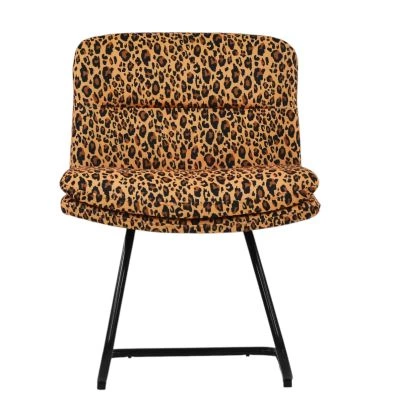
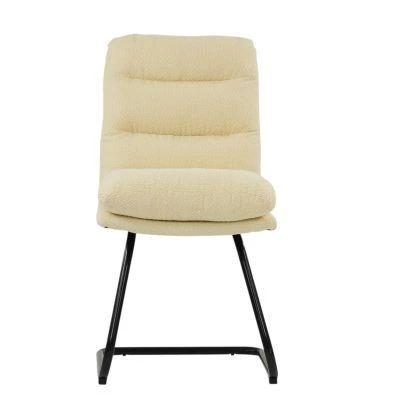
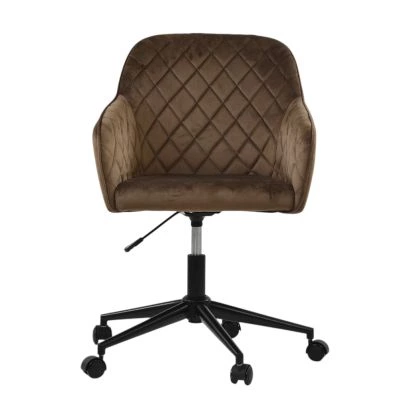
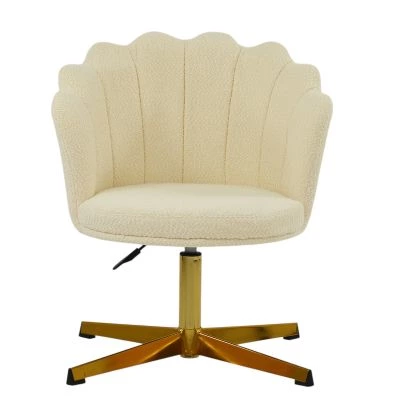
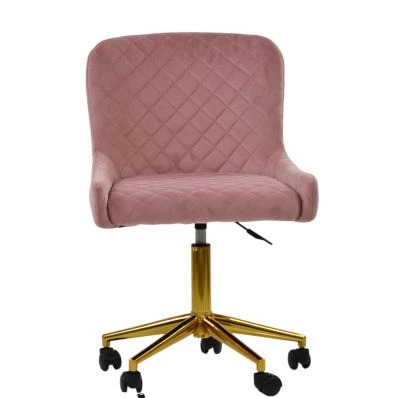
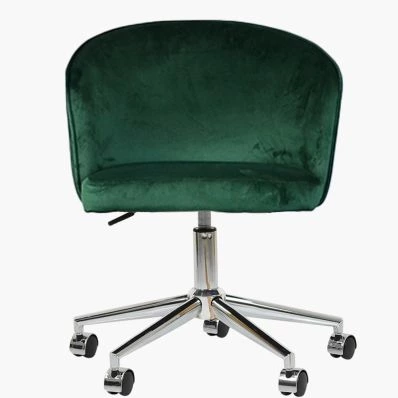
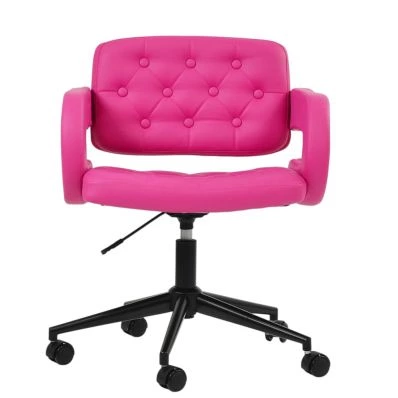
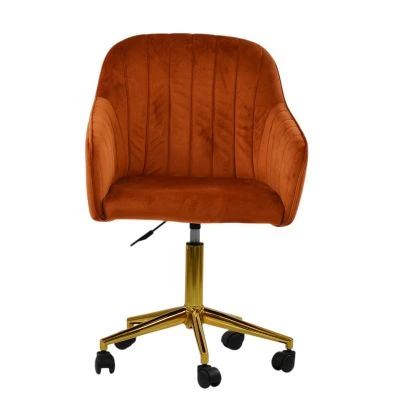
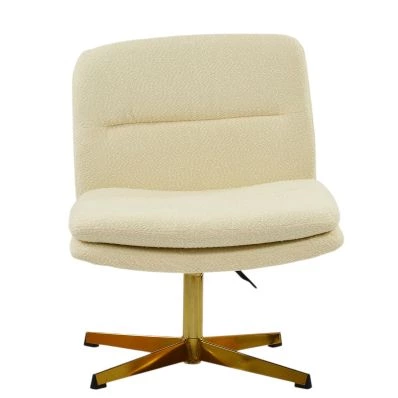
Many visually attractive office chairs prioritise shape over support. This does not mean stylish chairs should be avoided, but some trade-offs are common.
Potential limitations include:
- Fixed seat height
- Non-adjustable armrests
- Minimal lumbar contour
- Decorative shells with limited flexibility
For shorter work sessions, this may not matter. For daily desk use of several hours, adjustability usually becomes more important.
A balanced approach often works best:
- Choose a chair with practical sizing first
- Then narrow by material and appearance
This avoids buying a chair that suits the room but not the working position.
What Type of Office Chair Usually Works Best?
The best option depends more on body proportions and working habits than gender alone.
Generally:
- Smaller users often benefit from compact adjustable chairs
- Medium-height users usually suit standard task chairs with good adjustment range
- Shared desks benefit from wider adjustment ranges
- Home offices often suit softer-looking chairs with practical support underneath
A good office chair should allow:
- Feet flat on the floor
- Back fully supported
- Relaxed shoulders
- Neutral wrist positioning
- Comfortable seated movement
If multiple users share the same workspace, wider adjustment ranges become more important than upholstery or styling.
Practical Buying Checklist
Before buying an office chair, check:
- Minimum seat height
- Seat depth measurement
- Armrest adjustability
- Backrest contour
- Weight capacity
- Base width
- Floor type compatibility
- Whether the chair suits prolonged desk work
Avoid relying purely on product photos. Two chairs can look almost identical online while having completely different seat proportions.
Frequently Asked Questions
What is the best office chair for a petite woman?
The best office chair for a petite woman usually has a lower seat height range, shorter seat depth, and adjustable armrests. Seat heights around 38–42cm and seat depths around 38–43cm often suit smaller users more comfortably than standard oversized task chairs.
Are office chairs for women actually different?
Some are designed with smaller dimensions, narrower armrest spacing, or lower height ranges, but many standard office chairs can still work well if the adjustment range is suitable. Fit matters more than marketing labels.
Is mesh or fabric better for home office use?
Mesh usually stays cooler during long sessions, while fabric often feels softer and warmer. The better option depends on room temperature, daily usage time, and whether easier cleaning or softer comfort matters more.
Should office chairs for women have armrests?
Armrests can reduce shoulder tension if positioned correctly. Adjustable armrests are usually more useful than fixed wide-set arms, especially for narrower frames or smaller desks.

Closing Thoughts
The most important factor when choosing office chairs for women is proper fit rather than styling trends or oversized feature lists. Seat height, seat depth, armrest positioning, and back support placement all affect comfort more than appearance alone.
For a broader understanding of support systems, posture positioning, and adjustment features, see our main guide to buying an office chair with ergonomic features. You can also browse Lakeland’s full range of office chairs to compare different sizes, materials, and support styles.


Comments