
 Chat with us on WhatsApp

What Height Bar Stool for a Breakfast Bar? Complete Sizing Guide
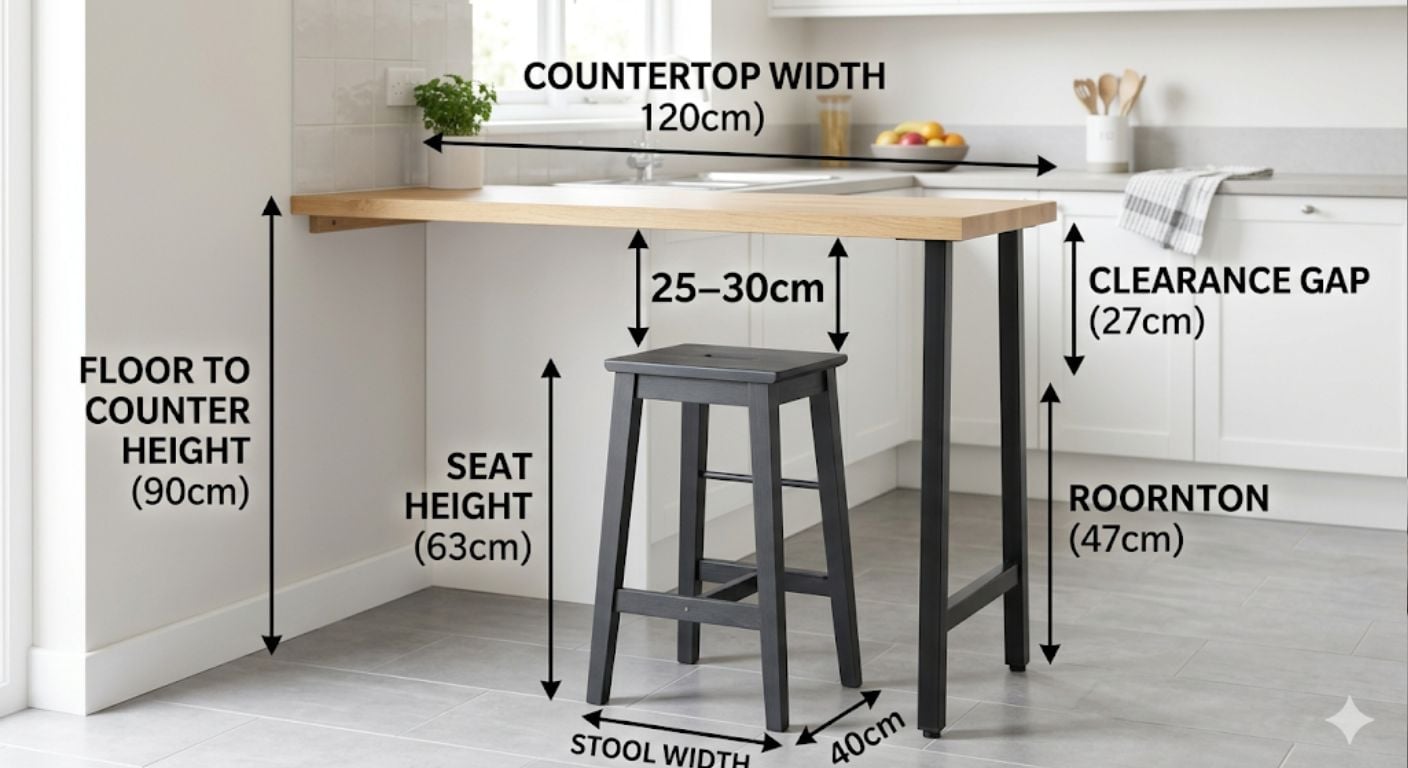
Choosing the correct breakfast bar stool height is mainly a measurement decision. The stool needs to suit the height of the counter, leave enough space for your legs, and allow you to sit without feeling perched too high or tucked too low.
Most UK breakfast bars and kitchen counters are around 90cm high. For this height, the right stool seat height is usually around 60–70cm, depending on the thickness of the worktop and how much legroom you prefer. The key rule is to leave roughly 25–30cm between the top of the stool seat and the underside of the breakfast bar.
This guide explains how to measure your counter, choose the correct seat height, compare fixed and adjustable stools, and avoid the most common sizing mistakes before you buy.
The Quick Answer: What Height Should a Breakfast Bar Stool Be?
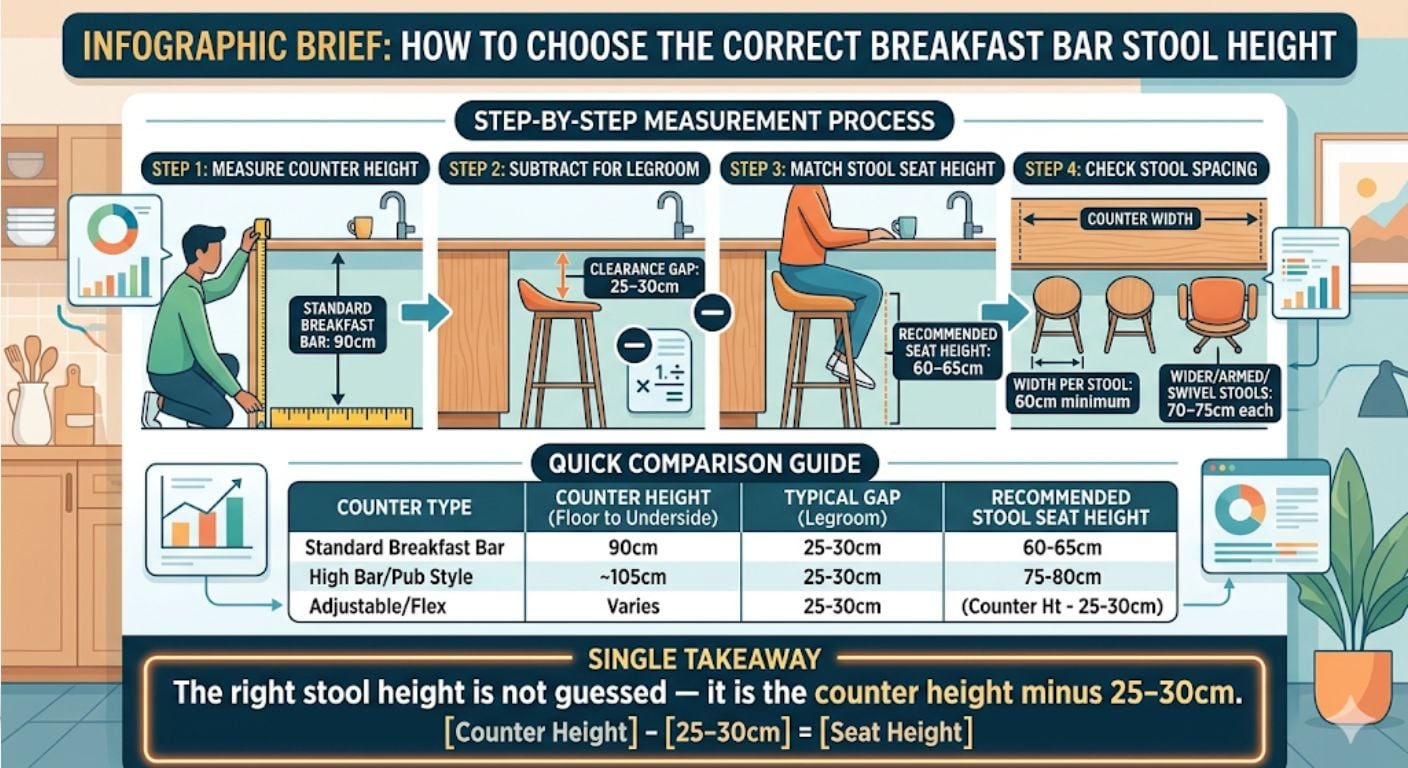
For a standard UK breakfast bar around 90cm high, choose a stool with a seat height of approximately 60–70cm. This gives most adults enough legroom while keeping the seated position comfortable for eating, working, or sitting casually.
Use this rule:
- Measure from the floor to the underside of the breakfast bar.
- Subtract 25–30cm.
- The result is your target stool seat height.
For example, if your breakfast bar is 90cm high, a stool with a 60–65cm seat height will usually fit well. A slightly taller 67–70cm stool can work if the counter has a thinner top or the user prefers sitting higher.
You can browse Lakeland’s main range of breakfast bar stools once you know the height range you need.
Breakfast Bar Stool Height Chart
Use this table as the starting point before choosing a stool.
| Breakfast Bar Height | Recommended Seat Height | Best Fit |
|---|---|---|
| 85cm | 55–60cm | Lower counters or compact breakfast bars |
| 90cm | 60–65cm | Standard UK kitchen counters |
| 92–95cm | 62–70cm | Thicker worktops or raised breakfast bars |
| 100cm | 70–75cm | Higher breakfast bars |
| 105–110cm | 75–80cm | Tall bar-style counters |
The most common mistake is choosing a stool based only on the word “bar” in the product name. Always check the actual seat height. Product names vary between retailers, but centimetres do not.
How to Measure Your Breakfast Bar Correctly
Measure from the floor to the underside of the counter, not just to the top surface. The space under the worktop is what determines whether your legs will fit comfortably once you are seated.
- Place the tape measure on the floor directly below the breakfast bar.
- Measure vertically to the underside of the worktop.
- Record the measurement in centimetres.
- Subtract 25–30cm from that number.
- Choose a stool with a seat height close to the result.
If your breakfast bar has a thick worktop, support rail, drawer, or lower edge underneath, measure to the lowest usable point. This avoids choosing a stool that looks right on paper but feels cramped in use.
The UK Health and Safety Executive’s seating guidance also highlights the importance of stable seating, enough support, and appropriate foot positioning. While a breakfast bar is not an office desk, the same practical principle applies: the user needs enough space to sit without pressure behind the legs or awkward posture. Read the HSE seating guidance here.
The 25–30cm Clearance Rule
The gap between the stool seat and the underside of the breakfast bar should usually be 25–30cm. This is the main comfort rule.
A smaller gap can feel tight around the knees and thighs. A larger gap can make the stool feel too low, especially when eating or using a laptop at the counter.
- 25cm clearance: closer, slightly higher seated position
- 27cm clearance: balanced fit for most adults
- 30cm clearance: more relaxed legroom
If several people will use the stools, aim for the middle of the range. Around 27–28cm clearance is usually the safest choice.
Fixed Height vs Adjustable Breakfast Bar Stools
Fixed height stools work well when your counter height is standard and you have measured accurately. Adjustable stools are better when the breakfast bar height is unusual, different people use the stools, or you want more flexibility.
Choose fixed height stools if:
- Your counter is around 90cm high.
- You know the exact seat height you need.
- You prefer a more stable, simple frame.
- You want every stool to sit at the same height.
Choose adjustable stools if:
- Your counter height is between standard sizes.
- Adults and children will both use the stools.
- You are unsure whether 60cm, 65cm, or 70cm will feel right.
- You want flexibility for different uses.
The question we get asked most by our customers is whether the listed seat height is fixed or adjustable — it makes more difference than most people expect. Adjustable bar stools offer more flexibility if multiple people use the same seating area, while fixed-height stools provide a more predictable fit when matched correctly to the worktop or kitchen island height.
Another common concern is how difficult bar stools are to put together once they arrive. Most modern bar stools are designed for straightforward home assembly and can usually be built in 10–20 minutes using the supplied fittings and instructions. If you are unsure what to expect, our guide on assembling a bar stool explains the typical steps, tools required, and common mistakes to avoid during installation.
Breakfast Bar Stool Height by Counter Type
Standard Kitchen Counter Breakfast Bars
A standard UK kitchen counter is usually around 90cm high. For this, a stool seat height of 60–65cm is usually correct.
This is the most common breakfast bar setup. It is often part of a kitchen worktop run, peninsula, or extended counter edge. If your counter is this height, avoid very tall stools unless they are adjustable and can be lowered enough.
Raised Breakfast Bars
Raised breakfast bars are usually around 95–105cm high. For these, a stool seat height of 65–75cm is usually more suitable.
These counters often sit above the main kitchen worktop or form a separate raised seating ledge. Measure carefully, because raised breakfast bars vary more than standard counters.
Tall Bar-Style Counters
Tall home bar counters may be 105–110cm or more. These usually need a stool seat height of 75–80cm.
This is less common for normal kitchen breakfast bars. If you use a stool this tall at a standard 90cm counter, your legs will feel restricted and your seated position will be too high.
How Many Breakfast Bar Stools Will Fit?
Allow around 60cm width per stool as a minimum. If the stools are wide, have arms, or swivel, allow closer to 70–75cm per stool.
| Counter Width | Typical Number of Stools |
|---|---|
| 120cm | 2 stools |
| 180cm | 3 stools |
| 240cm | 4 stools |
| 300cm | 4–5 stools |
This is not only about fitting the stools in a row. People need elbow room, space to move, and enough clearance to get on and off the seat.
If the stools have arms, broad backs, or wide padded seats, reduce the number rather than forcing a tight fit. A breakfast bar with fewer stools often works better than one that looks crowded and becomes awkward to use.
For narrow or busy kitchens, compact options from Lakeland’s bar stools range may be easier to fit than wide designs with arms.
Seat Width, Footrests and Daily Comfort
Height is the first decision, but it is not the only factor that affects comfort. A stool can be the correct height and still feel uncomfortable if the seat is too narrow, the footrest is badly placed, or the frame does not support how the stool will be used.
- Seat width: wider seats feel more stable but need more counter space.
- Footrest position: feet should rest naturally without dangling.
- Back support: useful if the stool will be used for longer meals or working.
- Swivel: useful in tight spaces, but less suitable for very young children.
- Arms: comfortable, but increase the width needed per stool.
Footrests matter more at breakfast bar height than at dining chair height. Because your feet are lifted off the floor, a footrest helps reduce pressure behind the legs and makes the stool feel more secure.
Breakfast Bar Stools for Families
For family kitchens, the safest fit is usually a stable stool with the correct seat height, a useful footrest, and a material that can be cleaned easily.
A family breakfast bar is often used for quick meals, homework, drinks, and day-to-day kitchen traffic. That means stool height, stability, wipe-clean surfaces, and easy movement all matter.
If young children will use the stools, check:
- Whether the stool feels stable when climbed onto.
- Whether the seat swivels freely.
- Whether the footrest helps children get seated.
- Whether the material can handle spills.
- Whether the stool can tuck away when not in use.
For more detail on practical materials and family use, read the guide to family kitchen bar stools.
Breakfast Bar Stools for Rental Properties
For rental homes and holiday lets, the priority is usually durability, easy cleaning, simple sizing, and reduced risk of damage.
A fixed height stool can work well if the breakfast bar is a standard height. It removes the risk of gas lift misuse and keeps the seating consistent. Adjustable stools may still be useful where counter heights vary, but they add a moving part that may need maintenance over time.
For rentals, avoid stools that are:
- Too tall for a standard counter.
- Difficult to wipe clean.
- Very light and easy to tip.
- Too wide for the available counter space.
- Dependent on delicate finishes.
Common Breakfast Bar Stool Height Mistakes
Most buying errors happen before the customer checks the actual measurement. These are the mistakes to avoid.
Choosing the stool before measuring the counter
Do not assume all breakfast bars are the same height. Even a few centimetres can change how the stool feels.
Measuring to the top of the worktop only
The underside of the counter matters more than the top surface. Thick worktops reduce legroom.
Buying tall stools for a standard kitchen counter
A tall bar stool can look correct in photos but feel cramped at a 90cm counter.
Ignoring the lowest height on adjustable stools
Adjustable stools have a minimum and maximum seat height. Make sure the lowest setting still works for your counter.
Fitting too many stools into the space
A stool that fits mathematically may still feel awkward if people cannot sit, turn, or move comfortably.
Forgetting the footrest
At breakfast bar height, most people cannot place their feet flat on the floor. A usable footrest is part of the fit, not an extra detail.
Decision Logic: Which Breakfast Bar Stool Height Should You Choose?
- If your breakfast bar is 85cm high, choose a stool around 55–60cm.
- If your breakfast bar is 90cm high, choose a stool around 60–65cm.
- If your breakfast bar is 92–95cm high, choose a stool around 62–70cm.
- If your breakfast bar is 100cm high, choose a stool around 70–75cm.
- If your breakfast bar is 105–110cm high, choose a stool around 75–80cm.
- If different people will use the same stools every day, consider adjustable stools.
- If your kitchen is compact, avoid wide stools with arms unless you have measured the full counter width.
- If children will use the stools, prioritise stability, a practical footrest, and easy-clean materials.
- If you are choosing for a rental property, prioritise fixed sizing, durable surfaces, and easy maintenance.
- If your current stool feels too high, measure the clearance gap. It is likely under 25cm.
- If your current stool feels too low, the clearance gap may be over 30cm.
Where Lakeland’s Breakfast Bar Stools Fit
Most UK homes with standard kitchen counters need counter-height breakfast bar stools with a seat height around 60–70cm. Lakeland’s breakfast bar stools category is the most relevant starting point for this type of setup.
If you need flexibility because your counter height is unusual, look at adjustable bar stools. If you already know your required seat height and want a consistent setup, fixed-height stools may be the better route.
This article should help you narrow the height first. Once that is clear, the remaining decisions are format, material, back support, swivel, and available width.
Frequently Asked Questions
What height stool do I need for a 90cm breakfast bar?
For a 90cm breakfast bar, choose a stool with a seat height of around 60–65cm. This leaves roughly 25–30cm between the seat and the underside of the counter, which is the normal comfort range for legroom.
What is the correct breakfast bar stool height?
The correct breakfast bar stool height is usually 25–30cm lower than the underside of the counter. Measure from the floor to the underside of the breakfast bar, then subtract 25–30cm to find the right seat height.
Are breakfast bar stools the same height as bar stools?
Not always. Many breakfast bars are the same height as kitchen counters, usually around 90cm, so they need lower stools than tall home bar counters. Always check the seat height in centimetres rather than relying on the product name.
How much space should be between a stool and breakfast bar?
Leave around 25–30cm between the top of the stool seat and the underside of the breakfast bar. Less than 25cm can feel cramped. More than 30cm can make the stool feel too low for eating or working.
How many stools fit at a breakfast bar?
Allow around 60cm width per stool as a minimum. For wider stools, arms, or swivel designs, allow 70–75cm per stool. A 180cm breakfast bar usually fits three stools, while a 240cm bar usually fits four.
Are adjustable stools better for a breakfast bar?
Adjustable stools are useful if your counter height is unusual or different people use the same seating. Fixed stools are better when you have measured accurately and want a stable, consistent setup with fewer moving parts.
Should breakfast bar stools have a footrest?
Yes, a footrest is important because most people cannot rest their feet on the floor when sitting at breakfast bar height. A good footrest improves comfort, reduces pressure behind the legs, and makes the stool feel more secure.
Are swivel stools suitable for breakfast bars?
Swivel stools can be useful where space is tight because users can turn without dragging the stool out. They may be less suitable for very young children or busy family kitchens if stability and control are the main concerns.
What if my breakfast bar is higher than normal?
If your breakfast bar is above 95cm, you may need a taller stool, usually around 65–75cm depending on the exact counter height. Measure first, then subtract 25–30cm from the underside of the counter to find the right seat height.
Can I use dining chairs at a breakfast bar?
Usually no. Dining chairs are normally too low for breakfast bars. Most dining chairs have a seat height around 45–50cm, while a standard 90cm breakfast bar usually needs a stool seat height closer to 60–65cm.
-
-
-
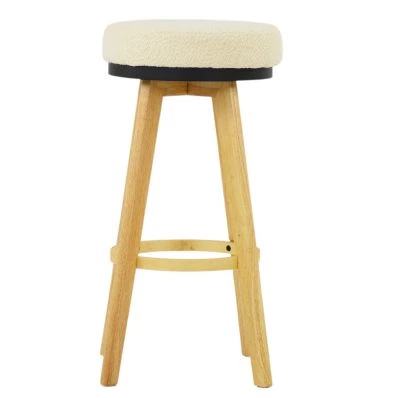
-
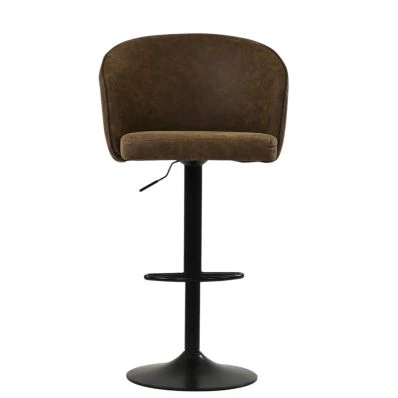
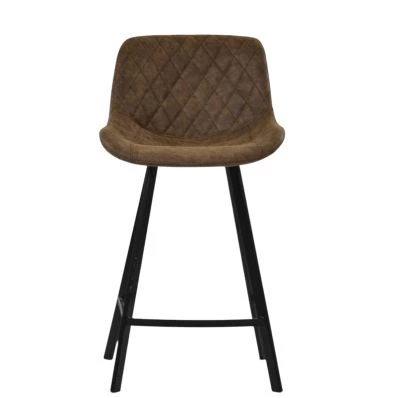 Matteo 65cm Bar Stool in Aged Brown Leather & Black BaseSpecial Price £59.99 Regular Price £74.99 Original price 20% Inc VATSaving £15
 -
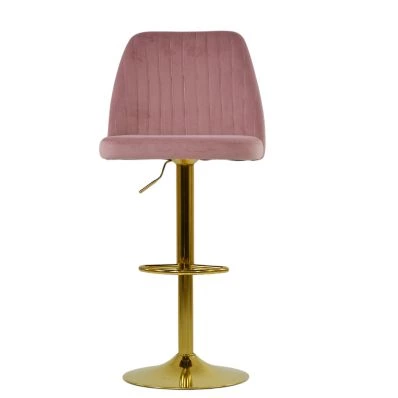
-
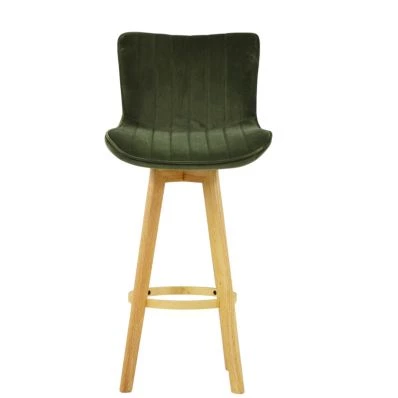
-
-
-
-
-
Structured Summary
Use these rules before buying:
- Measure from the floor to the underside of the breakfast bar.
- Subtract 25–30cm to find the correct stool seat height.
- A 90cm breakfast bar usually needs a 60–65cm seat height.
- Leave around 60cm width per stool as a minimum.
- Allow 70–75cm per stool for wider seats, arms, or swivel designs.
- Choose adjustable stools if the counter height is unusual or users vary.
- Choose fixed height stools if your measurement is clear and standard.
- Check the minimum height on adjustable stools before buying.
- Do not buy tall bar stools for a standard kitchen counter.
- Make sure the stool has a usable footrest.
Common mistakes include measuring to the top of the worktop instead of the underside, ignoring thick worktops or support rails, choosing by product name rather than seat height, buying too many stools for the available width, and forgetting that footrests affect daily comfort.
If your breakfast bar is a standard UK counter height, start with Lakeland’s breakfast bar stools and filter by seat height, adjustability, width, and format.


Comments