
 Chat with us on WhatsApp

Family Kitchen Bar Stools: Wipe-Clean Materials & What to Avoid
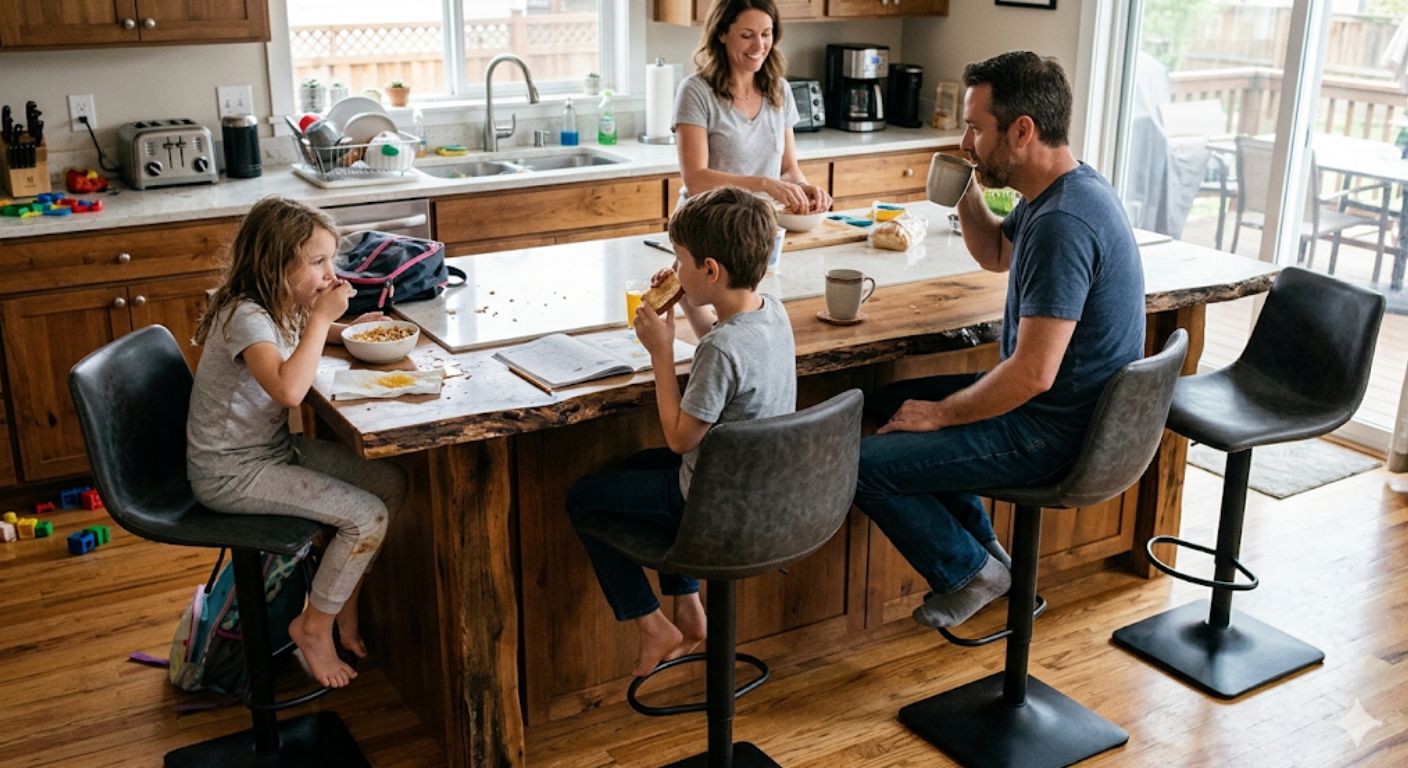
Choosing family kitchen bar stools is usually less about appearance and more about practicality after a few months of daily use. Spills, sticky hands, homework sessions, quick breakfasts, and children climbing on and off stools all put pressure on materials, finishes, and stability.
The best family-friendly bar stools are easy to clean, stable under movement, and durable enough to cope with repeated daily use without quickly looking worn. Material choice matters more than many buyers expect. Some finishes wipe clean in seconds, while others stain, scratch, or absorb marks surprisingly easily.
It's also worth considering how the stool functions day to day. Features such as swivel seats can make it easier to get on and off the stool, but they also introduce additional movement that may not suit every household. Our guides to family kitchen bar stools, wipe-clean materials, and swivel bar stool safety explain how these factors affect everyday practicality and help you choose the right option for your home.
This guide focuses specifically on wipe-clean materials, child-friendly practicality, and which features tend to work best in busy kitchens. If you are still working out sizing and measurements, it also helps to read our breakfast bar stool height guide alongside this article.
What Materials Work Best for Family Kitchen Bar Stools?
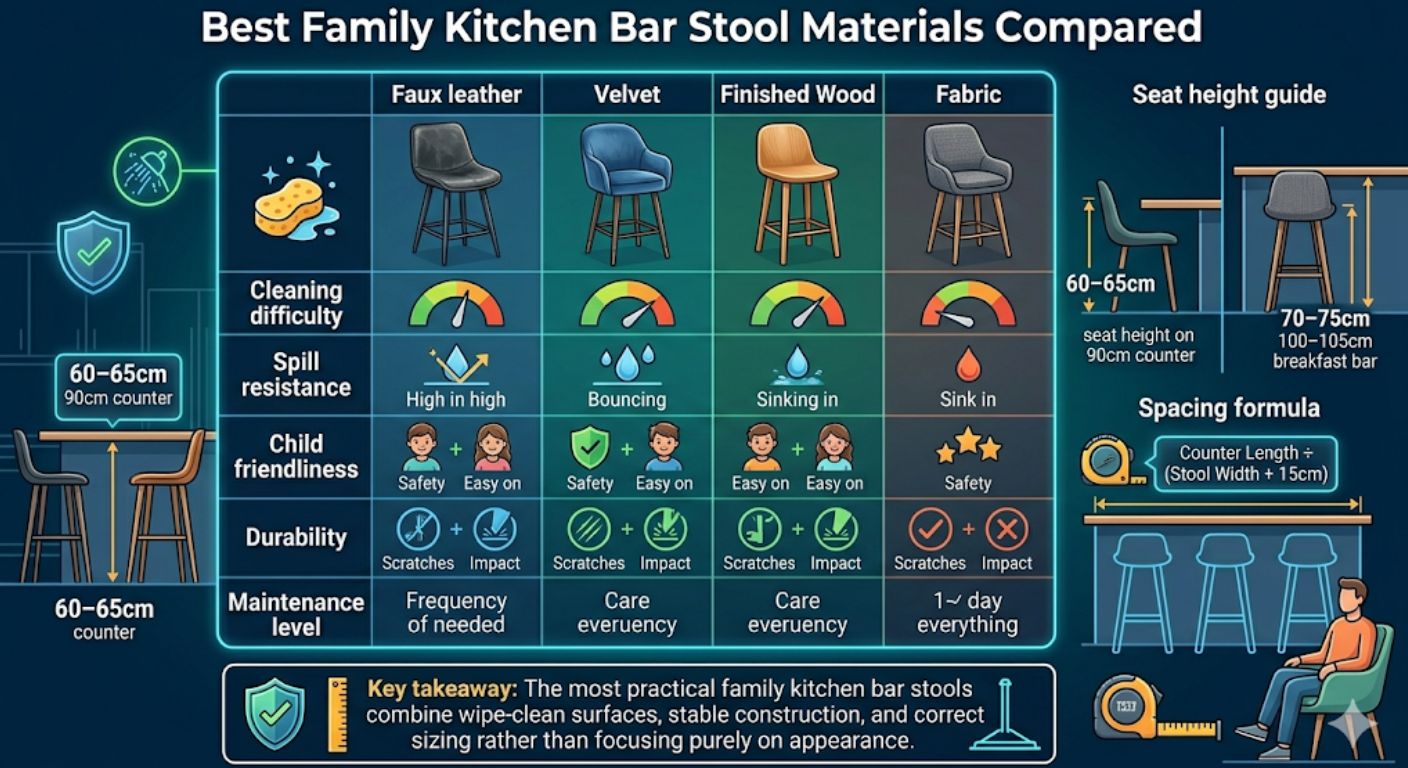
For busy households, the most practical materials are usually faux leather, finished wood, and powder-coated metal. These surfaces are generally easier to wipe down and less likely to absorb spills or food stains.
Materials that tend to perform best include:
- Faux leather: Easy to wipe clean, resistant to most food spills, and usually softer than solid wood seating.
- Finished wood: Durable and low maintenance when sealed properly.
- Powder-coated metal: Hard-wearing and resistant to scratches and marks.
- Polypropylene or moulded plastic: Very easy to clean and often lightweight.
For many families, faux leather remains the safest middle ground between comfort, maintenance, and durability. Most spills can simply be wiped away with a damp cloth before they soak into the material.
We find our customers often underestimate how quickly fabric seats start showing marks in kitchens used heavily by children. Materials that look manageable in a showroom can become frustrating surprisingly fast once food and drinks are involved daily.
While these materials are generally the safest choice for family kitchens, the best option still depends on how the stools will be used. Factors such as young children, pets, entertaining, or frequent everyday use can all influence which material performs best over time. Our guide to bar stool materials: which are best for each situation compares the most common options to help you choose the right balance of comfort, durability, and maintenance.
Materials That Usually Cause Problems in Busy Kitchens
Some bar stool materials work well in low-use kitchens but become difficult to maintain in family spaces.
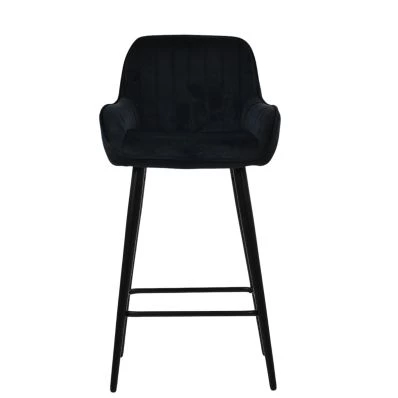
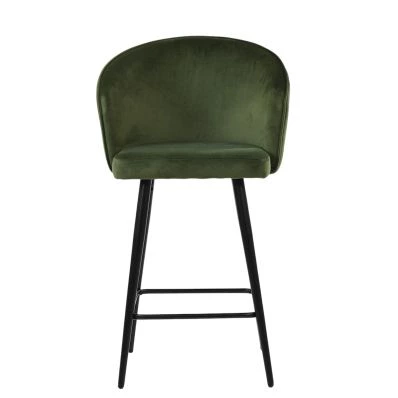
Velvet Upholstery
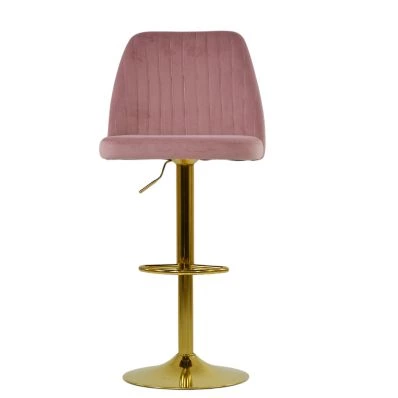
Velvet can look soft and comfortable, but it is rarely the easiest option for family kitchens. Crumbs settle into the pile easily, liquid marks can remain visible, and repeated rubbing can flatten the fabric unevenly.
Homes with younger children or pets often find velvet becomes high maintenance quickly. If you are considering velvet seating, our guide on velvet bar stool durability explains the trade-offs in more detail.
Unsealed Wood
Raw or lightly finished wood absorbs moisture more easily than sealed surfaces. Repeated exposure to water, juice, or food oils can eventually cause staining or warping.
Finished hardwood is far more practical than unfinished timber in kitchens where stools are used every day.
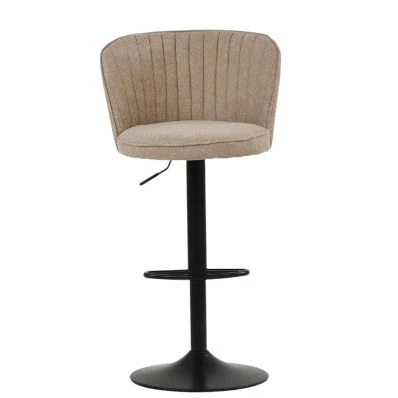
Looped Fabric & Bouclé
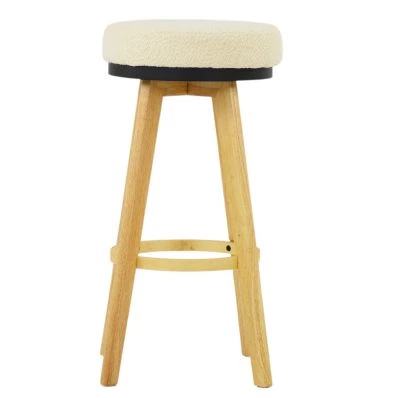
Textured fabrics can trap crumbs and are harder to clean properly without vacuuming. Some boucle-style fabrics also snag more easily from clothing, toys, or pets.
Are Swivel Bar Stools Good for Families?
Swivel bar stools can work very well in family kitchens, particularly around islands where people regularly move in and out of seating positions. A swivel seat reduces dragging and scraping across flooring because users can rotate instead of shifting the whole stool.
That said, not every swivel stool suits younger children equally well.
In family kitchens, it is usually better to prioritise:
- Smooth swivel mechanisms
- Stable bases
- Footrests for support
- Moderate seat heights
- Heavier frames that resist tipping
Very lightweight stools can feel unstable when children climb or swing on them. Some gas-lift stools also rotate too freely for younger children.
If you are comparing seat styles and movement options, our article on different types of bar stools breaks down the practical differences.
Should Family Bar Stools Have Backs?
In most family kitchens, stools with backs are usually more comfortable for longer sitting periods. They encourage better posture and provide more support during meals, homework, or social use.
However, the safest option depends partly on the age of the children using them.
Low-to-medium backrests are often a sensible middle ground because they:
- Provide support without encouraging excessive leaning
- Take up less visual and physical space
- Usually slide under counters more easily
- Reduce the bulky feel around smaller kitchen islands
Very tall backs can sometimes encourage younger children to lean backwards aggressively, particularly on lighter stools.
According to the Health and Safety Executive, stability and suitability matter heavily in everyday seating environments where repeated movement occurs.
How Important Is Seat Height in Family Kitchens?
Correct seat height matters because stools that sit too high or too low become uncomfortable quickly, especially for children.
A counter stool seat is typically around 65cm high and suits counters approximately 90cm high. A bar-height stool is usually around 75cm high and suits surfaces closer to 100–105cm.
Ideally, you want roughly 25–30cm between the seat and the underside of the counter for comfortable leg clearance.
| Counter Type | Typical Surface Height | Recommended Seat Height |
|---|---|---|
| Kitchen Counter | 90cm | 60–65cm |
| Breakfast Bar | 100–105cm | 70–75cm |
Incorrect sizing often causes more day-to-day frustration than material choice. For a full breakdown, visit our complete breakfast bar stool sizing guide.
How Many Family Kitchen Bar Stools Should You Fit?
Trying to fit too many stools around an island usually creates crowding and makes movement harder for both adults and children.
A practical spacing formula is:
Counter Length ÷ (Stool Width + 15cm) = Approximate Number of Stools
The additional 15cm allowance helps create elbow room and reduces stools colliding during use.
For example:
- 240cm island
- 45cm stool width
- 45 + 15 = 60cm space per stool
- 240 ÷ 60 = 4 stools
Families with younger children often benefit from slightly wider spacing because stools tend to move more frequently during use.
Best Features for Family-Friendly Bar Stools
Beyond materials, certain features make a noticeable difference in everyday practicality.
Footrests
Footrests help reduce swinging legs and improve comfort during longer sitting periods.
Floor Protectors
Rubber rings, felt pads, or anti-slip feet help protect flooring and reduce movement noise.
Rounded Edges
Softer corners and rounded seat shapes are often more forgiving in smaller kitchens with children moving around quickly.
Weighted or Wider Bases
Stable bases reduce wobbling and make stools feel safer during repeated use.
When Family Kitchen Bar Stools Make Sense — And When They Do Not
Family-focused bar stools work best in kitchens used heavily for everyday living rather than occasional entertaining.
They are usually a strong choice for:
- Open-plan kitchens
- Breakfast bars used daily
- Homes with school-age children
- Shared family dining areas
- Multi-purpose kitchen islands
More delicate upholstery or highly design-led seating can still work, but they generally suit lower-use kitchens where maintenance is less demanding.
If practicality is the priority, simple wipe-clean materials usually outperform trend-driven fabrics over the long term.
Frequently Asked Questions
What is the easiest bar stool material to clean?
Faux leather is usually the easiest material to maintain in family kitchens. Most food spills and marks wipe away quickly without soaking into the surface. Finished wood and moulded plastic are also practical options for daily use.
Are fabric bar stools a bad idea for families?
Not always, but heavily textured fabrics and lighter upholstery usually require more maintenance. In busy kitchens with younger children, fabric seats tend to collect crumbs, absorb spills, and show marks faster than wipe-clean surfaces.
Are swivel stools safe for children?
They can be, provided the stool has a stable base and solid construction. Heavier swivel stools with supportive footrests generally feel more secure than lightweight models with very free movement.
What seat height works for most family kitchens?
Most UK kitchen counters suit seat heights around 60–65cm. Taller breakfast bars usually need stools around 70–75cm high. Measuring the underside of the counter before buying is the safest approach.
-
-
-
-
-
-
-
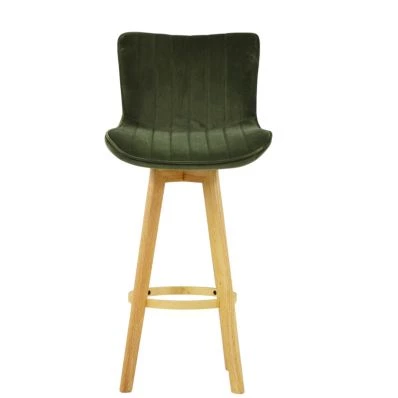
-
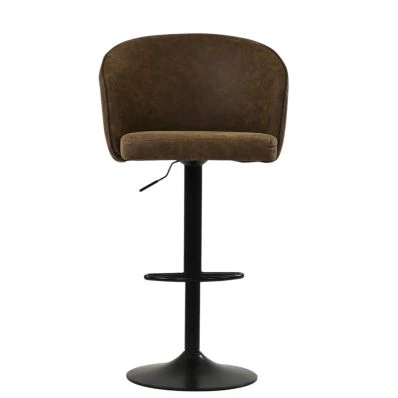
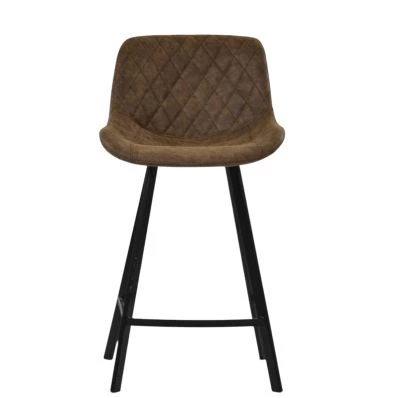 Matteo 65cm Bar Stool in Aged Brown Leather & Black BaseSpecial Price £59.99 Regular Price £74.99 Original price 20% Inc VATSaving £15
 -
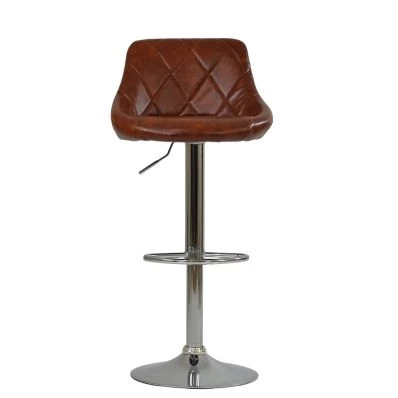
-
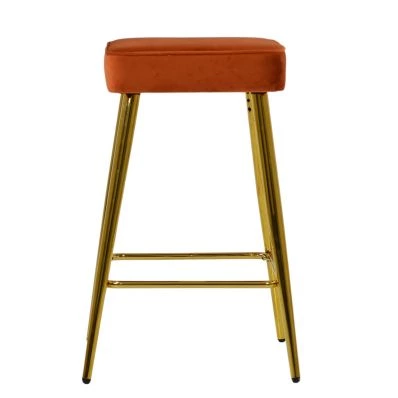
-
-
Final Thoughts
The best family kitchen bar stools prioritise practicality before styling details. Wipe-clean materials, stable construction, and correct sizing usually matter more over time than trend-focused finishes.
For most busy households, faux leather, finished wood, and durable metal frames remain the safest long-term choices. They are easier to maintain, cope better with repeated use, and help reduce frustration around cleaning and wear.
If you are still comparing options, you can browse the full bar stool collection or read our detailed breakfast bar stool height guide for sizing advice before choosing.


Comments