
 Chat with us on WhatsApp

Bar Stool Dos And Don’ts
Bar stools look straightforward to buy until the measurements, spacing, and day-to-day use are tested in a real kitchen. Most buying mistakes happen because people focus on the appearance of the stool before checking how it works with the counter height, walkway space, seating layout, and sitting comfort.
This guide focuses on the practical dos and don’ts that prevent the most common problems after delivery. It does not replace a full sizing guide, but it will help you avoid buying stools that feel cramped, awkward to sit on, or difficult to live with long term. If you need full measurement guidance, read the main bar stool size guide before choosing a model.
Do Measure From the Floor to the Underside of the Counter
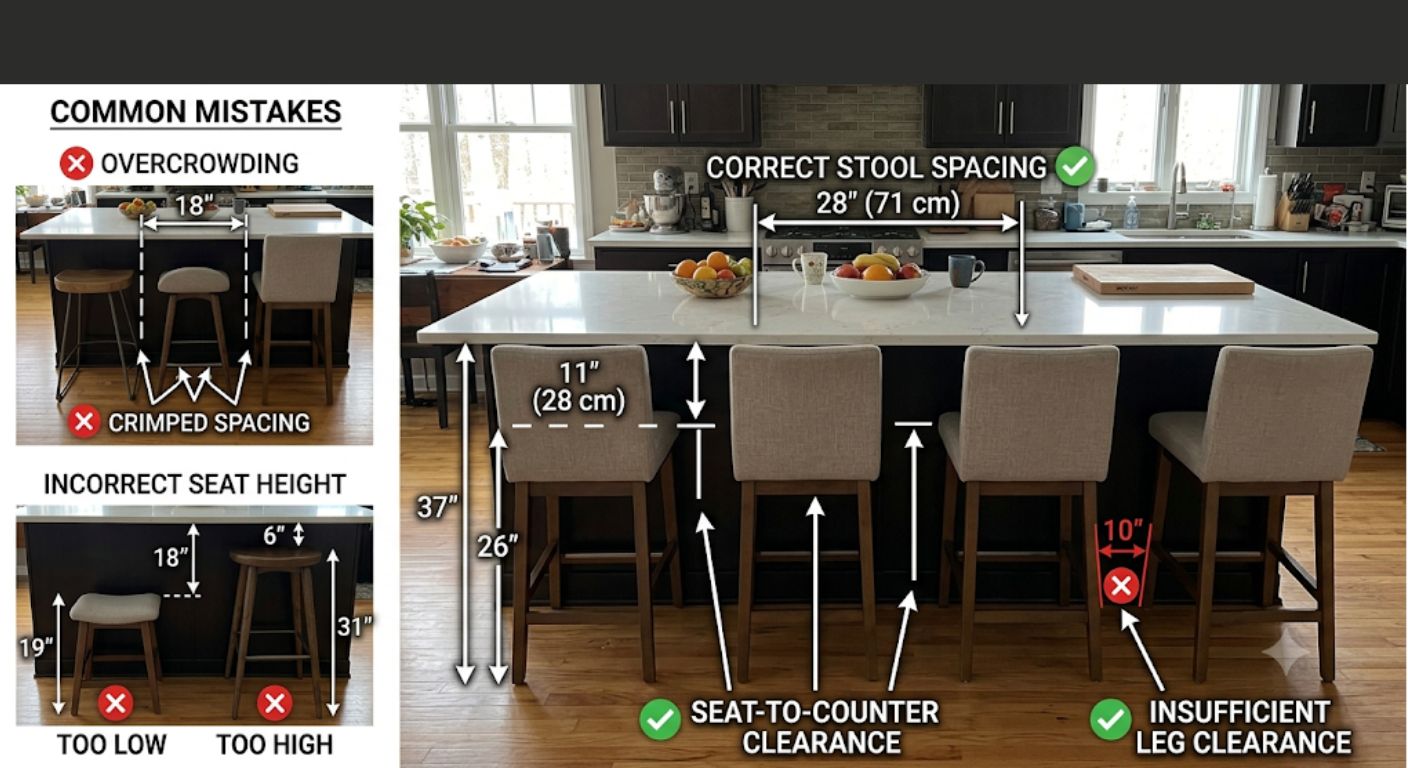
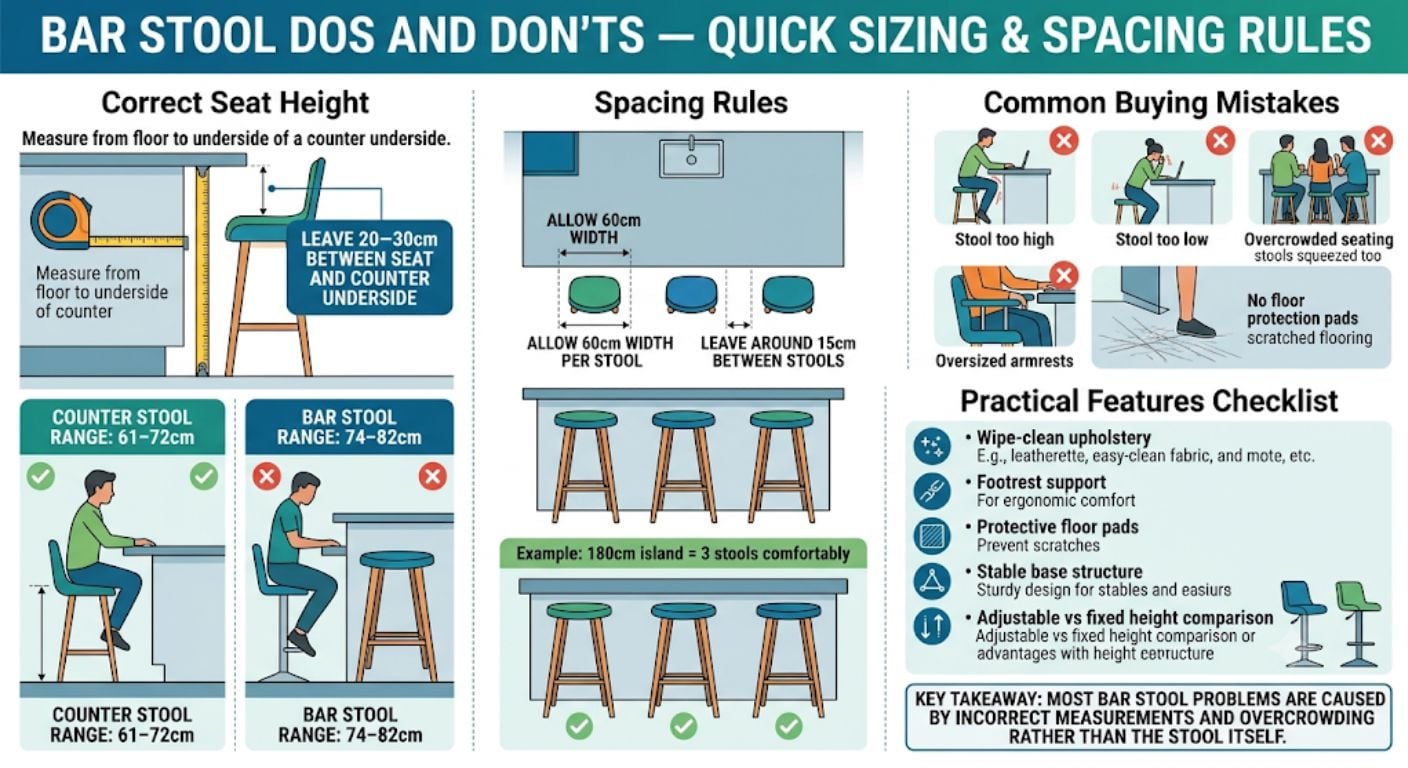
The single most important measurement is the distance from the floor to the underside of the worktop or breakfast bar. Many people measure to the top surface instead, which usually results in stools sitting too high.
As a general rule:
- Counter-height seating usually suits seat heights between 61–72cm
- Bar-height seating usually suits seat heights between 74–82cm
- You should normally leave 20–30cm between the seat and the underside of the counter
A stool that is too high forces knees upward and reduces leg movement. A stool that is too low makes the counter feel uncomfortable to use for eating or working.
If your counter height sits between standard ranges, adjustable gas-lift stools can solve the issue without needing a custom-sized product.
For more detailed sizing examples, see our counter height vs bar height guide.
Don’t Ignore Seat Width and Clearance
People often calculate how many stools fit by dividing the island width evenly. In practice, this usually creates overcrowding.
A safer working guideline is:
- Allow around 60cm width per stool
- Leave roughly 15cm between stools where possible
- Maintain enough clearance behind the stools for walkways and doors
A 180cm kitchen island will normally fit three stools comfortably rather than four tightly packed ones.
The problem is not only elbow room. Wider seats, armrests, swivel movement, and pedestal bases all increase the real footprint of the stool once someone is sitting on it.
Most people buying for kitchen islands underestimate how much the footrest matters. After a few hours of sitting, it becomes one of the first details people notice.
If spacing is the main issue in your kitchen, our guide to bar stools for small kitchens and narrow breakfast bars explains which layouts work better in tighter spaces.
Do Think About How Long People Will Actually Sit There
Short seating sessions and long seating sessions require different types of stool support.
For quick breakfasts or occasional seating, compact fixed stools often work well. For longer sitting periods such as working on a laptop, evening meals, or entertaining guests, support becomes much more important.
Features that usually improve longer-term comfort include:
- Supportive backrests
- Padded upholstery
- Stable footrest positioning
- Enough seat depth for proper leg support
- Swivel movement where people regularly turn or move around
Comfort problems are not always obvious during the first few minutes of sitting. We regularly find that our customers focus heavily on seat height at the start, but discomfort later comes from shallow seats or poorly positioned footrests.
Don’t Buy Based Only on Appearance
Many stools photograph well but become impractical in everyday kitchens.
Before buying, check:
- Whether the seat surface is wipe-clean
- How easy the base is to keep stable on hard flooring
- Whether the frame finish shows marks easily
- If the upholstery suits the level of daily use
- Whether the stool can tuck neatly under the counter when not in use
This matters particularly in busy kitchens where stools are moved frequently.
High-backed designs can look balanced around large islands but may dominate smaller rooms visually and physically. Likewise, oversized armrests often reduce how many stools fit across the counter.
If tuck-under clearance is important, read our guide on seat depth, back height, and overhang clearance.
Do Match the Stool Structure to the Flooring
Different frame styles behave differently on wood, tile, laminate, and stone floors.
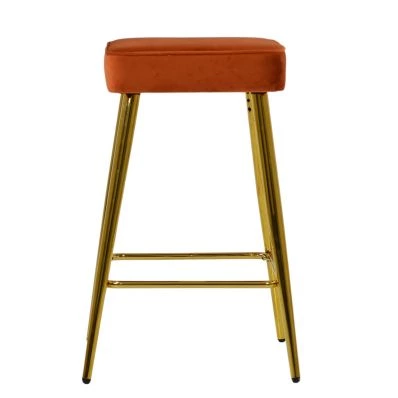
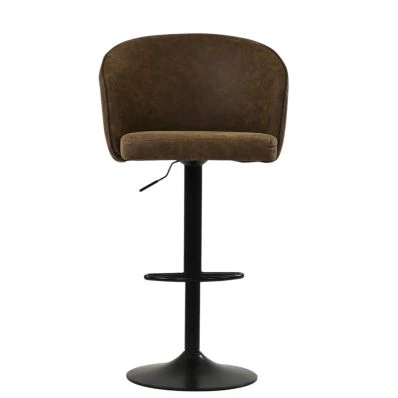
Four-legged stools usually provide strong stability and distribute weight evenly. Pedestal bases allow swivel movement and flexible positioning but may feel heavier to move.
To reduce floor damage:
- Use stools with protective foot pads where possible
- Check pedestal bases for anti-scratch protection
- Avoid dragging stools sideways across wood flooring
- Use felt pads if additional protection is needed
This becomes more important in open-plan kitchens where stools are used repeatedly throughout the day.
For practical guidance on layout planning, the bar stool spacing guide explains how stool width and clearance affect movement around an island.
Don’t Assume Adjustable Means Universal
Gas-lift stools help with flexibility, but adjustment range still matters.
Some adjustable stools are designed mainly for kitchen counters, while others extend properly into full bar-height seating. Always check the minimum and maximum seat height rather than relying only on the word “adjustable”.
This is especially important where:
- Multiple people of different heights use the seating
- The counter height is non-standard
- The stools may move between different rooms
- The worktop includes thicker stone or timber surfaces
Hydraulic mechanisms also add movement to the seat, which some buyers prefer and others dislike. Fixed-height stools generally feel more solid under constant daily use.
Do Consider How the Stools Will Be Used Day to Day
The right stool for a formal entertaining space may not work well in a busy family kitchen.
Daily-use kitchens often benefit from:
- Wipe-clean upholstery
- Stable frames with minimal movement
- Rounded edges
- Supportive backs
- Easy access in and out of the seat
Entertaining-focused spaces may prioritise:
- Swivel functionality
- More sculpted seat designs
- Slim pedestal bases
- Higher seating positions
The mistake is choosing a stool for occasional use when it will actually be used every day.
If you are still comparing different seating styles, our swivel vs fixed bar stool guide breaks down the advantages and trade-offs more closely.
Practical Application: When These Rules Matter Most
Small Kitchens and Compact Islands
Avoid oversized seats, wide armrests, and bulky bases. Narrower fixed stools or compact swivel models usually maintain better movement around the room.
Family Kitchens
Prioritise wipe-clean surfaces, supportive backs, stable bases, and easy access. Very lightweight stools often move too easily in busy households.
Open-Plan Kitchens
Visual balance matters more because the stools remain visible from multiple angles. Large high-back stools can work well around substantial islands but may overwhelm smaller layouts.
Occasional Seating Areas
If the stools are mainly used for short sitting periods, simpler fixed designs may provide enough comfort without taking up unnecessary space.
Multi-User Households
Adjustable stools become more useful where several people regularly use the same seating area. This is particularly helpful with children, teenagers, and mixed-height adults.
Frequently Asked Questions
How much space do I need for bar stools?
Most layouts work comfortably when you allow around 60cm width per stool and roughly 15cm between seats. You should also leave enough walkway clearance behind the stools so people can move through the kitchen without constantly shifting the seating.
What is the difference between counter-height and bar-height stools?
Counter-height stools usually have seat heights between 61–72cm and suit standard kitchen counters. Bar-height stools are taller, generally between 74–82cm, and suit raised bar areas or commercial-style counters. The correct fit depends on the distance from the floor to the underside of the surface.
Are upholstered bar stools practical for family kitchens?
They can be, provided the upholstery is suitable for regular cleaning. Faux leather and wipe-clean synthetic finishes are often easier to maintain in busy kitchens than heavily textured fabrics.
How many stools fit on a 180cm kitchen island?
In most cases, three stools fit comfortably across a 180cm island. Trying to fit four usually reduces elbow room and creates a crowded seating layout.
Can bar stools damage wood flooring?
They can if the base lacks protective pads or the stools are dragged repeatedly across the surface. Felt protectors or rubber foot pads help reduce scratching on timber and laminate floors.
Final Thoughts
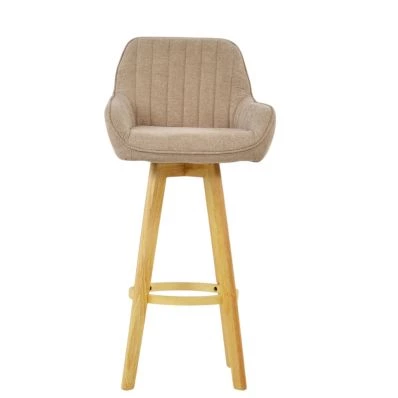
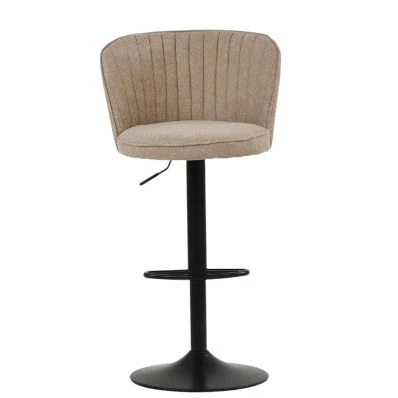
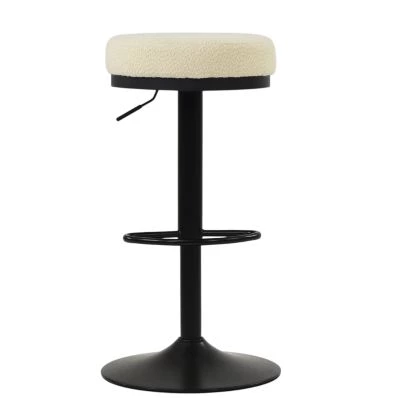
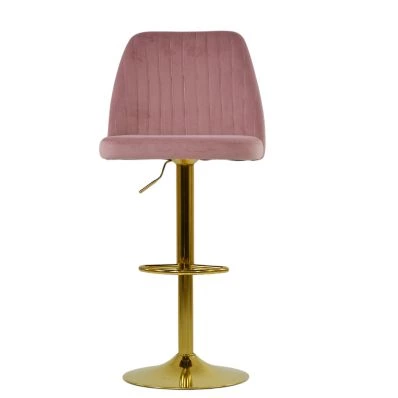
Most bar stool buying mistakes come from skipping the practical checks. Height compatibility, spacing, floor clearance, and sitting comfort matter more long term than appearance alone.
Before buying, measure carefully and think realistically about how the stools will actually be used day to day. If you still need help comparing sizes, layouts, or seating types, start with our main Bar Stool Size guide or browse the full bar stool collection for different formats and seat styles.


Comments